Kids Room Remodel Ideas 2026: Modern Trends, Smart Organization & Inspiring Interior Designs

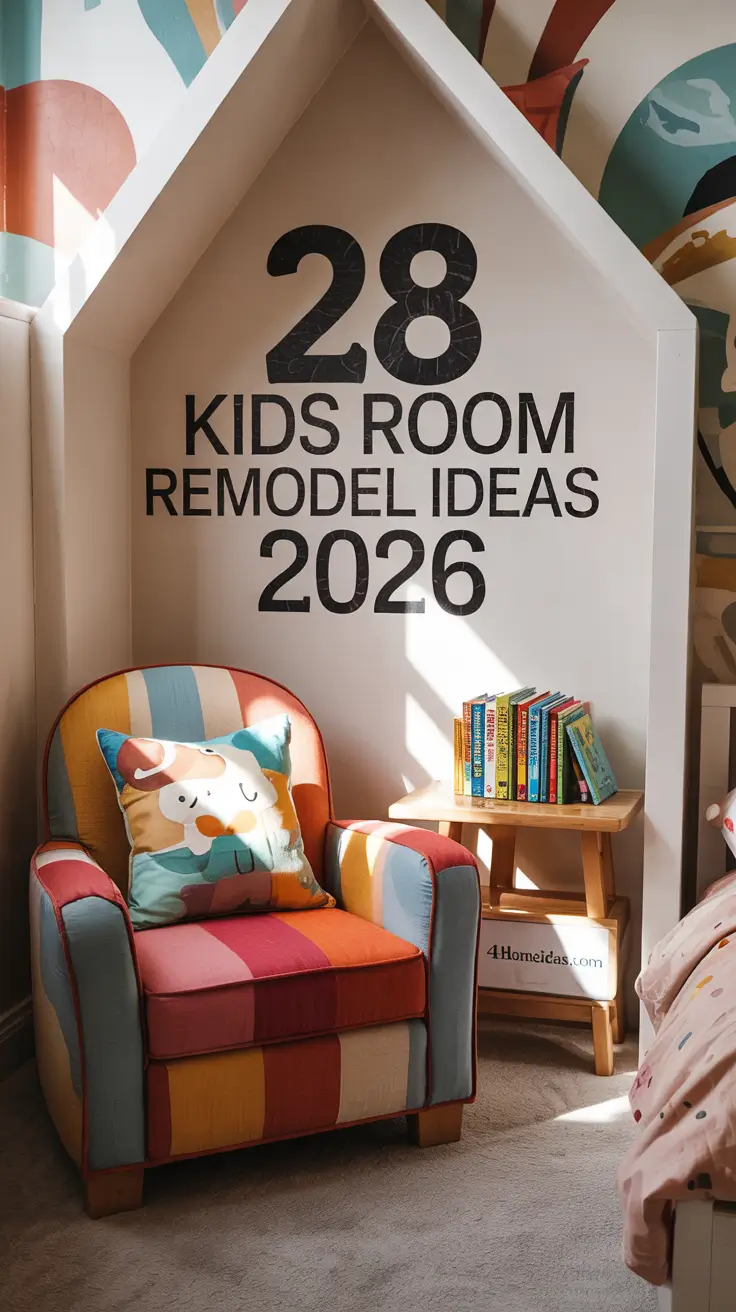
When parents start exploring kids room design trends for 2026, many wonder how to blend style, practicality, and creativity in one space. What does a modern room need to support learning, play, and comfort? And which kids room ideas actually improve daily life rather than simply looking good? In this article, I’ll walk you through the most influential concepts that will shape the new year, helping you rethink layout, materials, and atmosphere with clarity and confidence.
As someone who works daily with kids room interior design, I’ve seen firsthand how small improvements can dramatically boost family organization and children’s development. I’ll share insights rooted in professional practice and real design principles, covering everything from décor to smart storage. Whether you’re remodeling a room for the first time or refining a space that already works well, you’ll find ideas that are inspiring and achievable. Let’s dive into the future of kids’ interiors together.
Fresh Kids Room Design Trends For 2026
In 2026, I see kids room design shifting toward softer forms, natural textures, and multifunctional layouts that support both learning and rest. Rounded furniture, flexible zones, and warm neutrals paired with muted pastels dominate the landscape. I’ve noticed families increasingly prioritizing spaces that feel calm yet stimulating, and this balance shapes the direction of modern interiors. These trends aim to make rooms safer, more adaptable, and more connected to nature.
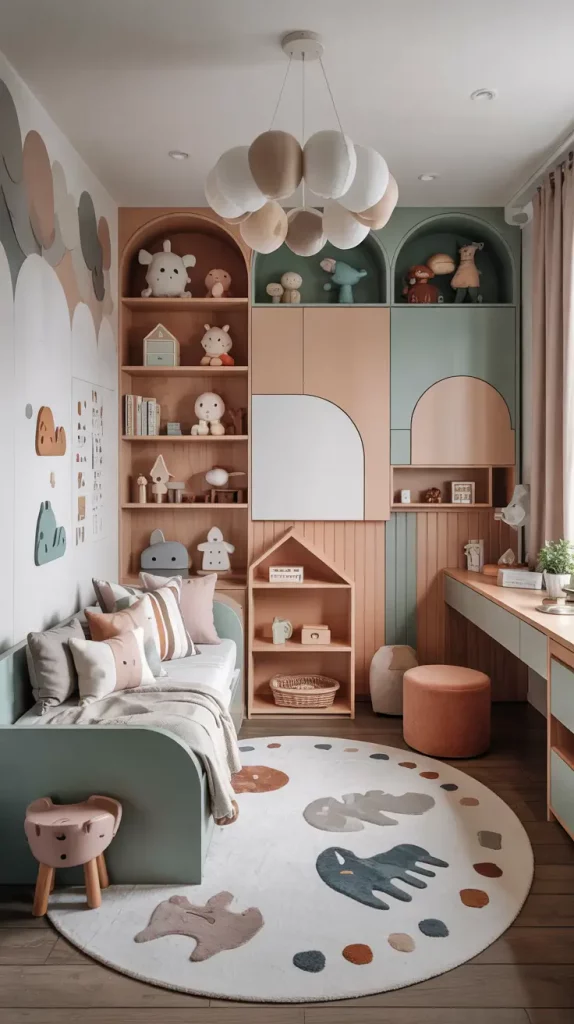
When selecting furniture for these aesthetics, I gravitate toward low-profile beds, modular shelves, and sustainable woods. These pieces give the space longevity and make it easier to adjust the layout as children grow. Adding lightweight seating, soft rugs, and layered lighting makes the room more comfortable and supports various activities throughout the day.

From my experience, designers at Architectural Digest emphasize that 2026 is the year of sensory-friendly spaces. I agree—rooms that reduce visual clutter and introduce tactile materials help children feel grounded. If anything is missing here, I would add more emphasis on textiles, as they provide an easy seasonal refresh for evolving tastes.
Smart Kids Room Organization Ideas For Everyday Efficiency
When I plan kids room organization, I always begin by assessing how the child uses the room. In 2026, organization becomes more intuitive and reachable, using clear systems kids can maintain themselves. Low shelving, open-top bins, and color-coded drawers remain my go-to solutions. This setup not only streamlines cleanup but also supports independence, which is an essential part of early development.

Each element in an organized room has a purpose. For toys, I prefer labeled containers or transparent bins. For clothes, a divided wardrobe or cubby system works exceptionally well. For school items, a wall-mounted organizer keeps the desk free of clutter. These features elevate both aesthetics and practicality. A pegboard for accessories can also help maintain structure without overwhelming the space.

In my practice, I’ve found that small organizational habits create big lifestyle improvements. Experts at Real Simple highlight that “organization must be visible to be functional,” and I fully agree. If I expanded this section, I’d include tech-integrated organization, such as smart lamps with built-in storage for books or devices.
Modern Kids Room Interior Design Concepts
When approaching kids room interior design, I try to establish harmony between minimalism and playful elements. In 2026, modern interiors lean toward Scandinavian simplicity—clean lines, soft palettes, and natural materials—but with personalized touches that reflect a child’s personality. This approach keeps the room timeless while still feeling fresh and inviting.
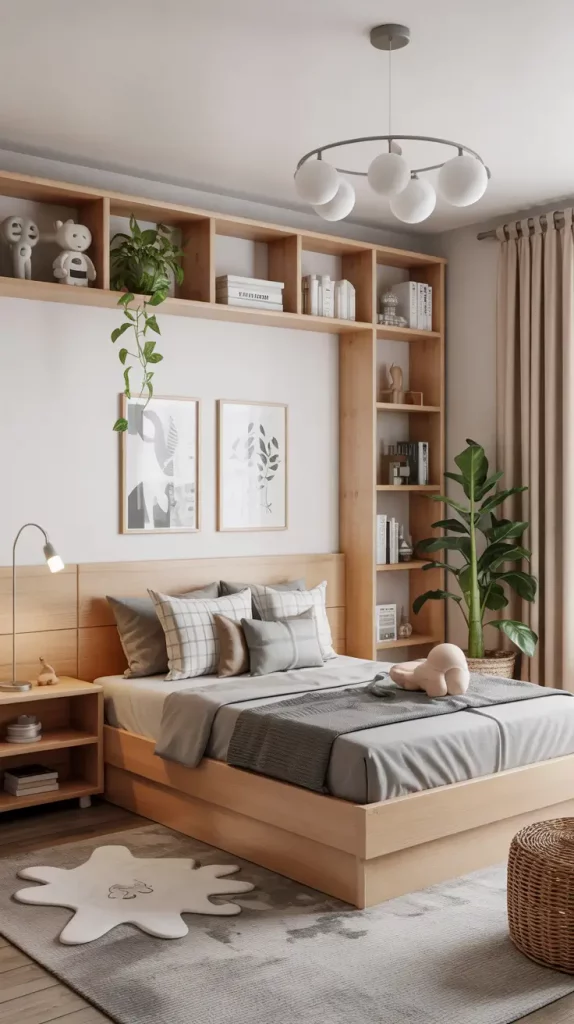
I typically choose furniture with simple silhouettes: platform beds, open shelving, and sleek desks. These items ground the space, allowing décor, textiles, and art to introduce character without overwhelming the design. Investing in durable flooring and adjustable lighting also helps create a room that grows alongside the child. Textures—like wool, cotton, bamboo, and felt—complete the look with warmth and comfort.
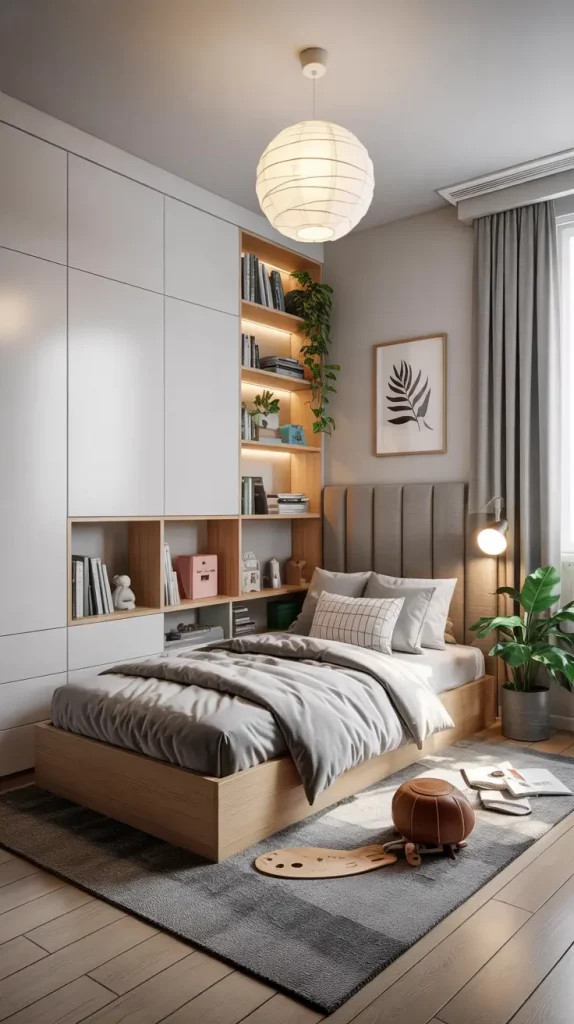
Professionally, I’ve learned that modern design succeeds when it supports function rather than pure aesthetics. As Elle Decor often reminds readers, “simplicity is the luxury of modern interiors.” I would add that incorporating nature-inspired accents—plants, stone décor, wicker baskets—enhances the emotional feel of the room.
Creative Kids Room Inspiration For A Personalized Space
When thinking about kids room inspiration, I try to capture the child’s individuality in the design. In 2026, personalization becomes an essential component, allowing kids to express themselves through themes, custom art, or flexible décor elements. I love incorporating interactive features such as magnetic walls, art rails, or chalkboard panels to encourage imagination without sacrificing sophistication.

I also choose décor elements purposely: artwork that reflects their interests, cozy reading nooks, and décor boxes for showcasing collections. Soft lighting, themed pillows, and textured blankets can enhance their sense of belonging. Personalized name plaques or custom murals also elevate the emotional value of the space.
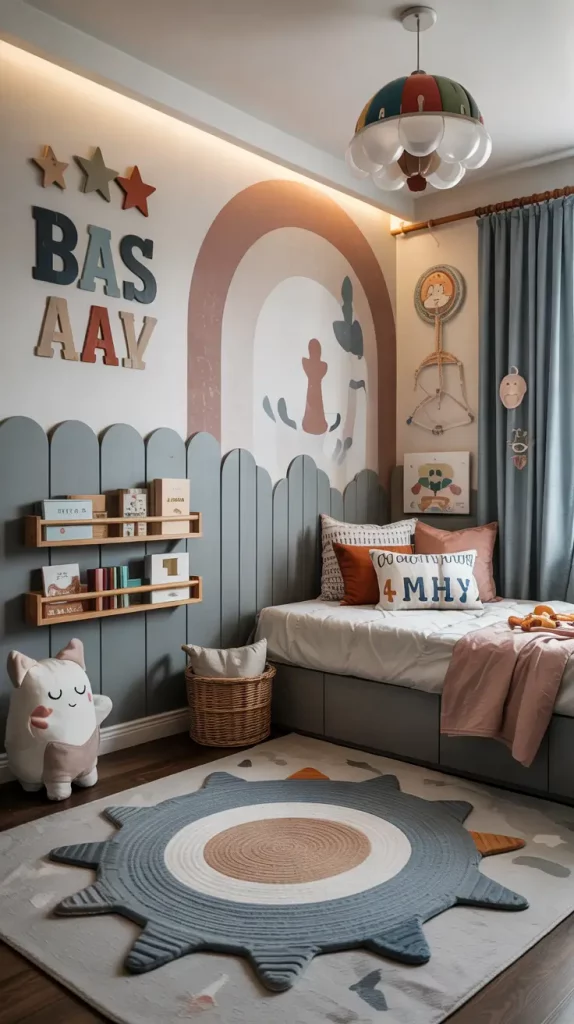
In my work, I’ve seen that children thrive in environments that validate their identity. Designers at HGTV emphasize that involving kids in aesthetic choices leads to deeper attachment to their space. If I expanded this section, I’d include more guidance on rotating décor seasonally without major renovations.
Innovative Kids Room Ideas That Elevate Function And Style
When I develop kids room ideas, I consider both the current needs and future adaptability. In 2026, innovation focuses on modular systems and rooms that shift between rest, study, and play seamlessly. Transforming desks, fold-away beds, and stackable seating are becoming increasingly popular because they maximize space without compromising comfort.

Every innovation should serve a clear function. A loft bed, for instance, can open room for a study zone. A built-in bench can double as storage and reading space. Lightweight panels or curtains can convert open layouts into separate activity zones. Smart lighting systems allow kids to adjust brightness and mood, helping them wind down or stay productive.
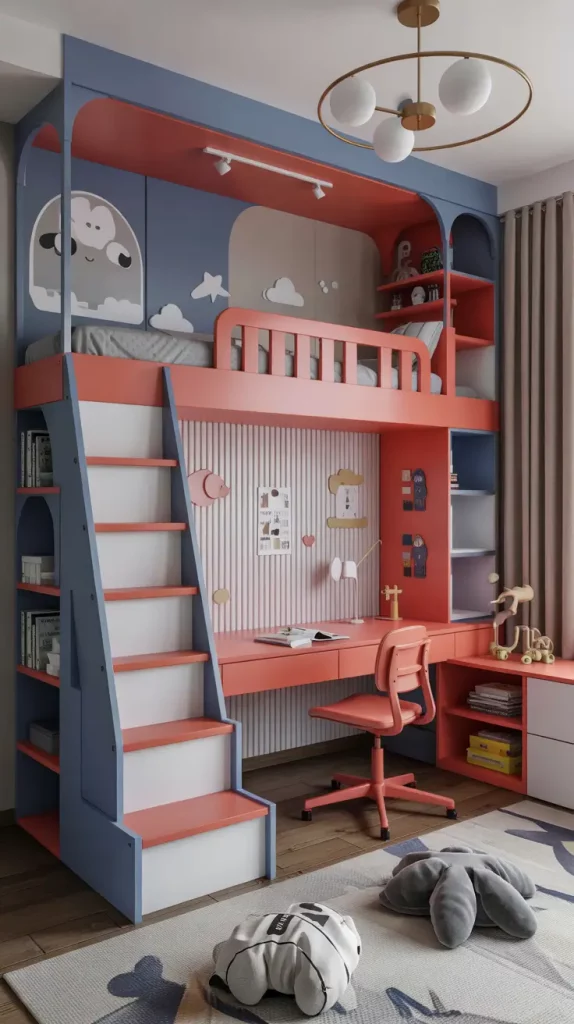
From my perspective, innovation isn’t just about technology—it’s about thoughtful design that solves problems. Experts at Apartment Therapy often highlight multifunctionality as the future of interior design. I would also recommend integrating adjustable shelving because it easily adapts to changing hobbies or school requirements.
Trendy Kids Room Wallpaper Styles Shaping 2026 Decor
In 2026, kids room wallpaper trends shift toward nature-inspired prints, large-scale illustrations, and calming geometric patterns. When I choose wallpaper, I try to create a visual anchor that sets the mood of the entire room. Soft forest motifs, watercolor skies, or abstract shapes help build a soothing yet imaginative environment.
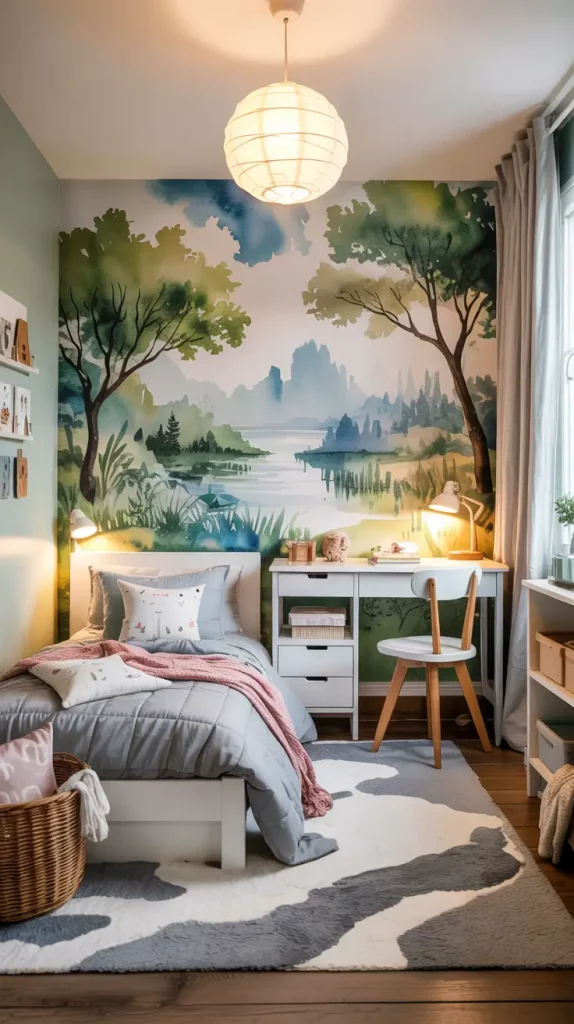
I prefer wallpapers made from washable, eco-friendly materials. For accent walls, I lean toward bolder prints, while the remaining walls stay neutral to maintain balance. Peel-and-stick options are incredibly useful for growing children whose tastes evolve. Lighting also plays a significant role—wallpaper with subtle texture reacts beautifully to sconces or ambient light.
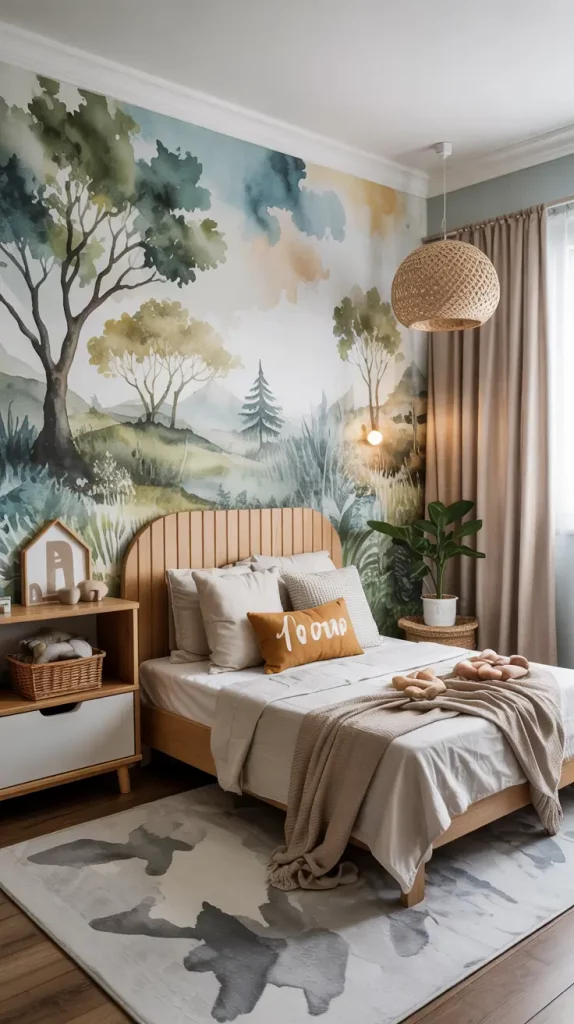
Designers at House Beautiful frequently highlight that wallpaper is returning as a storytelling medium, and I couldn’t agree more. If expanding this section, I’d emphasize pairing wallpaper with corresponding textiles—curtains, bedding, rugs—to create a unified palette.
Functional Kids Room Wardrobe Design Solutions
When I plan kids room wardrobe design, I focus on accessibility and structure. I want children to reach their clothes, shoes, and accessories independently. In 2026, wardrobes emphasize adjustable rods, customizable shelves, and interior lighting. These features help kids stay organized and reduce morning stress.
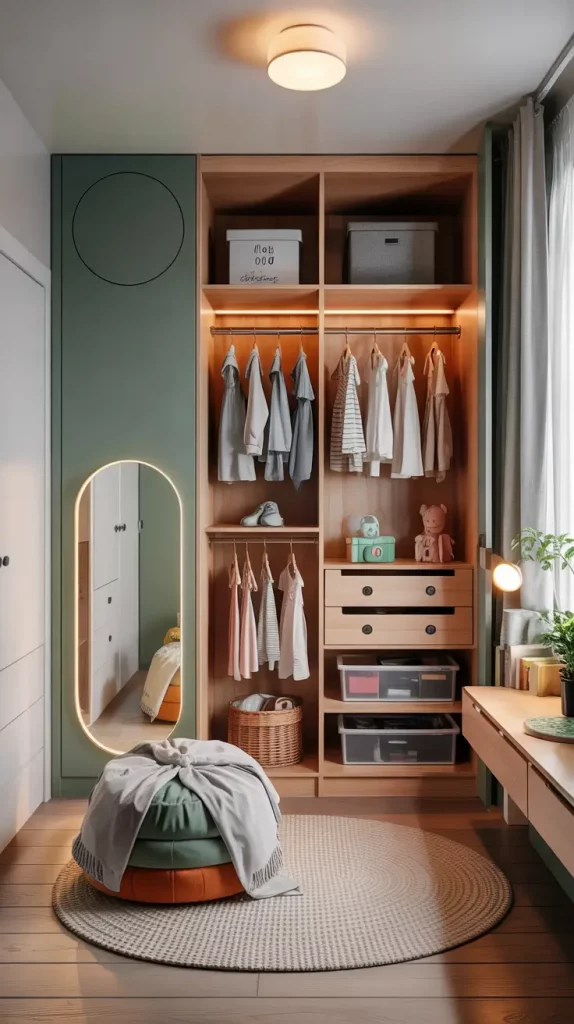
I often choose wardrobes with pull-out baskets, dividers, and clear-front drawers. Hooks installed at child height encourage them to hang items rather than drop them. Adding a mirror to the inside door maximizes space while supporting daily routines. Soft-close hinges also contribute to safety and noise reduction.
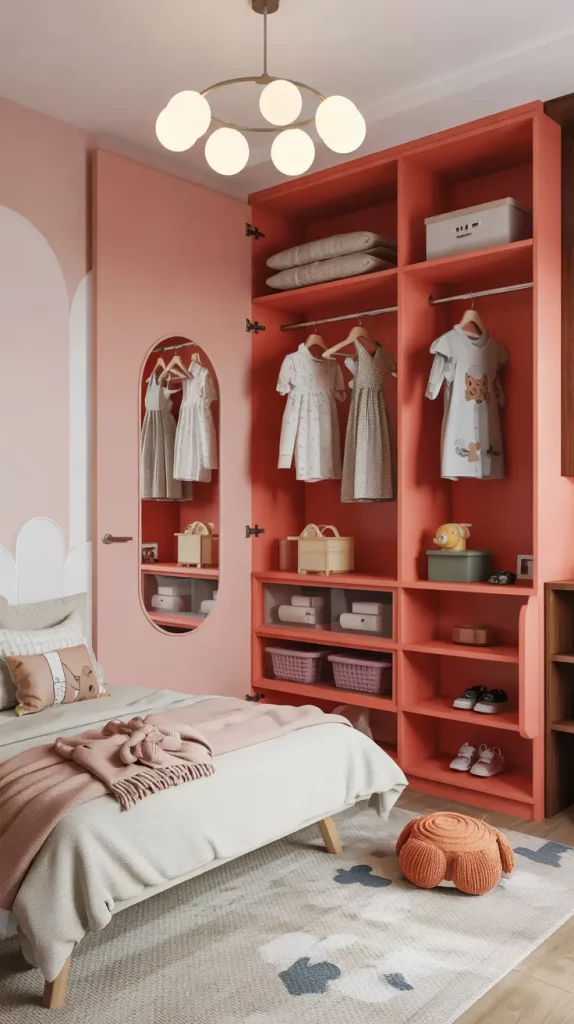
Over the years, I’ve seen how a well-planned wardrobe dramatically improves daily flow. Professional organizers in Martha Stewart Living highlight that “consistency in storage placement builds habits,” which I’ve witnessed in my own projects. If expanding, I would include seasonal storage strategies to maintain rotation without clutter.
Stylish Kids Room Decor Ideas For A Playful Atmosphere
When I work with kids room decor, I focus on elements that add personality without overwhelming the space. In 2026, décor leans toward tactile materials, layered textures, and playful silhouettes that make the room visually engaging yet harmonious. I like using décor pieces that feel intentional—soft cushions, whimsical lamps, woven baskets, and framed artwork—to maintain balance while supporting the child’s interests and comfort.
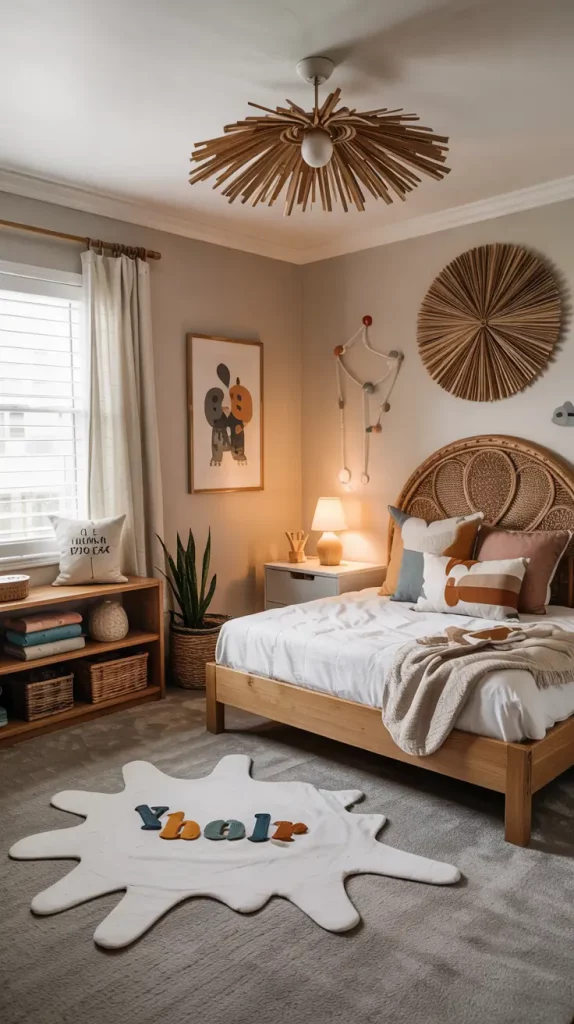
I usually include lightweight furniture like poufs or ottomans, floating shelves for books, and themed textiles to tie the room together. Each object should enhance functionality while also adding joy. A statement rug can zone the space, while curated wall art introduces color without clutter. Plants, even faux ones, bring softness and life into the design.
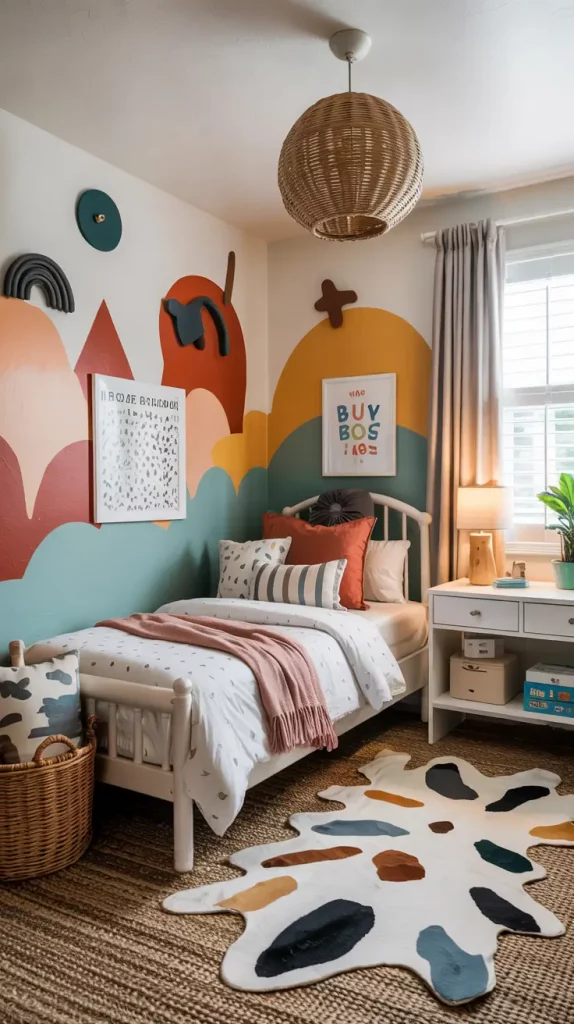
Over the years, I’ve seen how décor transforms a simple layout into a meaningful environment. Experts from Apartment Therapy often highlight that a child’s room should “invite play through subtle visual cues,” and I fully agree. If I expanded this section, I would emphasize more sustainable décor options that evolve with the child.
Elegant Kids Room Design For Girls
When designing a kids room design girl, I try to create a space that feels sophisticated yet full of charm. For 2026, elegance doesn’t mean stereotypical pink overload—it’s about muted pastels, refined textures, and curated décor that promotes calm and creativity. Soft lilac, dusty rose, and sage green are popular choices, and they pair beautifully with natural wood elements.

Furniture in a girl’s room should be practical and timeless. I prefer canopy-style beds with lightweight fabrics, adjustable desks for study, and decorative storage baskets that keep things organized while enhancing the aesthetic. Wall art curated around her interests and a cozy reading nook elevate the entire environment and encourage meaningful routines.
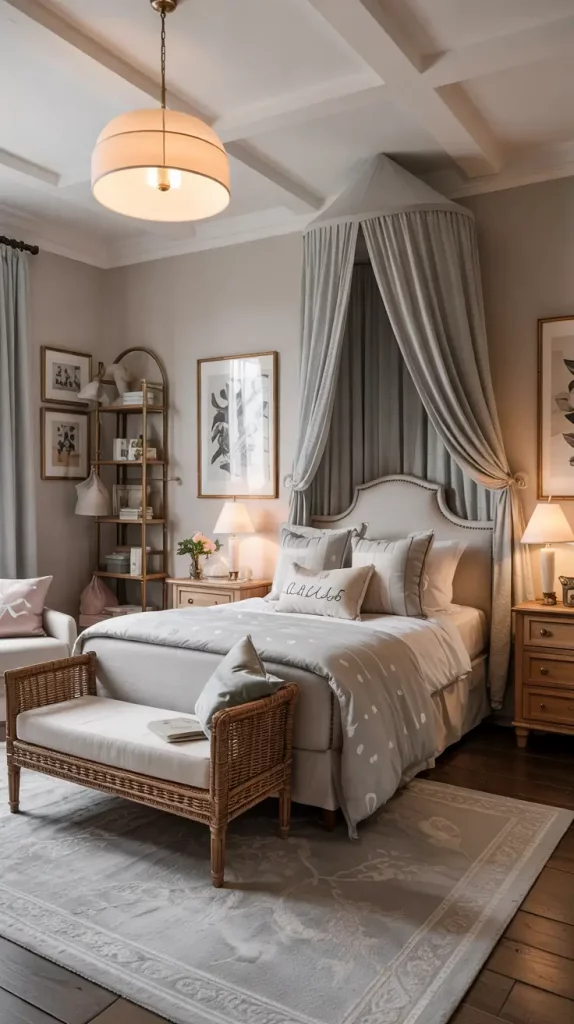
Designers at Better Homes & Gardens often note that feminine elegance emerges through subtle patterns and layered textures rather than theme-heavy décor. I agree. If expanding this section, I would add guidance on introducing transitional décor pieces that adapt as she matures.
Dynamic Kids Room Design For Boys
When creating a kids room design boys, I focus on energy, durability, and personality. In 2026, boys’ rooms lean toward bold geometrics, sporty or adventure-inspired themes, and deeper color palettes—navy, forest green, terracotta—that give the space character without making it feel dark. The goal is to support activity while maintaining structure.
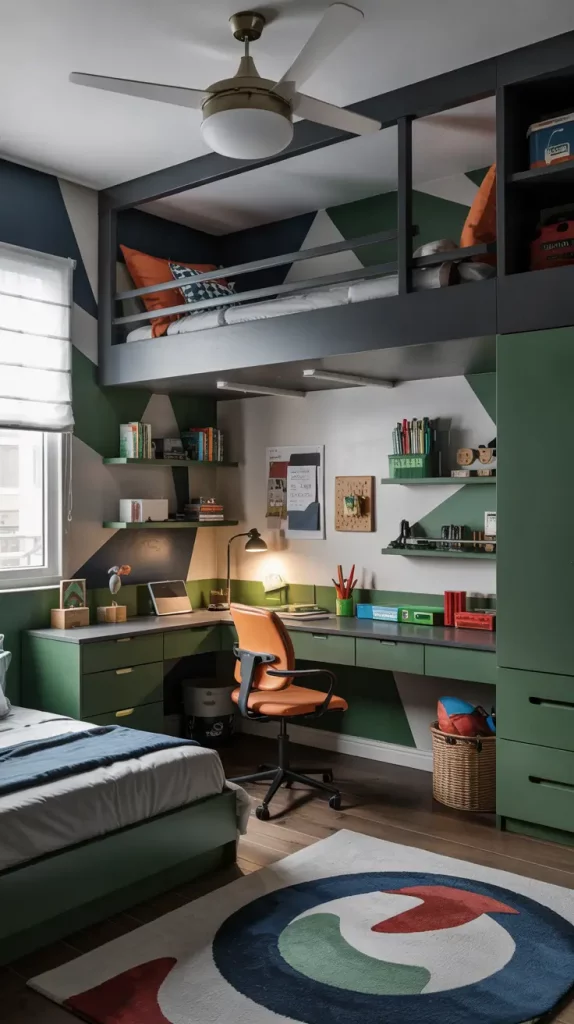
Functional furniture plays a key role: loft beds with storage underneath, sturdy desks, and display shelves for collections or hobbies. I often incorporate themed bedding, wall decals, or statement lighting to make the room feel personal yet cohesive. Rounded furniture helps ensure safety, especially for younger boys who move around a lot.
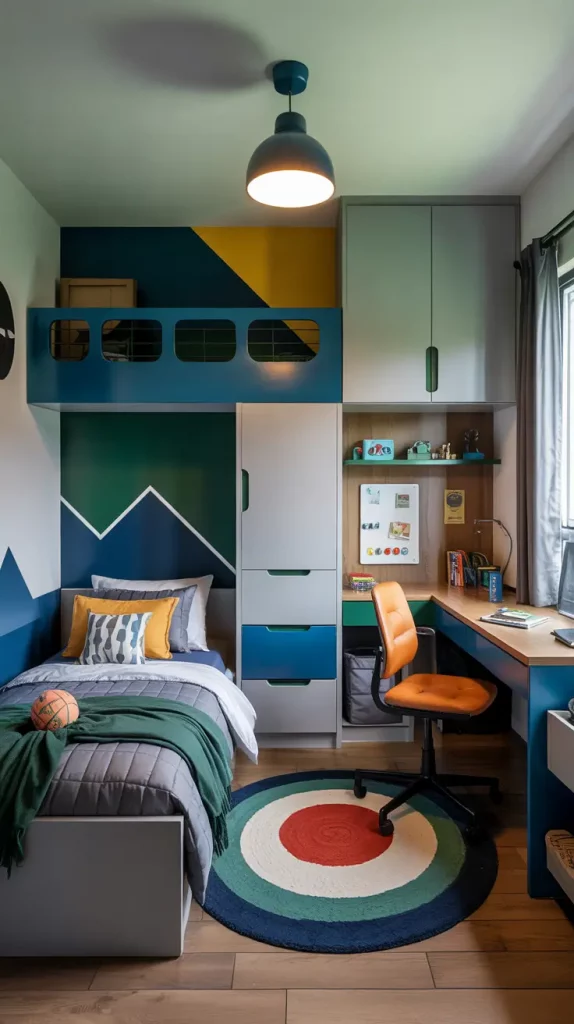
From my experience, subtle storytelling in design enhances engagement. Experts at Houzz note that rooms with “purposeful themes strengthen emotional connection.” If I expanded this section further, I would add strategies for balancing bold styles with long-term practicality.
Essential Kids Room Interior Elements For Modern Homes
When I consider essential elements of kids room interior, I focus on functionality, comfort, and sensory balance. A modern kids’ room must include spaces dedicated to rest, learning, and play. In 2026, these areas blend seamlessly through modular furniture, adjustable lighting, and thoughtful spatial planning. The goal is to create rooms that feel effortless and intuitive for children.
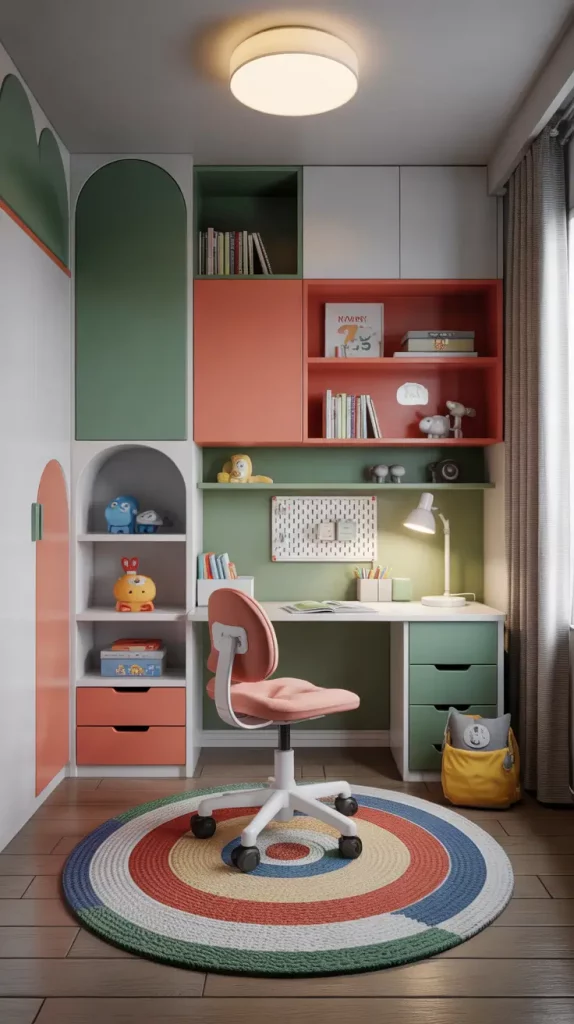
Core elements include ergonomic desks, supportive mattresses, layered lighting systems, and easily accessible storage. Every item should serve a purpose. Area rugs help define zones, while blackout curtains improve sleep quality. Wall-mounted shelves free up floor space and encourage organization without compromising design harmony.
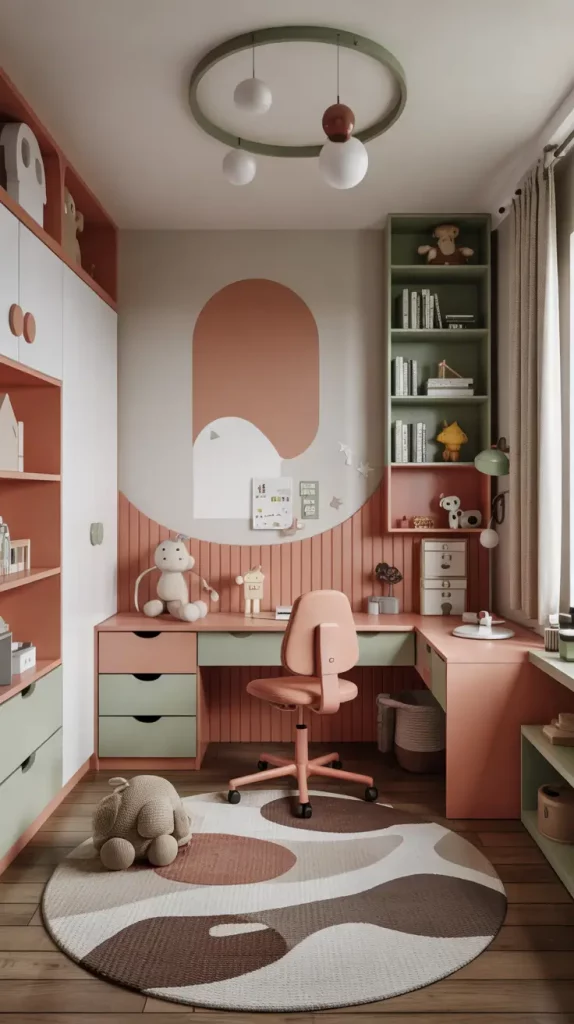
According to designers featured in Dwell, modern kids’ rooms require “flexibility as a foundational principle.” I agree wholeheartedly. If expanding this section, I’d add tips for incorporating multi-sensory décor to support calmness and focus.
Space-Saving Furniture Ideas For Small Kids Rooms
When working with compact rooms, I rely on clever solutions that maximize floor area while preserving comfort. Space-saving design is an essential part of kids room interior design, especially in smaller homes. In 2026, fold-away desks, trundle beds, and modular cubes remain ideal choices for kids’ rooms that need to multitask.
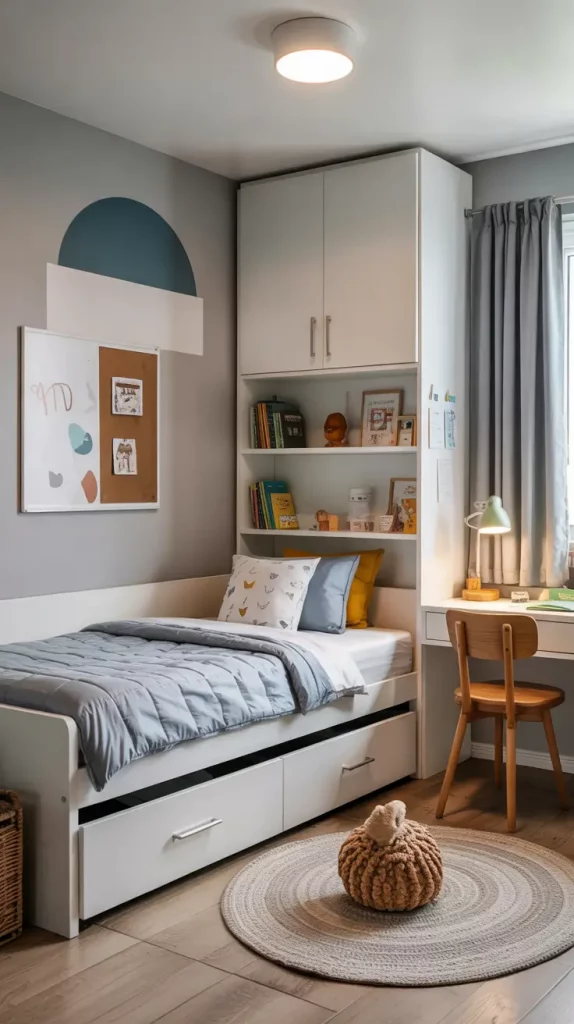
I typically use vertical storage: wall-mounted cabinets, high shelving, and tall wardrobes to keep the lower area open for movement. Under-bed drawers or built-in seating with hidden compartments add functional storage without visually crowding the space. Neutral colors and streamlined shapes also help small rooms feel more spacious.
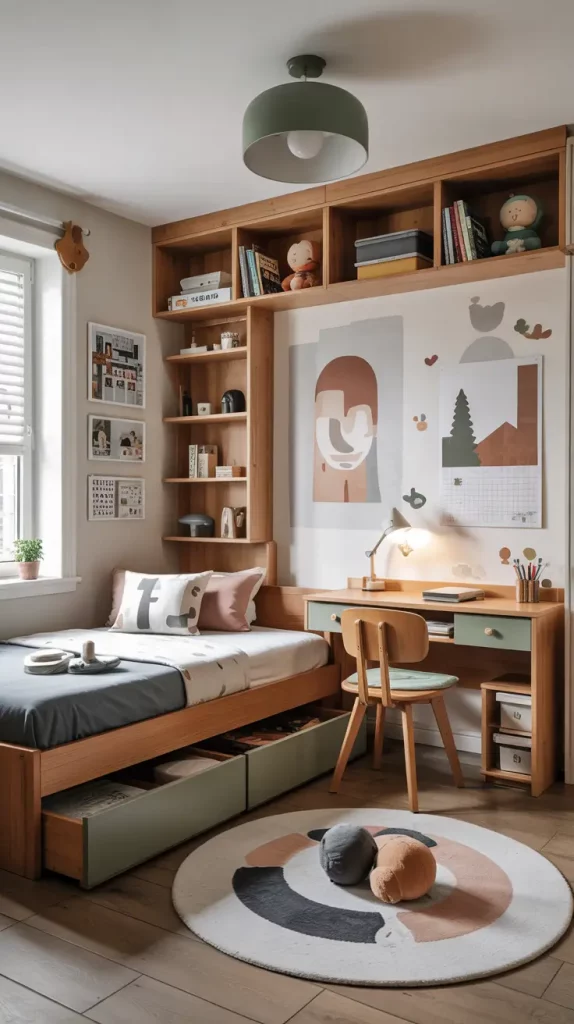
Interior experts at Domino emphasize the importance of “furniture that disappears when not in use,” and I’ve seen how this approach opens possibilities in tiny rooms. If expanding this section, I’d include tips for mirrored surfaces and lighting strategies to enhance perceived space.
Designing A Growth-Friendly Kids Room That Evolves With Age
When I approach designs intended to last, I focus on adaptability. A growth-friendly room is a core component of modern kids room interior design because children’s needs evolve quickly. In 2026, flexible layouts, adjustable desks, modular shelving, and neutral base palettes make transformation easier without full renovations.

Furniture must adapt: adjustable-height chairs, extendable beds, and storage that evolves with changing hobbies. I love incorporating cork boards, open bookshelves, and art display systems to give kids the freedom to update their environment as they grow. Choosing timeless colors avoids frequent repainting.
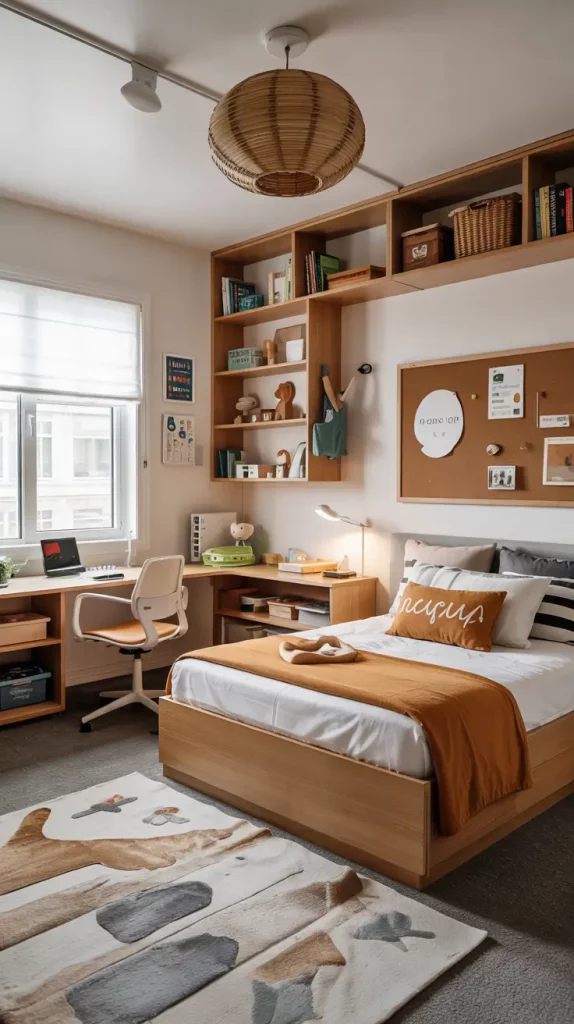
Designers at Architectural Digest highlight that “rooms built on flexibility save families significant time and money.” I agree, and I’ve seen firsthand how a growth-friendly design supports independence and creativity. If I expanded this section, I’d include guidance on planning ahead for teen years.
Color Psychology In Kids Room Design
When selecting palettes for kids room design, I rely heavily on color psychology. In 2026, parents gravitate toward colors that promote emotional well-being—soft greens for calm, blues for focus, warm yellows for joy, and neutrals for grounding. Understanding how color affects mood helps create spaces that feel intentional and nurturing.
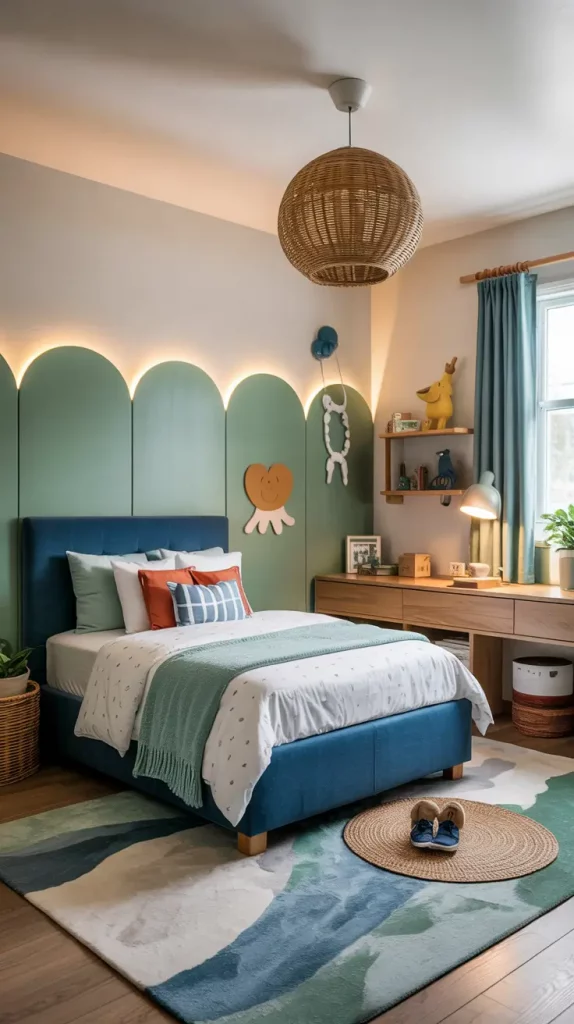
I typically pair calming wall colors with brighter accents through bedding, rugs, or décor. This approach maintains balance while allowing flexibility as tastes change. Using natural materials—wood, cotton, linen—helps harmonize the palette and prevents overstimulation. I also ensure that lighting complements the chosen colors to prevent dullness.
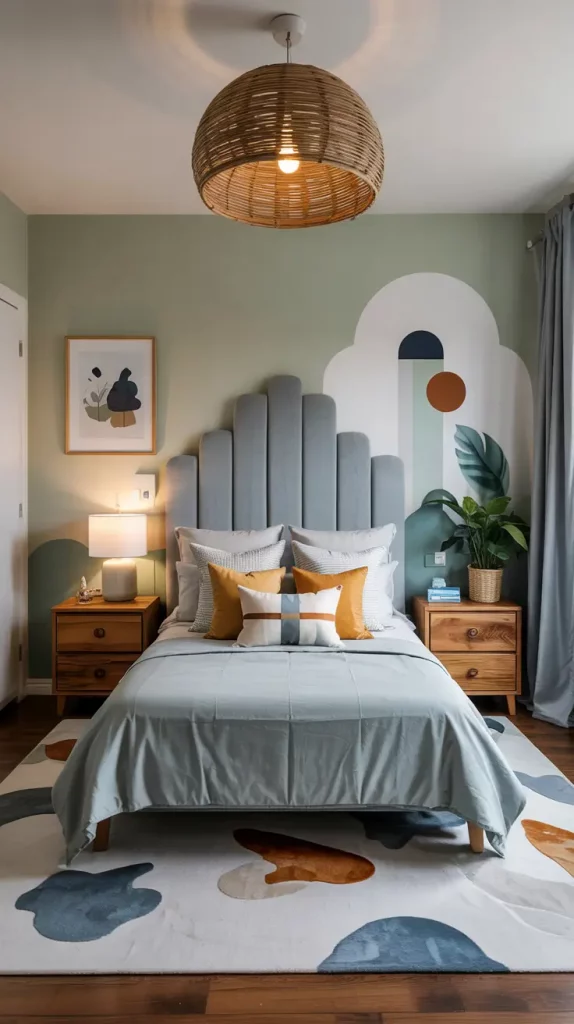
Psychologists interviewed in Parents Magazine emphasize that “color impacts emotional regulation,” something I’ve seen reflected in real design projects. If expanding this section, I would add a guide to pairing colors effectively for different age groups.
Eco-Friendly And Sustainable Kids Room Ideas
When I design eco-friendly rooms, I focus on sustainability, natural materials, and long-term usability. In 2026, environmentally conscious kids room ideas incorporate low-VOC paints, organic textiles, and FSC-certified wood furniture. I’ve noticed parents increasingly prioritizing wellness-centered interiors, and I believe sustainable design plays a major role in creating a healthier environment for children. These choices make the room safer, cleaner, and more connected to nature.
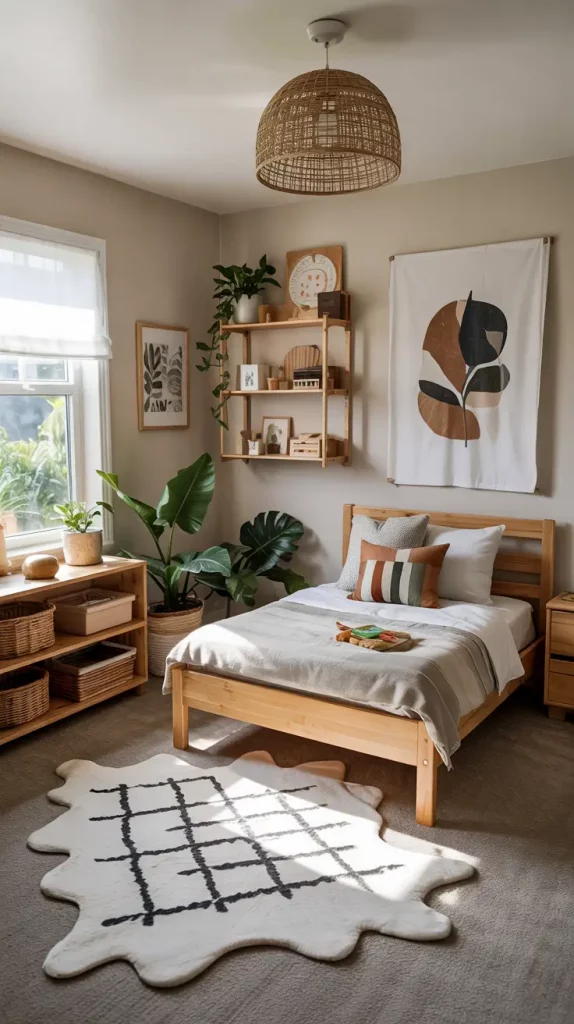
I usually select wool rugs, bamboo shelving, organic cotton bedding, and furniture made from reclaimed or sustainably sourced wood. These pieces not only support environmental responsibility but also age well, giving the room timeless appeal. Natural lighting and energy-efficient bulbs also contribute to eco-friendly performance while enhancing the ambiance.
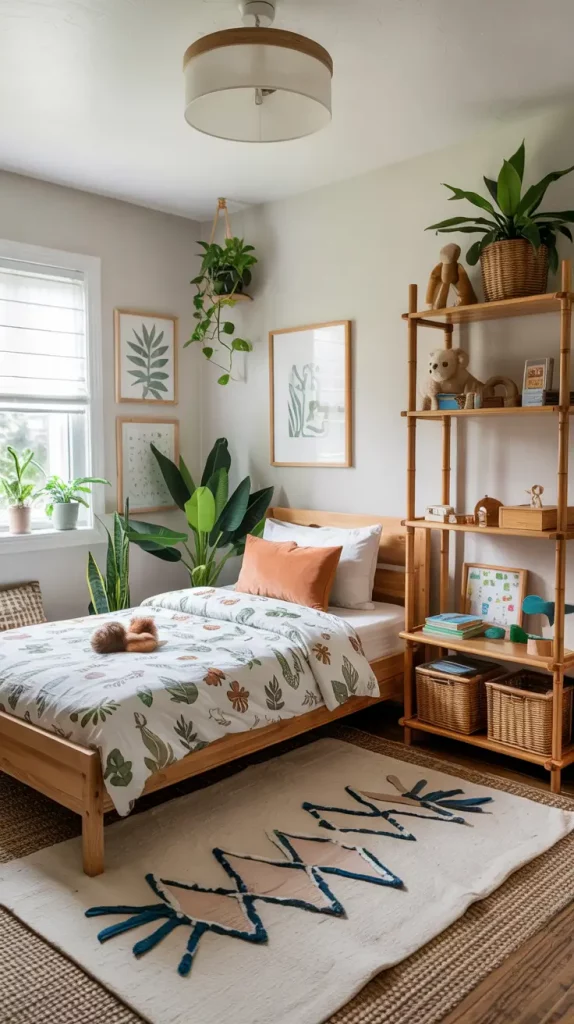
Experts at Green Building Advisor emphasize choosing “materials that breathe,” and I fully agree. If expanding this section, I would include more guidance on air-purifying plants and natural ventilation strategies for improved indoor quality.
Lighting Ideas That Transform Any Kids Room
When planning lighting for kids room interior, I start by dividing the room into ambient, task, and accent lighting. For 2026, layered lighting is essential because it adapts to different activities—studying, reading, playing, and sleeping. I aim to make lighting flexible and child-friendly, ensuring the room feels inviting and balanced throughout the day.

Essential fixtures include overhead dimmable lights, desk lamps for focused tasks, and soft nightlights for comfort. I often incorporate wall sconces or LED strips behind shelves or beds to create a warm, modern look. Adjustable lamps allow kids to control brightness on their own, helping build independence while maintaining safety.
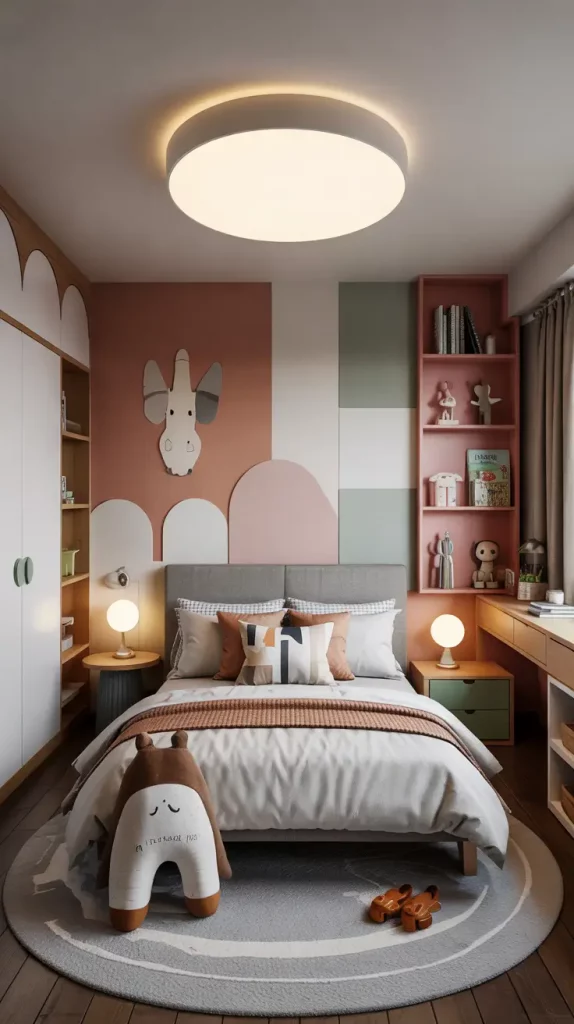
Lighting designers in Architectural Digest recommend “keeping shadows minimal in learning zones,” which I’ve applied successfully in my projects. If expanding this section, I’d add tips for integrating smart lighting systems tailored to children’s routines.
Creative Storage Solutions For Organized Kids Rooms
When optimizing storage, I think about accessibility and ease of maintenance. Creative storage is essential for kids room organization, especially in households with many toys or school supplies. In 2026, hidden compartments, under-bed drawers, built-in benches, and wall-mounted grids become popular for keeping clutter under control while maintaining a modern aesthetic.
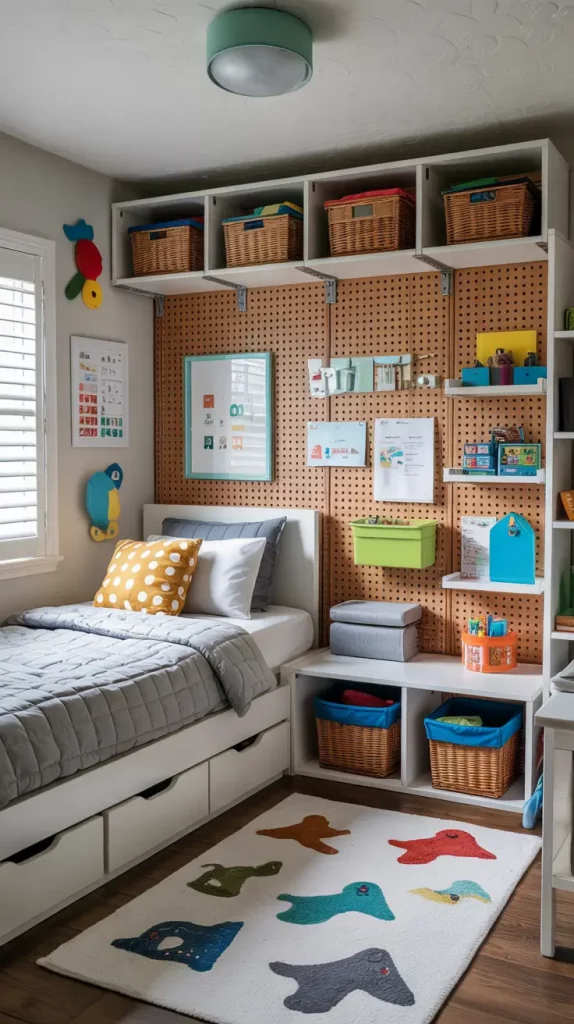
I often integrate labeled baskets, modular cabinets, and shelving systems that can shift as the child grows. Pegboards above desks are excellent for storing craft materials, while drawer dividers help maintain order without overwhelming kids. I also like adding soft bins for quick cleanups, making organization feel practical rather than stressful.
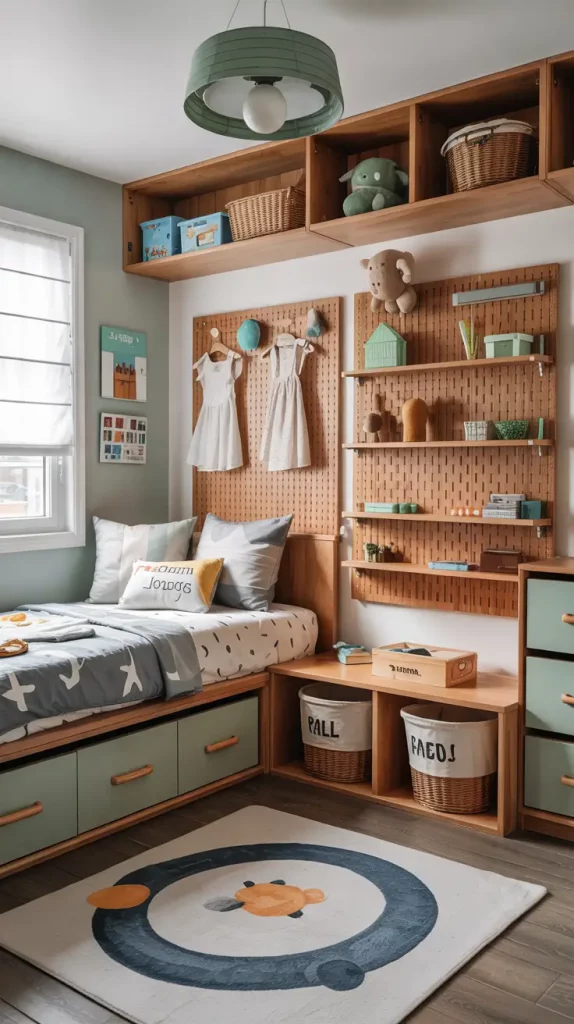
Professional organizers featured in Real Simple emphasize that storage should “teach children responsibility through ease of use,” and I absolutely agree. If expanding this section, I would recommend combining closed and open storage to create visual harmony.
Play Zones And Learning Corners For Functional Kids Rooms
When designing functional rooms, I aim to create clear zones for different activities. Dividing the space helps reinforce routines and supports development. In 2026, incorporating play zones and learning corners is essential to modern kids room interior design, allowing kids to move fluidly between creativity and focus.
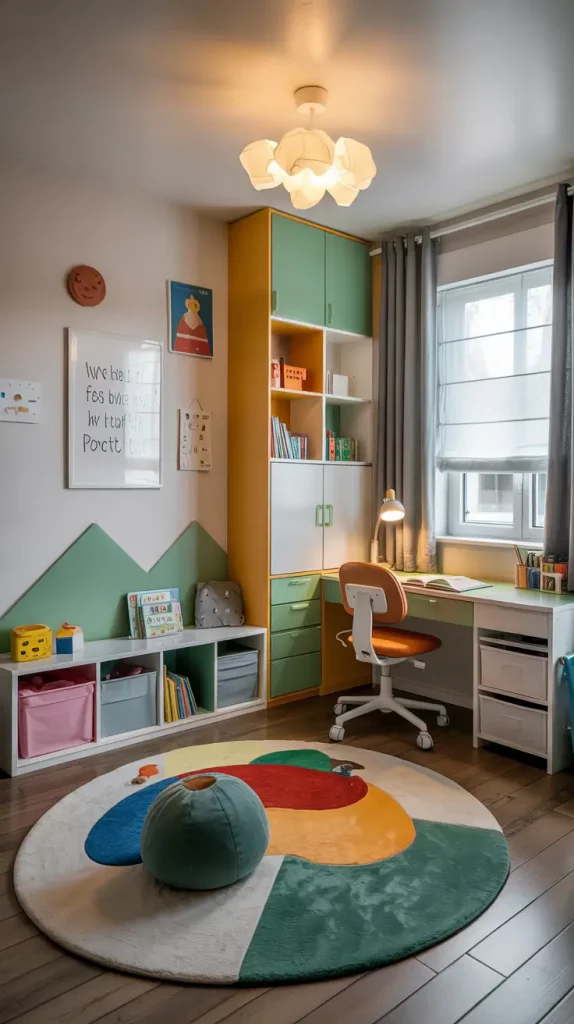
I typically design play areas with soft mats, open shelving, and interactive décor like building blocks or art walls. Learning corners often feature ergonomic desks, adjustable chairs, and proper lighting to enhance concentration. I also like adding reading nooks with comfortable seating to encourage quiet time and literacy.
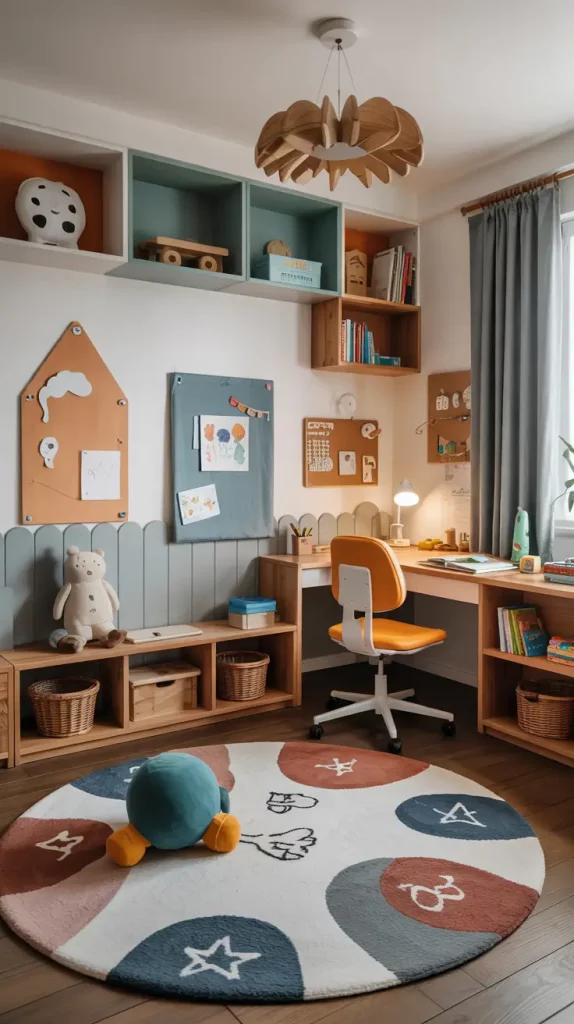
Design experts at HGTV often highlight zoning as “the foundation of purposeful children’s spaces,” and I’ve found this to be true. If expanding this section, I’d suggest adding room dividers, curtains, or pegboard walls for more defined transitions.
Affordable Kids Room Makeover Ideas For Every Budget
When clients ask for budget-friendly upgrades, I always start with changes that create maximum visual impact at minimal cost. Affordable remodeling is perfectly achievable in kids room design, especially when focusing on paint, textiles, and smart organizational shifts. In 2026, cost-effective transformations prioritize creativity over expensive materials.
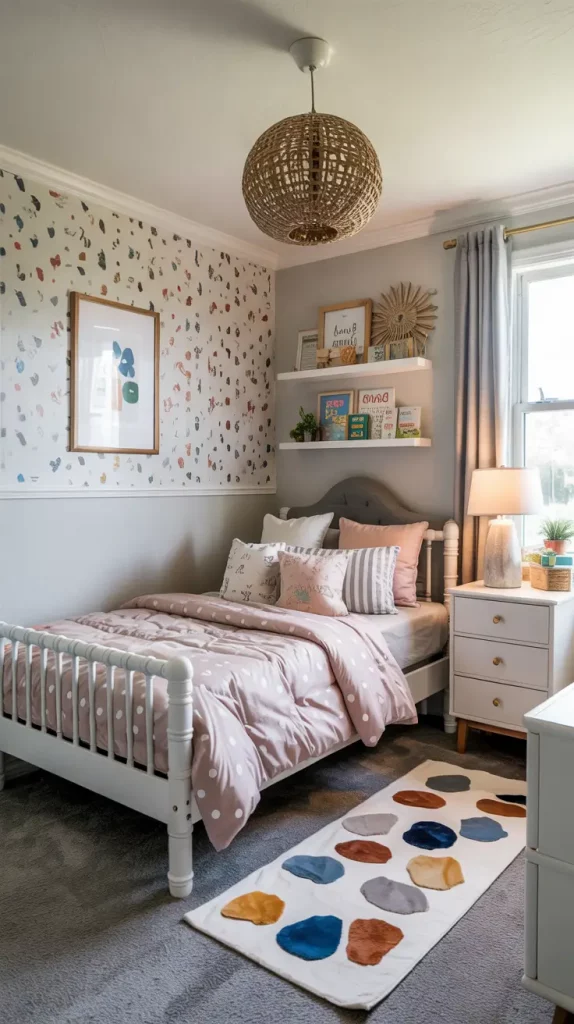
I often recommend peel-and-stick kids room wallpaper, fresh bedding sets, statement rugs, or updated lighting. These items instantly elevate the room without requiring structural changes. Repainting furniture, adding open shelving, or repurposing décor also stretches the budget further. Small accents—throw pillows, wall decals, storage baskets—make a big difference.
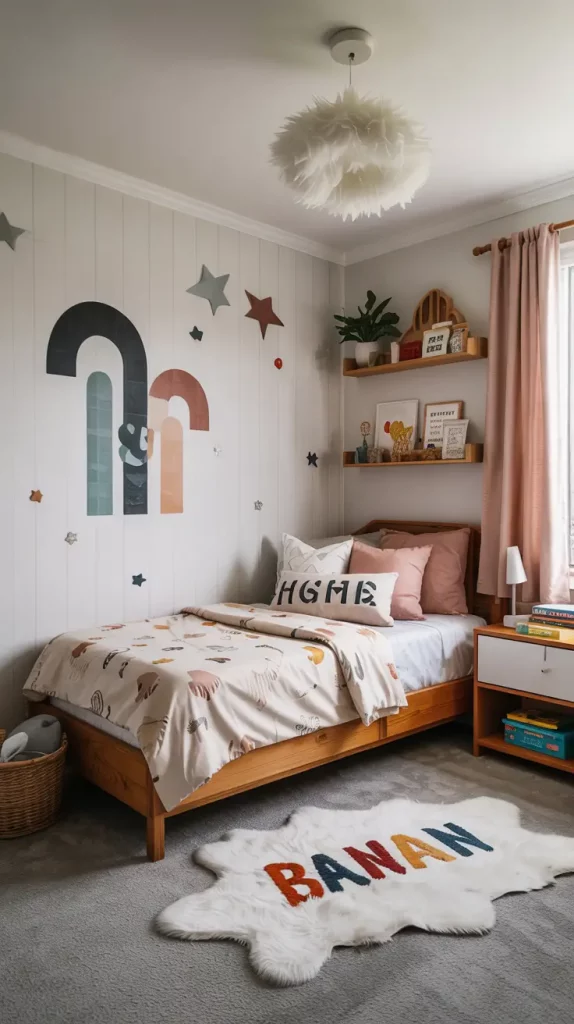
Designers at Good Housekeeping emphasize that “edit first, buy second,” which aligns with my philosophy. Clearing clutter reveals what truly needs updating. If expanding this section, I would add tips for DIY refurbishing projects that extend the life of existing furniture.
Artistic Wall Decor Ideas Beyond Wallpaper
When clients look beyond kids room wallpaper, I introduce artistic wall décor options that feel expressive yet refined. In 2026, wall décor expands to include fabric panels, 3D wall art, murals, and magnetic paint surfaces. These choices allow the room to feel creative without overwhelming its structure. I strive to find elements that inspire imagination while remaining cohesive with the overall design palette.
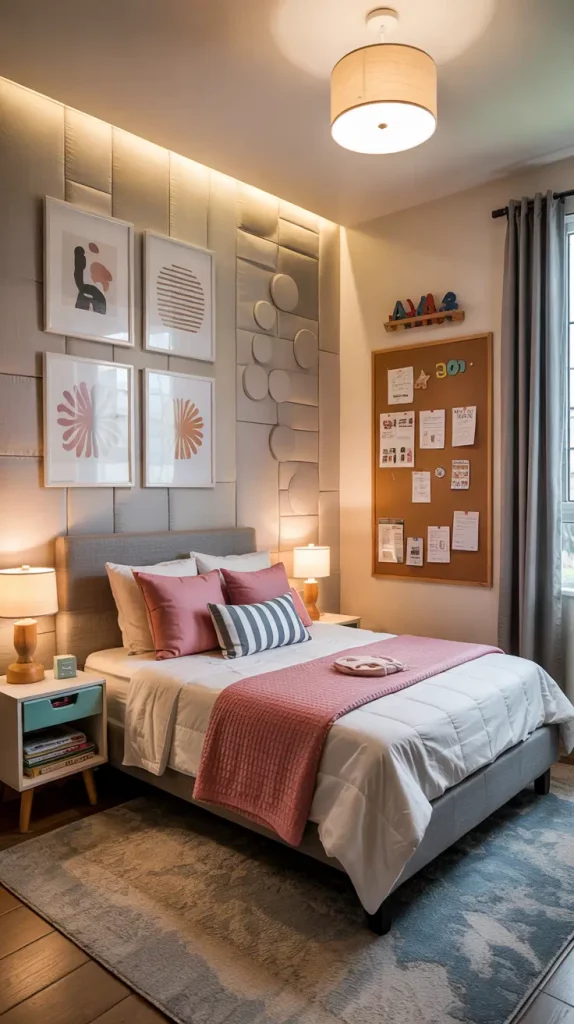
I often select framed prints, wooden wall sculptures, fairy lights, or memory boards to curate a layered, dynamic display. Canvas art in soft colors helps anchor the room, while customizable pinboards allow kids to show their evolving interests. Peel-and-stick murals offer flexibility and easy changes as styles shift.
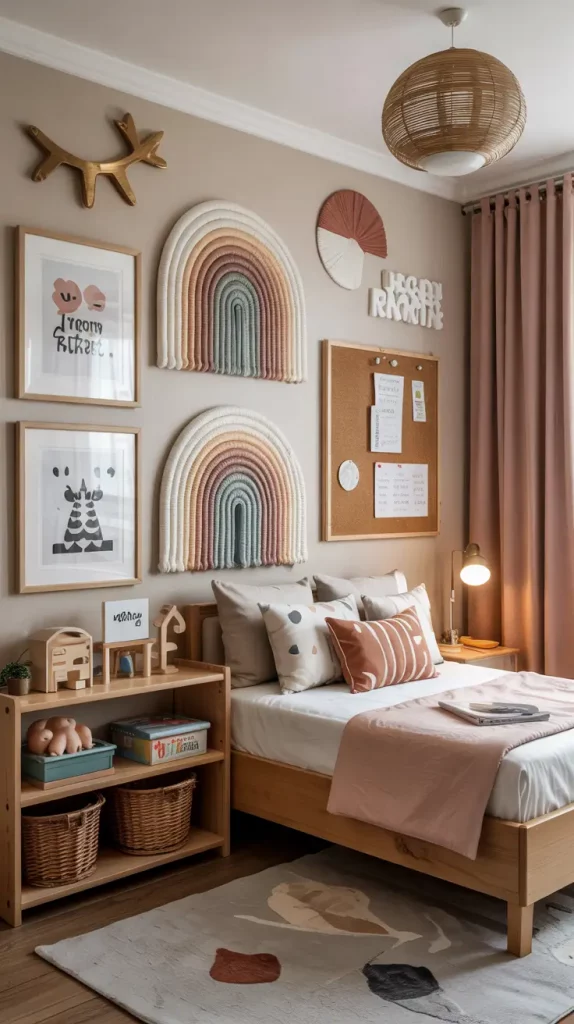
Experts at House Beautiful frequently note that wall décor should “reflect the child’s lifestyle and growth,” which I find profoundly accurate. If expanding this section, I’d add guidance on mixing multiple types of wall art without creating visual clutter.
Cozy Bedding And Textiles For Modern Kids Rooms
When I design around bedding and textiles, I prioritize comfort, durability, and style. Textiles are the easiest way to refresh kids room decor, and in 2026, layering becomes a key trend. I love mixing cotton quilts, chunky knit throws, and patterned pillows to give the room warmth and personality. Soft textures help ground the space emotionally and make it feel safe.
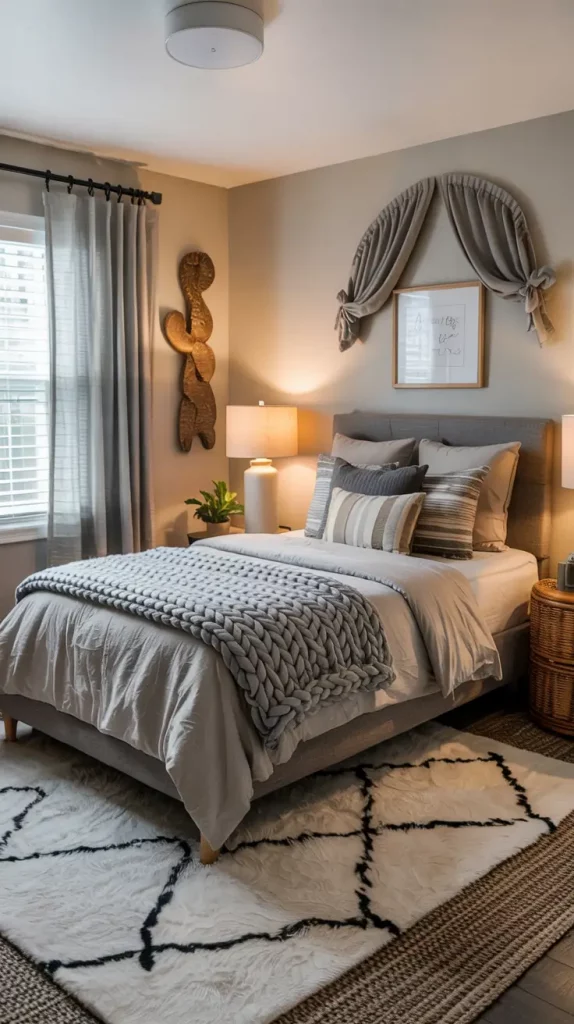
I usually select machine-washable fabrics, hypoallergenic materials, and breathable fibers that support healthy sleep. Coordinating bedding with rugs, curtains, and cushions creates a cohesive palette. Lightweight canopies or draped fabrics add softness and charm without overwhelming the interior.
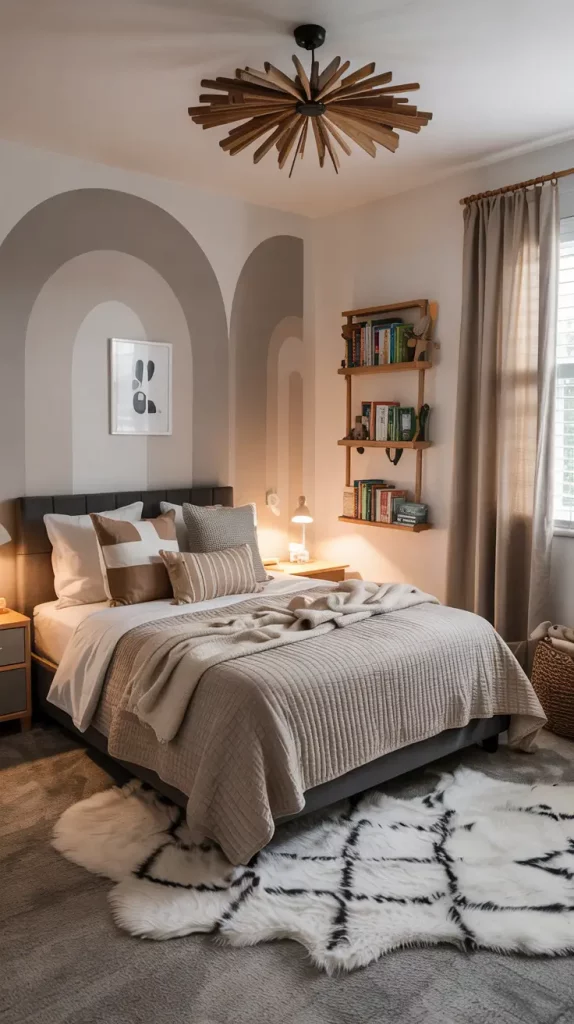
Experts at Sleep Foundation emphasize the importance of temperature-regulating textiles for children. I agree, as comfort directly influences sleep quality. If expanding the section, I’d suggest color combinations that pair well with different furniture finishes.
Safety-First Design Principles For Kids Rooms
When I design with safety in mind, I prioritize materials, layout, and functionality. Safety remains one of the most important considerations in kids room design, and in 2026, manufacturers offer more child-friendly finishes, rounded furniture, and low-to-the-ground setups that reduce risk. I always make sure the room feels secure yet comfortable, allowing kids to move freely without hazards.
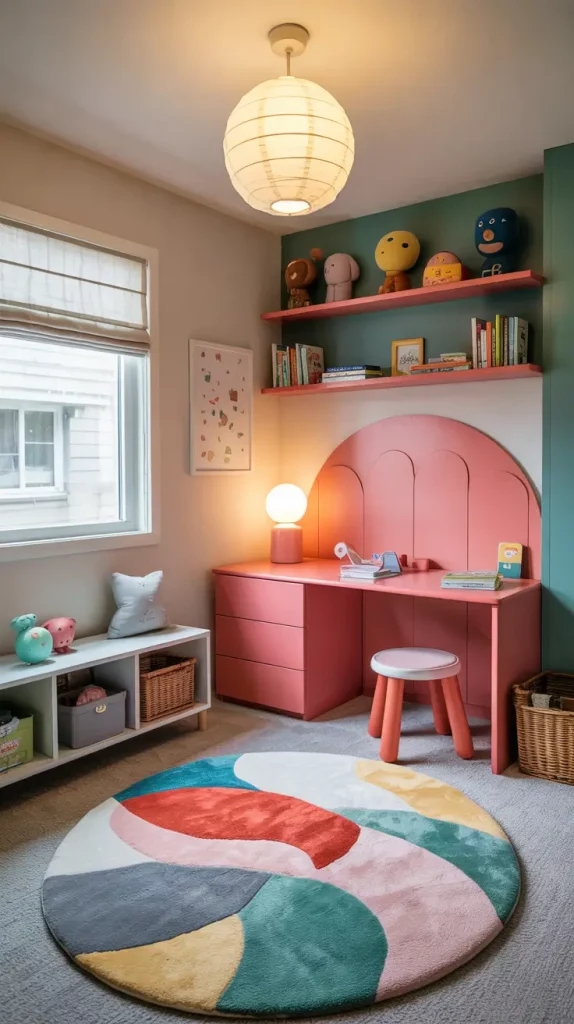
I typically choose stable furniture, anti-tip wall anchors, soft rugs, cord-free blinds, and LED lighting to ensure maximum protection. Electrical outlets are covered, chemicals are minimized, and all décor items are lightweight or securely mounted. Using non-toxic paints and soft-edge furniture further enhances safety while keeping the space aesthetically pleasing.
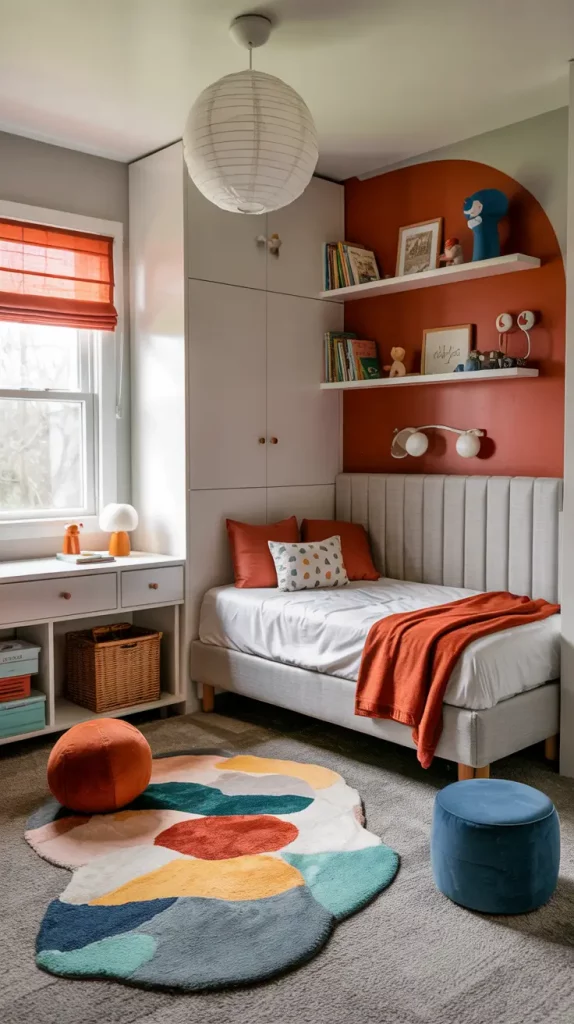
Many U.S. interior designers, including those at Architectural Digest, emphasize safety as “the foundation of every functional kids’ room.” I completely agree. If I expanded this section, I would include strategies for baby-proofing transitional rooms so they adapt as children grow.
Tech-Integrated Kids Room Ideas For 2026
When I integrate technology into a child’s room, my goal is to enhance daily routines without overwhelming the space. In 2026, tech-forward kids room ideas incorporate smart lighting, voice-controlled devices, ergonomic study gadgets, and interactive learning tools. I always ensure the room supports productivity while maintaining a calm, balanced atmosphere.
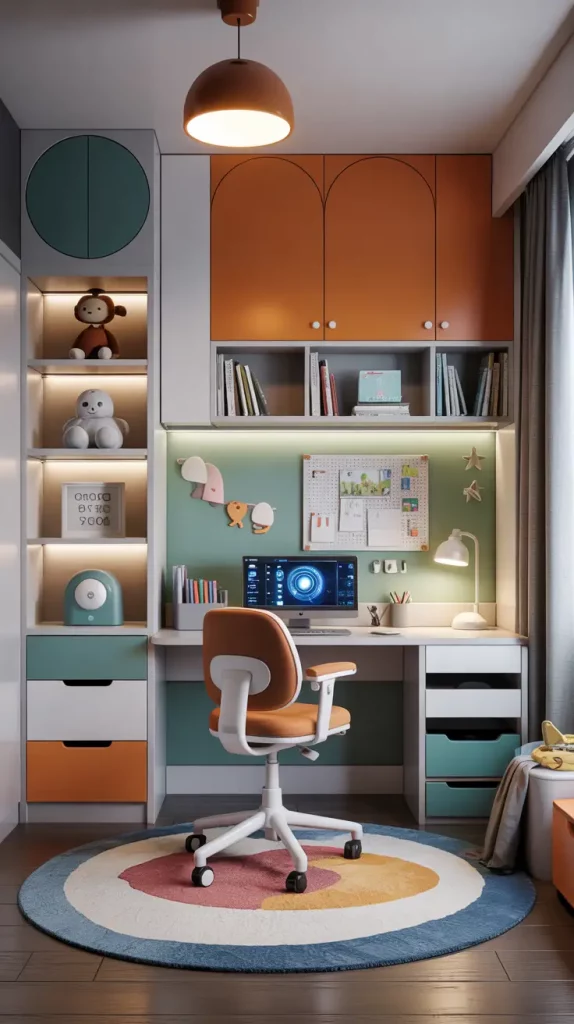
I often recommend adjustable smart lamps, Bluetooth speakers for white noise, digital art frames, and smart organizational tools like app-controlled storage labels. For schoolwork, height-adjustable desks and blue-light–filter monitors help protect posture and eyes. Tech zones are kept tidy using hidden cable systems and dedicated charging drawers.
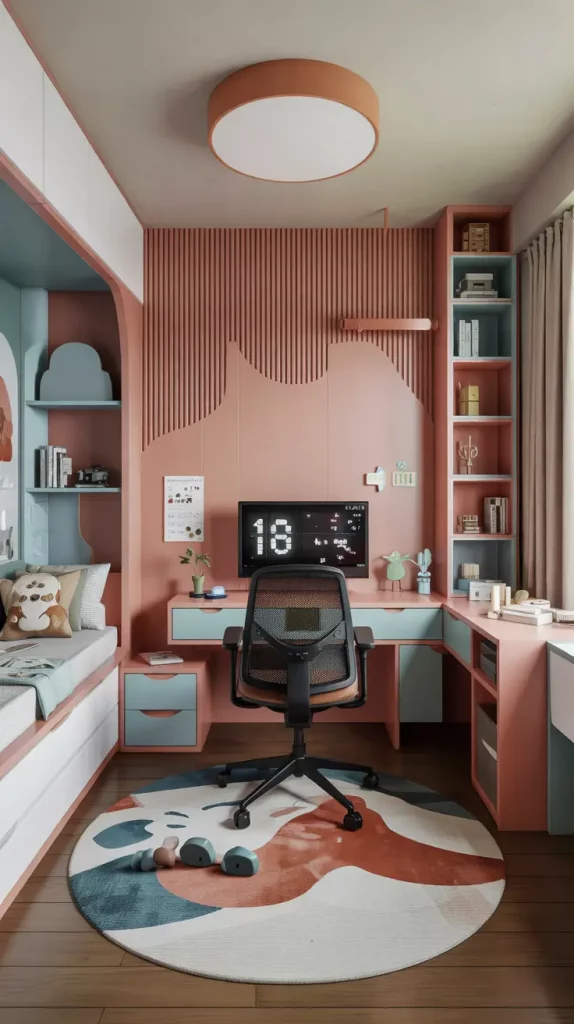
Experts at Wired Magazine often remind readers that technology should “blend into the environment rather than dominate it.” I follow this principle closely. If expanding this section, I’d include tips for screen-free tech, such as projectors for storytelling instead of televisions.
DIY Kids Room Decor And Kids Can Create Together
When I guide families toward DIY projects, I focus on creativity, bonding, and customization. DIY is an accessible way to elevate kids room decor, especially when children participate. In 2026, DIY trends include painted murals, handmade garlands, custom canvas art, and refurbished furniture. These elements add personality and spark imagination.
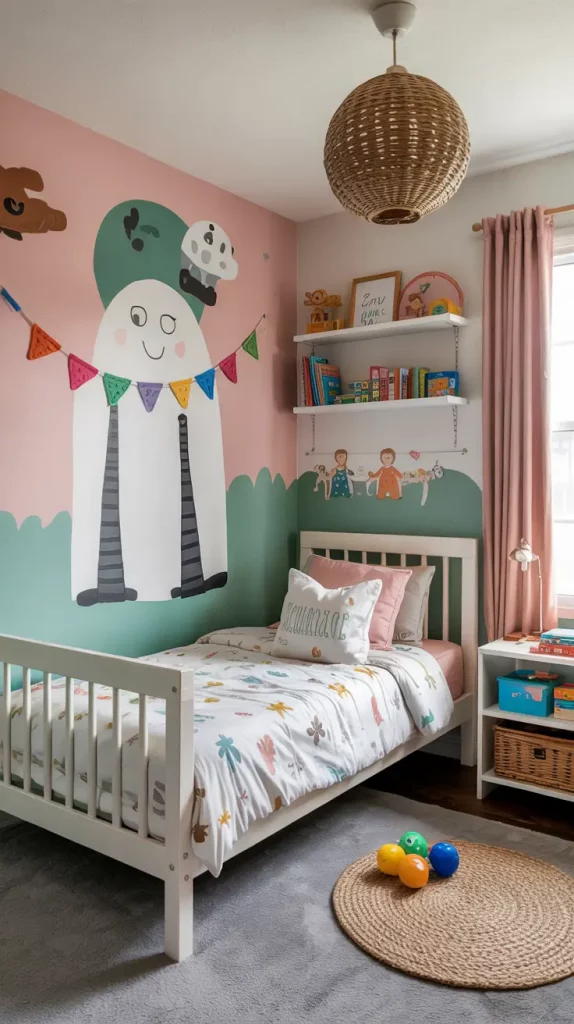
I usually recommend projects such as repainting old nightstands, creating memory boards, designing wall art with stencils, or assembling simple cloud-shaped shelves. Using safe, washable materials ensures that kids can participate without worry. Handmade décor items give the room emotional depth and serve as lasting keepsakes.
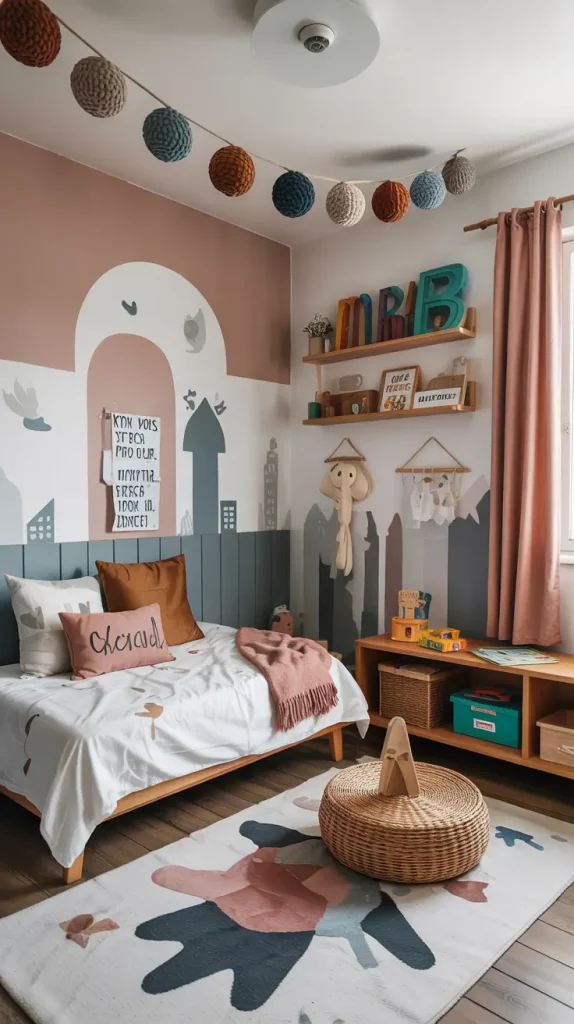
Design experts in Good Housekeeping frequently emphasize the value of “interactive décor,” which strengthens the connection between a child and their space. If expanding this section, I’d include more ideas for seasonal DIY updates that keep the room feeling fresh year-round.
Best Layout Ideas For Kids Rooms Of All Sizes
When choosing layouts, I focus on movement flow and zoning. Good layouts are essential in kids room interior design, whether the space is large or compact. In 2026, designers prioritize clarity: defined sleep areas, study corners, storage zones, and play sections. This approach reduces chaos and boosts functionality regardless of room size.
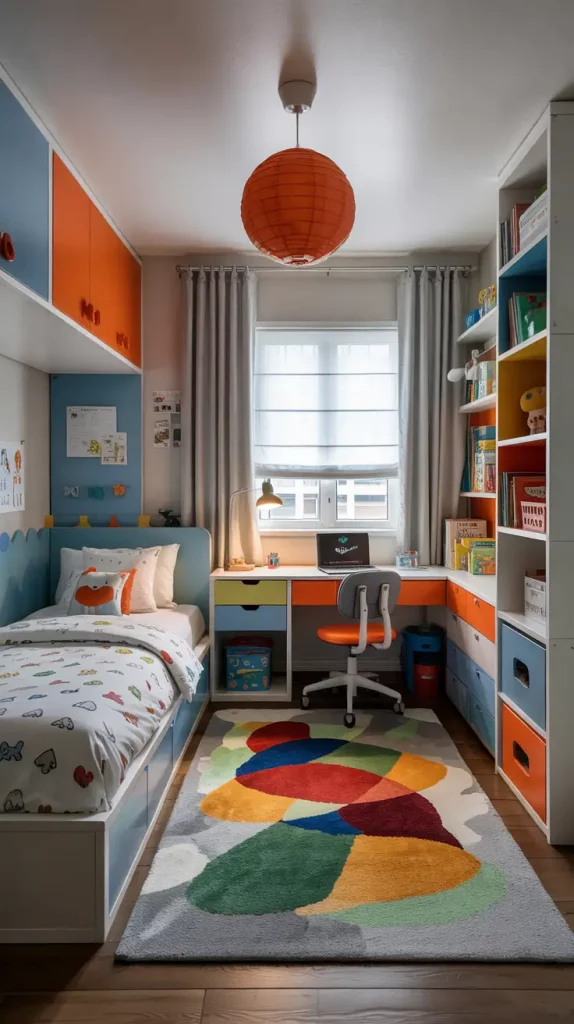
I often position beds against the longest wall, add desks near windows for natural light, and place storage where kids can easily reach it. Using rugs to separate zones creates visual structure without adding physical barriers. In smaller rooms, I rely on vertical layouts and multifunctional furniture.

Designers at HGTV note that balanced layouts “help children navigate their routines independently,” which I see repeatedly in family homes. If expanding, I’d add advice on Feng Shui-inspired placement for better energy flow and calmness.
Themed Kids Room Ideas That Spark Imagination
When families request themed rooms, I focus on designs that stimulate imagination without locking the child into a style that won’t age well. Themed kids room ideas in 2026 include nature motifs, space exploration, under-the-sea worlds, fairy-tale aesthetics, and adventure-inspired concepts. My goal is to create a theme that feels magical yet remains flexible.
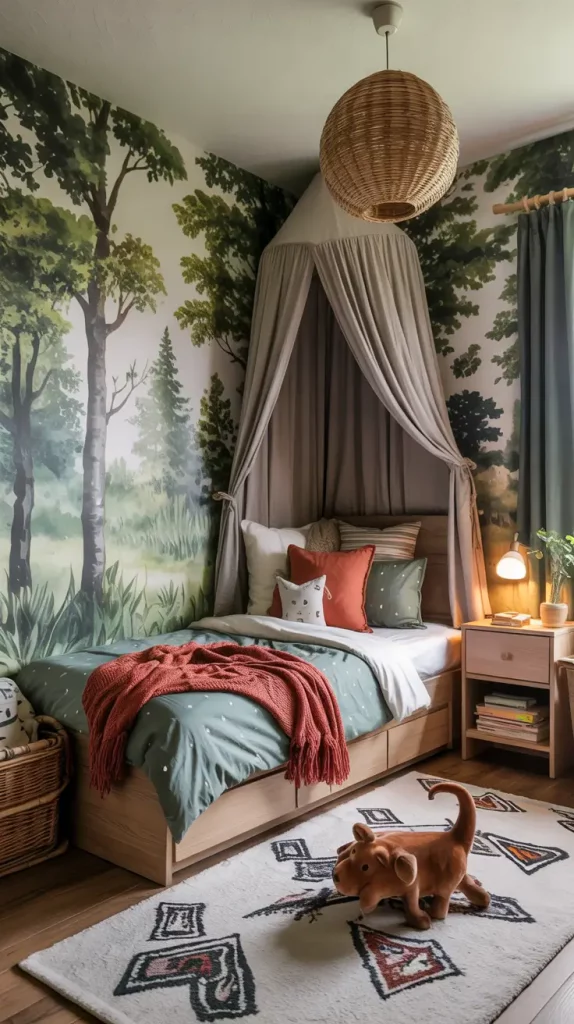
I start with a neutral base and build the theme through bedding, wall art, decals, lighting, and accessories. A forest theme might include woodland wallpaper, a canopy “treehouse,” and earthy textiles, while a space theme might feature galaxy decals and metallic accents. Themed décor should be easy to update as the child grows.
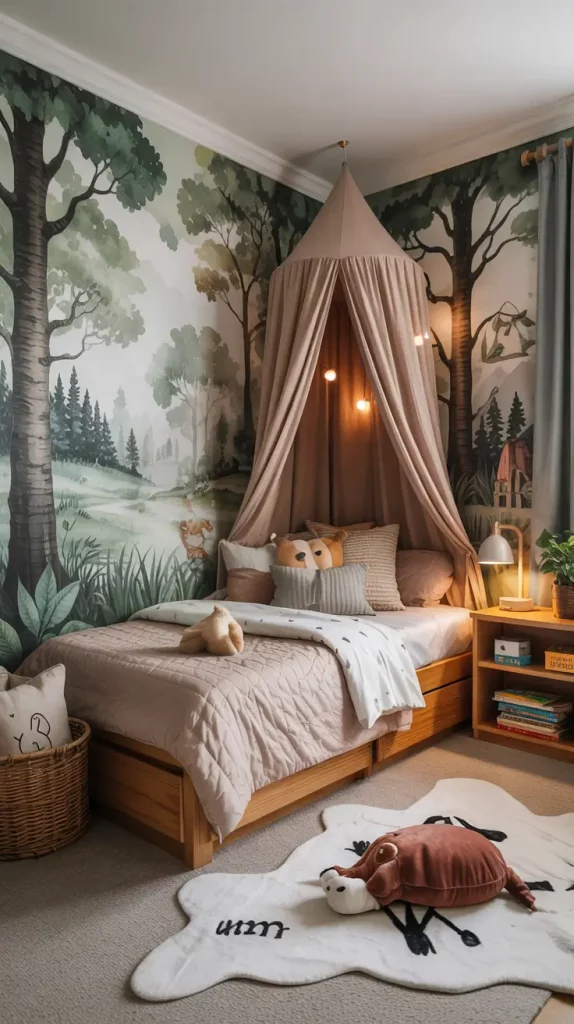
Experts at Parents Magazine highlight that themes work best when anchored by “one bold feature and several subtle accents.” I agree completely. If expanding, I’d include tips for blending themes with growth-friendly furniture.
Multi-Functional Furniture For Growing Families
When I recommend furniture, I look for pieces that can adapt as the child ages. Multifunctionality is crucial in kids room interior design, especially for families needing flexibility. In 2026, convertible furniture leads the market—beds that extend, desks that rise, shelves that reconfigure, and benches that double as storage.
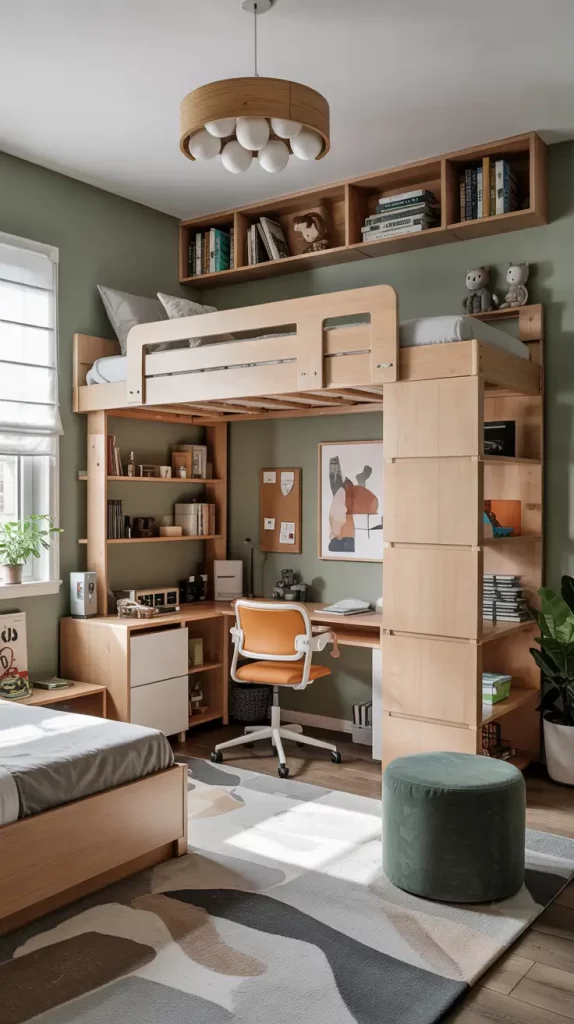
I often choose loft beds with desks underneath, toy chests that serve as seating, and shelving units that stack or separate. These pieces save space while enhancing usability. Softer elements like poufs or foldable chairs give kids options without cluttering the room. Neutral finishes help multifunctional items blend with future styles.

Experts from Apartment Therapy emphasize that “modularity is the future of children’s rooms,” which aligns perfectly with my experience. If expanding this section, I’d add a buying guide for choosing long-term investment pieces.
A Kids Room That Inspires Joy And Comfort
When wrapping up a project, I always come back to the essentials: balance, function, and emotional comfort. A truly successful kids room design blends aesthetics with practicality, allowing the child to feel safe, inspired, and understood. In 2026, the best designs emphasize adaptability, sensory comfort, and family-centered decision-making.
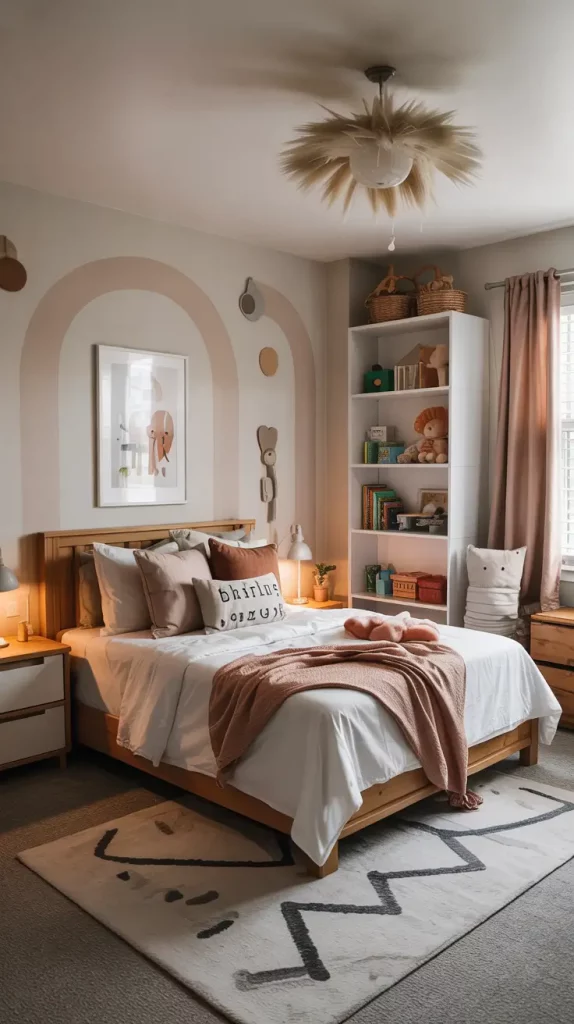
I start by reviewing the room’s lighting, color palette, storage, and layout. I make sure everything feels intuitive and visually coherent. Then I add décor and personalization that reflects the child’s personality. These final touches ensure the room feels joyful and meaningful, not generic.
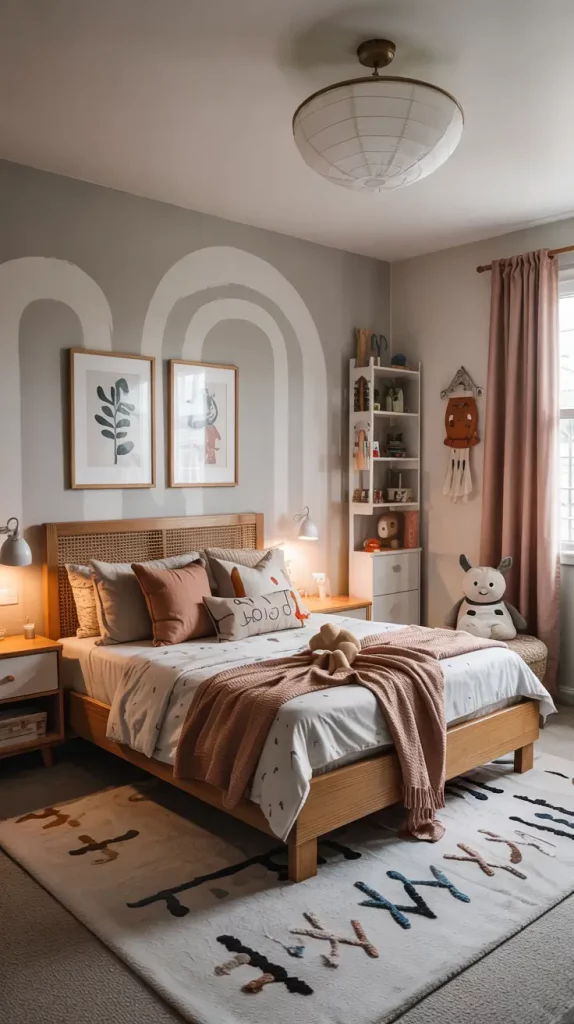
Designers interviewed by Elle Decor often say, “A child’s room should evolve with their story.” I wholeheartedly agree. If expanding, I’d include an extra checklist for parents to ensure the room remains functional for years.
Conclusion
Designing a kids’ room in 2026 means embracing comfort, creativity, adaptability, and emotional well-being. I hope these ideas help you plan a space your child will truly love. If you have questions or want to share your own experience, feel free to leave a comment—I’d be happy to continue the conversation.