What will define modern front yards in 2026, and how can you turn your exterior into a stylish, functional extension of your home? Today’s modern front yard landscaping is no longer just about curb appeal—it’s about lifestyle, sustainability, and smart design. From bold modern front yard designs to practical modern front yard ideas, homeowners are rethinking how outdoor spaces work and feel.
In this article, I’ll walk you through the most актуальные approaches to modern front yard landscaping ideas, including structure, materials, and planning strategies. Whether you’re designing a modern front yard landscape from scratch or upgrading your current space, these insights will help you create something both timeless and forward-thinking.
Modern Front Yards 2026: The Evolution Of Outdoor Living
I see modern front yards in 2026 as a seamless extension of indoor living. The front yard is no longer decorative—it becomes a usable space for relaxation, social interaction, and visual storytelling. I design these areas with open layouts, defined zones, and a strong connection between architecture and landscape.
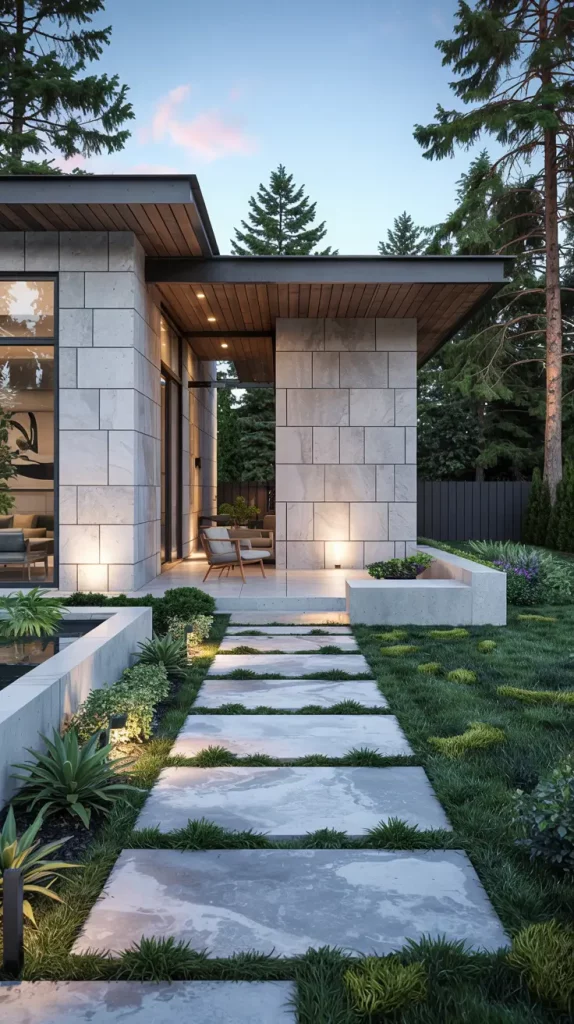
In practice, I include modular seating, integrated planters, and subtle lighting to create an inviting environment. Materials like concrete, wood, and steel dominate, forming the backbone of a modern front yard landscape. Clean walkways and layered greenery ensure both structure and softness.
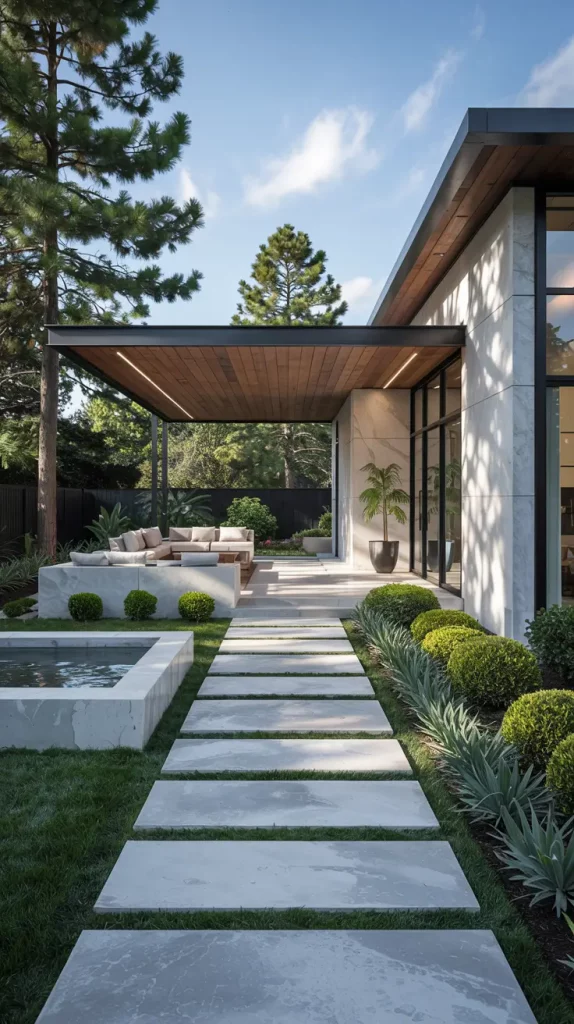
Personally, I’ve noticed that clients increasingly want their front yard to reflect their personality. Inspired by platforms like Architectural Digest, I always aim for balance—minimalism with warmth.
I would add more emphasis on seasonal usability—such as weather-resistant furniture and adaptable layouts—to fully complete this concept.
Modern Front Yard Landscaping Trends That Define 2026 Style
When I approach modern front yard landscaping, I focus on trends that prioritize simplicity, sustainability, and bold geometry. In 2026, we see strong horizontal lines, drought-tolerant plants, and multifunctional spaces becoming the standard.
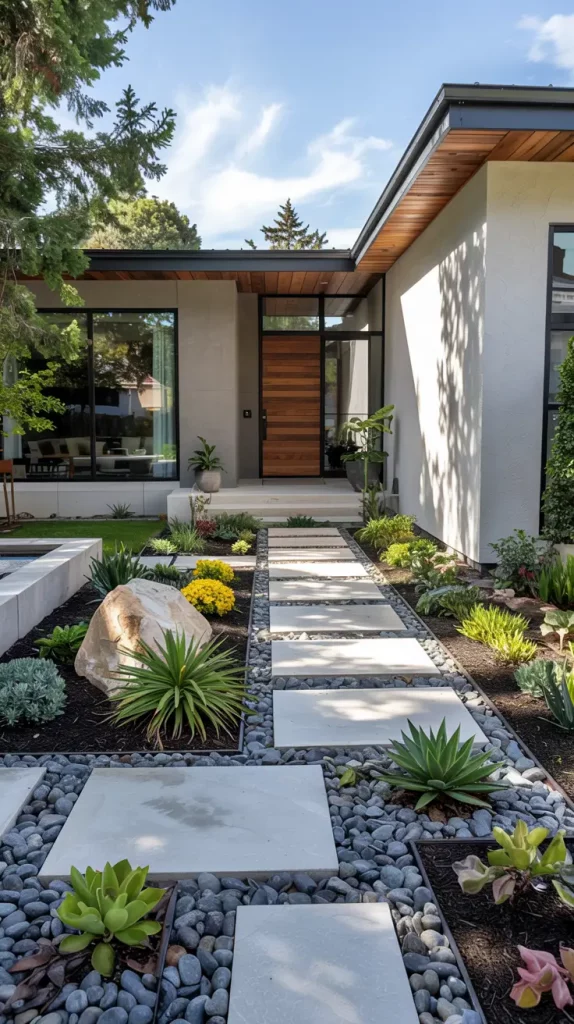
I often use gravel beds, sculptural plants, and minimalist lawns to create a refined look. Smart irrigation systems and native planting are essential in modern planning. These elements ensure the yard remains low-maintenance yet visually impactful.
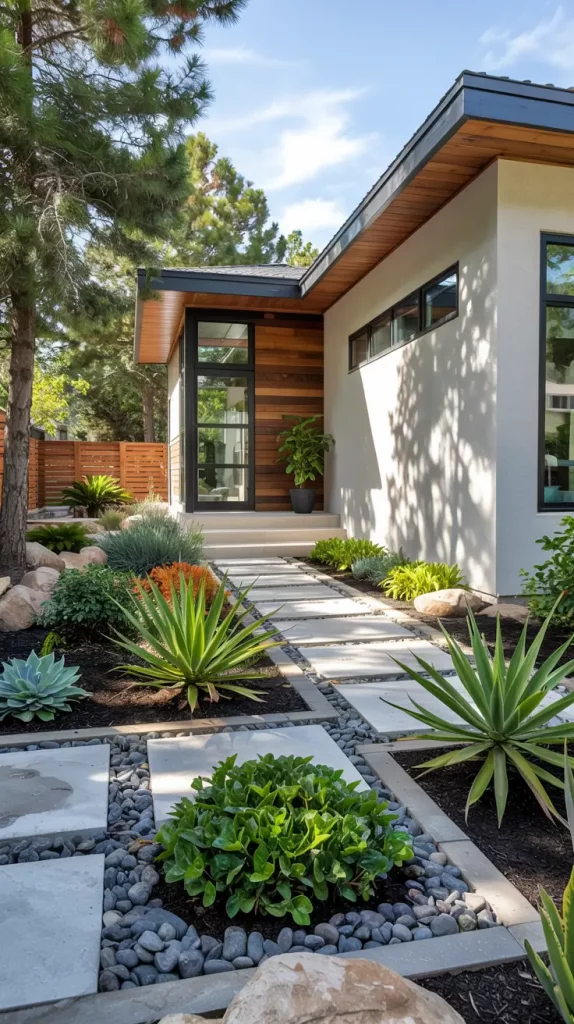
From my experience, trends come and go—but functionality stays. Sources like Houzz highlight that homeowners now prioritize usability over decoration, which aligns with my design philosophy.
To enhance this section, I would include more examples of climate-specific adaptations, as trends can vary significantly depending on the region.
Minimalist Modern Front Yard Designs For Clean Aesthetics
Minimalism is at the core of many modern front yard designs, and I always start with the principle of “less but better.” Clean lines, open space, and intentional placement define the overall look.
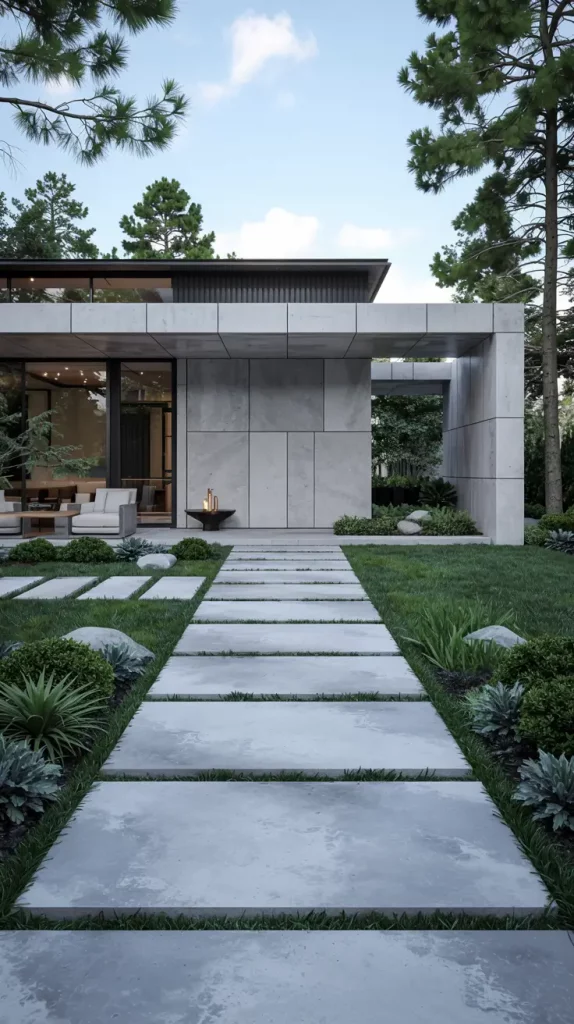
I typically include large-format pavers, monochromatic palettes, and a limited selection of plants. Each element serves a purpose—nothing is purely decorative. This approach enhances visual clarity and reduces maintenance.
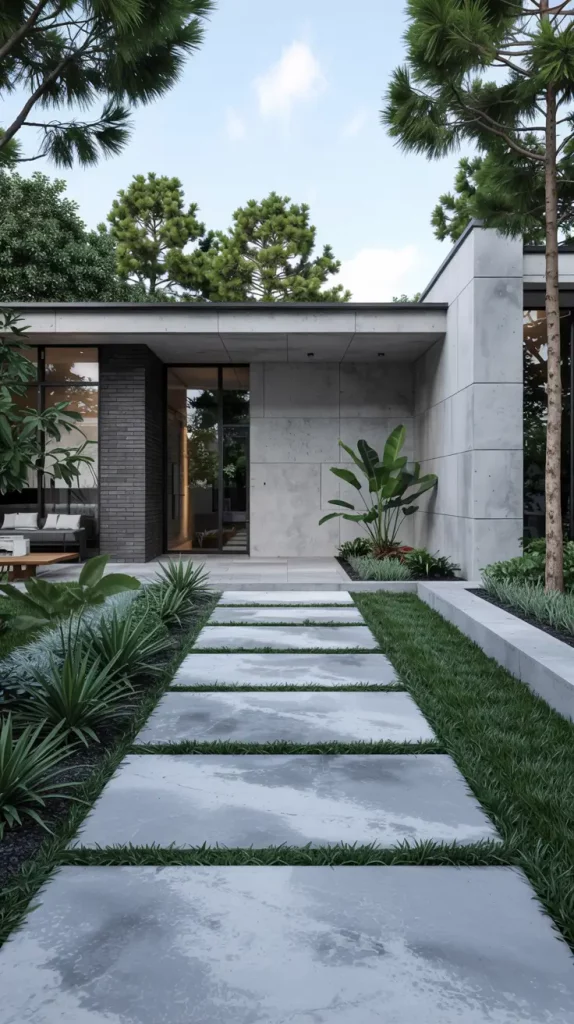
In my work, I’ve found that minimalism creates a calming first impression. It reflects modern architecture beautifully and aligns with contemporary lifestyles.
To strengthen this concept, I would integrate more lighting strategies to highlight minimal features at night.
Modern Front Yard Landscaping Ideas That Boost Curb Appeal
When exploring modern front yard landscaping ideas, I prioritize curb appeal that feels natural rather than forced. The goal is to create a strong first impression without overwhelming the space.
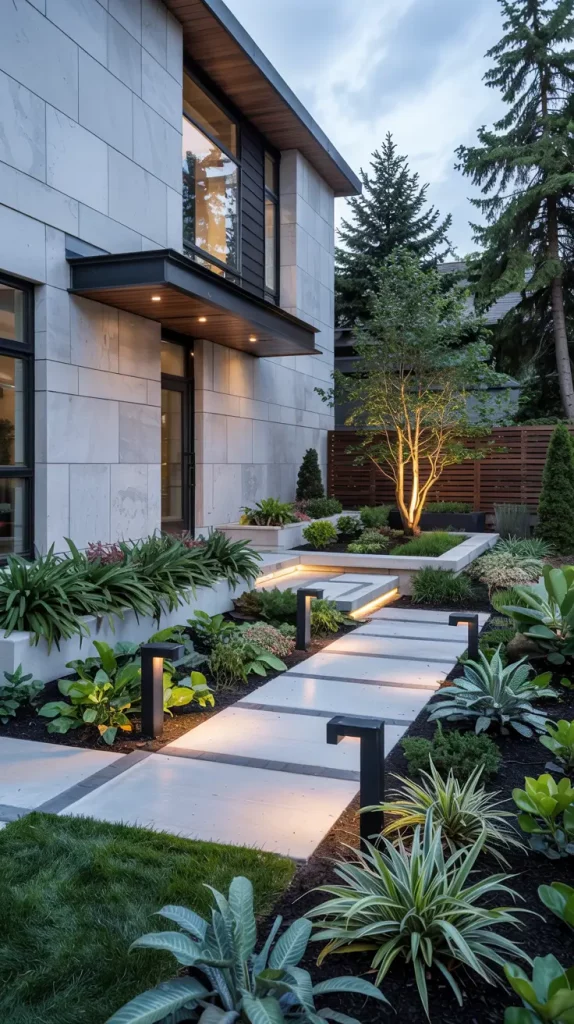
I use layered planting, structured pathways, and focal points like statement trees or water features. A well-designed entry path combined with subtle lighting instantly elevates the overall look.
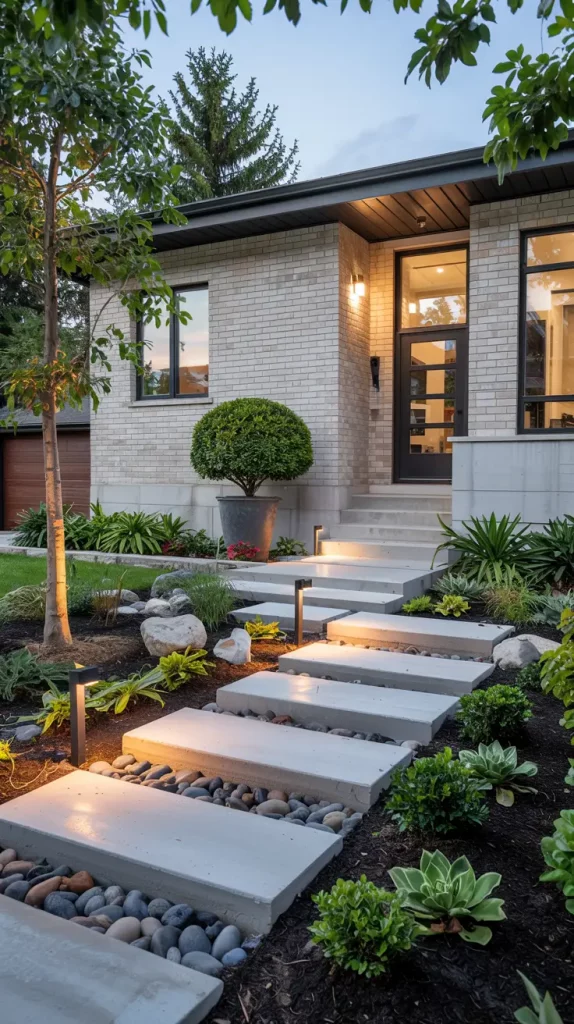
From my perspective, curb appeal is about storytelling. As Better Homes & Gardens often suggests, the entry experience should guide visitors naturally toward the home.
I would enhance this section by adding more discussion on color contrast and seasonal variation to maintain year-round appeal.
Functional Modern Front Yard Layouts For Everyday Living
Functionality is essential in modern front yard ideas, especially when space is limited. I design layouts that allow movement, seating, and visual flow without clutter.
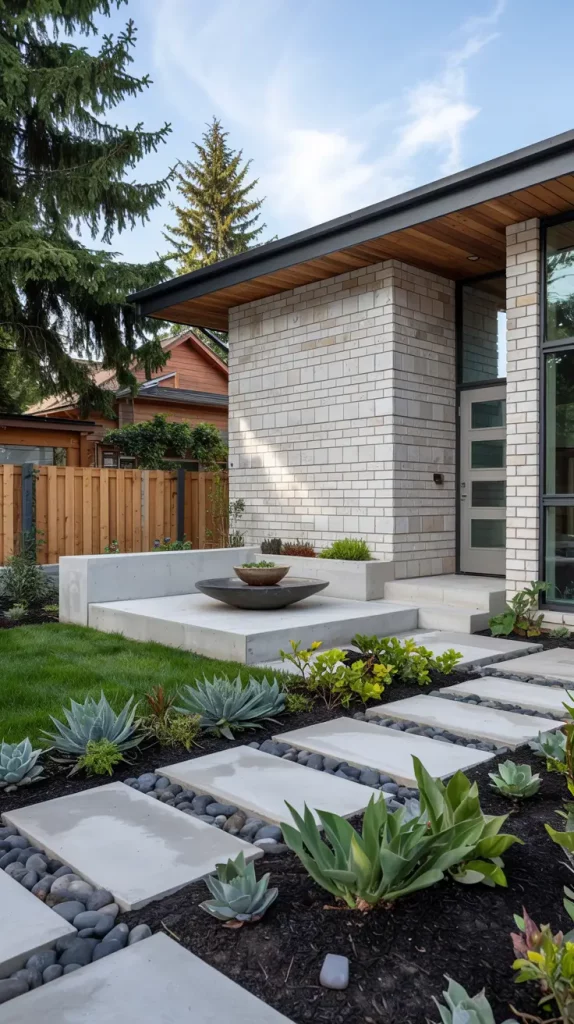
I often divide the yard into zones—walkways, seating areas, and planting sections. Using hardscape elements, I create structure while maintaining openness. This approach ensures the space feels organized and practical.
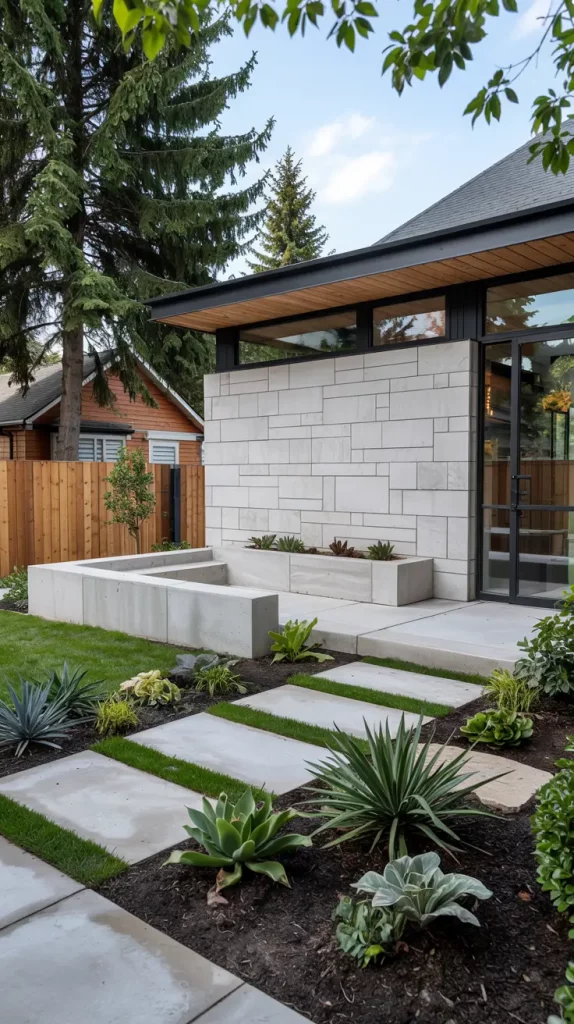
In my experience, clients appreciate when their front yard becomes usable, not just decorative. It changes how they interact with their home daily.
To improve this concept further, I would include more flexible furniture solutions that adapt to different uses.
Modern Front Yard Landscape Concepts Inspired By Architecture
A successful modern front yard landscape always reflects the architecture of the home. I take cues from the building’s lines, materials, and proportions to guide the design.
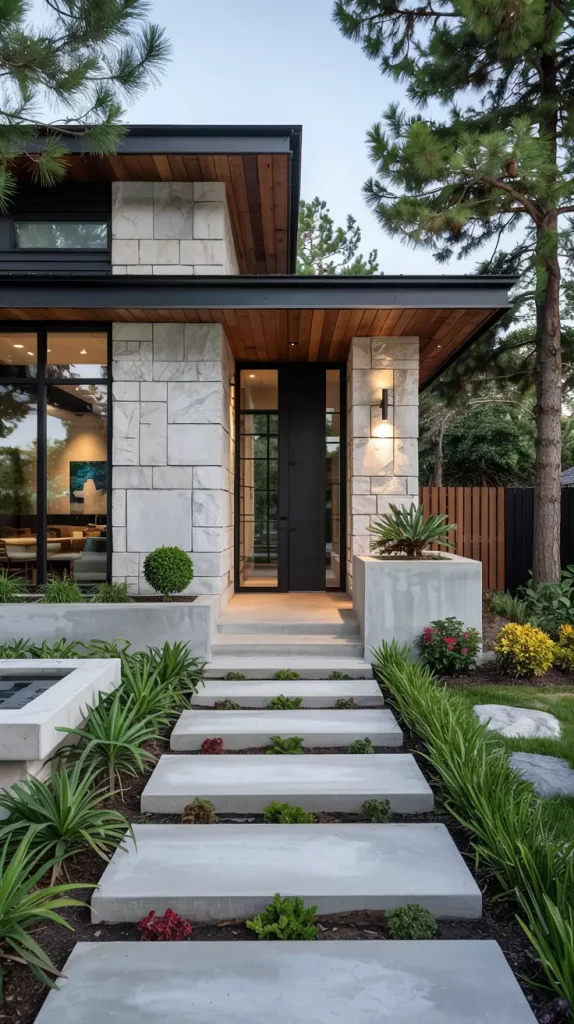
For example, I match concrete facades with minimalist hardscapes or complement wooden elements with natural plantings. This creates a cohesive visual identity.
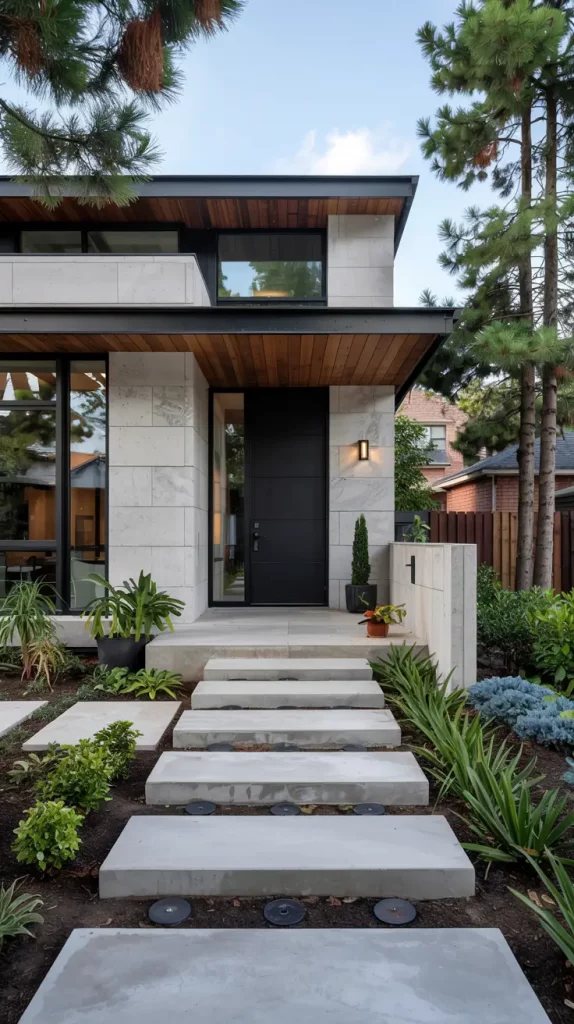
Personally, I believe this is where design becomes truly professional. As noted in Dwell magazine, harmony between architecture and landscape is key to modern design.
I would expand this section by including more examples of contrasting styles that still achieve harmony.
Sustainable Modern Front Yard Landscaping For Eco-Friendly Homes
Sustainability is no longer optional in modern front yard landscaping. I prioritize eco-friendly solutions that reduce water usage and environmental impact.
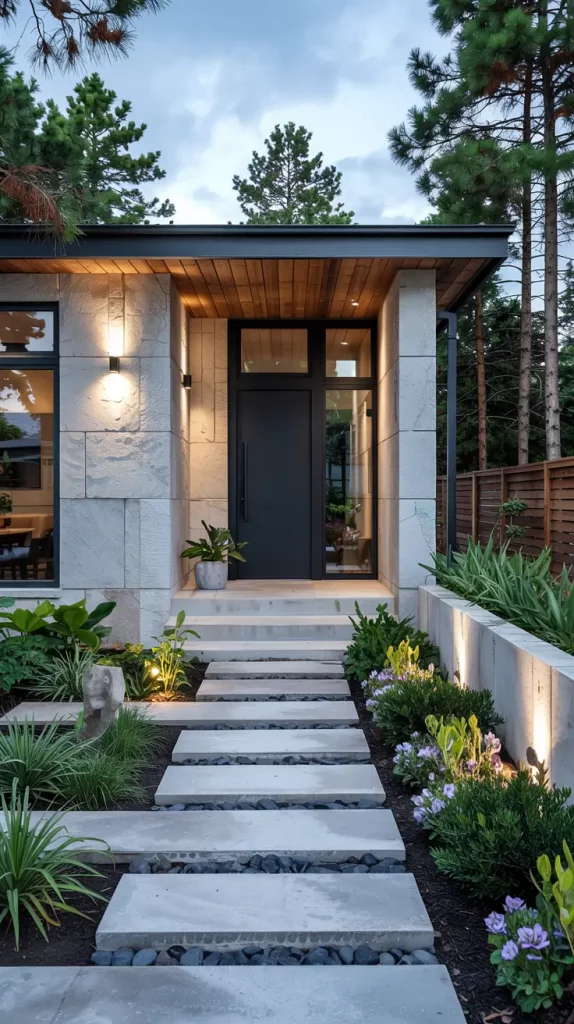
I incorporate native plants, permeable paving, and efficient irrigation systems. These choices not only conserve resources but also create a resilient landscape.
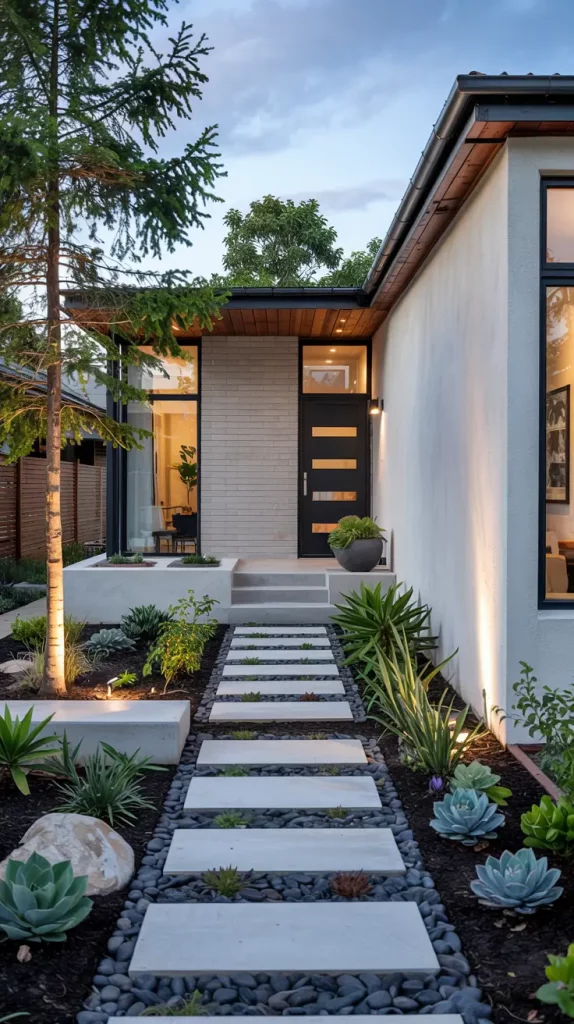
From my experience, sustainable design often leads to better long-term results. It reduces maintenance and aligns with modern values.
To complete this section, I would add more details on soil health and composting strategies for a fully sustainable approach.
Modern Front Yard Hardscape Design Ideas That Elevate Structure
When I develop a modern front yard hardscape design, I focus on creating a strong structural foundation that defines the entire space. Hardscape elements such as pathways, retaining walls, and patios give the yard a sense of order and permanence. In 2026, these designs emphasize simplicity, durability, and visual balance.
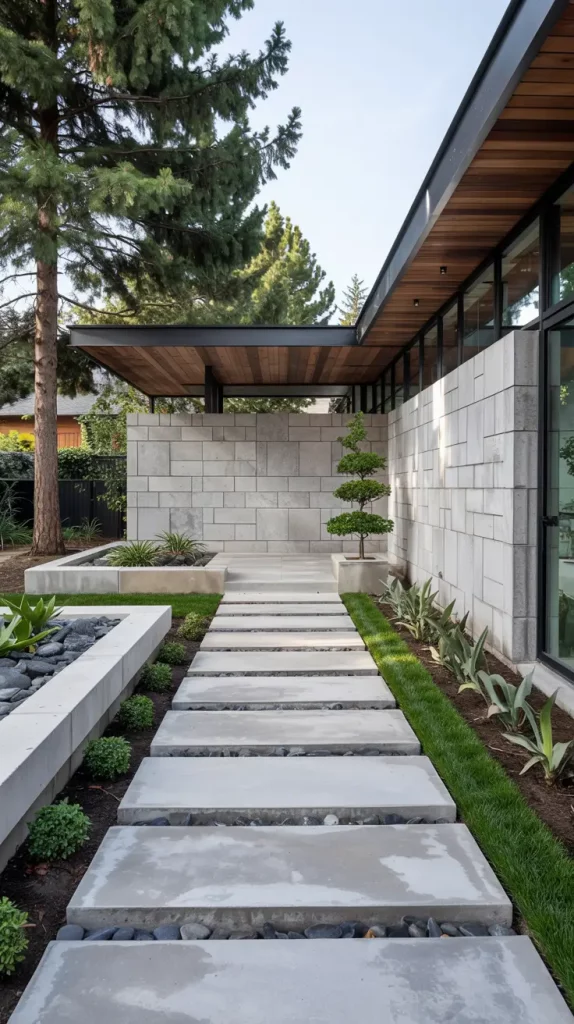
I typically use materials like poured concrete, natural stone, and large-format pavers. These not only look modern but also withstand weather conditions and reduce maintenance. Clean edges and geometric layouts help organize the space and guide movement naturally toward the entrance.
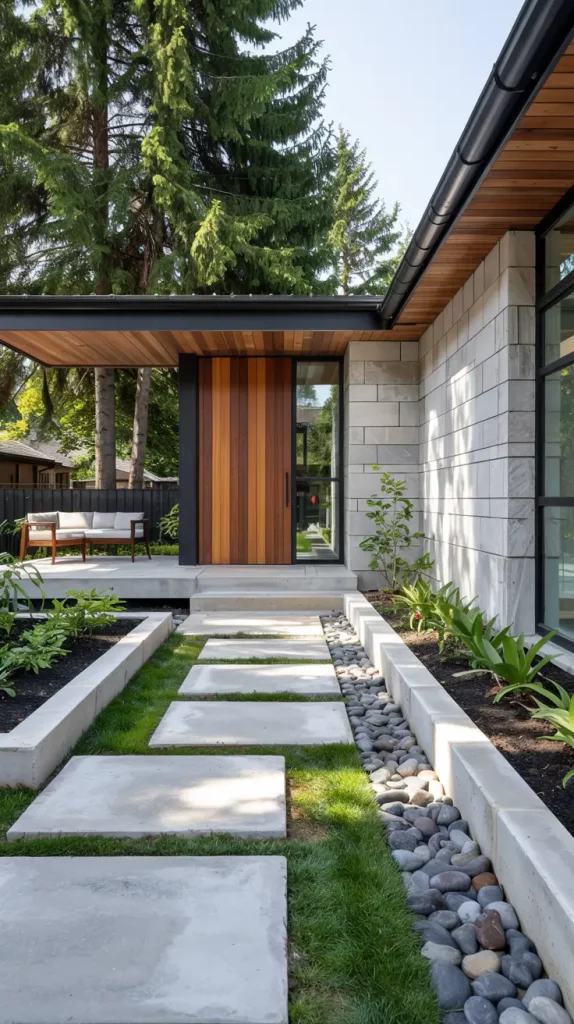
From my experience, a well-executed hardscape can completely transform even a small front yard. Designers featured in publications like Dezeen often highlight how structure creates clarity in outdoor spaces.
To enhance this section, I would include more examples of combining hardscape with soft landscaping for a balanced look.
The Role Of Geometry In Modern Front Yard Designs
Geometry plays a central role in modern front yard designs, and I always rely on it to create harmony and visual rhythm. Straight lines, grids, and repeating shapes bring order to the landscape.
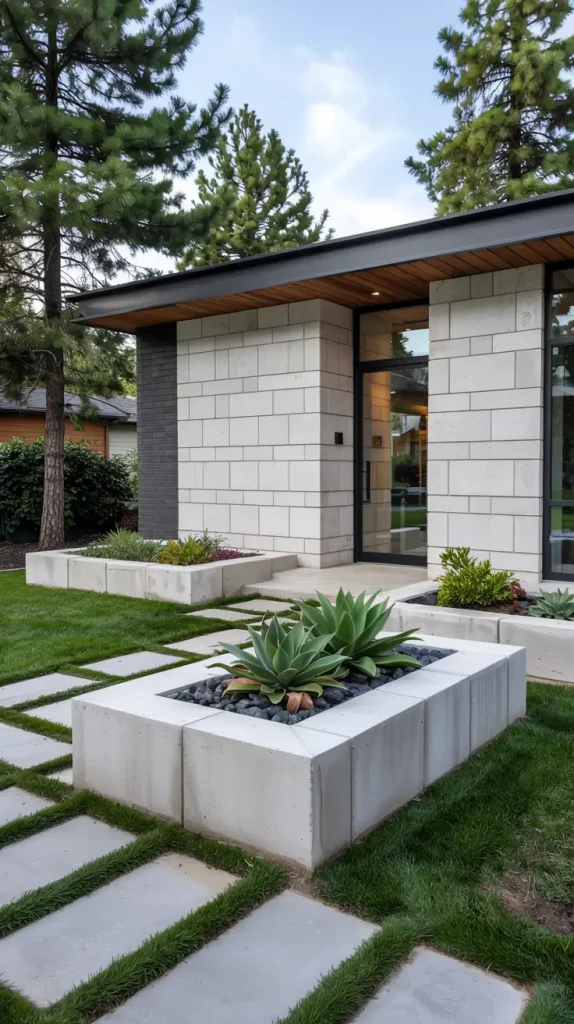
I incorporate rectangular planters, linear pathways, and symmetrical layouts to reinforce this aesthetic. Even plant placement follows geometric patterns, ensuring consistency throughout the design.
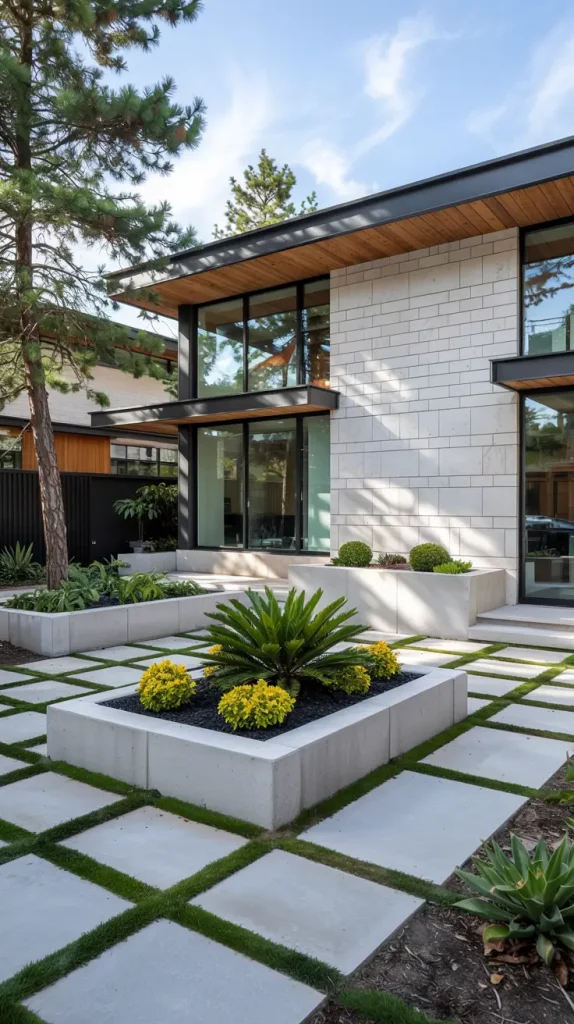
Personally, I find that geometry simplifies decision-making. It creates a cohesive framework that allows every element to fit naturally into place.
To improve this section, I would explore more organic geometry variations for softer modern designs.
Modern Front Yard Garden Ideas With Low-Maintenance Plants
Designing a modern front yard garden means balancing beauty with practicality. I prioritize low-maintenance plants that thrive with minimal care while still delivering visual impact.
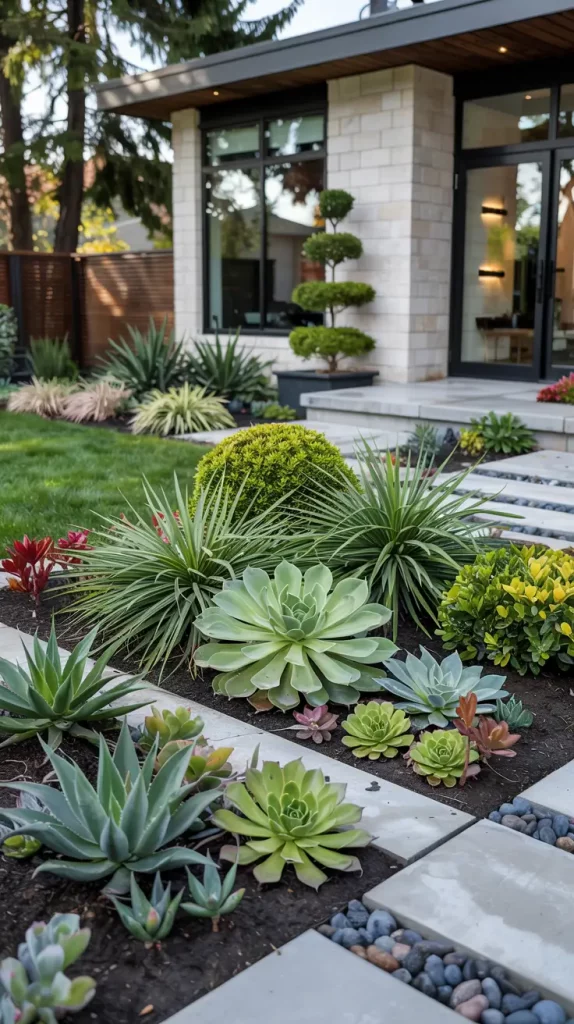
I often choose ornamental grasses, succulents, and evergreen shrubs. These plants provide texture, structure, and year-round interest. Grouping them in clusters enhances the modern aesthetic and simplifies upkeep.
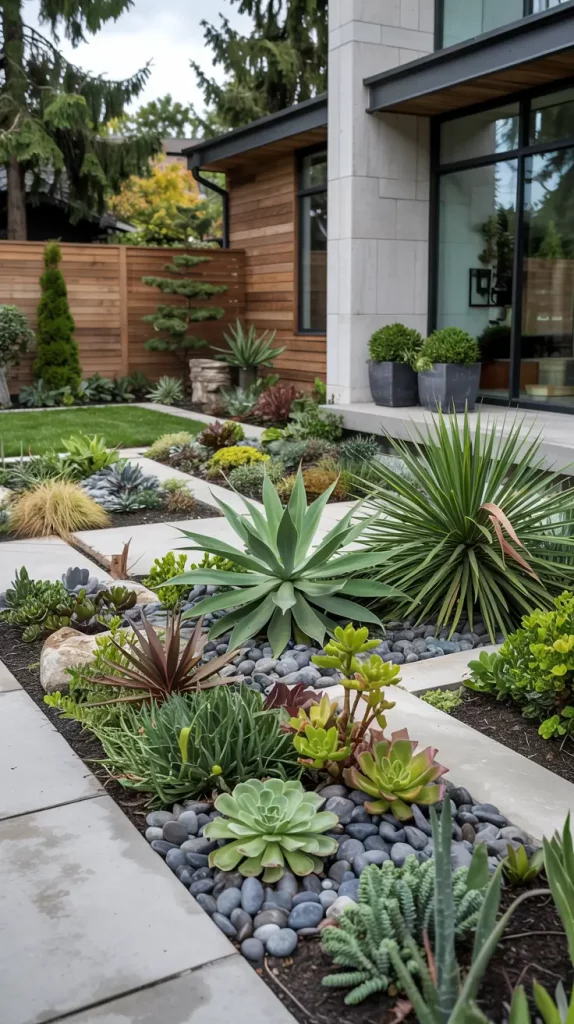
In my experience, homeowners appreciate gardens that look polished without constant attention. This aligns with current trends highlighted by HGTV.
To complete this section, I would include irrigation strategies to support plant health efficiently.
Smart Technology Integration In Modern Front Yard Landscaping
Technology is reshaping modern front yard landscaping, and I integrate smart systems to improve convenience and efficiency. Automation is key in 2026 design.
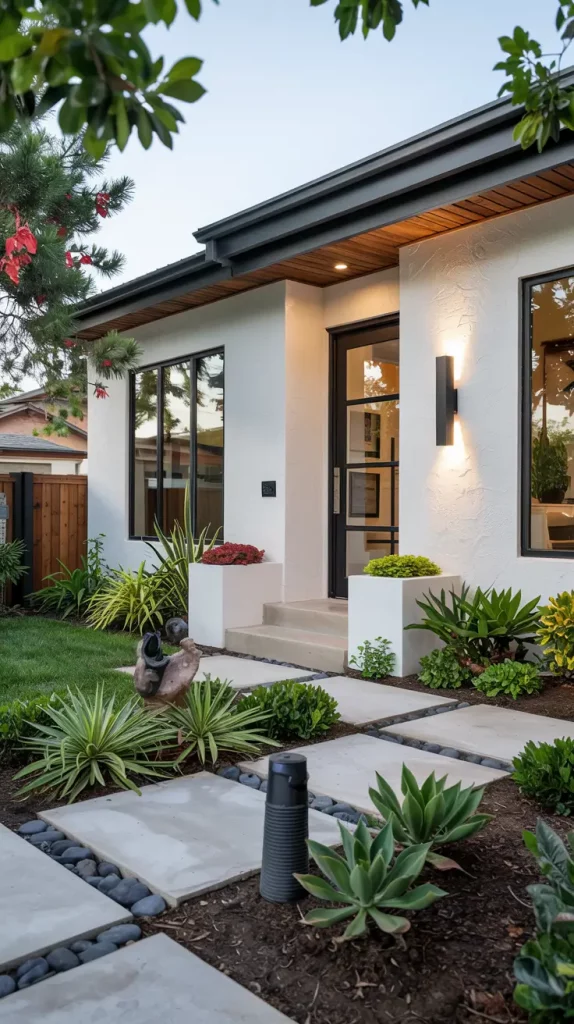
I install smart irrigation, motion-sensor lighting, and app-controlled outdoor systems. These features not only enhance usability but also reduce energy and water consumption.
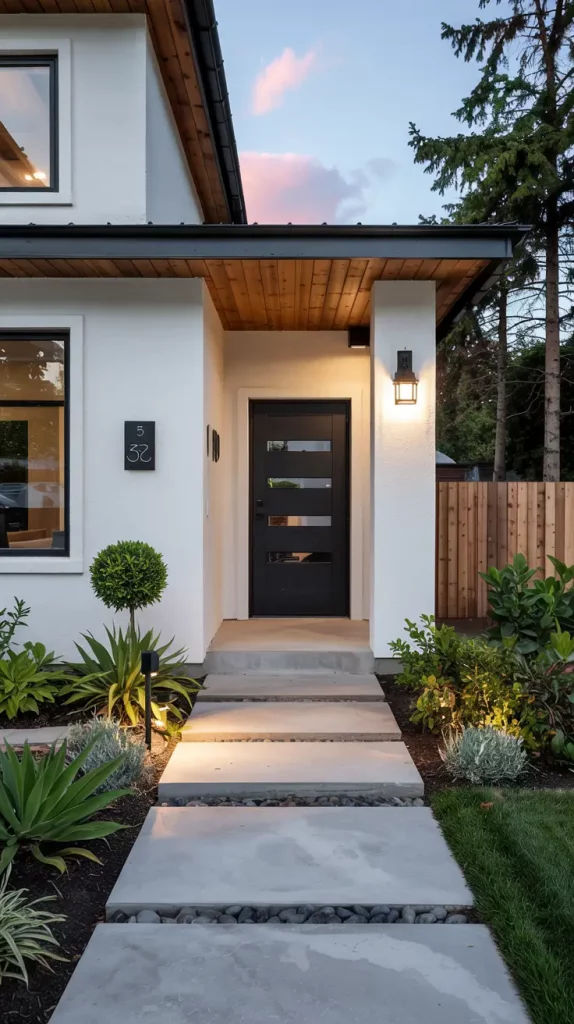
From my perspective, technology should remain subtle and supportive. It should enhance the experience without dominating the design.
To strengthen this section, I would add examples of integrating security features into the landscape.
Modern Front Yard Fence Ideas For Privacy And Style
When exploring modern front yard fence ideas, I aim to balance privacy with visual openness. Fences in modern design are both functional and aesthetic elements.
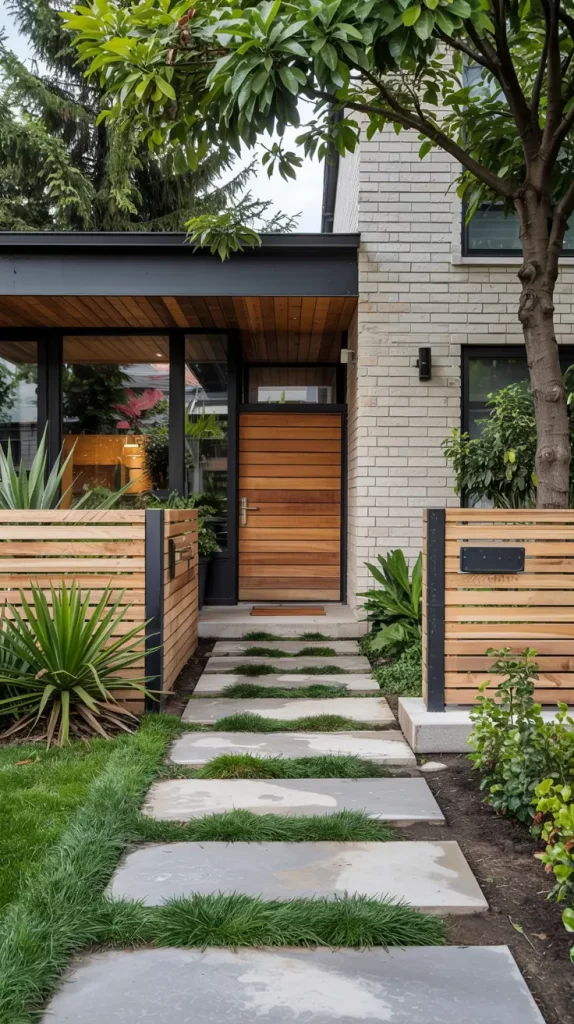
I use horizontal slats, metal panels, and mixed materials to create contemporary looks. These fences define boundaries while maintaining a clean, modern appearance.
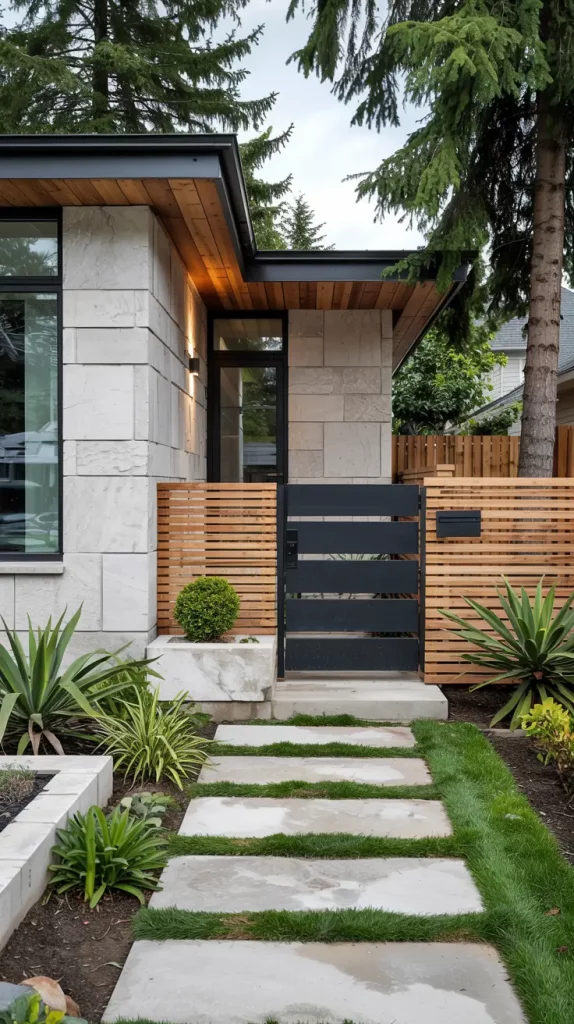
In my projects, I’ve found that a well-designed fence can elevate the entire property. As noted in Architectural Digest, fences are becoming a key design feature rather than just a necessity.
I would expand this section by including more examples of integrating greenery into fence designs.
Choosing The Perfect Modern Front Yard Fence Design
Selecting the right modern front yard fence requires careful consideration of style, materials, and purpose. I always begin by evaluating the home’s architecture and surrounding environment.
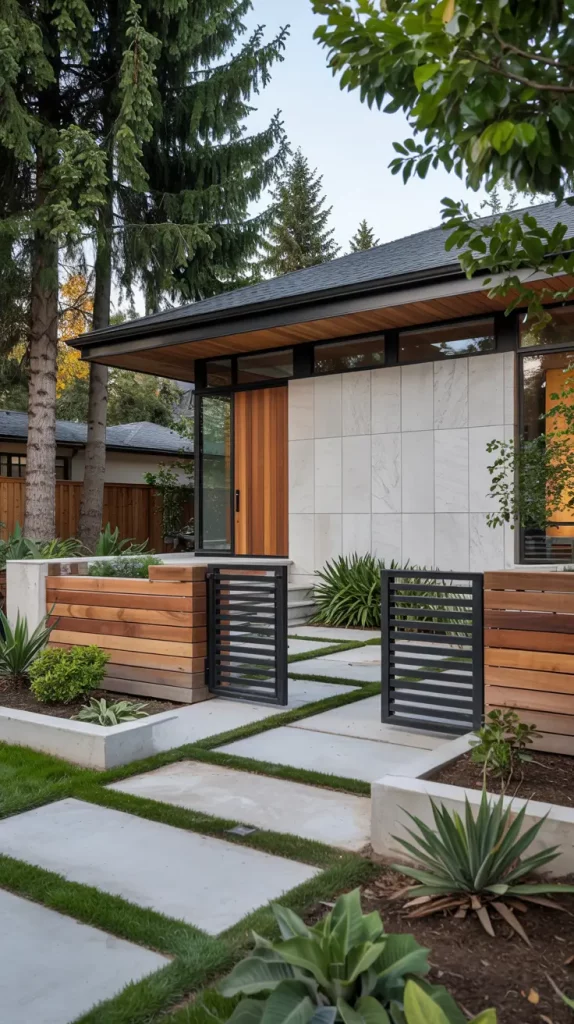
I recommend materials like wood, steel, or composite panels for durability and aesthetics. The design should complement the house while providing the desired level of privacy.
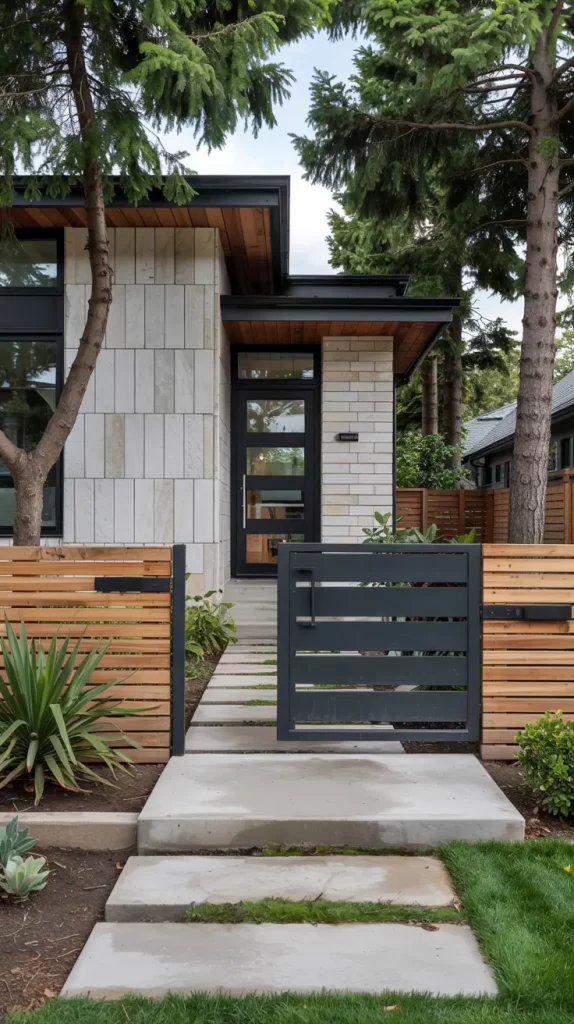
From my experience, the best fences feel like a natural extension of the home rather than an added feature.
To improve this section, I would include guidance on local regulations and height restrictions.
Modern Front Yard Ideas For Small Spaces And Urban Homes
Designing for limited space requires creative modern front yard ideas. I focus on maximizing functionality without overcrowding the area.
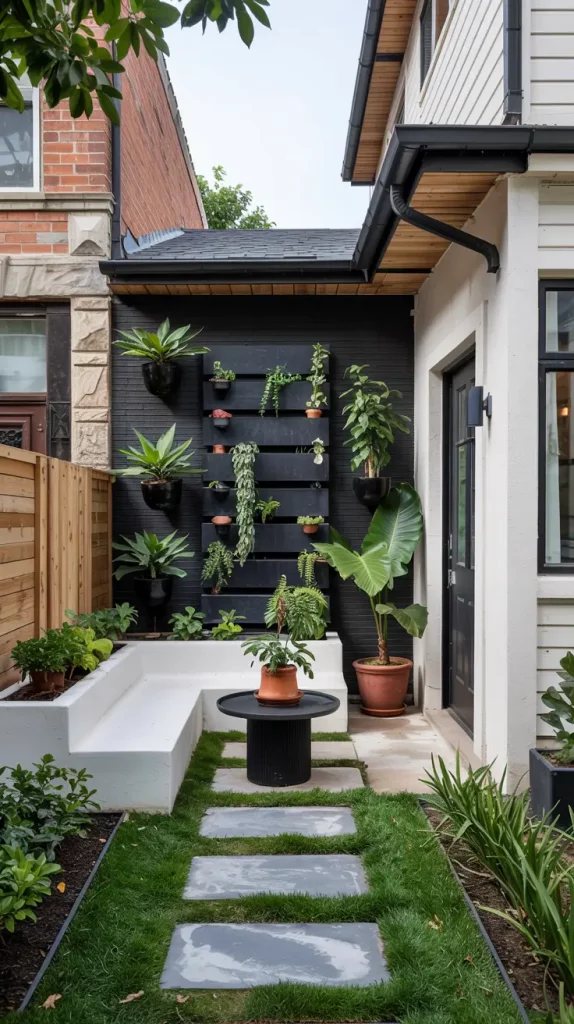
I use vertical elements, compact seating, and multi-purpose features to make the most of small yards. Strategic lighting and mirrors can also enhance the sense of space.
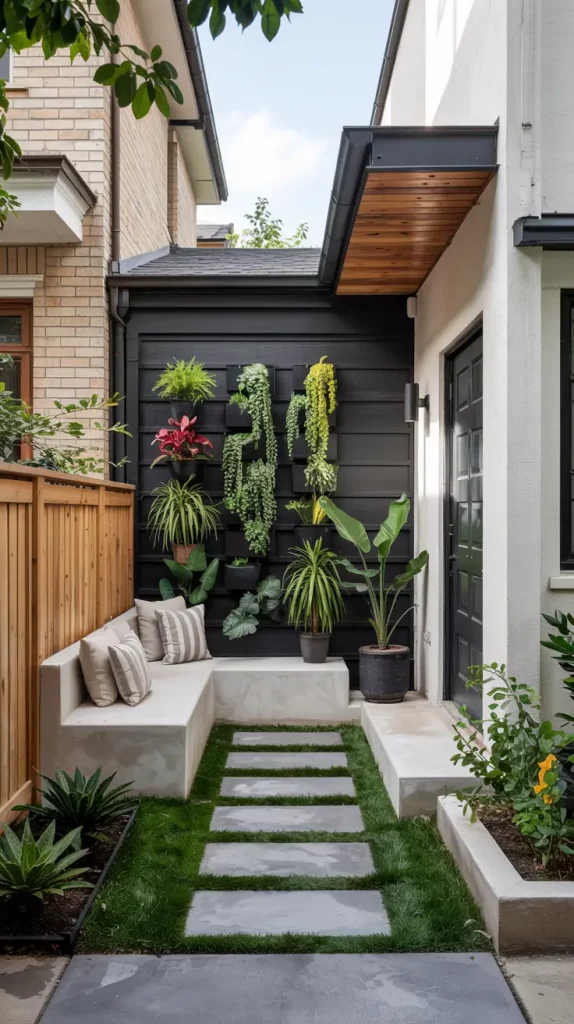
In my work, I’ve seen how thoughtful design can transform even the smallest front yard into a stylish and functional space.
To complete this section, I would add more storage solutions and hidden design elements for urban environments.
Luxury Modern Front Yard Designs With Premium Materials
When I design luxury modern front yard designs, I focus on creating a refined and sophisticated exterior that reflects high-end living. In 2026, luxury is no longer about excess—it’s about precision, material quality, and thoughtful composition. I approach these projects by ensuring that every element feels intentional, from the layout to the smallest finishing detail. The front yard becomes a statement of architectural identity, seamlessly connecting the house with its surroundings.
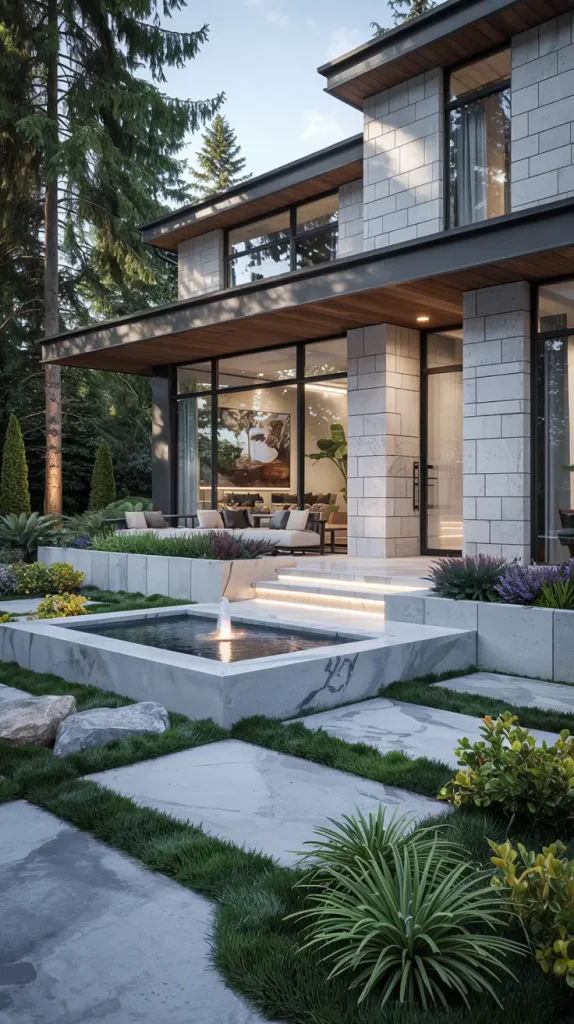
I typically incorporate premium materials such as natural stone, polished concrete, hardwood decking, and architectural metal accents. Water features, custom planters, and designer outdoor furniture elevate the space further. I also integrate subtle lighting to highlight textures and create a warm, inviting ambiance in the evening. These elements work together to form a cohesive and elegant modern front yard landscape.
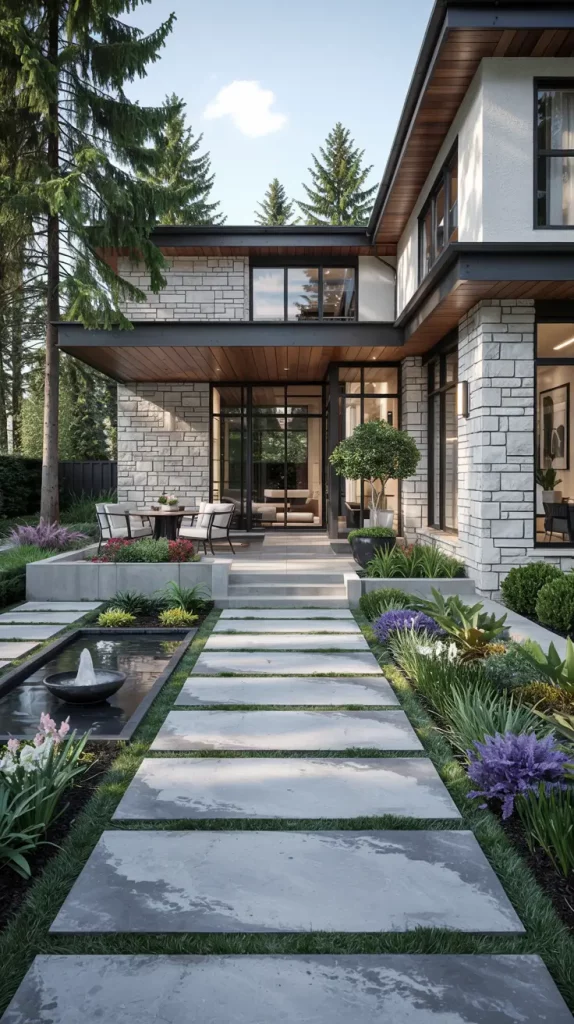
From my experience, luxury design succeeds when it feels effortless. Inspired by projects featured in Elle Decor, I aim to balance bold materials with restrained layouts.
To enhance this section, I would include more insights on maintenance strategies for high-end materials to ensure longevity.
Modern Front Yard Landscaping Ideas With Lighting Features
Lighting plays a transformative role in modern front yard landscaping ideas, and I always treat it as an essential design layer rather than an afterthought. In 2026, lighting is used to shape atmosphere, improve safety, and highlight architectural details.
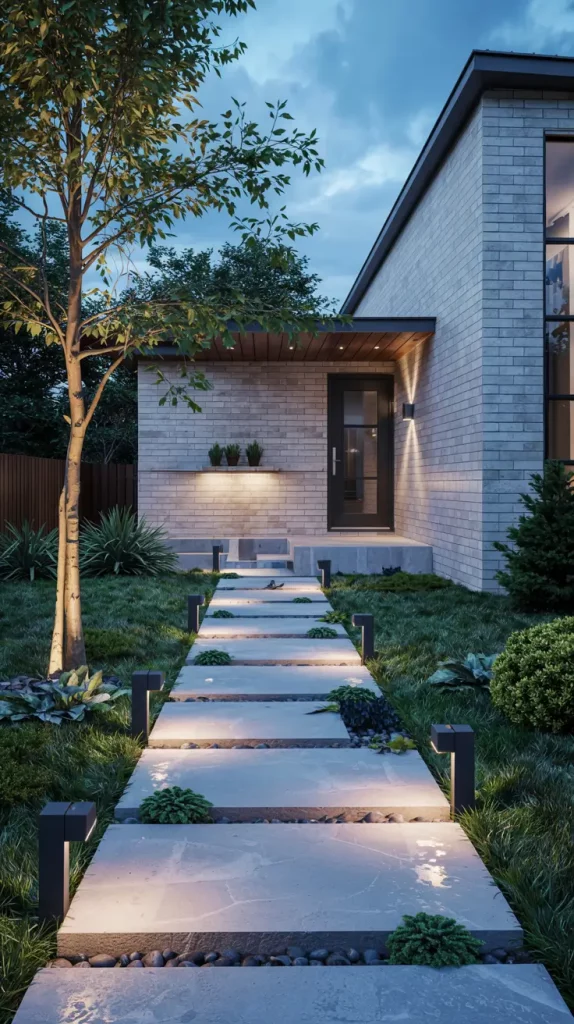
I use a combination of pathway lights, uplighting for trees, and integrated LED strips within hardscape elements. Warm lighting tones create a welcoming environment, while strategic placement enhances depth and dimension. Lighting also extends the usability of the front yard into the evening hours.
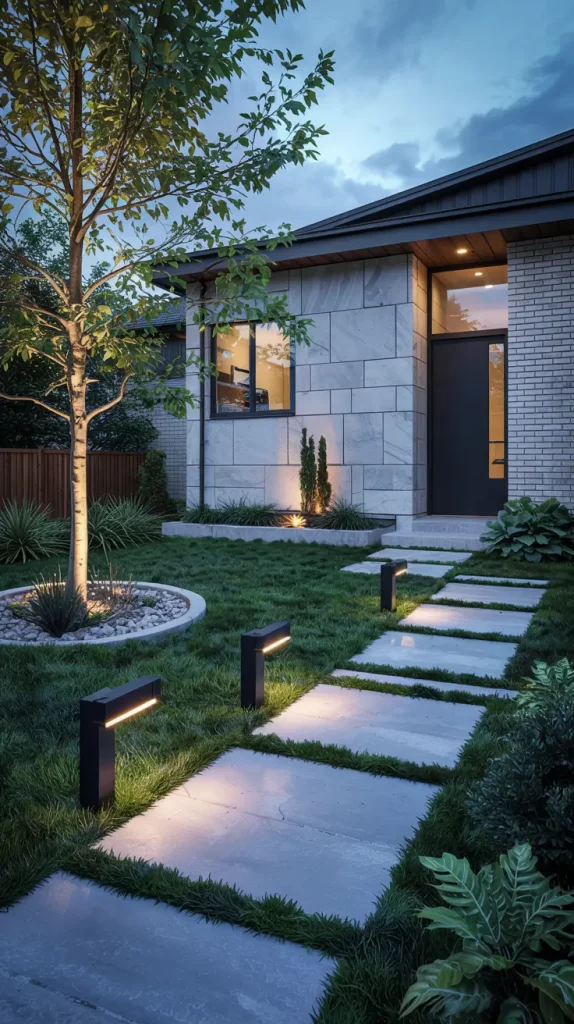
In my work, I’ve found that well-planned lighting dramatically increases the perceived value of a home. As highlighted by landscape designers in Better Homes & Gardens, lighting should guide movement and emphasize focal points.
To complete this section, I would add smart lighting systems that allow customization based on time and mood.
Blending Natural Elements Into Modern Front Yard Landscapes
A successful modern front yard landscape balances clean design with natural elements. I aim to soften structured layouts by incorporating organic textures and materials.
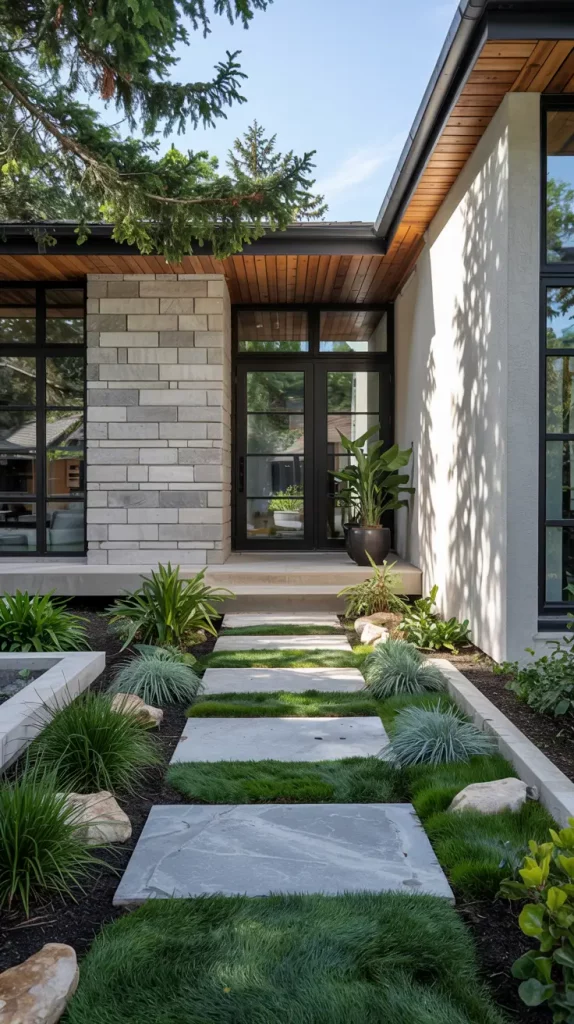
I use natural stone, wood, and layered planting to introduce warmth into the design. Native plants, grasses, and small trees create movement and seasonal variation, preventing the space from feeling too rigid.
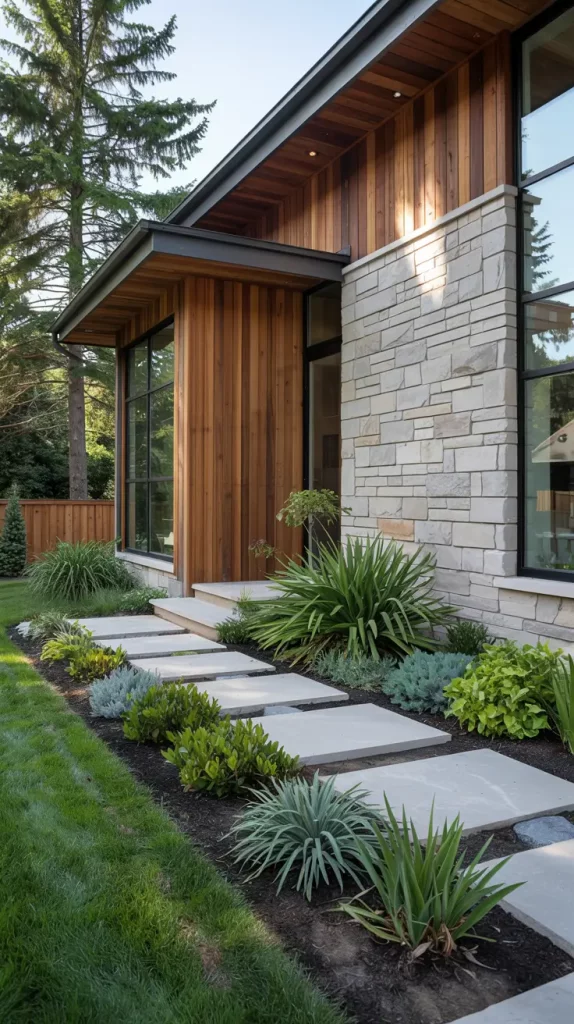
Personally, I believe this balance is what makes modern design livable. It connects the home to its environment while maintaining a contemporary aesthetic.
To strengthen this section, I would include more examples of integrating water and wind elements for sensory richness.
Modern Front Yard Bloxburg Inspirations For Creative Builds
The concept of modern front yard bloxburg has inspired many creative and experimental designs. While originating in a virtual environment, these ideas translate surprisingly well into real-life landscaping.
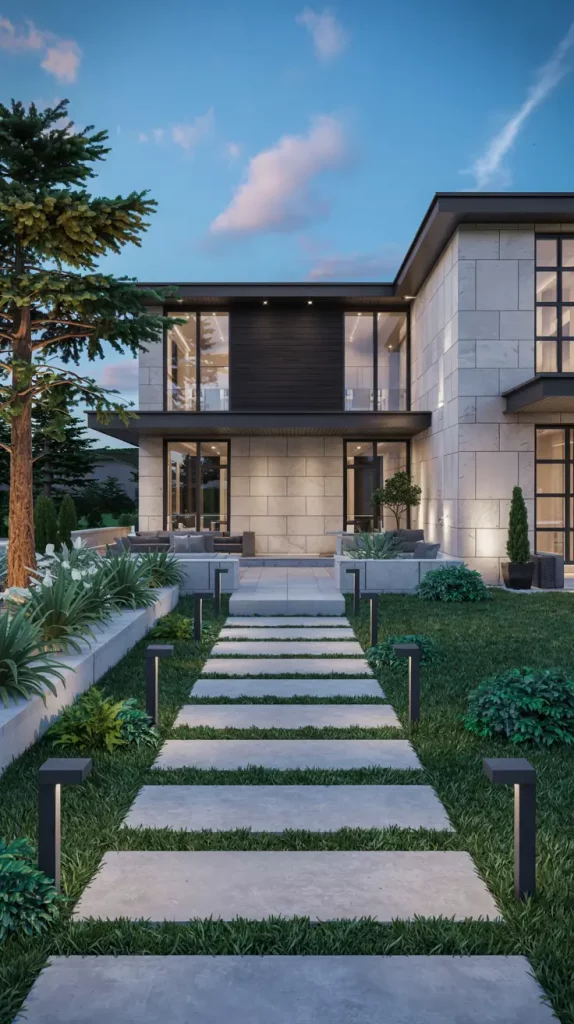
I focus on bold layouts, symmetrical designs, and clean material contrasts. Bloxburg-inspired yards often feature dramatic lighting, clear zoning, and strong visual focal points.
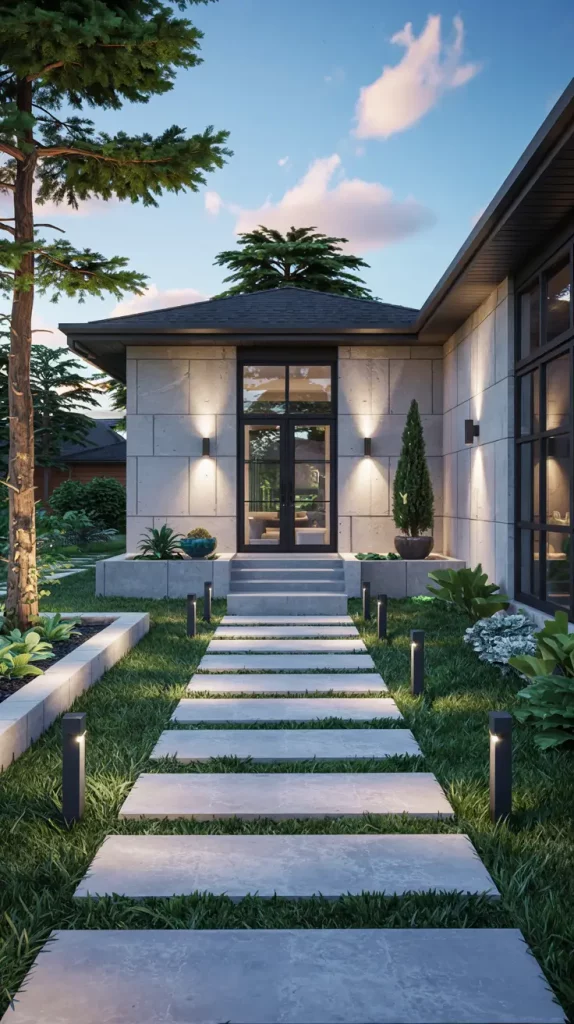
In my opinion, these designs encourage creativity and allow homeowners to think beyond traditional constraints. They push the boundaries of what a modern front yard design ideas approach can look like.
To enhance this section, I would include practical adaptations for real-world construction and budget considerations.
Color Palettes That Define Modern Front Yard Aesthetics
Color plays a crucial role in shaping modern front yard designs, and I always start by selecting a cohesive palette. In 2026, neutral tones dominate, with subtle contrasts to add depth.
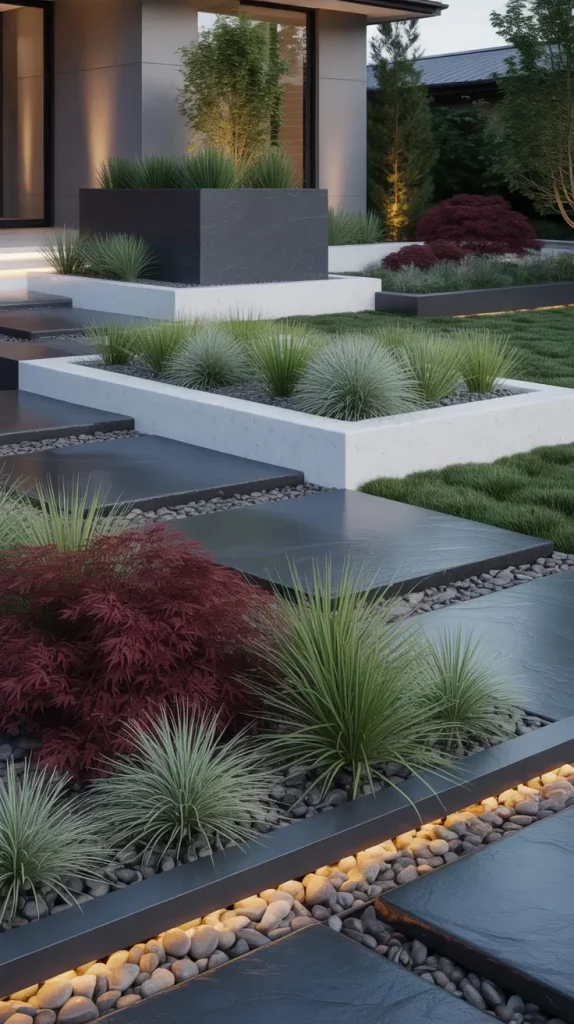
I often use shades of gray, black, white, and earthy tones, complemented by greenery and occasional accent colors. This creates a timeless and sophisticated look that works well with modern architecture.
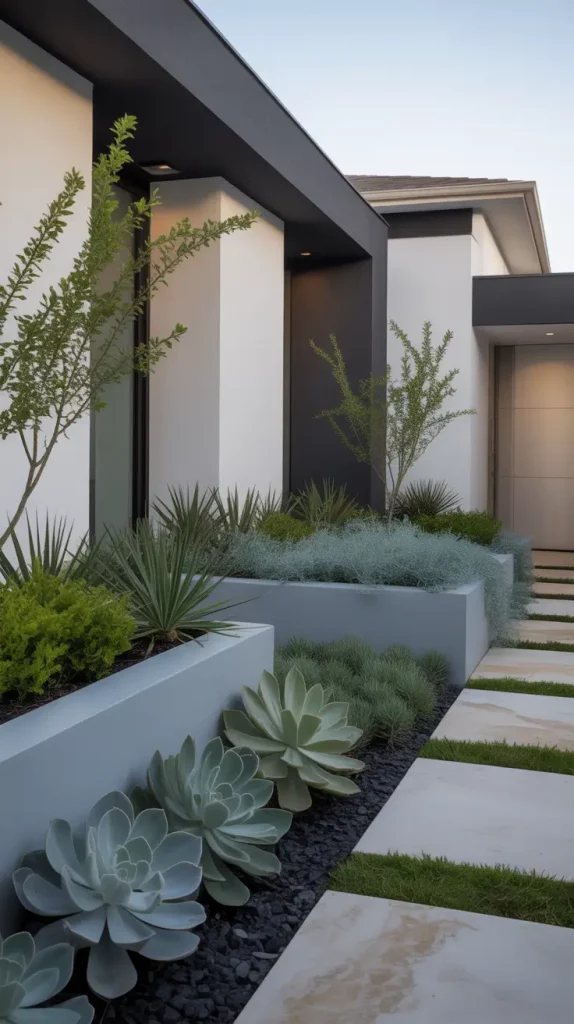
From my experience, limiting the color palette helps maintain visual clarity and prevents the design from feeling chaotic.
To improve this section, I would add seasonal color strategies to keep the yard visually engaging throughout the year.
Water Features In Modern Front Yard Landscaping Designs
Water features are a powerful addition to modern front yard landscaping, and I use them to create a sense of calm and luxury. In 2026, these features are designed to be minimal yet impactful.
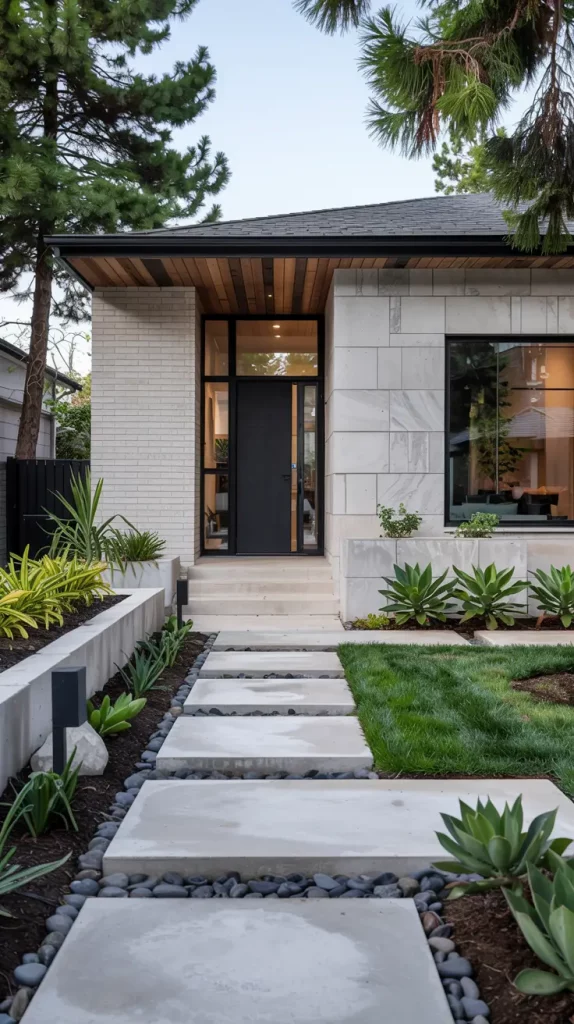
I incorporate linear fountains, reflecting pools, or small cascading elements. These features are often integrated into hardscape designs, maintaining the clean lines of modern aesthetics.
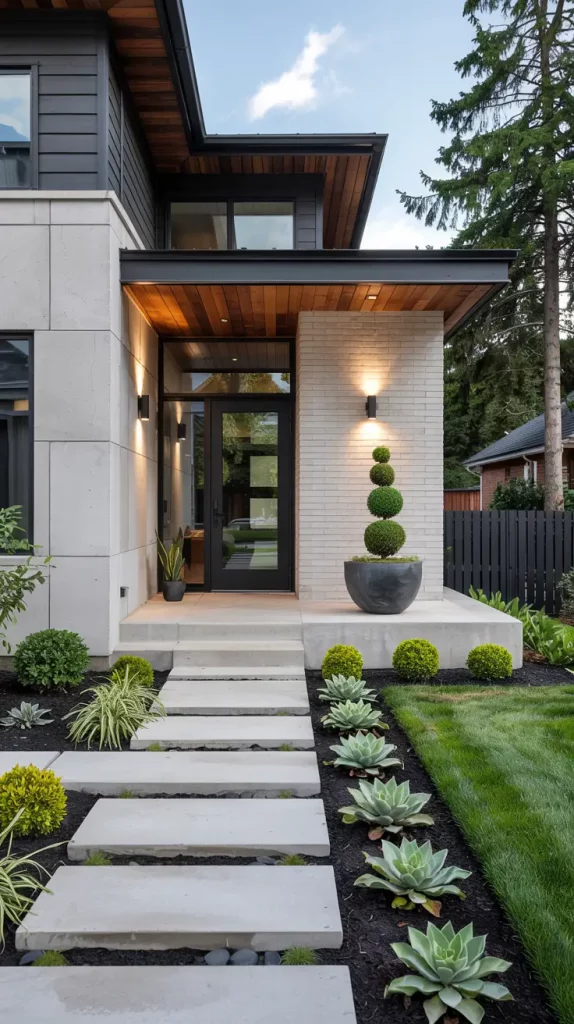
Personally, I find that water adds a sensory dimension to the space—it introduces sound, movement, and reflection.
To complete this section, I would include more guidance on maintenance and water conservation techniques.
Modern Front Yard Design Ideas With Walkways And Paths
Walkways are a defining feature of modern front yard design ideas, and I approach them as both functional and visual elements. They guide movement while shaping the overall layout.
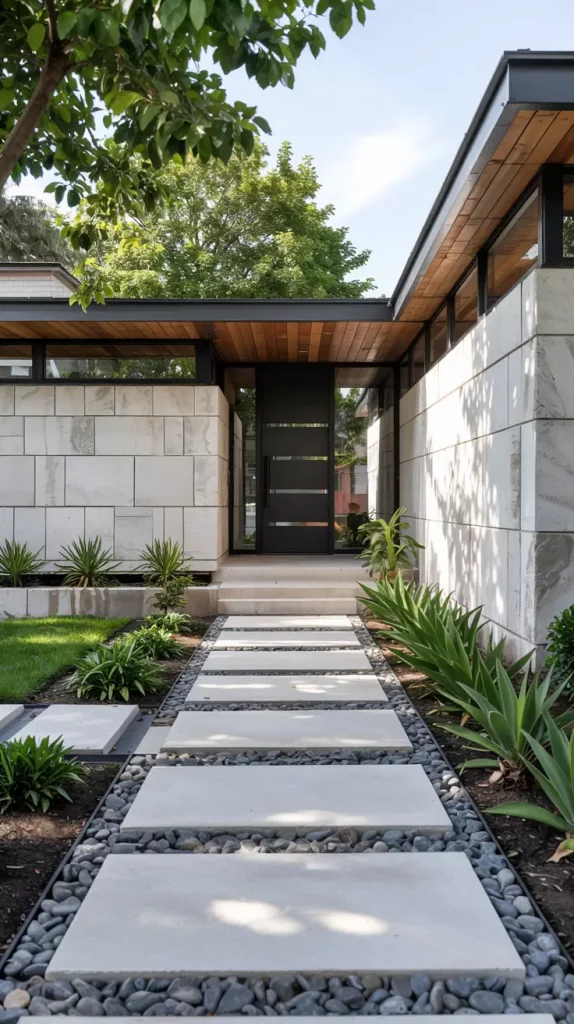
I use large pavers, gravel paths, or stepping stones arranged in clean, geometric patterns. The spacing and alignment of these elements create rhythm and structure.
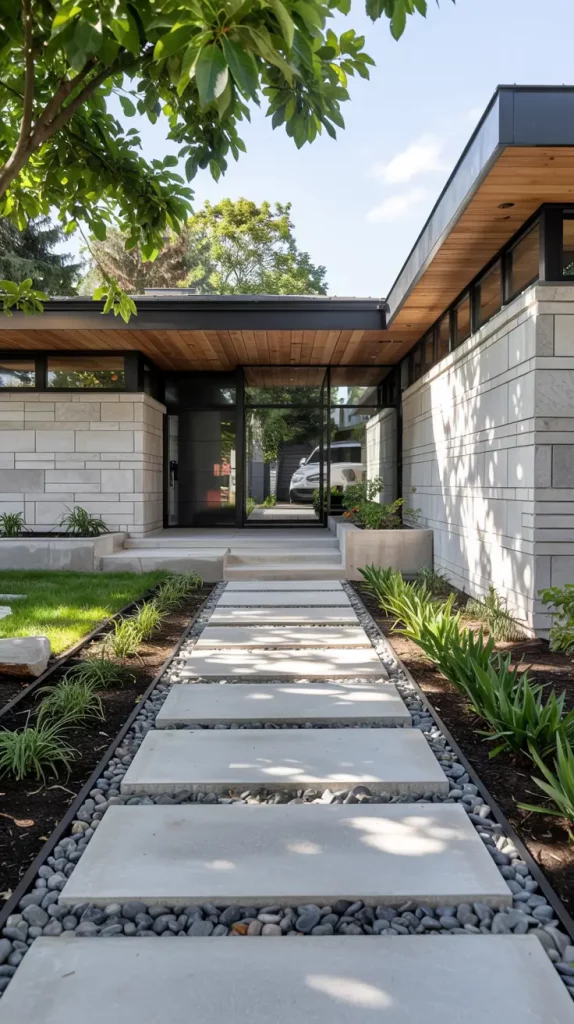
In my experience, a well-designed pathway enhances the entire front yard, making it feel intentional and organized.
To strengthen this section, I would add more details on accessibility and safety considerations in pathway design.
Creating Depth And Layers In Modern Front Yard Landscapes
When I design a modern front yard landscape, I always think in layers rather than flat compositions. Depth is what transforms a simple exterior into a visually engaging and dynamic space. In 2026, layered design is essential—it allows the yard to feel larger, more structured, and architecturally intentional. I typically divide the front yard into foreground, midground, and background zones, each with a distinct purpose and visual weight.
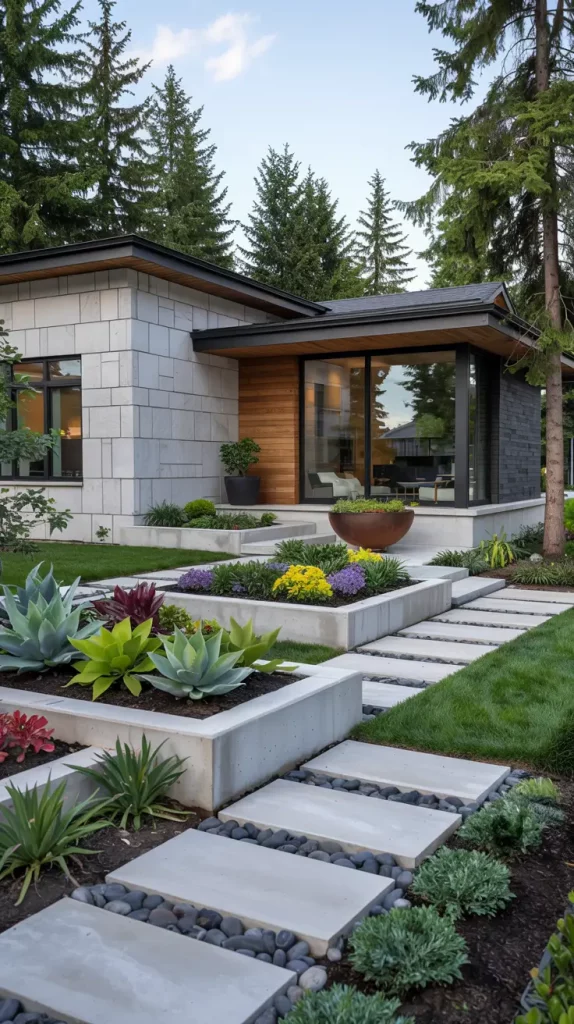
I use a combination of low ground covers, mid-height shrubs, and taller trees or vertical elements to build this depth. Hardscape features like raised planters, steps, and retaining walls further reinforce the layered effect. Materials and textures also play a role—mixing smooth concrete with rough stone or soft greenery adds contrast and visual interest. This approach enhances the overall perception of the space and supports strong modern front yard landscaping ideas.
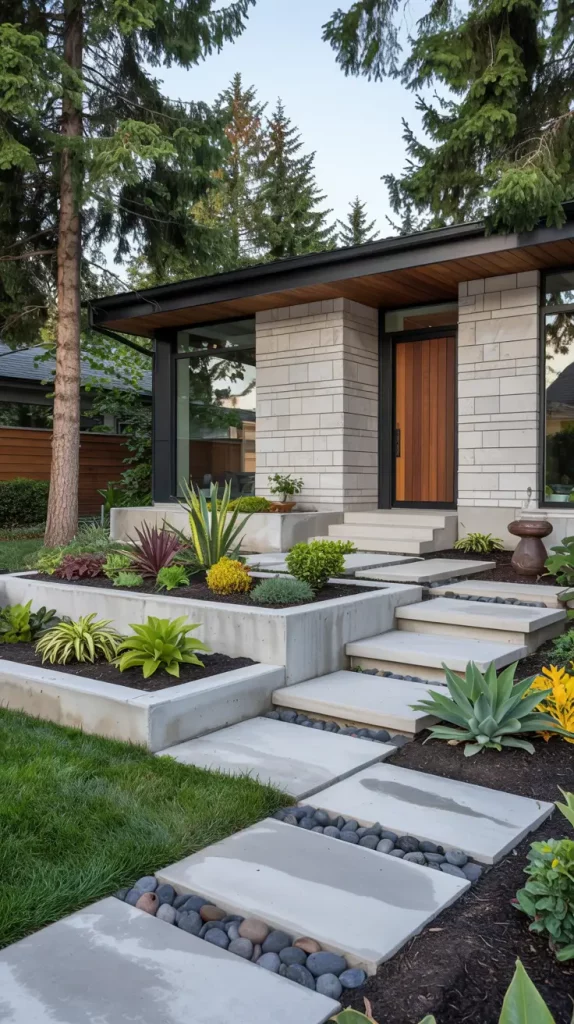
From my experience, layering is one of the most effective ways to elevate even a modest front yard. Designers featured in Dwell often emphasize how depth creates a more immersive outdoor experience.
To complete this section, I would include more lighting techniques that emphasize layers at night.
Modern Front Yard Landscaping Ideas With Native Plants
Incorporating native plants is one of the most practical modern front yard landscaping ideas I recommend. These plants are naturally adapted to the local climate, which makes them easier to maintain and more sustainable in the long run.
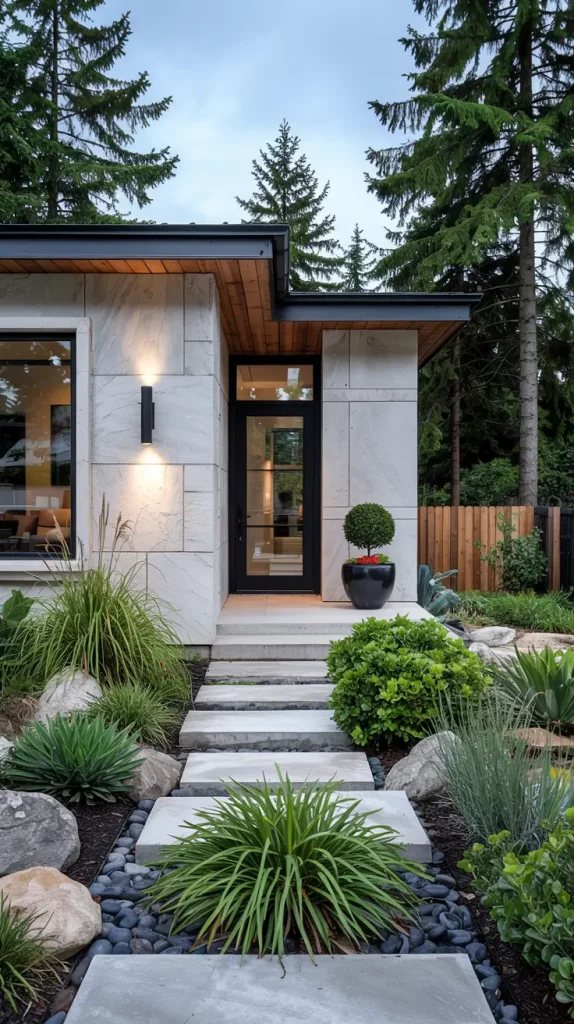
I select native grasses, shrubs, and perennials that provide year-round interest while requiring minimal water and care. Grouping plants in clusters rather than scattering them creates a cleaner, more modern look. This method also improves plant health and simplifies irrigation.
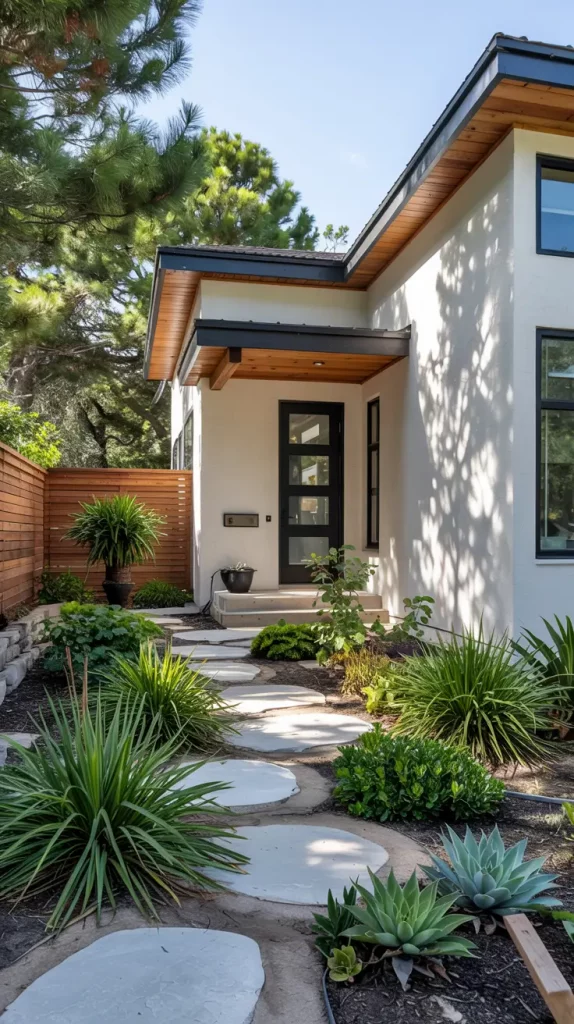
Personally, I’ve seen how native planting transforms maintenance routines for homeowners. It reduces effort while enhancing the natural beauty of the space, making it a key component of any modern front yard garden.
To strengthen this section, I would add more region-specific plant recommendations to guide readers more effectively.
Seasonal Adaptability In Modern Front Yard Designs
A truly successful modern front yard designs approach considers how the space will look and function throughout the year. I always plan for seasonal adaptability to ensure the yard remains attractive in every season.
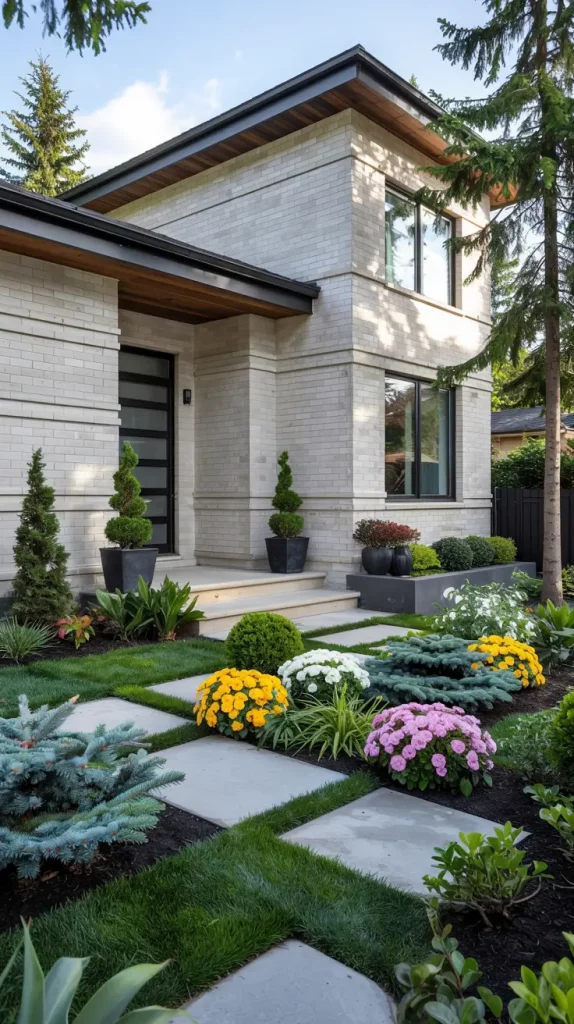
I incorporate evergreen plants for structure, seasonal flowers for color, and materials that withstand changing weather conditions. Flexible elements like movable planters or modular seating allow the space to adapt easily.
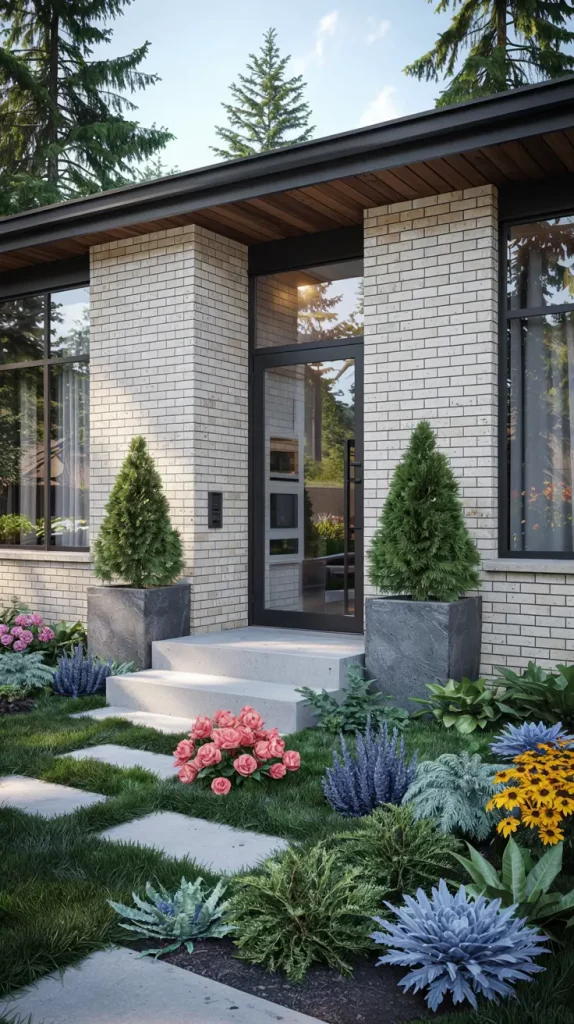
From my experience, clients appreciate a yard that evolves rather than stays static. As highlighted by landscape experts in HGTV, seasonality adds life and variation to outdoor spaces.
To improve this section, I would include more strategies for winter design and low-light conditions.
Modern Front Yard Ideas That Increase Property Value
Investing in thoughtful modern front yard ideas can significantly increase property value. I approach these designs with both aesthetics and long-term return in mind.
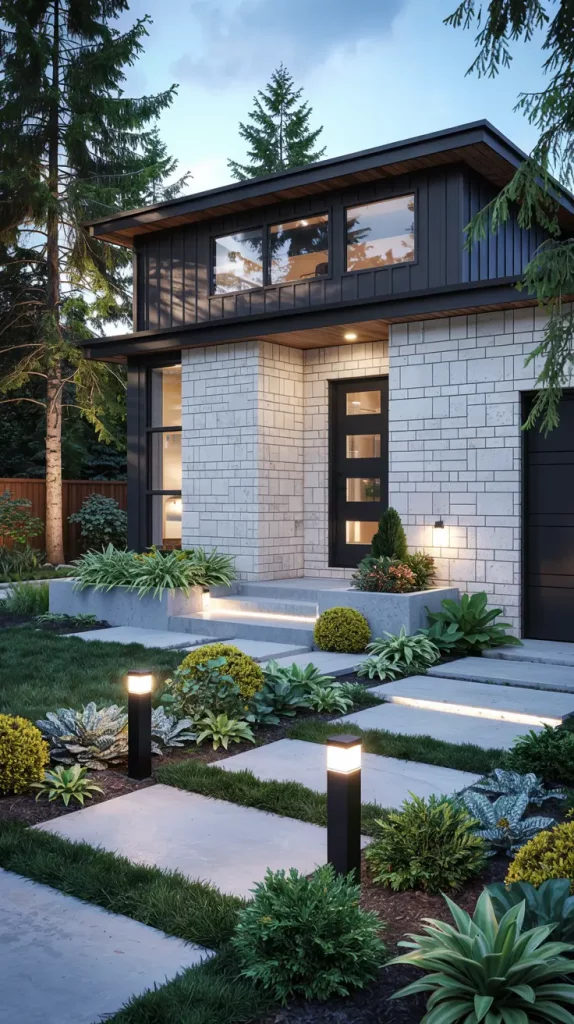
Key features include clean layouts, high-quality materials, and low-maintenance landscaping. A well-designed entry path, modern lighting, and cohesive planting can dramatically enhance curb appeal.
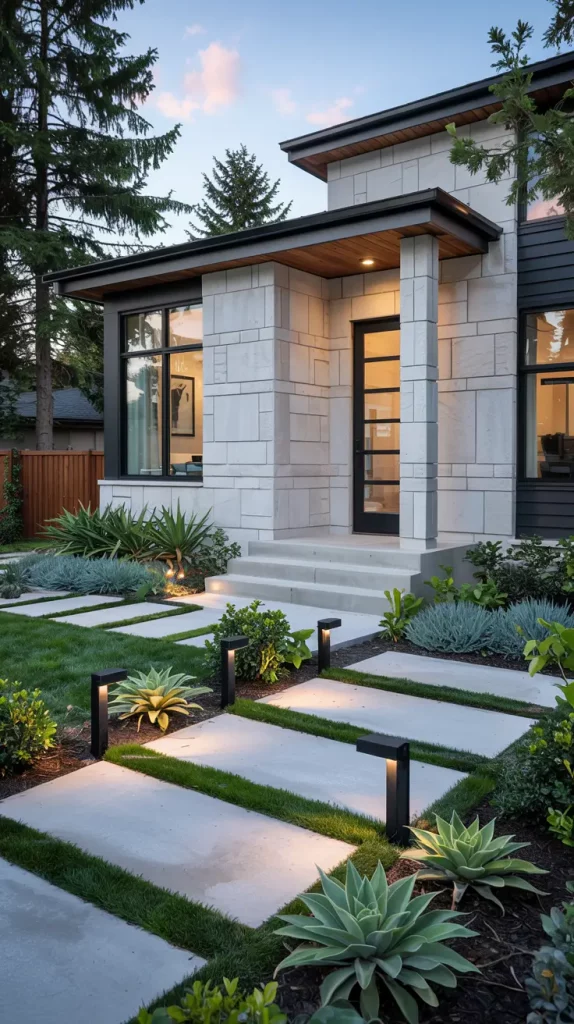
In my work, I’ve seen how even small upgrades can make a big difference during resale. Real estate experts often emphasize that first impressions are critical, and the front yard plays a major role.
To enhance this section, I would include cost-benefit comparisons for different design elements.
Mixing Textures In Modern Front Yard Hardscape Design
Texture is a powerful tool in modern front yard hardscape design, and I use it to create contrast and visual interest. Combining different materials adds depth without cluttering the space.
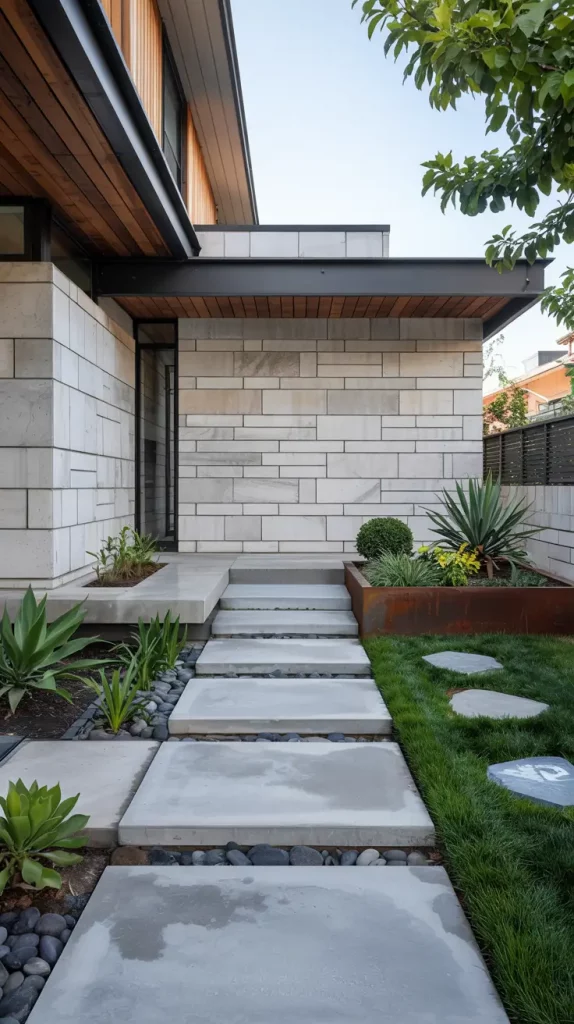
I often pair smooth concrete with rough stone, metal accents with wood, or gravel with large pavers. These combinations create a layered and sophisticated look that defines modern design.
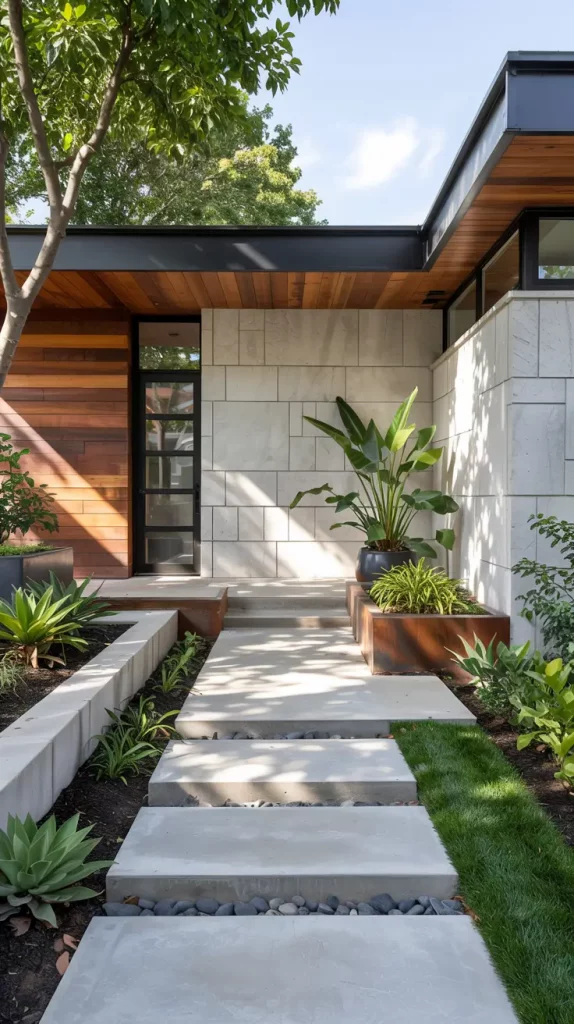
From my perspective, texture is what makes a minimalist design feel rich and engaging. It adds complexity while maintaining simplicity.
To complete this section, I would include more examples of texture combinations for different architectural styles.
Modern Front Yard Garden Designs With Sculptural Elements
Adding sculptural elements is a unique way to elevate a modern front yard garden. I treat these elements as focal points that bring personality and artistic expression into the space.
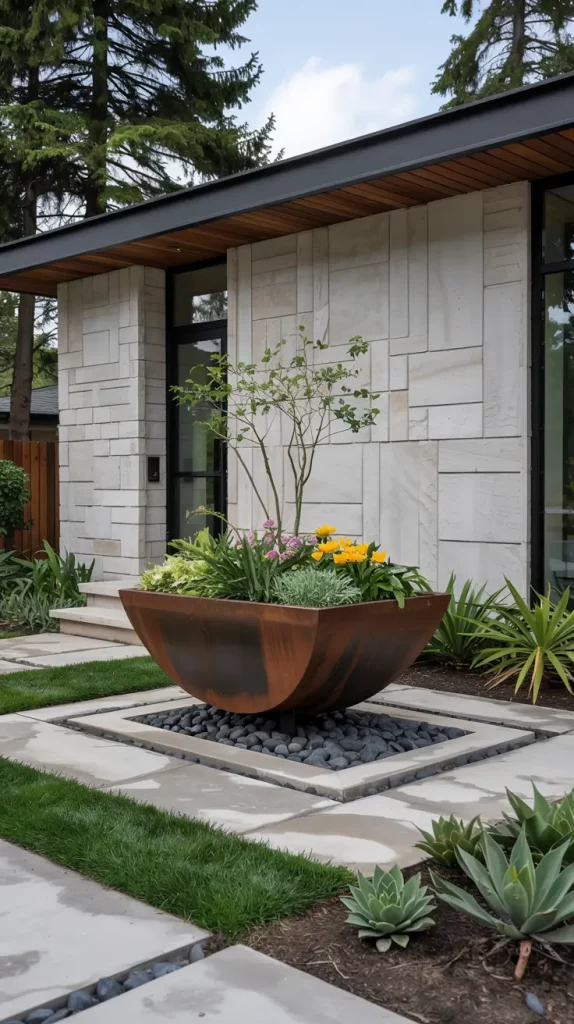
I incorporate modern sculptures, statement planters, or uniquely shaped trees. These features draw attention and create a strong visual identity.
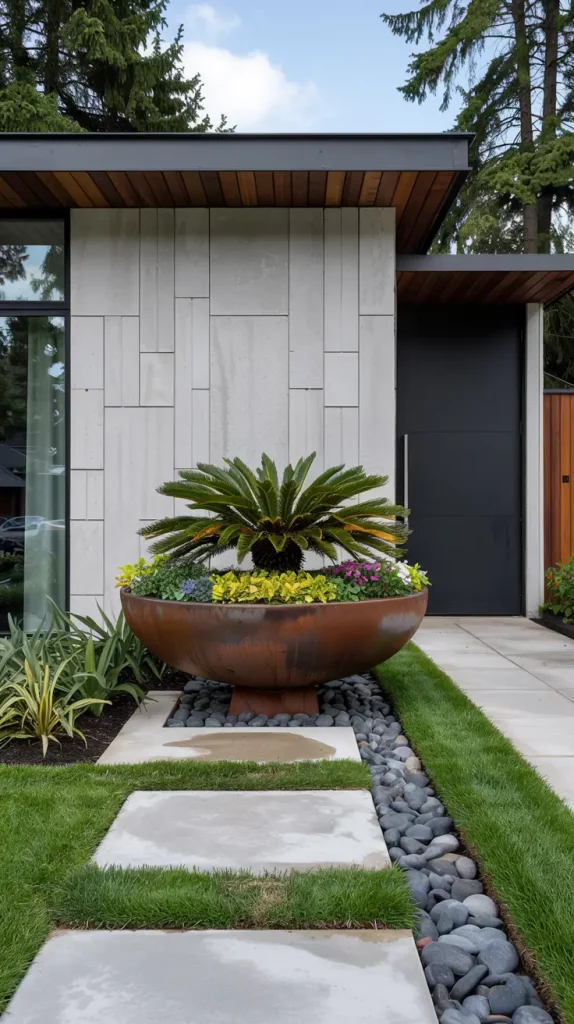
In my experience, sculptural elements work best when used sparingly. They should complement the overall design rather than dominate it.
To strengthen this section, I would include more guidance on scale and placement to achieve the best results.
Privacy Solutions In Modern Front Yard Landscaping
Privacy is an important consideration in modern front yard landscaping, especially in urban environments. I aim to create separation without sacrificing openness or style.
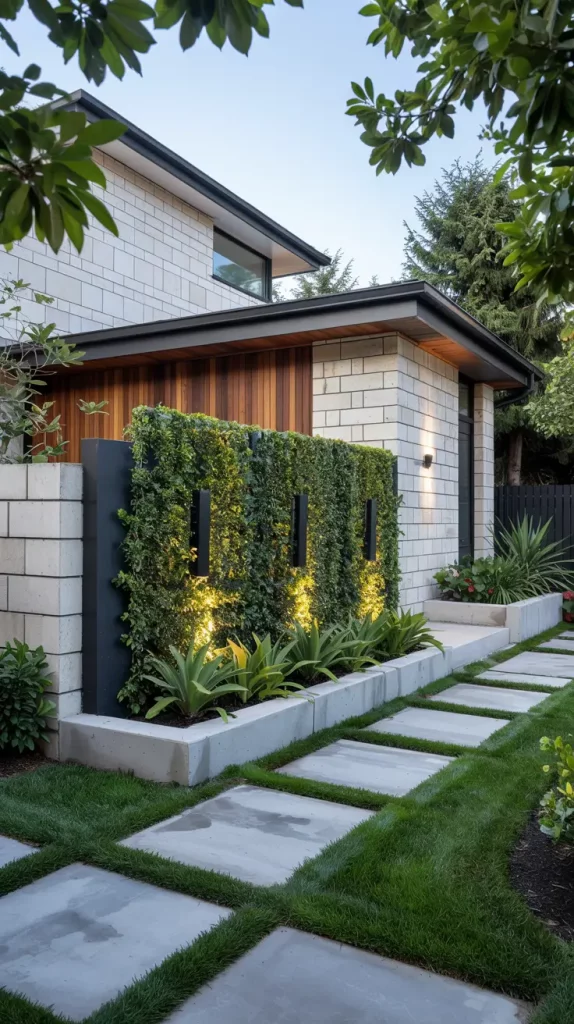
I use a combination of fencing, hedges, and vertical screens to define boundaries. These elements are designed to blend seamlessly with the overall aesthetic.
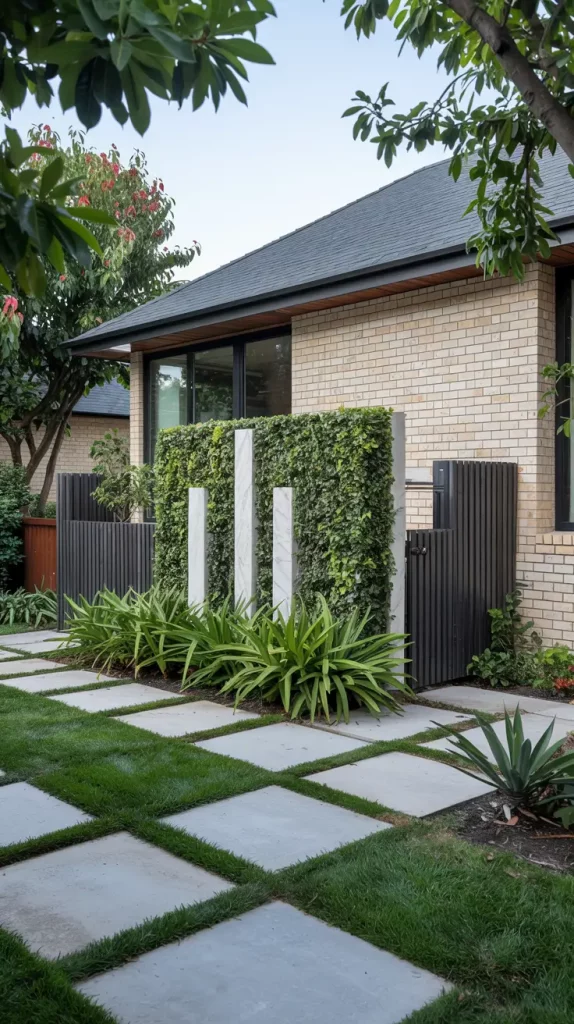
Personally, I believe privacy solutions should feel integrated rather than imposed. They should enhance the design while providing comfort and security.
To improve this section, I would add more innovative solutions such as layered planting and adjustable screens.
Budget-Friendly Modern Front Yard Landscaping Ideas
When working with limited resources, I approach modern front yard landscaping ideas with a focus on simplicity and smart planning. A modern aesthetic doesn’t require expensive materials—it relies on clean composition, thoughtful layout, and restraint. In 2026, budget-friendly design is about achieving maximum visual impact with minimal elements while maintaining the integrity of modern front yard landscaping.
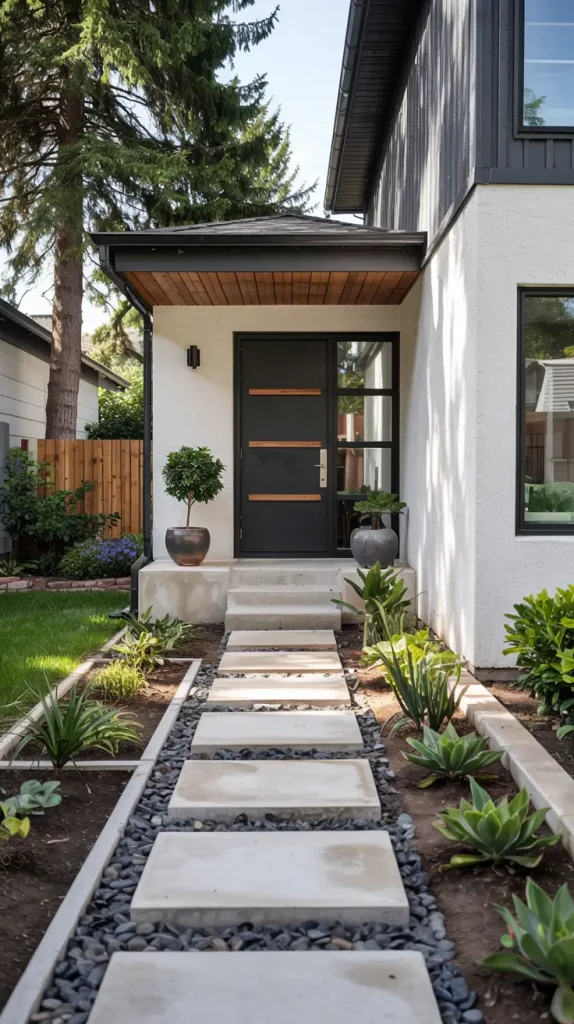
I often use gravel, mulch, and basic concrete pavers to create structure without overspending. Repetition is key—grouping the same plants or materials creates a cohesive look. I also recommend choosing a few strong focal points, such as a statement planter or a simple pathway, rather than trying to include too many features. This approach supports a clean and effective modern front yard landscape.
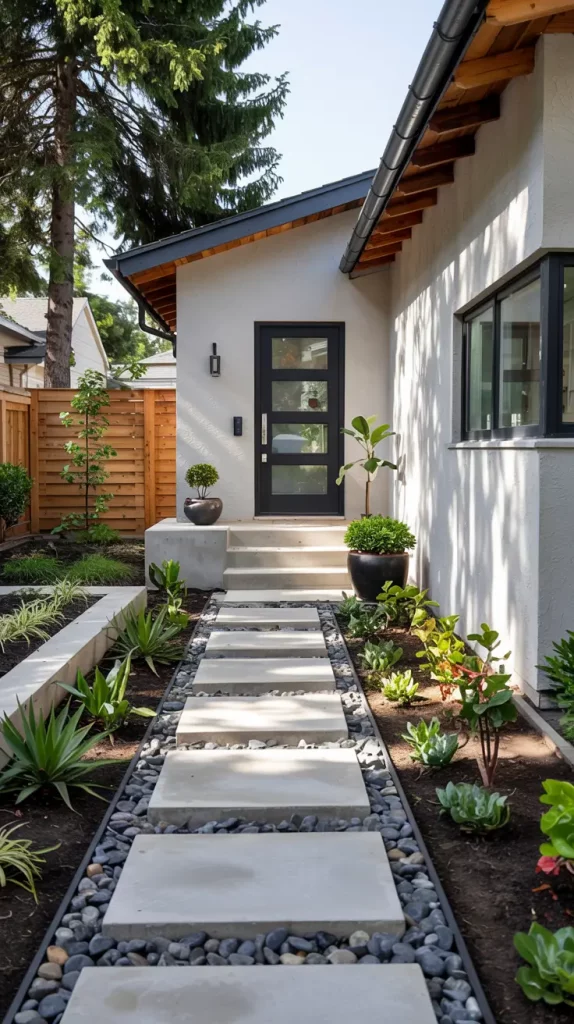
From my experience, budget constraints often lead to more creative and refined solutions. Many designers featured on platforms like Houzz emphasize that simplicity is at the core of modern design.
To enhance this section, I would include more DIY strategies and phased design approaches for gradual improvements.
Future-Proof Modern Front Yard Designs For Changing Lifestyles
Designing modern front yard designs for the future means anticipating how needs and lifestyles will evolve. I focus on flexibility, durability, and adaptability to ensure the space remains relevant over time.
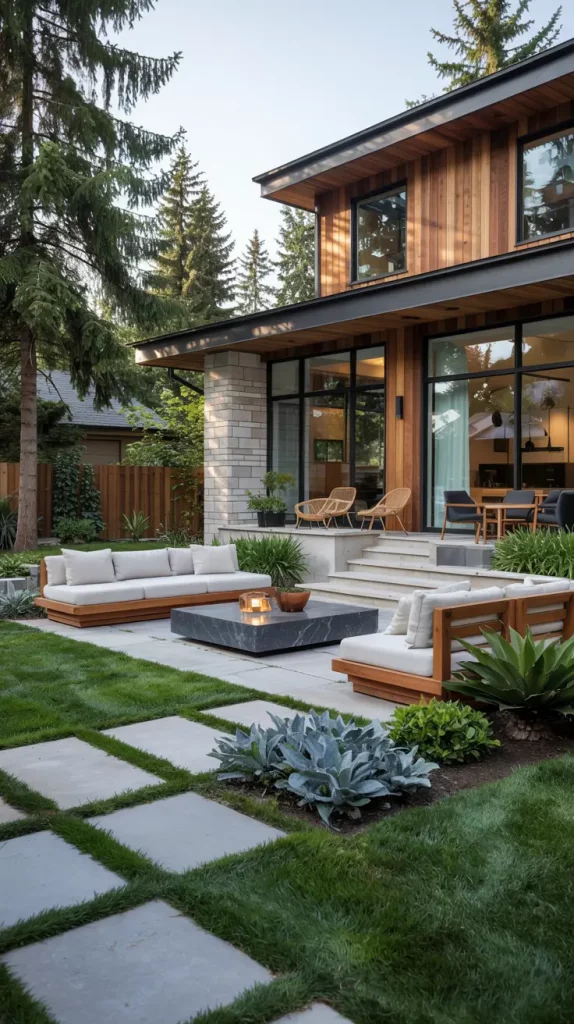
I incorporate modular furniture, adaptable layouts, and durable materials that can withstand changing conditions. Multi-functional spaces are essential—areas that can serve as both relaxation zones and social spaces. Technology integration also plays a role, allowing homeowners to update features without major renovations.
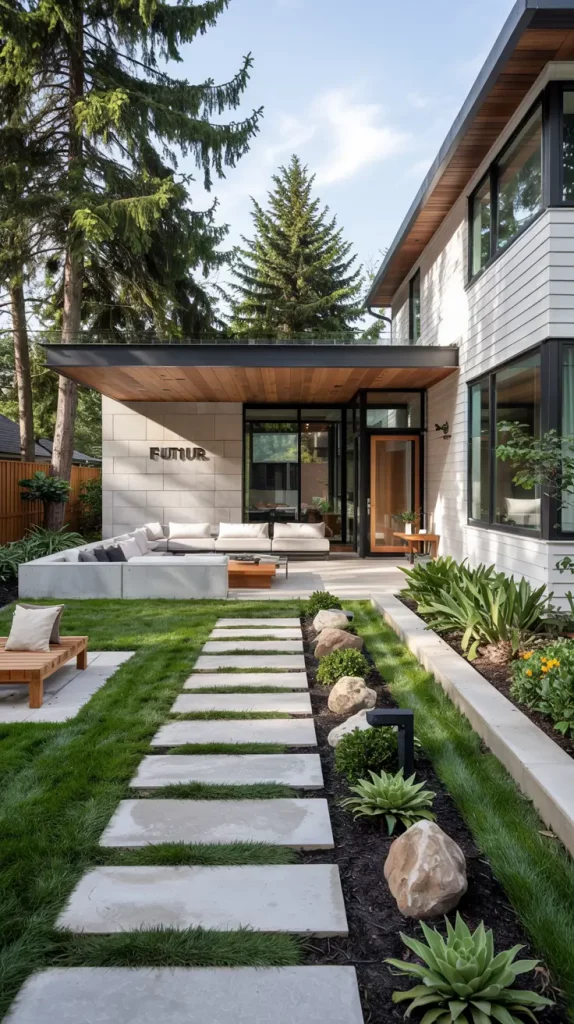
In my opinion, future-proofing is about creating a foundation that can evolve. As highlighted in Architectural Digest, timeless design comes from flexibility rather than rigid planning.
To complete this section, I would add more insights on integrating emerging technologies and sustainable innovations into long-term design strategies.
Conclusion