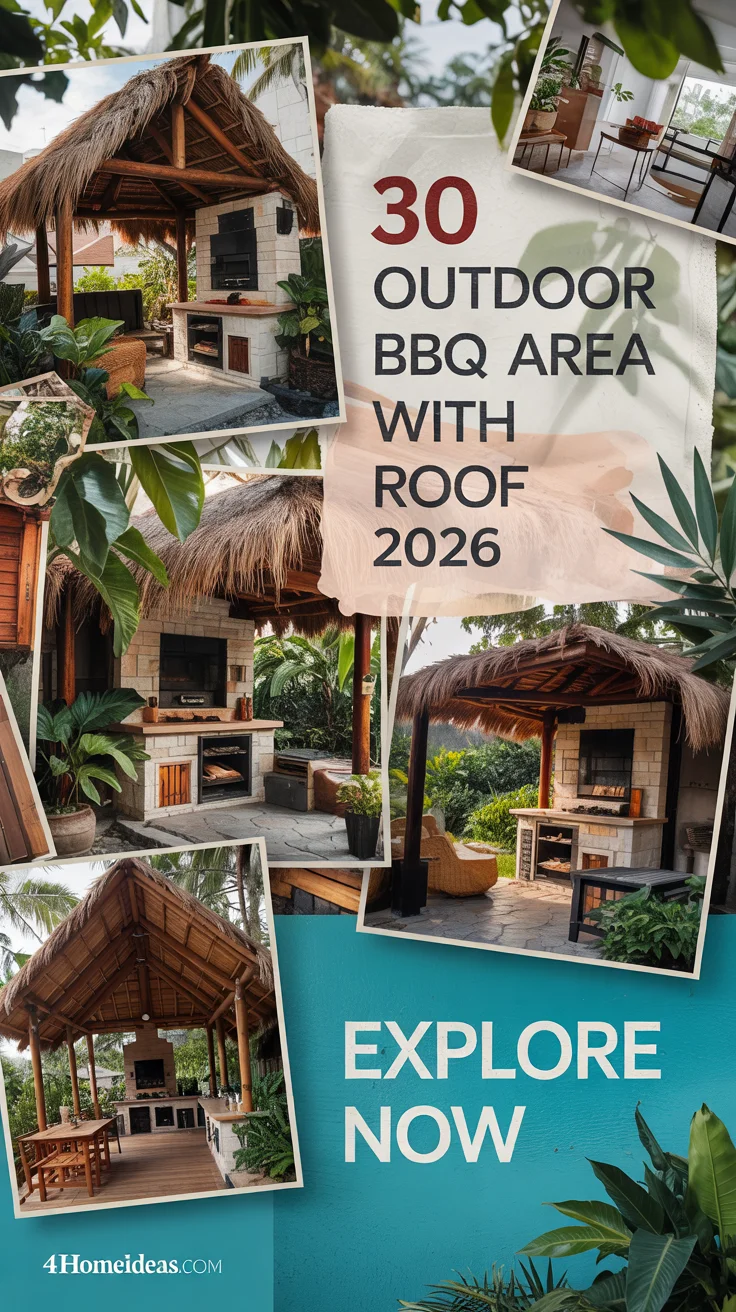
What will outdoor entertaining look like in 2026, and how can homeowners design a space that works in every season? Can a single structure combine comfort, functionality, and modern aesthetics while still feeling open and inviting? In this article, I explore how an outdoor bbq area with roof is evolving in 2026, focusing on practical design solutions, materials, furniture, and layouts that elevate outdoor living. From compact backyards to expansive entertainment zones, a thoughtfully designed outdoor bbq area with roof can become one of the most valuable and frequently used spaces in a home.
What Defines A Modern Outdoor BBQ Area With Roof
I define a modern outdoor BBQ area with roof as a seamless extension of the home’s living space, designed with purpose rather than as an afterthought. In 2026, this means clean architectural lines, durable materials, and a layout that balances cooking, dining, and relaxation. The roof is no longer just a cover; it becomes a defining design element that frames the entire space and protects it from sun, rain, and wind.
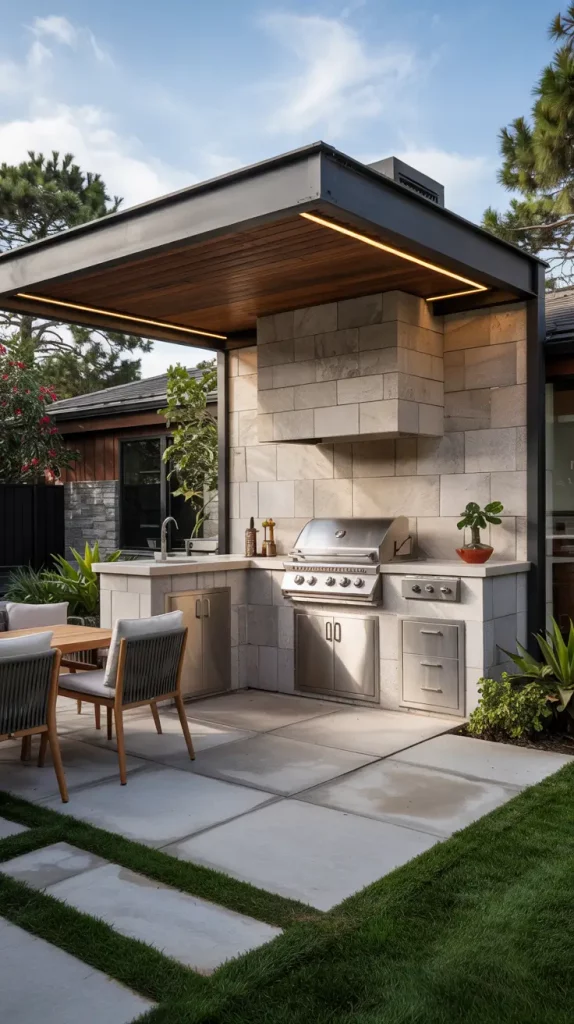
From my experience, essential design components include a permanent or semi-permanent roof structure, integrated lighting, and weather-resistant surfaces. Built-in grills, prep counters, and storage units are typically arranged in a logical workflow to improve usability. Comfortable seating, dining tables, and subtle décor elements help the area feel complete rather than purely functional.
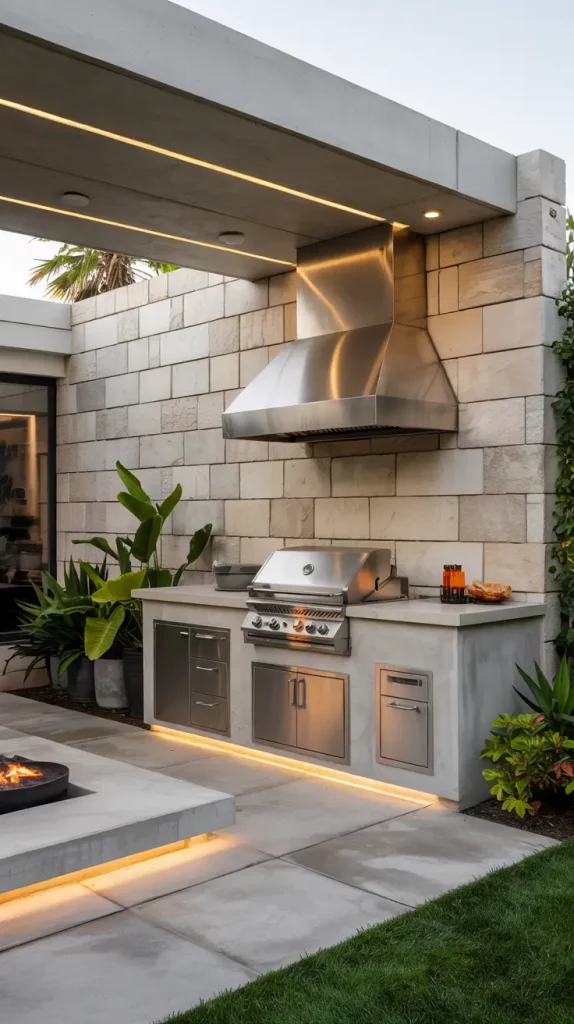
Personally, I believe the key to a successful outdoor BBQ area lies in treating it like an outdoor room. Designers featured in Architectural Digest often emphasize cohesion between indoor and outdoor spaces, and I fully agree. What’s often missing at this stage is a clear plan for utilities—electricity, gas, and water should be addressed early to avoid compromises later.
Why An Outdoor BBQ Area With Roof Is Essential In 2026
I see the growing demand for covered BBQ areas as a direct response to changing lifestyles. In 2026, homeowners want flexible outdoor spaces that work beyond summer weekends. A roofed BBQ area allows consistent use regardless of weather, turning outdoor cooking into a year-round activity rather than a seasonal one.
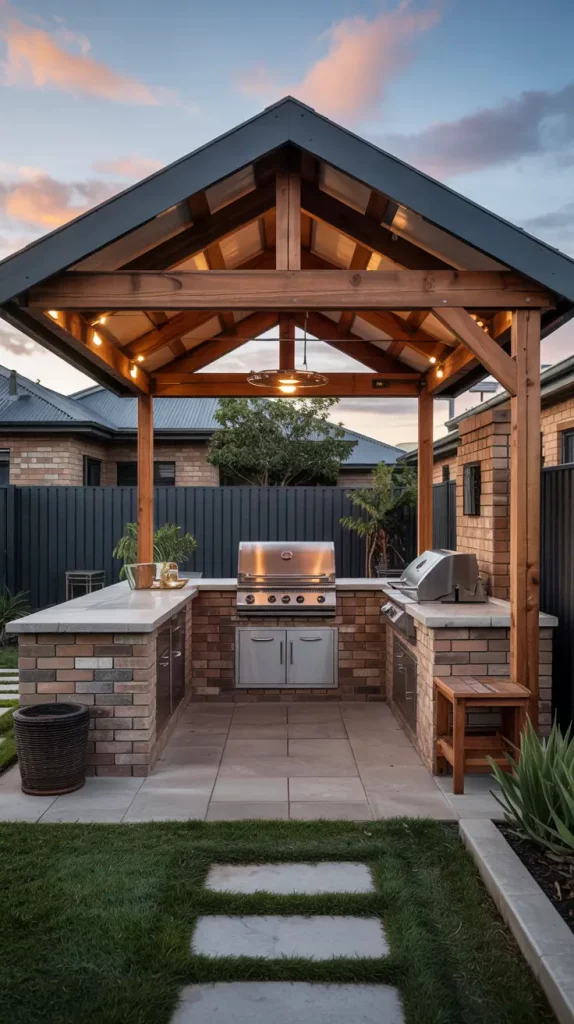
Functionally, the roof protects appliances, furniture, and finishes from sun damage and moisture. I always recommend including overhead lighting, ceiling fans, or heaters to enhance comfort. These additions make the space usable during evenings and cooler months, which is increasingly important for families who entertain often.
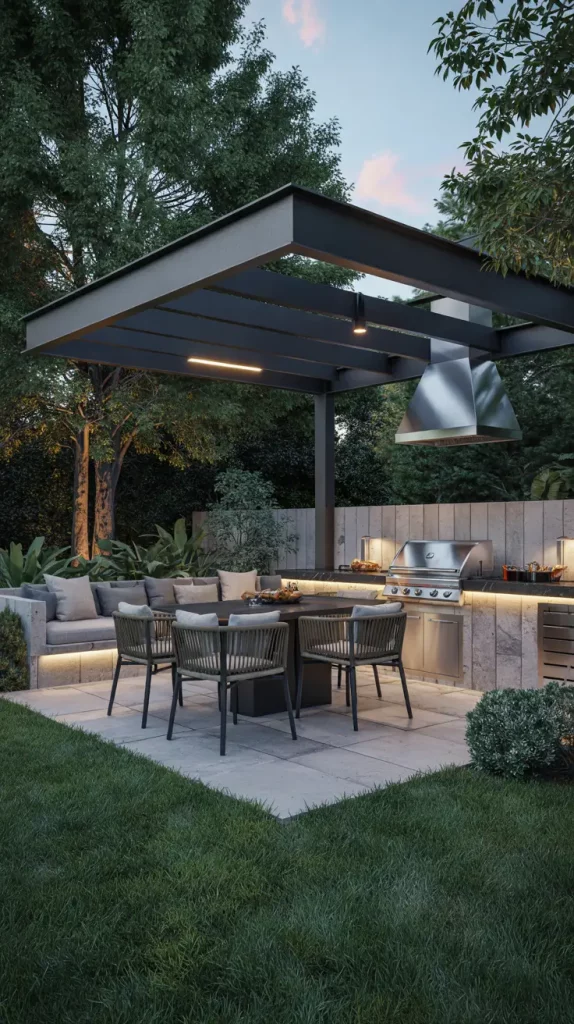
In my professional opinion, this trend aligns with advice from Better Homes & Gardens, which highlights outdoor rooms as a top priority for modern home design. What’s often overlooked, however, is acoustics—adding soft materials or wooden ceiling panels can significantly reduce noise and echo under a hard roof surface.
Benefits Of A Covered Outdoor BBQ Area For All Seasons
A covered outdoor BBQ area offers consistent functionality throughout the year, which is why I consider it a smart long-term investment. The roof shields the space from rain, intense sunlight, and falling debris, allowing homeowners to cook and entertain comfortably in various conditions.
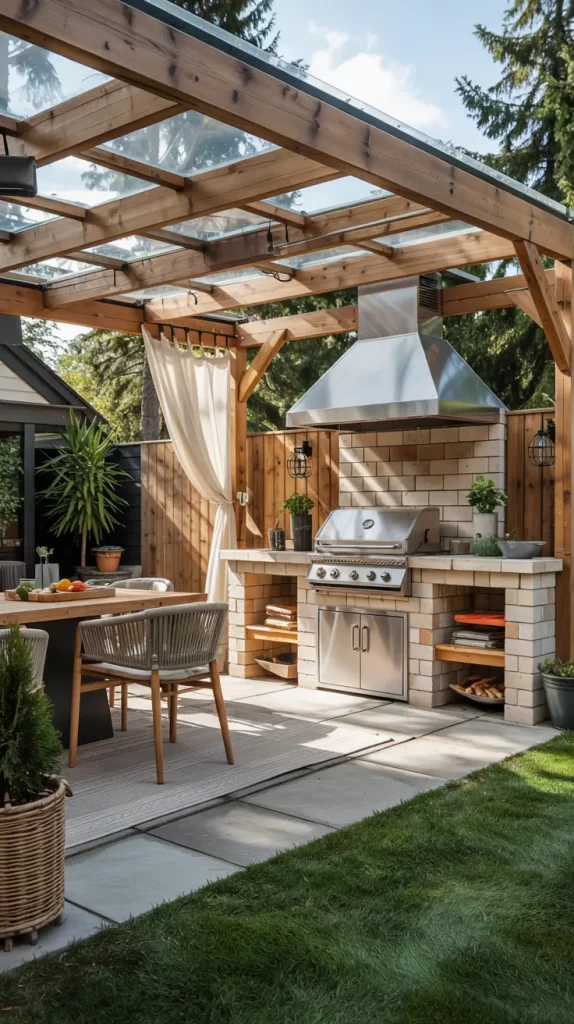
I usually suggest pairing the roof with weather-resistant furniture, sealed countertops, and slip-resistant flooring. These elements ensure safety and durability while maintaining a refined look. Adding roll-down shades or outdoor curtains can further improve comfort by blocking wind or low-angle sun.
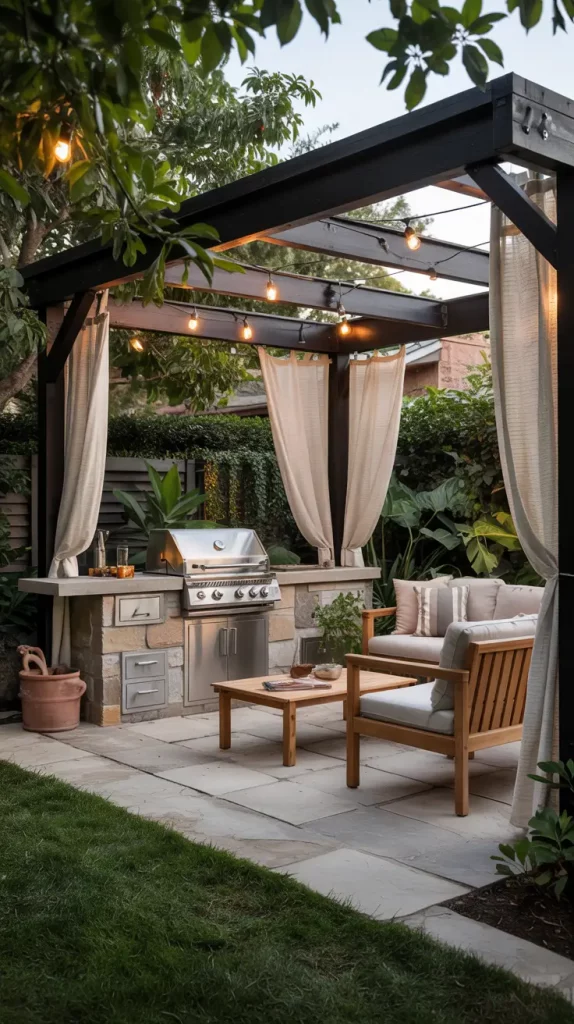
From my perspective, one of the biggest advantages is psychological—people use covered spaces more often. Designers quoted in HGTV frequently note that homeowners gravitate toward protected outdoor areas. To complete this setup, I recommend incorporating subtle heating elements to truly support year-round use.
Best Roof Styles For Outdoor BBQ Areas In 2026
When choosing roof styles in 2026, I focus on how the structure complements the home’s architecture. Flat roofs offer a minimalist, modern look, while gabled or pitched roofs create a more traditional feel. Pergola-style roofs with adjustable slats are also popular for their balance of shade and openness.
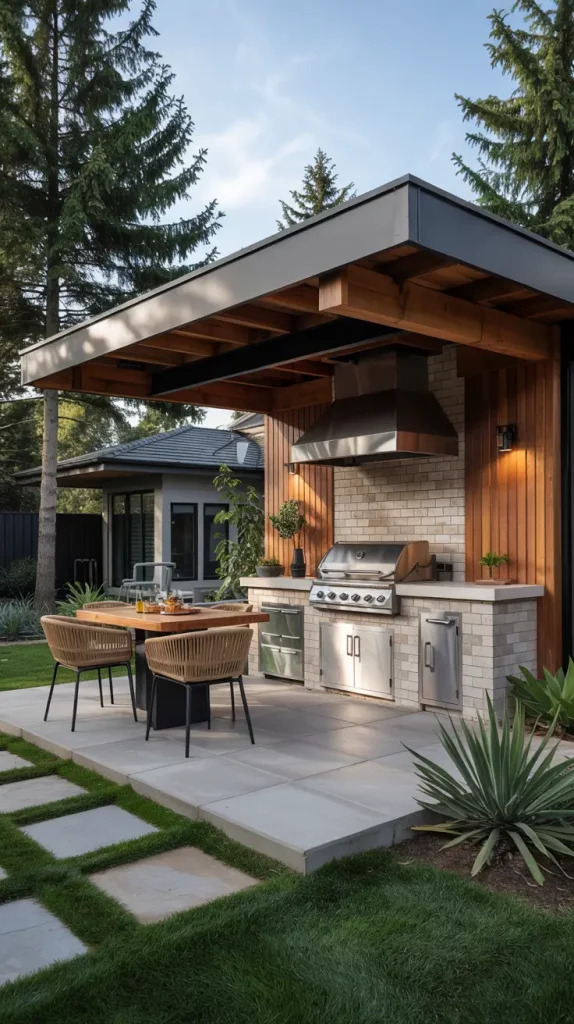
Each roof style influences how the space functions. Solid roofs provide full protection, while pergolas allow airflow and filtered light. I often advise clients to consider drainage, ceiling height, and integration with lighting fixtures when selecting a style.
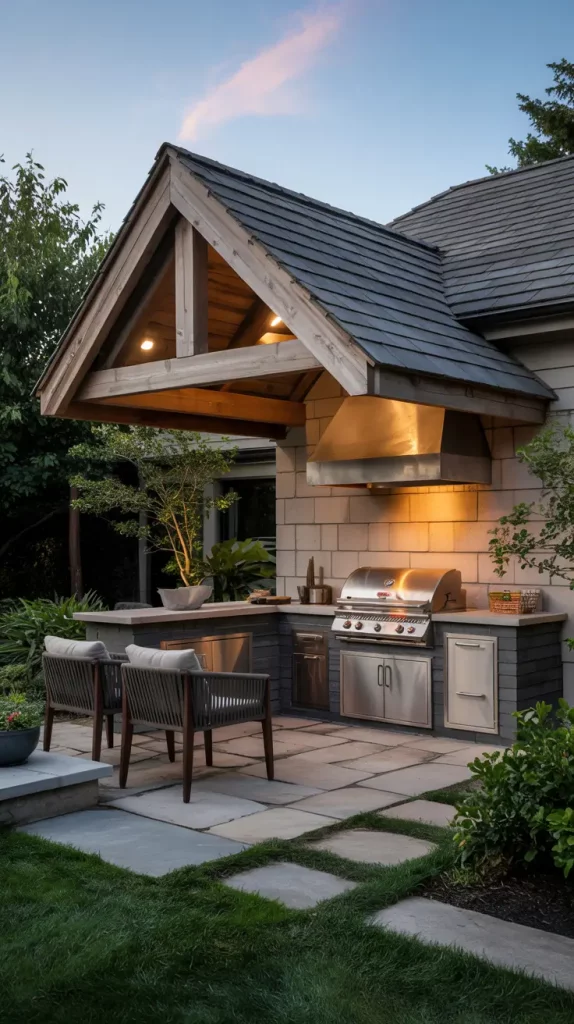
In my experience, publications like Dwell emphasize adaptability in outdoor structures, which I strongly support. What’s sometimes missing is proper guttering and water management, which should always be integrated into the roof design from the start.
Choosing The Right Roofing Material For A BBQ Area
Material selection plays a major role in the longevity of an outdoor BBQ area. I typically recommend materials like aluminum, treated wood, polycarbonate panels, or metal roofing, depending on climate and aesthetic goals. Each option offers a different balance of durability, maintenance, and visual appeal.
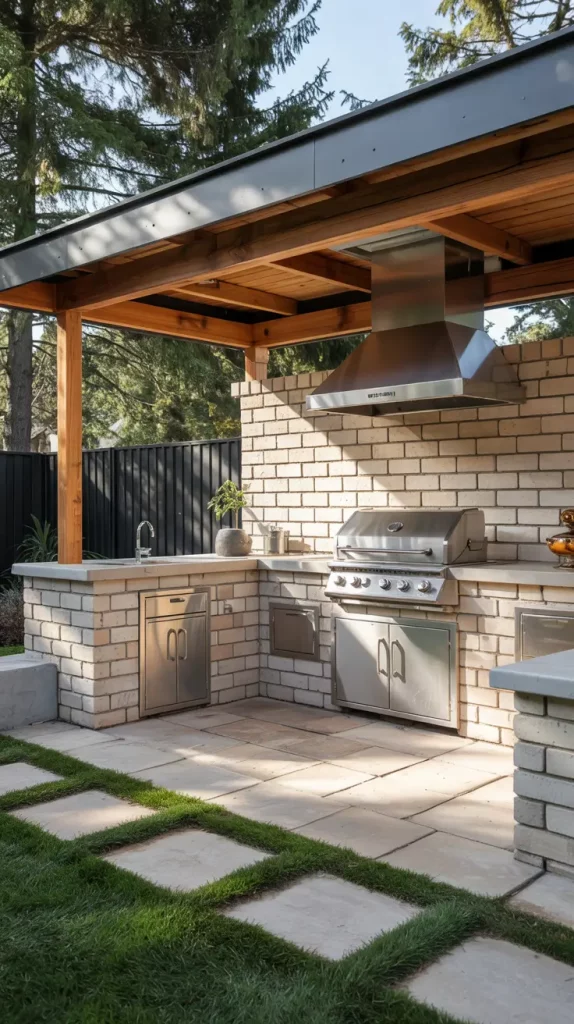
I pay close attention to heat resistance and ease of cleaning. For example, metal roofing reflects heat well, while polycarbonate allows natural light without direct sun exposure. Wooden beams add warmth but require proper sealing and maintenance.
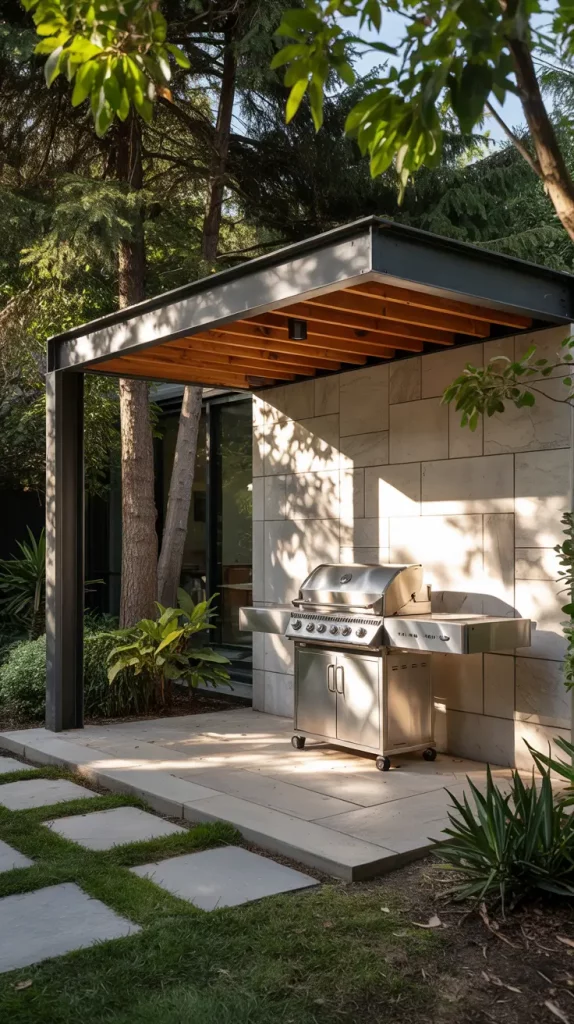
From my professional standpoint, This Old House consistently advises prioritizing low-maintenance materials for outdoor structures. What’s often overlooked is sound—metal roofs can amplify rain noise, so adding insulation or acoustic backing can greatly improve comfort.
Pergola Roof Designs For Stylish Outdoor BBQ Spaces
Pergola roofs remain one of my favorite options for stylish outdoor BBQ areas. They provide structure while maintaining a visual connection to the outdoors. In 2026, pergolas often feature motorized louvers or retractable fabric panels for adjustable shade.
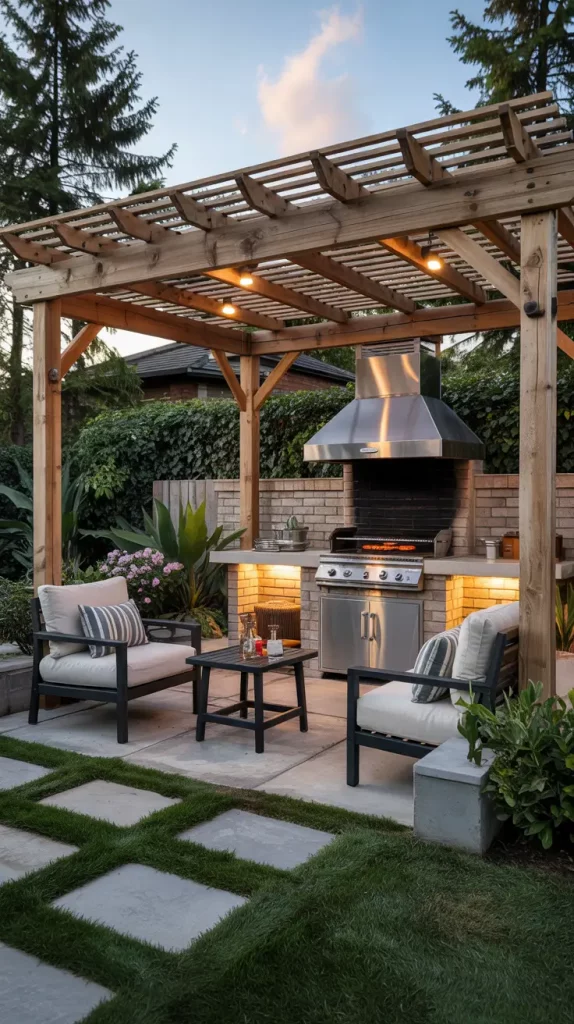
I usually pair pergolas with built-in seating, sleek grills, and warm wood or composite finishes. Integrated lighting along the beams enhances ambiance without overwhelming the space. These design choices make pergolas both functional and visually light.
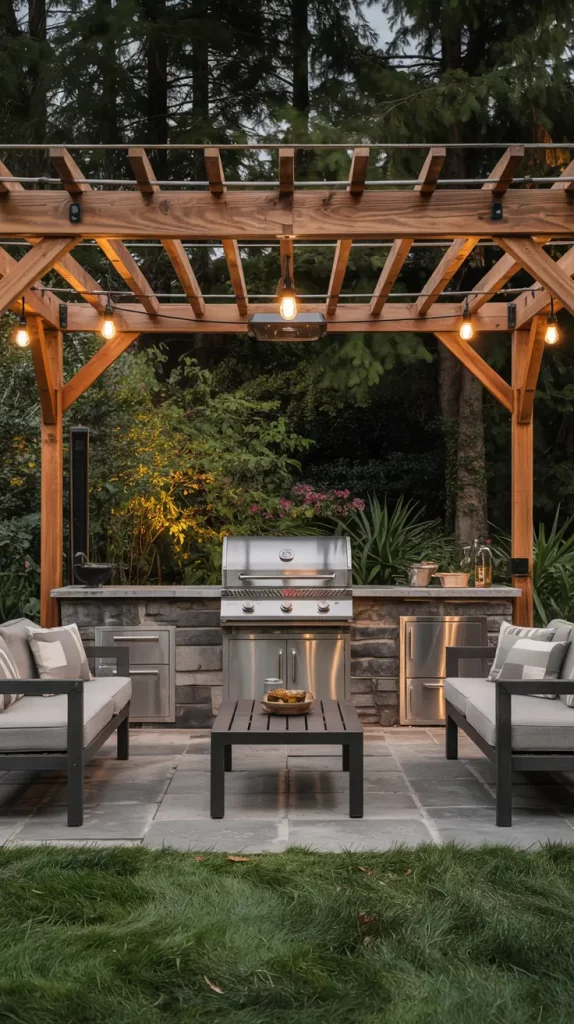
Personally, I appreciate how pergolas encourage airflow and natural light. Designers featured in Elle Decor often highlight pergolas for modern outdoor living. To improve functionality, I recommend adding side panels or greenery for partial wind protection.
Solid Roof Structures For Maximum Weather Protection
Solid roof structures are ideal when maximum protection is the priority. I often recommend them for regions with heavy rain, strong sun, or colder climates. These roofs create a fully sheltered environment that feels closer to an indoor kitchen.
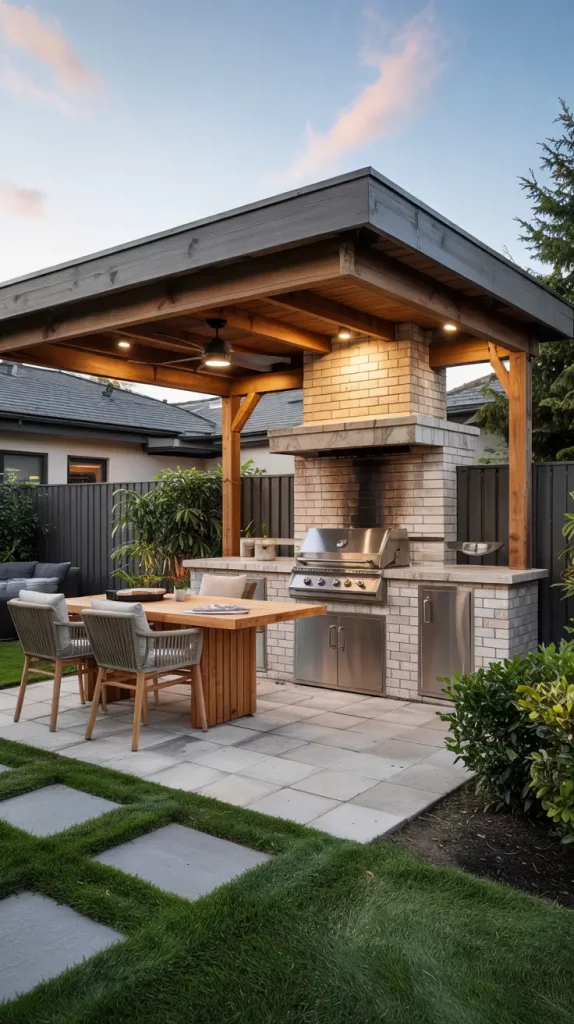
In my designs, solid roofs work best with recessed lighting, ceiling fans, and integrated ventilation. I also suggest durable countertops, stainless steel appliances, and upholstered outdoor seating rated for covered use.
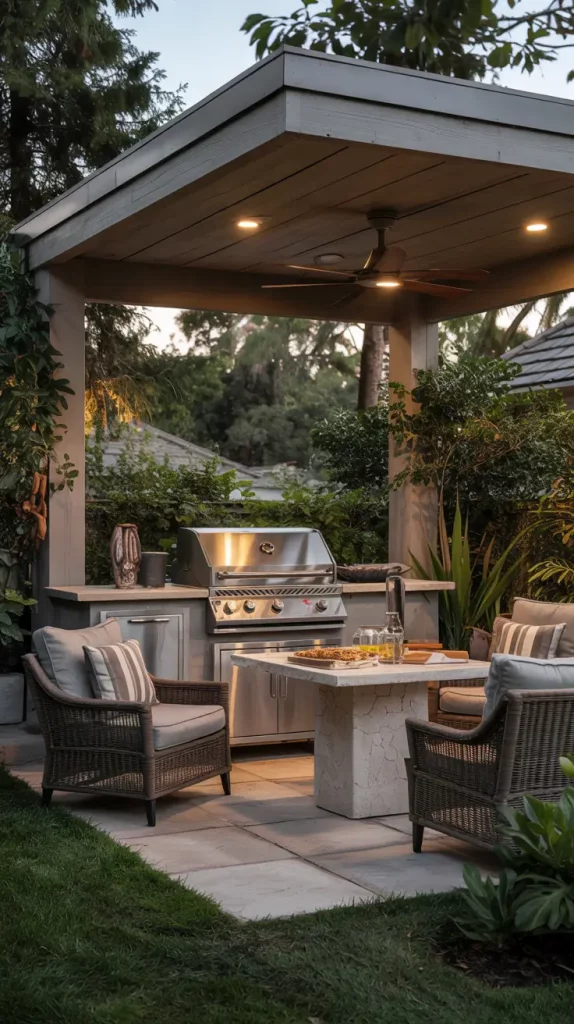
From my experience, solid roofs significantly increase usability and comfort. Forbes Home frequently notes that fully covered outdoor kitchens add long-term value. What’s essential to add here is proper ventilation planning to prevent smoke buildup under the roof.
Retractable Roof Options For Flexible BBQ Areas
When I design a flexible outdoor bbq area with roof, retractable roofing systems are often my favorite solution. These systems allow homeowners to control sunlight, airflow, and shade with incredible precision. In 2026, retractable roofs come in motorized versions that glide open effortlessly, making them perfect for both sunny afternoons and cozy evenings. This adaptability ensures that the BBQ area remains functional regardless of weather conditions, which is a huge advantage for year-round entertaining.
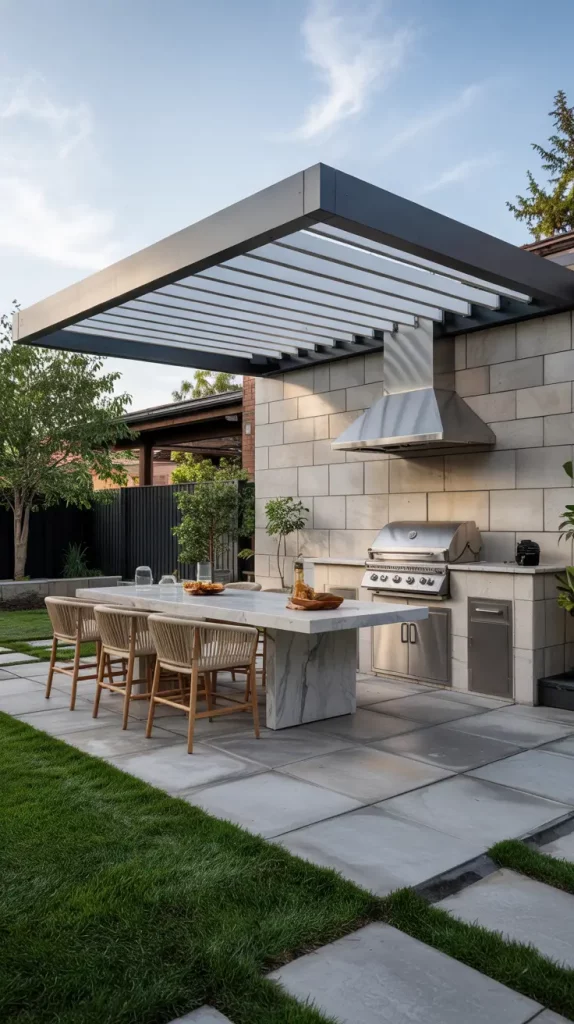
I like to pair retractable roofs with materials such as aluminum frames, high-performance outdoor fabrics, and tempered glass panels. Each material serves a purpose: aluminum for durability, fabric for diffused light, and glass for maintaining visibility of the sky. I also incorporate adjustable lighting and strong structural supports, which give the space a polished professional look while maintaining ease of use.
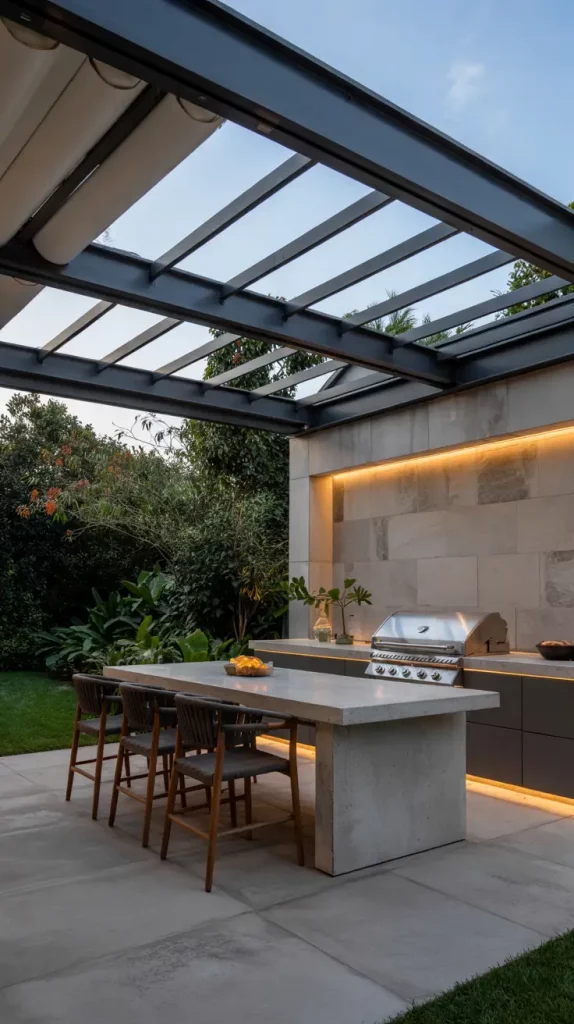
From my personal experience, retractable roofs tend to impress homeowners who want maximum control over their outdoor environments. Designers in Sunset Magazine often highlight flexible outdoor systems as a growing trend in modern landscaping. To elevate this section even further, I’d suggest adding built-in rain sensors that automatically close the roof—a feature that provides both convenience and peace of mind.
How To Design A Functional Outdoor BBQ Area With Roof
When I approach designing a functional outdoor bbq area with roof, I begin with the cooking zone layout. The grill should be positioned where smoke won’t blow into seating areas, and traffic flow should feel natural. I plan zones for prep, cooking, serving, and dining so the space functions like a streamlined kitchen but with a more relaxed, open-air atmosphere. The roof plays an essential role in defining and sheltering these zones.
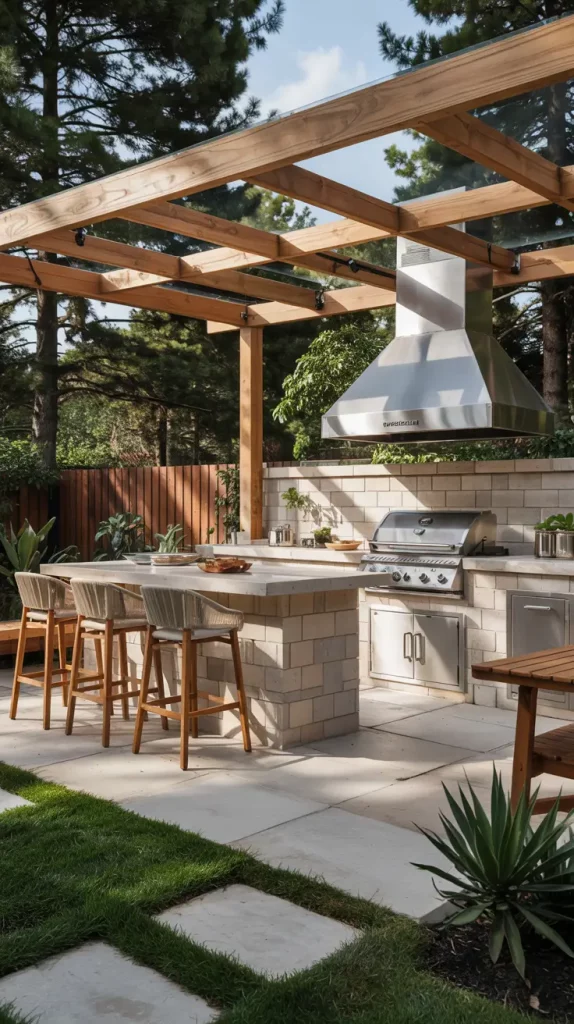
I include durable countertops, weather-resistant cabinetry, and dedicated storage for utensils. The seating arrangement should encourage conversation, so I often place a dining table nearby and add bar stools along an island or counter. Lighting, especially layered lighting, is crucial—task lighting for cooking and warm ambient lighting for dining help set the right tone.
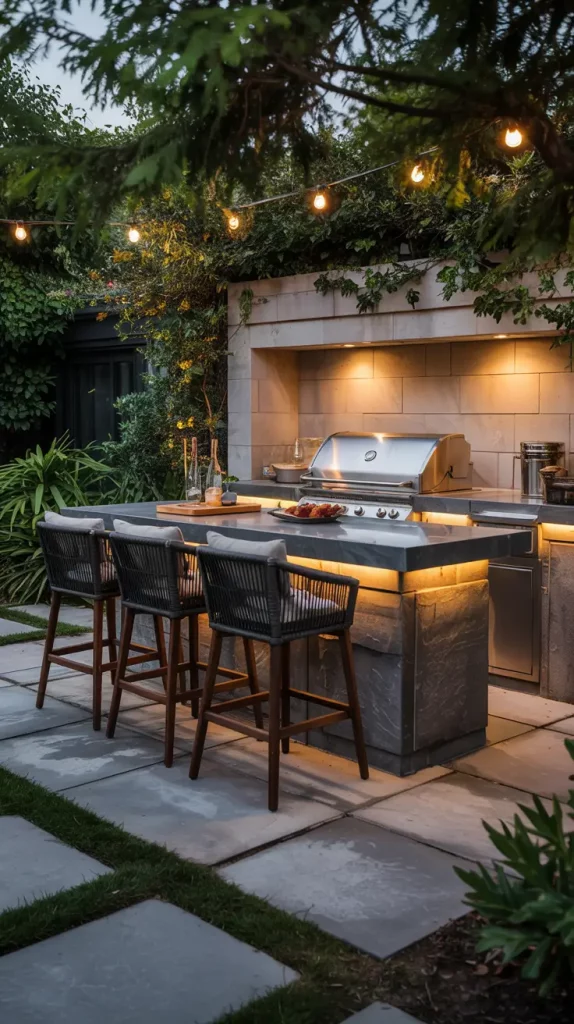
In my experience, homeowners appreciate when the layout feels intuitive and familiar. House Beautiful frequently stresses the importance of “zones” in outdoor design, and I agree wholeheartedly. What I would add here is a focus on appliance accessibility—placing drawers and outlets strategically to reduce unnecessary movement while cooking.
Ideal Layouts For Small Outdoor BBQ Areas With Roof
Designing small outdoor bbq area with roof layouts has taught me how much can be achieved in compact spaces. I prioritize minimalistic designs that use vertical surfaces and clever storage solutions. A slimline grill, fold-down tables, and built-in bench seating help keep the area organized while maintaining comfort. A small roof, whether solid or pergola-style, creates a sense of enclosure without overwhelming the space.
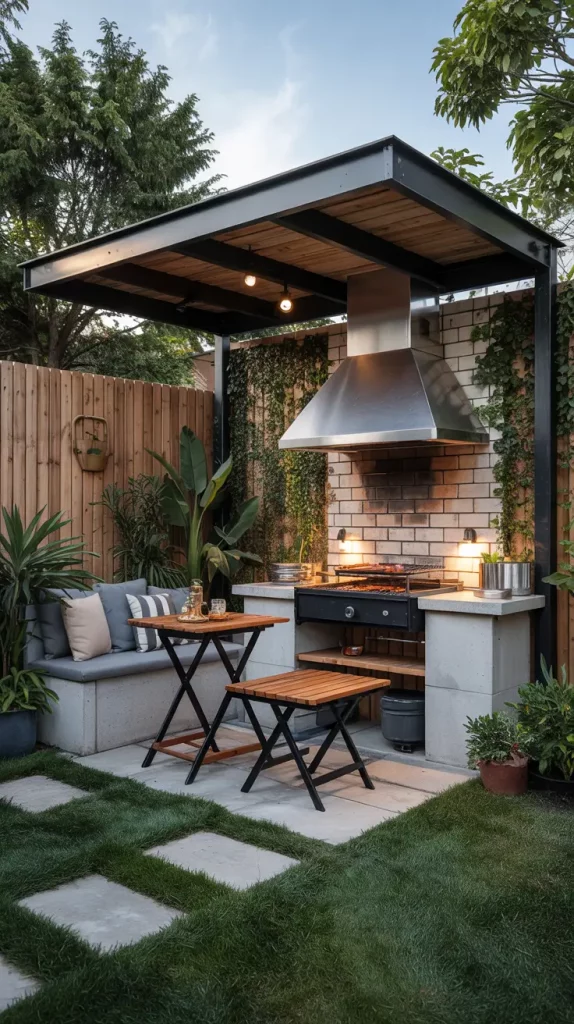
I rely on multifunctional furniture—such as benches with internal storage, narrow dining tables, and stools that tuck neatly away. Mounting lighting on the roof beams eliminates the need for bulky floor lamps. Using reflective materials like stainless steel, light composite decking, or pale stone helps the area feel larger and more open.
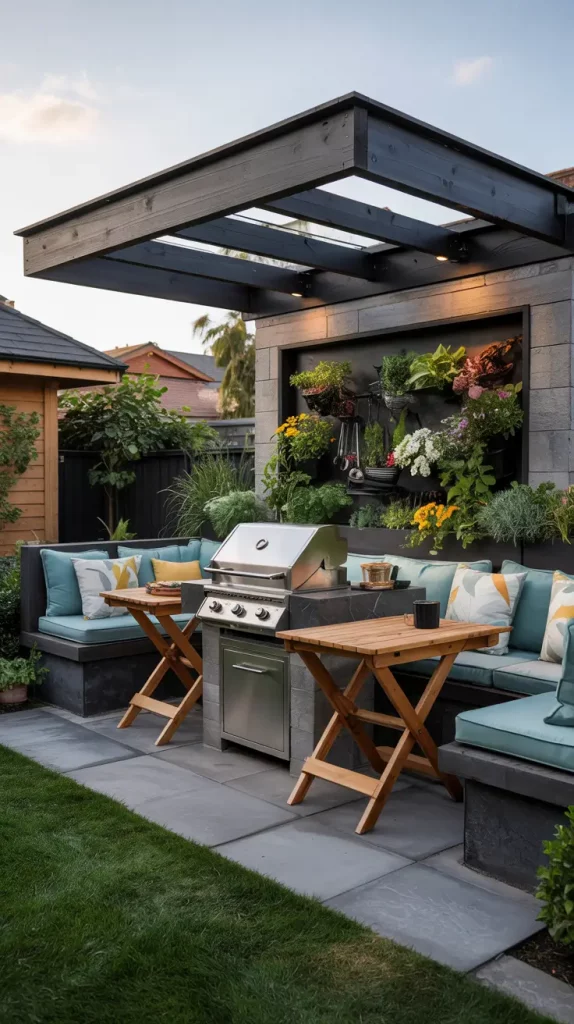
From experience, I’ve learned that small spaces require a heightened sense of discipline in design choices. As noted by Real Simple, clutter is the number one enemy of compact outdoor environments. I’d also suggest incorporating greenery on vertical trellises to add life without sacrificing square footage.
Large Outdoor BBQ Area With Roof Ideas For Entertaining
When I design large outdoor bbq area with roof layouts, I lean into the luxury of space. These areas can accommodate full outdoor kitchens, lounge spaces, dining zones, and even bars. A large roof structure unifies these areas, creating a cohesive environment for hosting large gatherings. I often design multiple “activity hubs” under one expansive roof, which helps define the flow of guests during events.
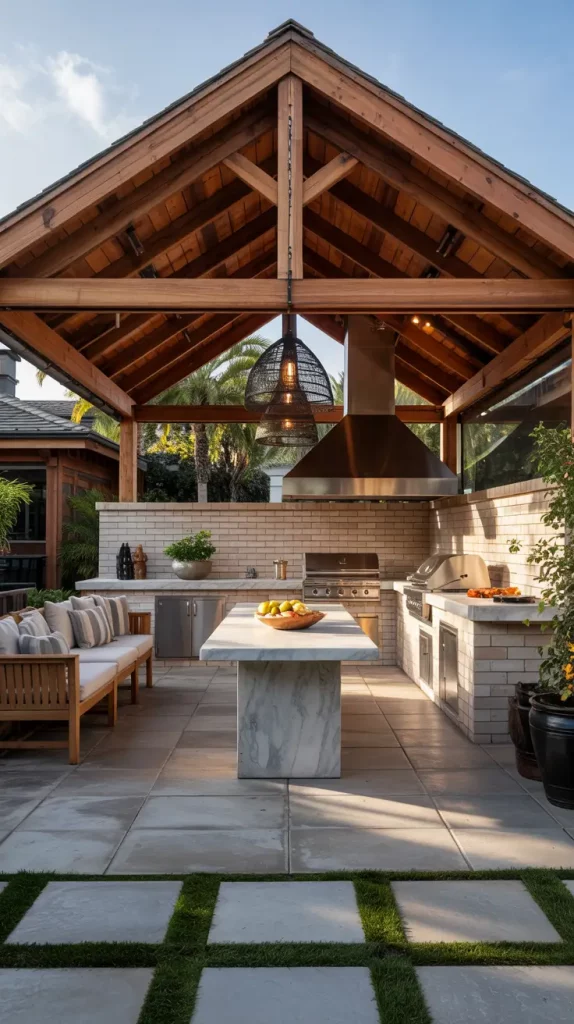
I choose high-capacity grills, oversized prep islands, and generous seating arrangements—sectional sofas, long dining tables, and clusters of lounge chairs. Decorative elements such as pendant lighting, ceiling fans, and outdoor art pieces add personality and depth. Ample walking space is essential to keep the environment comfortable during parties.
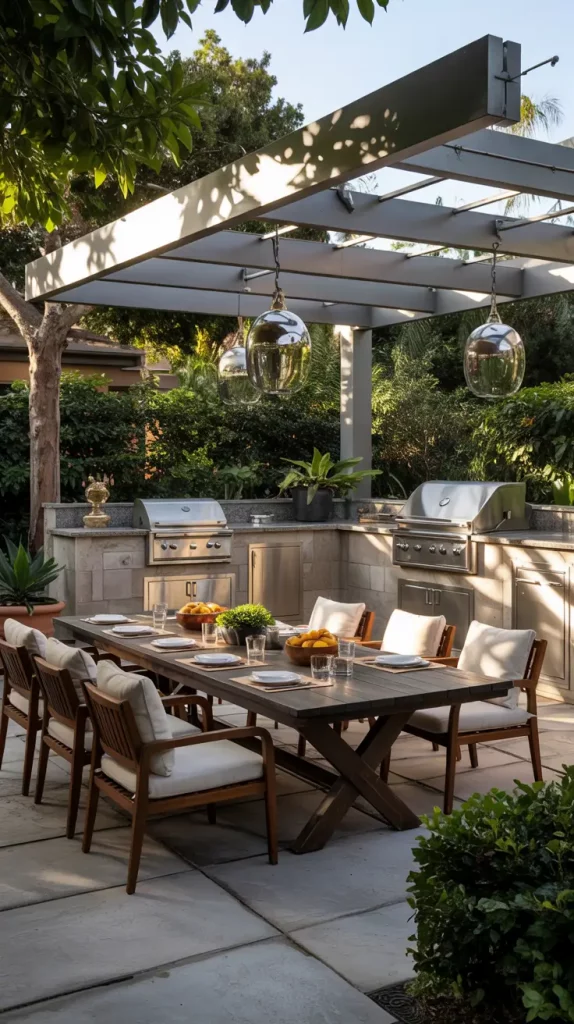
From my experience, large spaces offer the chance to incorporate statement architecture. Experts featured in Luxe Interiors + Design often emphasize dramatic rooflines and bold lighting choices for expansive outdoor areas. To enhance this section, I would add outdoor sound systems and integrated beverage stations to elevate the hosting experience.
Integrating The Grill Station Under A Covered Roof
Integrating the grill station under a covered roof requires careful planning to ensure safety, airflow, and comfort. When designing an outdoor bbq area with roof, I always start by positioning the grill where smoke naturally drifts away from seating. A proper ventilation hood or outdoor-rated exhaust system is essential to keeping the air clean and breathable beneath the roof.
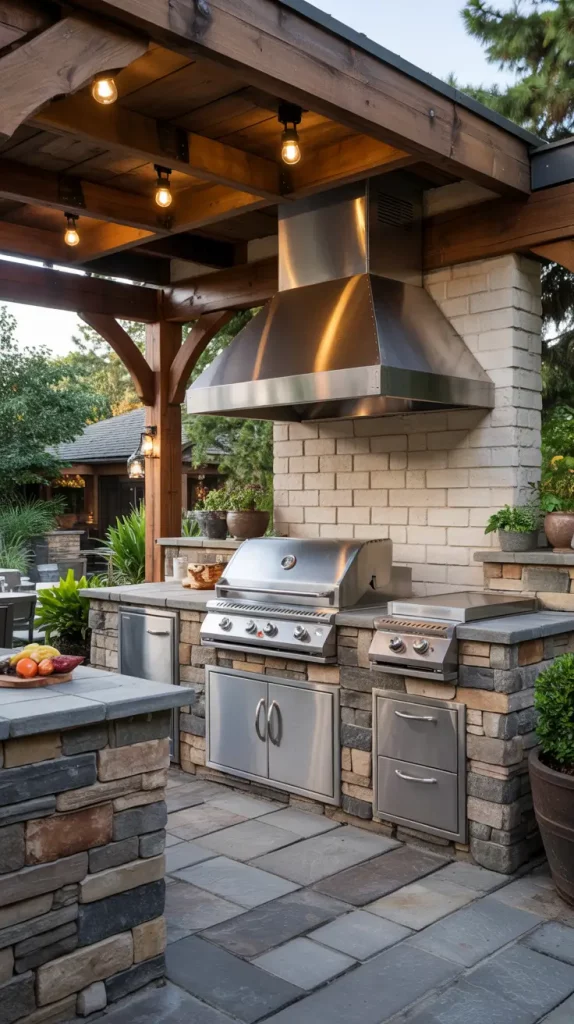
I incorporate stainless steel grills, heat-resistant backsplashes, and stone countertops to ensure durability. Adequate counter space on both sides of the grill improves workflow, while built-in storage keeps tools organized. The surrounding roof beams offer a perfect place to install task lighting, ensuring visibility during evening cooking sessions.
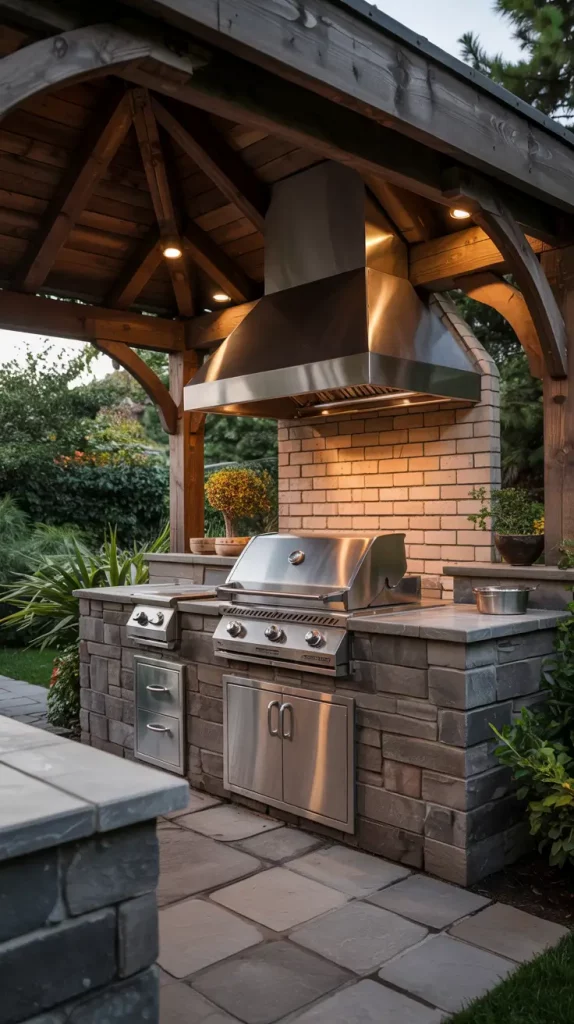
In my opinion, integrating the grill beneath a roof helps create a true outdoor kitchen experience. This Old House recommends prioritizing ventilation first, and I strongly agree. I would also add fireproof materials behind the grill area to maximize safety and longevity.
Outdoor BBQ Area With Roof And Built-In Kitchen Concepts
A built-in kitchen transforms an outdoor bbq area with roof into a fully functional cooking destination. When I design these spaces, I include appliances such as a refrigerator, sink, warming drawers, and storage cabinets. The roof helps protect all components, making them last longer and reducing maintenance issues.
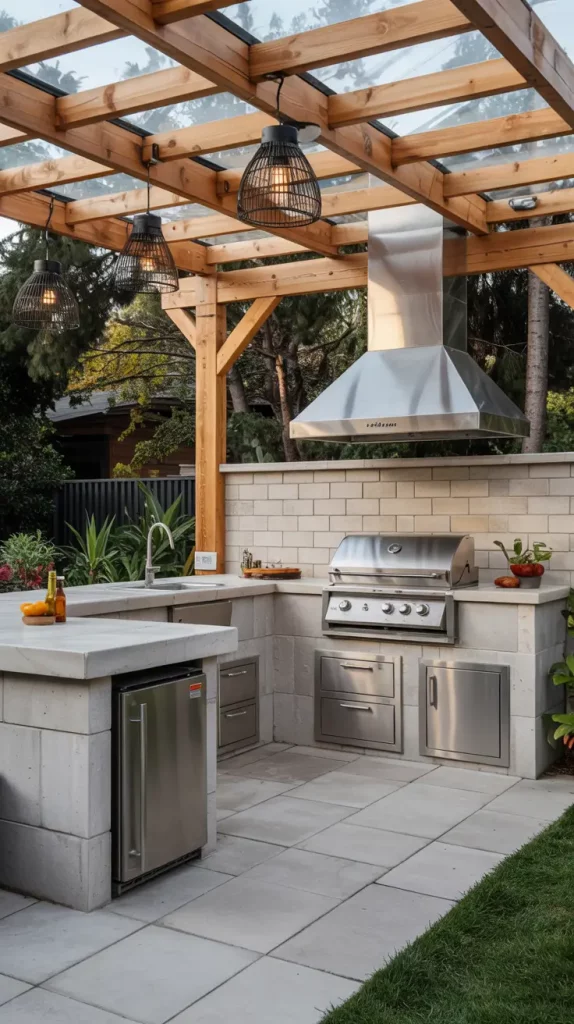
I select materials like quartz, concrete, or porcelain slabs for countertops because they are heat-resistant and easy to clean. For cabinetry, I often choose marine-grade polymer or stainless steel. Incorporating seating along a peninsula or island encourages interaction while cooking. Pendant lights hanging from the roof structure add character and strong visual appeal.
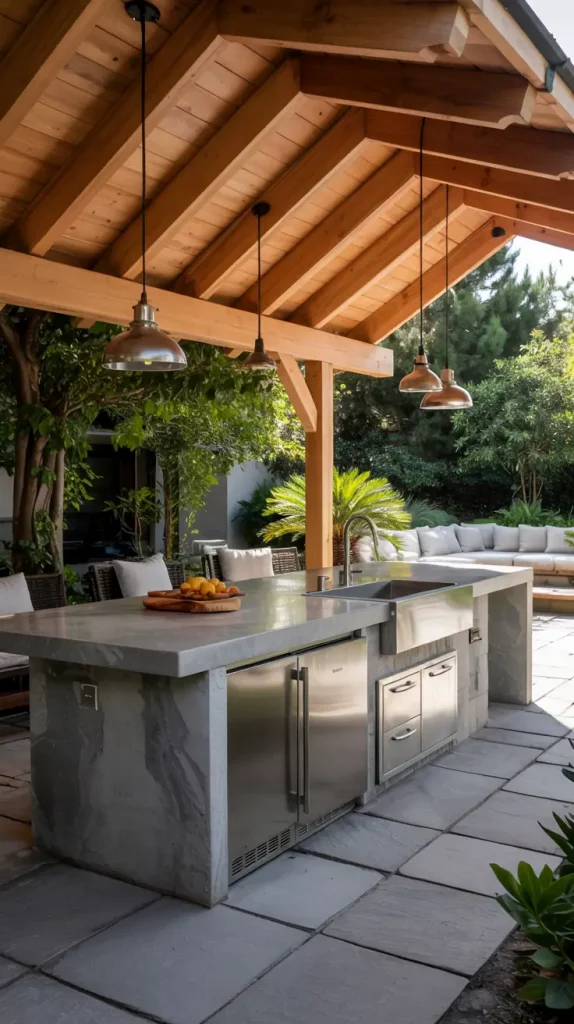
Based on my experience, homeowners appreciate the convenience of an outdoor kitchen that mirrors their indoor setup. Industry experts from Kitchen & Bath Design News often highlight the importance of functionality in outdoor kitchens. To further improve this section, I’d add weatherproof electrical outlets and USB ports for modern convenience.
Ventilation And Smoke Control For Covered BBQ Areas
Ventilation is one of the most crucial elements when designing an outdoor bbq area with roof. Without proper airflow, smoke can pool under the roof and reduce comfort. I start by measuring the grill’s BTUs and selecting an appropriate outdoor-rated vent hood. The hood should be wide enough and strong enough to capture smoke efficiently.
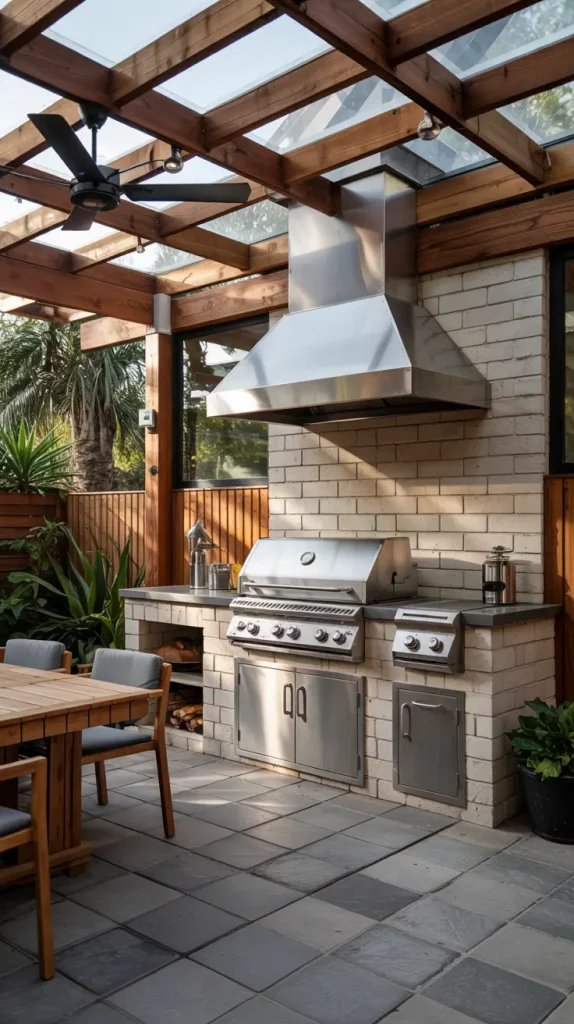
I choose high-powered blowers, stainless steel ducting, and fireproof backing materials to support a robust ventilation system. In addition, designing open sidewalls or installing operable windows enhances natural airflow. Ceiling fans can also help disperse smoke during heavy grilling sessions.
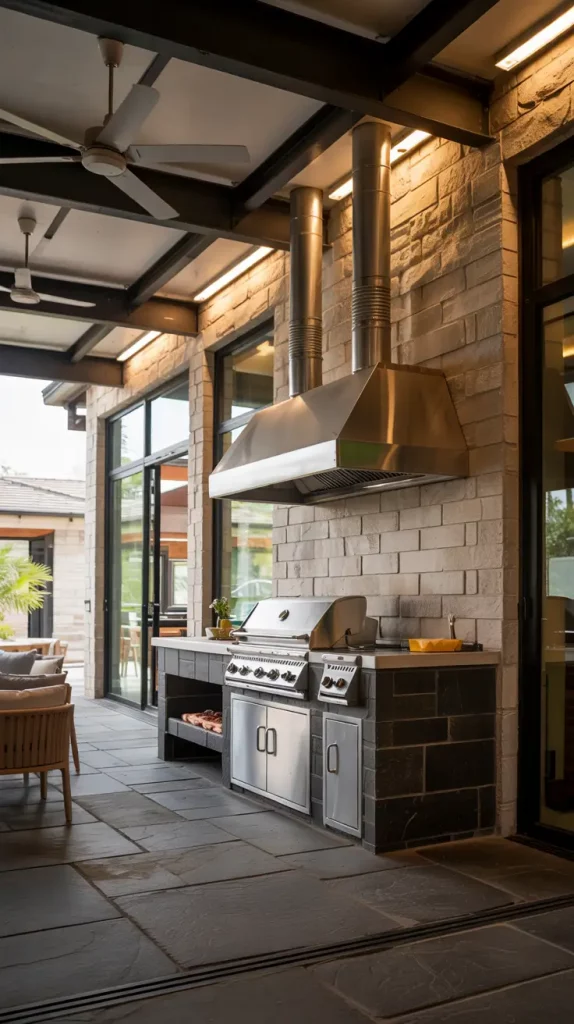
In my opinion, investing in proper ventilation significantly improves the experience of both cooking and entertaining. Professionals in BBQ Guys frequently emphasize that outdoor ventilation is just as important as indoor ventilation. To elevate this section further, I’d add a recommendation for automatic sensors that activate ventilation when smoke levels increase.
Lighting Ideas For An Outdoor BBQ Area With Roof
When I design lighting for an outdoor bbq area with roof, I approach it the same way I would design indoor lighting—layered, functional, and atmospheric. The roof provides an excellent opportunity to mount fixtures that brighten the cooking zone while also creating a warm, inviting ambiance. In 2026, lighting trends lean toward soft, diffused illumination that makes outdoor spaces feel intimate and thoughtfully curated.
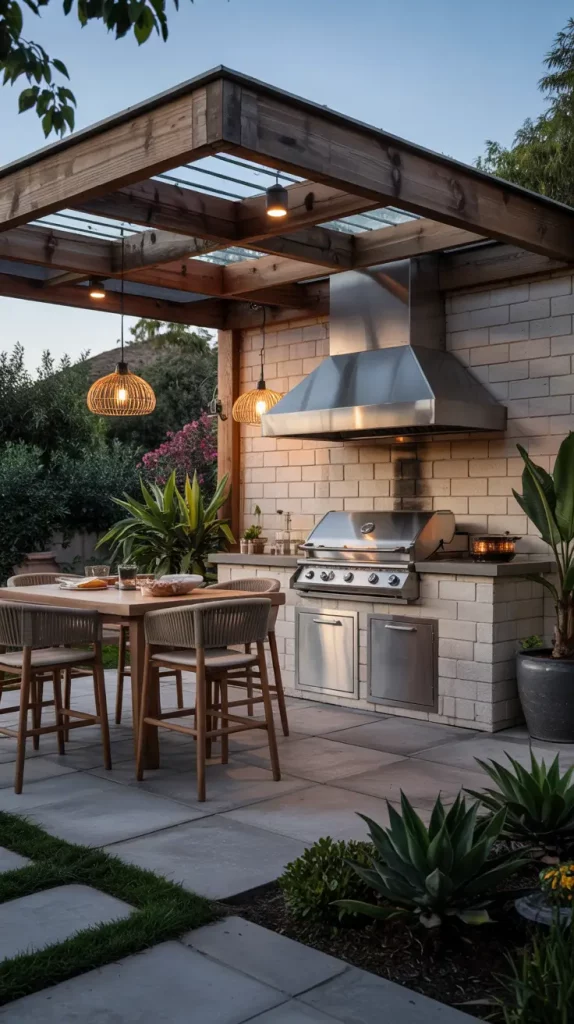
I typically select recessed LED lighting for general visibility, pendant lights for visual interest, and under-counter LED strips to illuminate work surfaces. Each of these fixtures serves a purpose: overhead lighting ensures safety, decorative lighting enhances mood, and task lighting supports cooking and food prep. I also prefer warm temperature lighting because it softens hard surfaces and makes outdoor spaces feel more luxurious.
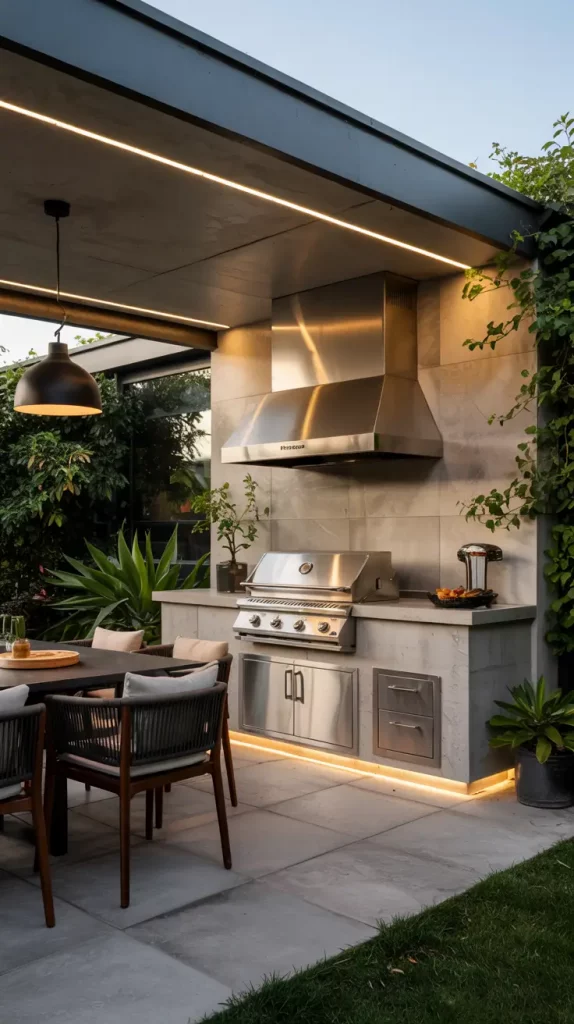
From personal experience, good lighting can completely transform a BBQ area. Designers featured in Architectural Digest emphasize lighting as one of the most cost-effective ways to elevate outdoor living spaces. If I were to add anything else to this section, it would be smart lighting controls that allow homeowners to adjust brightness or color temperature remotely.
Flooring Options That Work Best Under A BBQ Roof
Selecting the right flooring for an outdoor bbq area with roof is critical because the material must withstand foot traffic, spills, weather changes, and heat. I always look for surfaces that balance durability with beauty, ensuring safety even when the ground becomes wet. In 2026, textured finishes and slip-resistant tiles dominate outdoor design conversations.
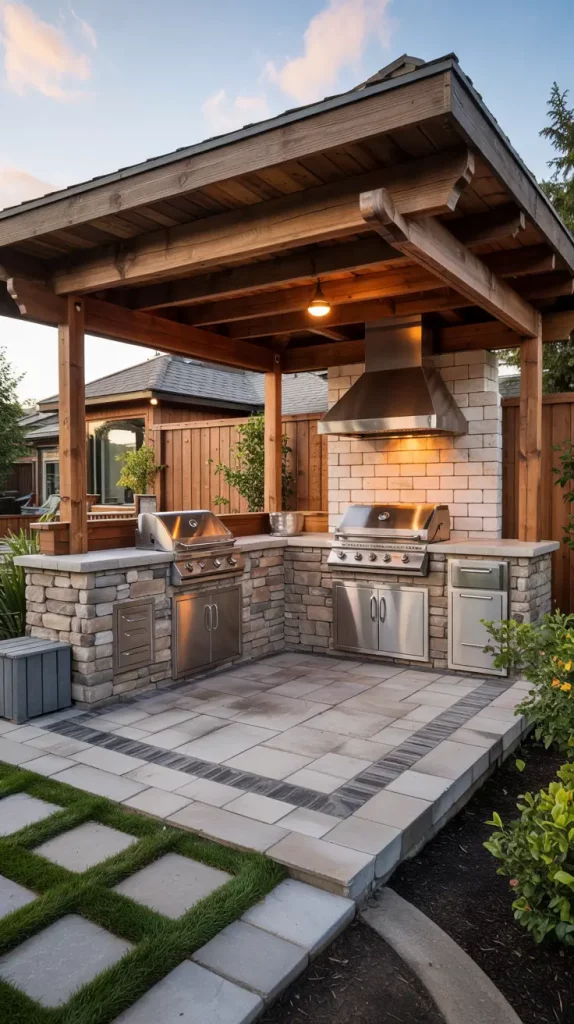
I often choose porcelain pavers, composite decking, or natural stone such as slate or granite. Porcelain is stain-resistant and easy to clean, making it ideal for cooking zones. Composite decking provides warmth and a natural wood look without the maintenance. Stone flooring gives the space a timeless, earthy feel and pairs beautifully with modern roof structures.
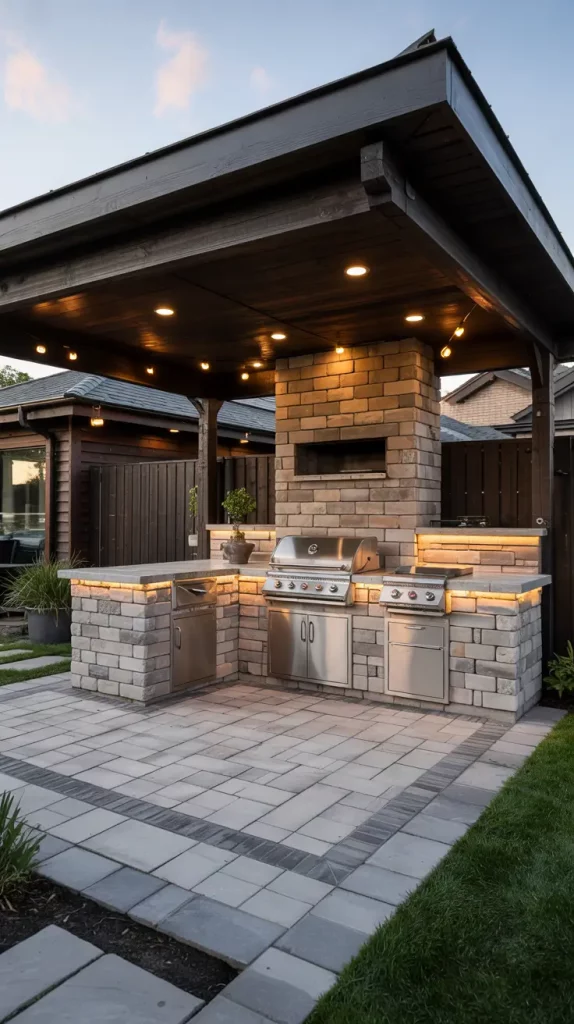
In my opinion, flooring sets the tone for the entire outdoor kitchen. Publications like Homes & Gardens highlight that flooring is one of the most underestimated aspects of outdoor design. If I added anything to improve this section, it would be proper drainage planning—slight slopes prevent water from pooling beneath the roof.
Weather-Resistant Furniture For Covered BBQ Areas
Furniture selection for an outdoor bbq area with roof must focus on comfort, longevity, and aesthetics. Even though the roof blocks most direct exposure, the furniture still needs to resist humidity, fluctuating temperatures, and occasional splashes or spills. I always aim for pieces that feel like indoor comfort translated into an outdoor-appropriate format.
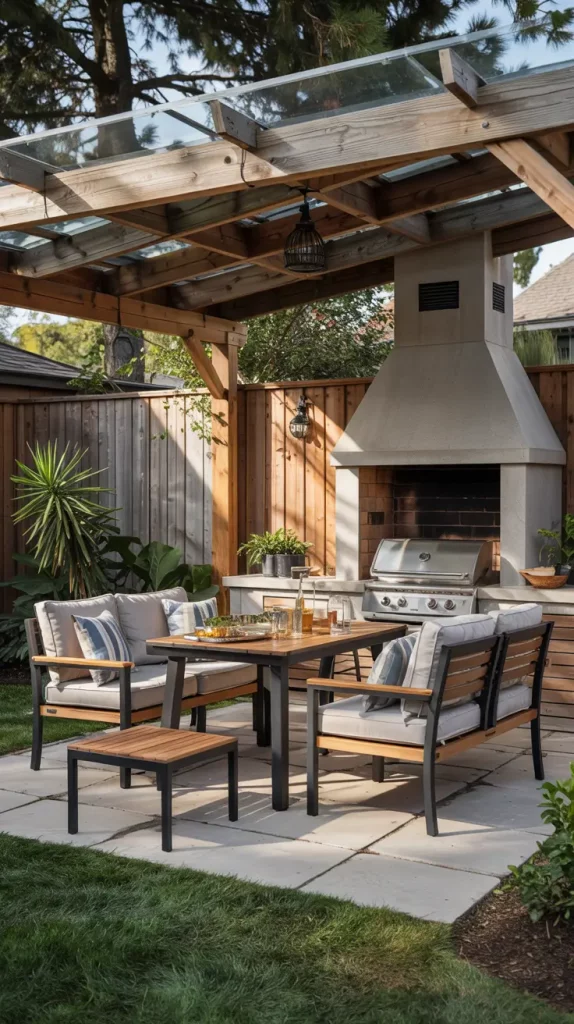
My go-to choices include powder-coated aluminum frames, teak or composite wood, and cushions with performance-grade fabrics like Sunbrella. I also incorporate large dining tables, cushioned lounge chairs, and modular seating arrangements for hosting versatility. Neutral colors with textured accents tend to create a balanced and inviting atmosphere.
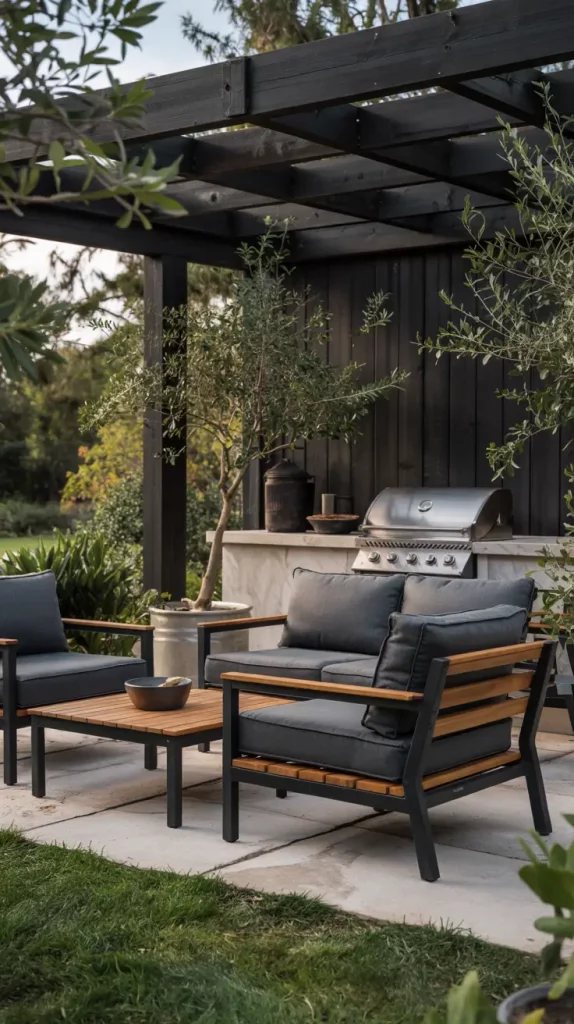
From experience, choosing the right furniture extends the life of the entire setup. Well-known designers in Veranda suggest investing in furniture that balances practicality and style, something I find crucial for long-term satisfaction. To enhance this section further, I’d recommend protective covers for seasons of non-use, even under a roof.
Adding A Dining Space To An Outdoor BBQ Area With Roof
A dining space is the heart of a well-designed outdoor bbq area with roof, and I always try to create a seamless flow between cooking and eating zones. The roof helps define the dining area, protecting guests from sun or rain and making the experience feel more intimate and structured. I position the dining table close enough to the grill for convenience but far enough to avoid smoke.
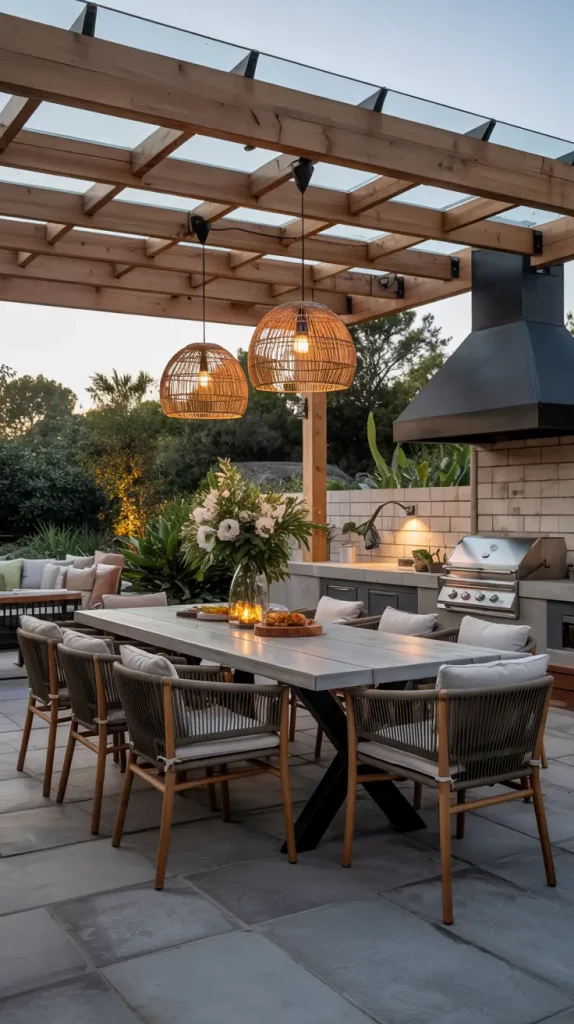
I typically select weather-resistant tables with stone, teak, or aluminum tops paired with comfortable cushioned chairs. Adding a centerpiece, such as an outdoor lantern or succulent arrangement, enhances the visual appeal. Overhead, pendant lights or chandeliers hanging from the roof structure contribute to a welcoming atmosphere.
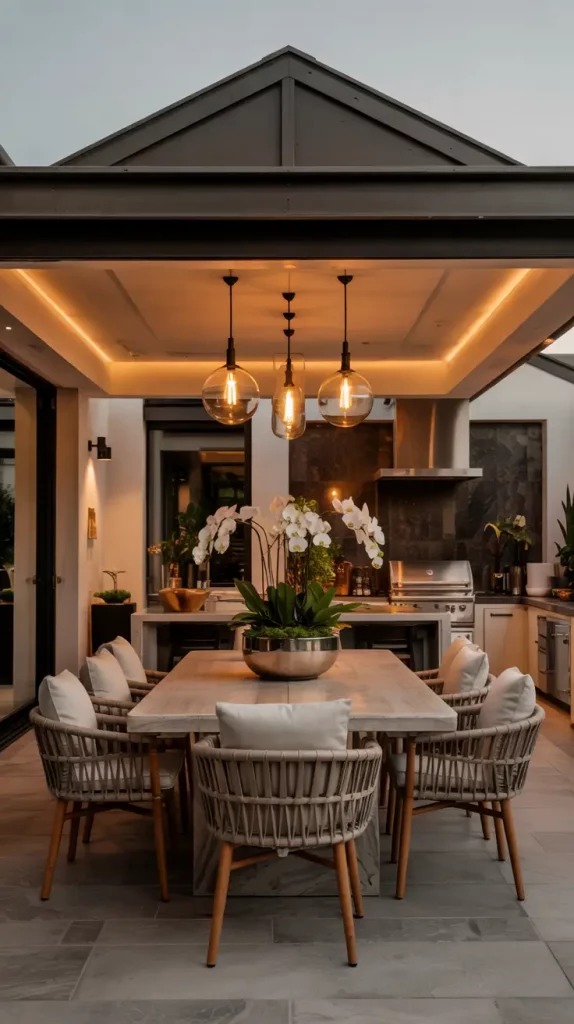
In my professional experience, a dining space encourages people to linger and socialize, making the BBQ area a true gathering hub. According to Better Homes & Gardens, outdoor dining is one of the top-requested backyard features. To improve this section, I would incorporate storage for tableware to streamline entertaining.
Budget-Friendly Outdoor BBQ Area With Roof Ideas
A budget-friendly outdoor bbq area with roof is entirely achievable with thoughtful planning. I start by prioritizing the essentials—grill placement, a modest roof structure, durable flooring, and simple seating. A smaller footprint and multipurpose furnishings can significantly reduce overall costs without compromising style or functionality.
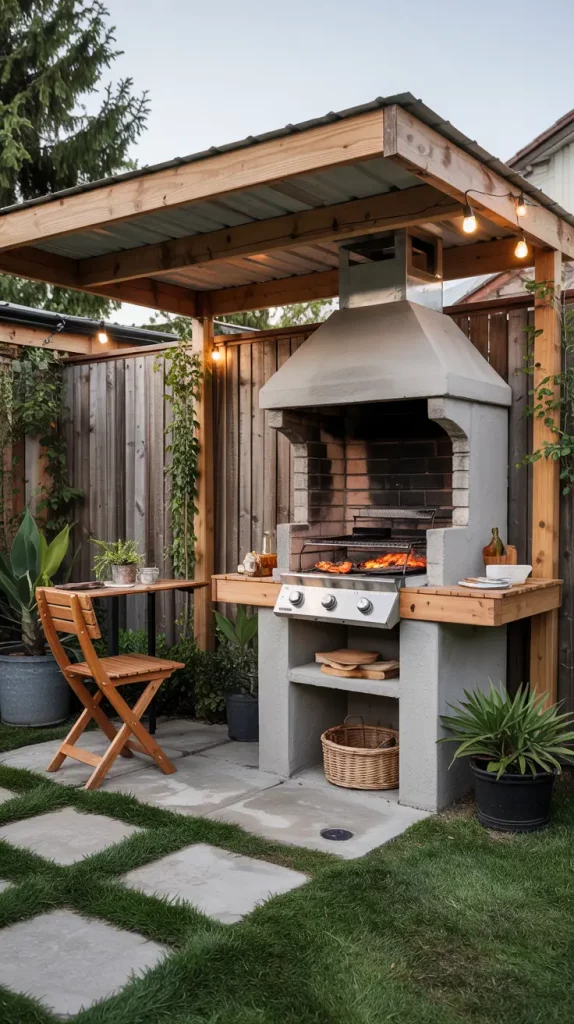
I often use cost-effective materials like polycarbonate roofing, concrete pavers, and compact stainless steel grills. Prefabricated pergolas or metal awnings can replace custom-built roofs. For furniture, I recommend modular pieces or foldable seating that provides flexibility without a high price tag. String lights under the roof add ambiance without a large financial investment.
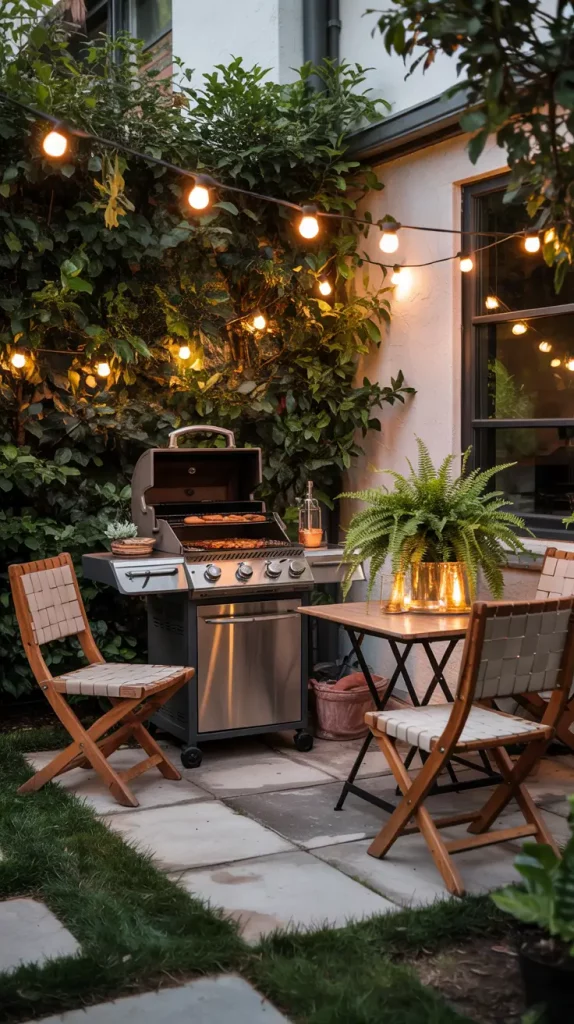
Based on my experience, the key to staying on budget is knowing where to save and where to invest. Experts in Apartment Therapy often note that outdoor upgrades don’t need to be extravagant to be impactful. A final touch worth adding is DIY-friendly décor such as planters or outdoor rugs to bring personality into the space.
Luxury Outdoor BBQ Area With Roof Design Trends
Designing a luxury outdoor bbq area with roof involves elevating every detail, from materials to appliances. In 2026, luxury trends lean toward sleek architectural lines, premium finishes, and seamless indoor-to-outdoor transitions. These spaces often feel like resort-style extensions of the home.
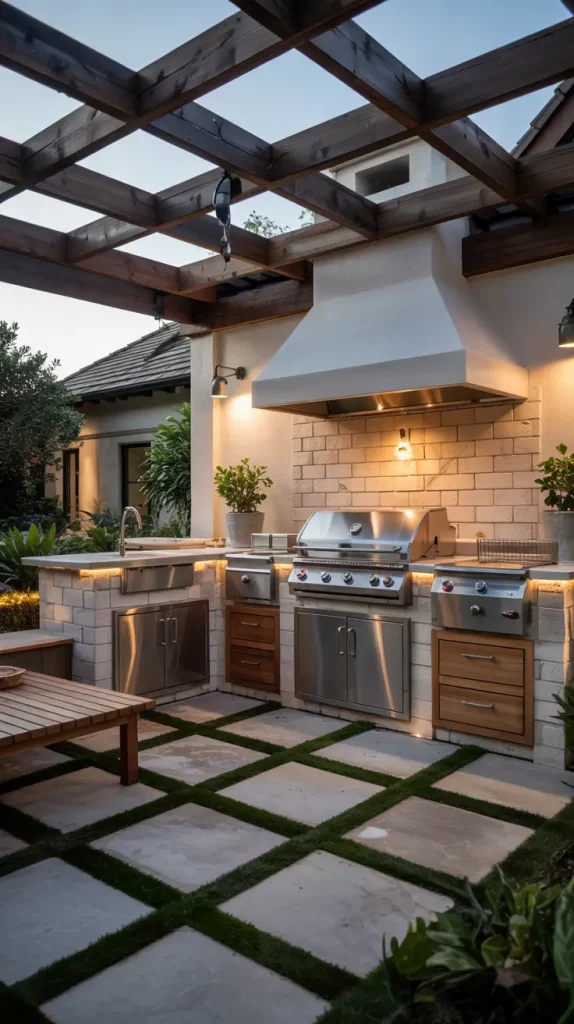
I typically incorporate high-end appliances, quartzite countertops, teak cabinetry, and oversized dining or lounge areas. Features like built-in wine fridges, ice makers, and outdoor fireplaces bring sophistication. The roof structure may include skylights or integrated LED lighting that enhances the dramatic effect of the space.
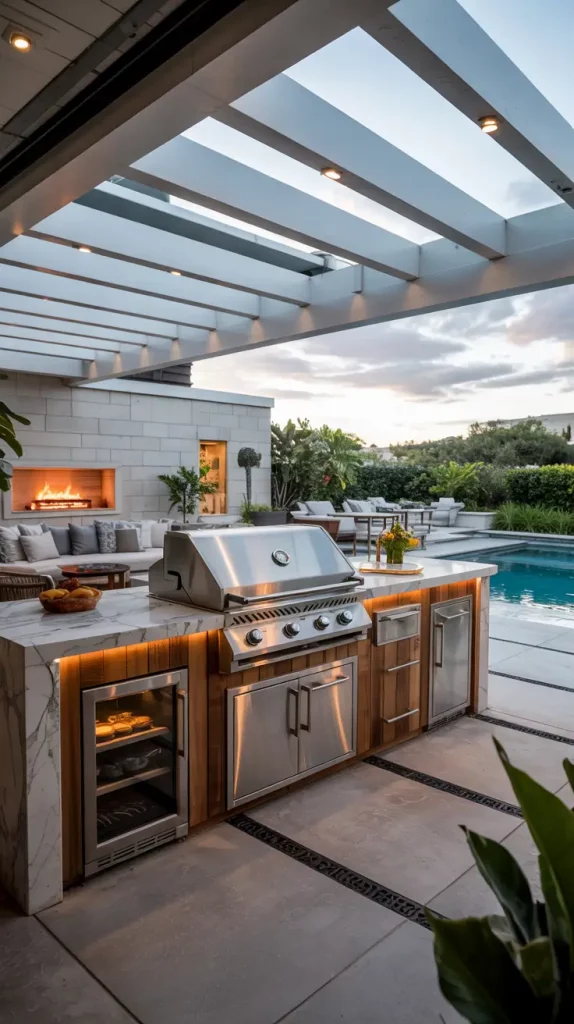
From my perspective, luxury outdoor kitchens should evoke both comfort and refinement. Publications like Luxe Interiors + Design highlight the importance of blending textures and introducing unique architectural elements. I would further add smart climate control features to complete the luxury experience.
Sustainable And Eco-Friendly BBQ Roof Solutions
Sustainability plays a major role when designing an outdoor bbq area with roof today. I always aim to select materials that reduce environmental impact, are long-lasting, and conserve energy. Eco-friendly roofs often incorporate recycled materials, natural wood certified by responsible forestry programs, or solar-integrated panels.
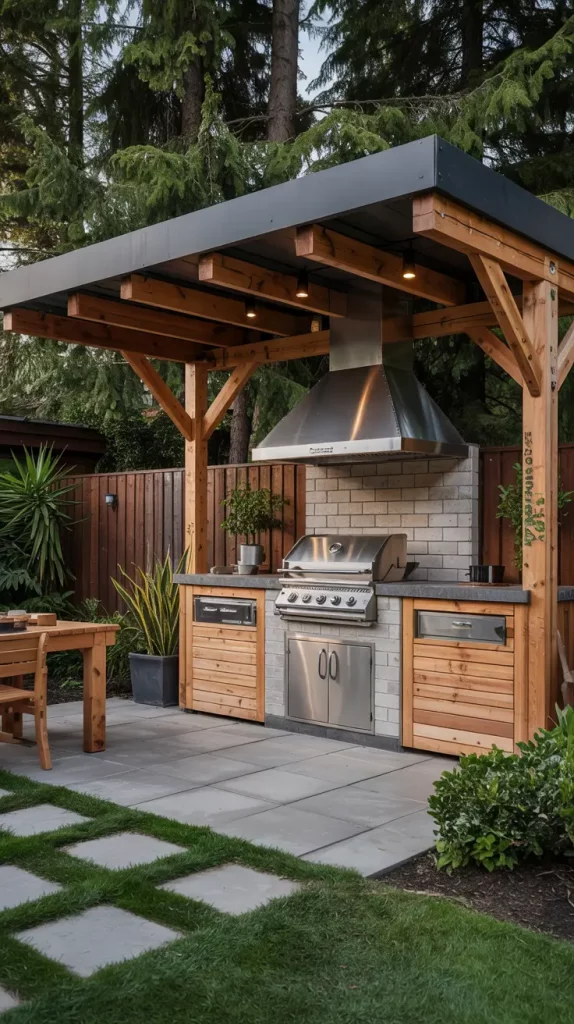
I prefer low-VOC coatings, sustainably sourced wood beams, and LED lighting to minimize energy use. Rainwater collection systems can be integrated into the roof design, allowing homeowners to repurpose water for landscaping. Using durable, renewable materials reduces long-term waste and maintenance.
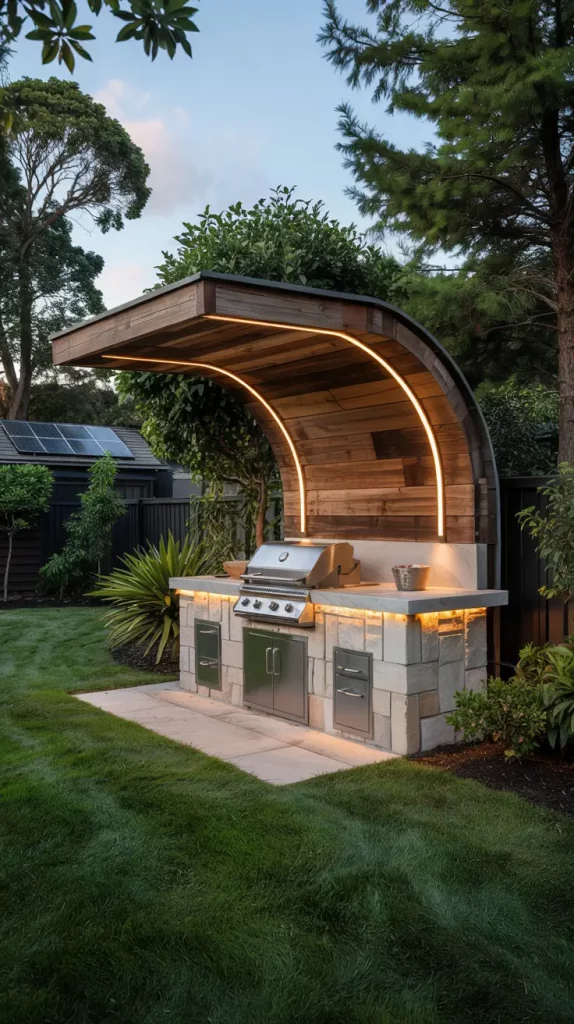
In my experience, eco-conscious designs often feel more organic and harmonious with the surrounding environment. Green Building Advisor highlights how sustainable outdoor structures can increase home value and reduce long-term costs. If I added anything else here, it would be native plant landscaping to further enhance environmental performance.
Outdoor BBQ Area With Roof For Year-Round Use
Designing an outdoor bbq area with roof for year-round use requires thinking beyond aesthetics and focusing on comfort and durability in every season. I begin by incorporating weatherproof features such as insulated roofing, wind-blocking side panels, and heating elements. These additions help ensure that the BBQ area remains enjoyable whether it’s the heat of summer or the chill of winter. The goal is to create a space that never feels “off-limits” due to weather conditions.
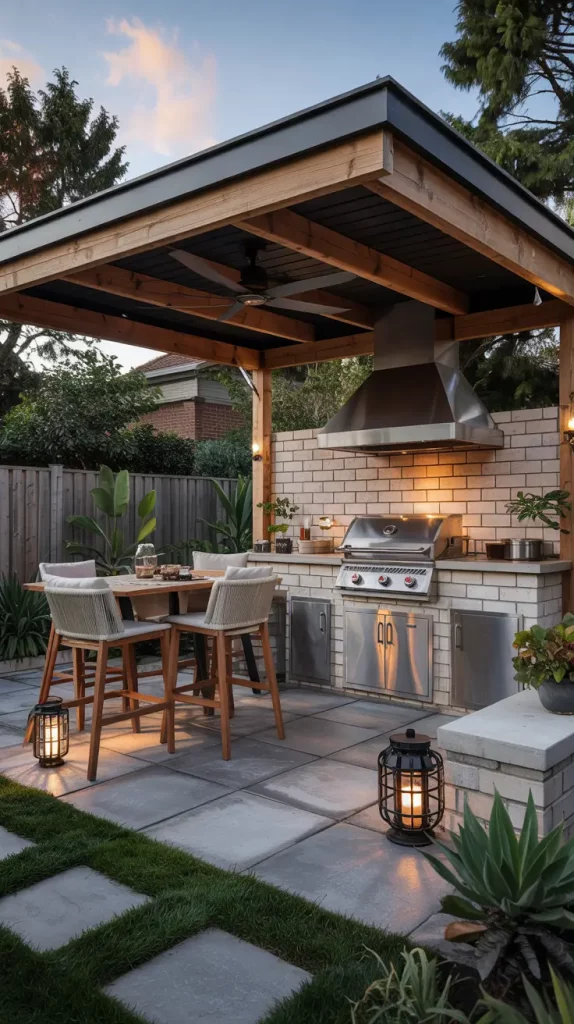
I typically include radiant heaters, ceiling fans, and adjustable lighting to support varying climates. A durable flooring material like textured stone prevents slipping during wet seasons, and adding outdoor-rated appliances ensures longevity. The roof structure should provide full coverage to protect cooking areas, dining spaces, and lounge seating from unpredictable weather.
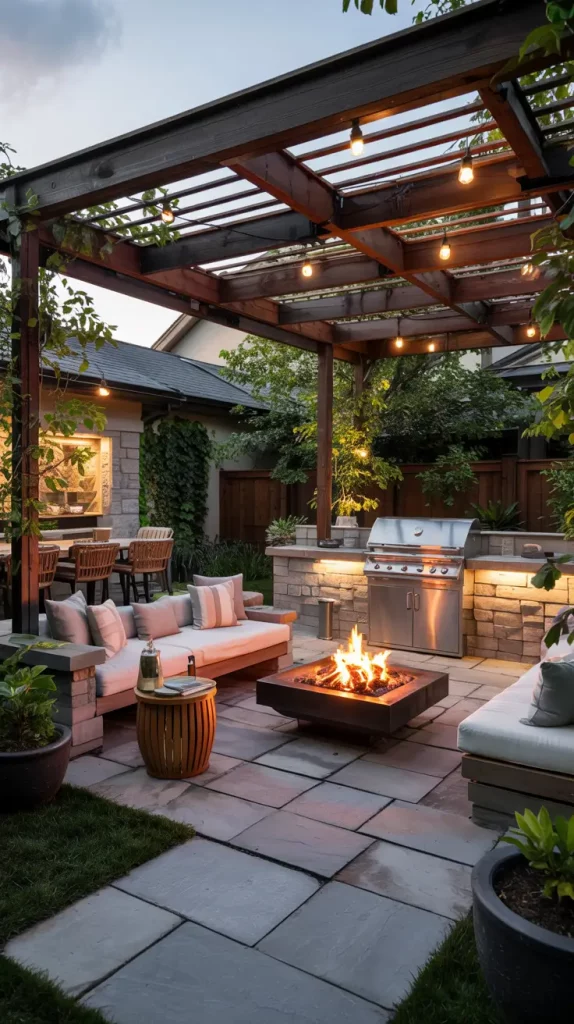
From my experience, homeowners appreciate the freedom to entertain without checking the forecast. Publications such as HGTV often highlight that year-round usability dramatically increases outdoor engagement. If I were expanding this section, I would emphasize adding insulated cabinetry and waterproof storage to fully support all-season cooking.
Safety Considerations For Covered BBQ Areas
When designing an outdoor bbq area with roof, safety is one of my top priorities. The combination of heat, smoke, and electrical components requires careful planning. I begin by selecting fire-resistant materials around the grill zone and ensuring that the roof structure is high enough to prevent heat buildup. Proper spacing around the grill is essential to reduce fire risk and maintain airflow.
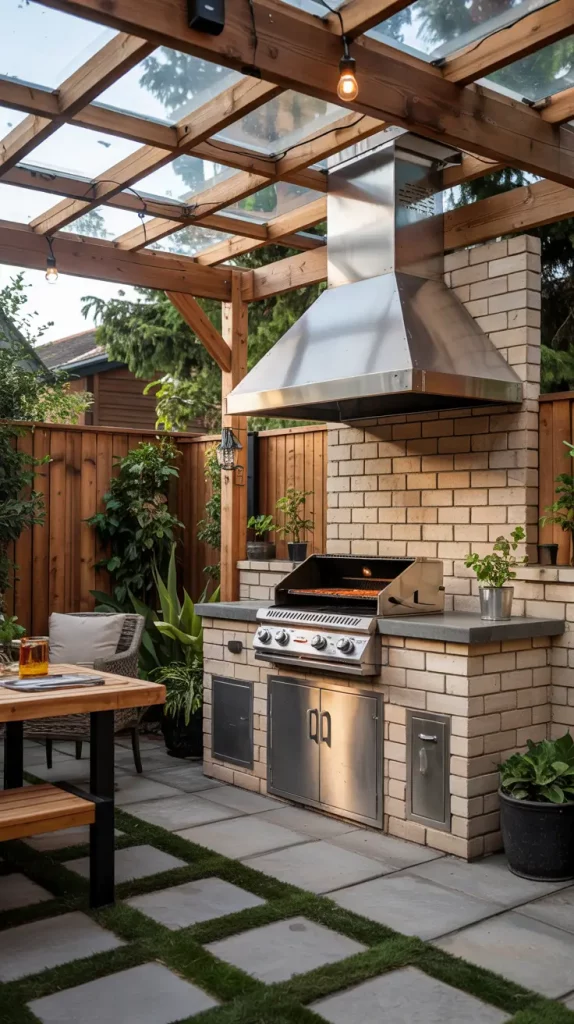
I also include outdoor-rated outlets with GFCI protection, non-slip flooring, and adequate lighting to improve visibility. Installing a ventilation hood or smoke extraction system is crucial to prevent smoke accumulation beneath the roof. I never position the grill directly against walls unless proper heat shielding is installed.
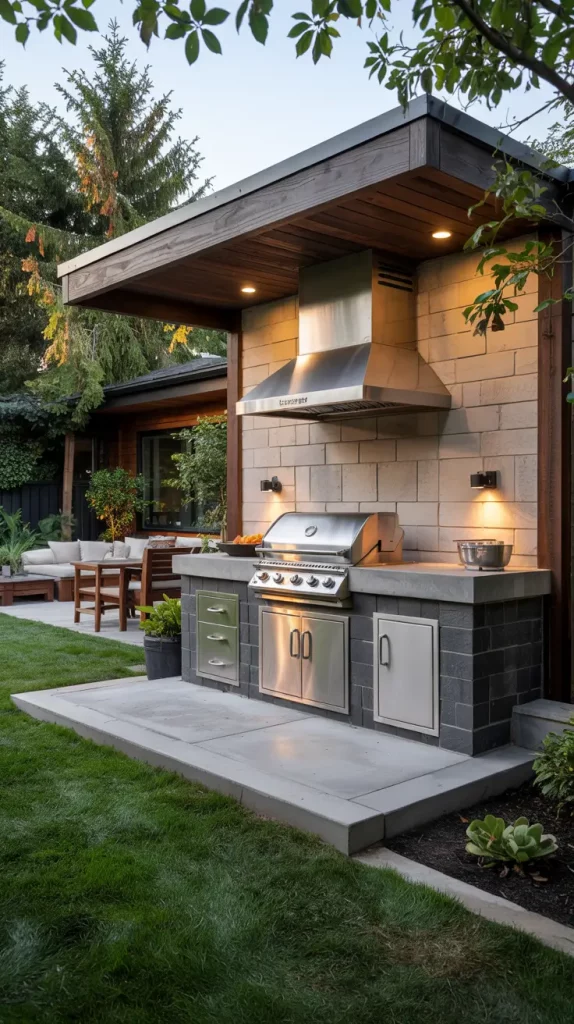
In my experience, these precautions ensure that homeowners feel confident using their BBQ area regularly. Experts from This Old House frequently remind readers that outdoor kitchens must follow the same safety standards as indoor ones. To further improve this section, I’d suggest adding a fire extinguisher and a clear emergency plan for peace of mind.
Maintenance Tips For An Outdoor BBQ Area With Roof
Maintenance is key to preserving the appearance and functionality of an outdoor bbq area with roof. I always start by recommending a seasonal maintenance checklist that includes cleaning the grill, checking ventilation systems, and inspecting the roof for wear or leakage. Regularly washing countertops and surfaces prevents grease buildup, which helps maintain both safety and visual appeal.
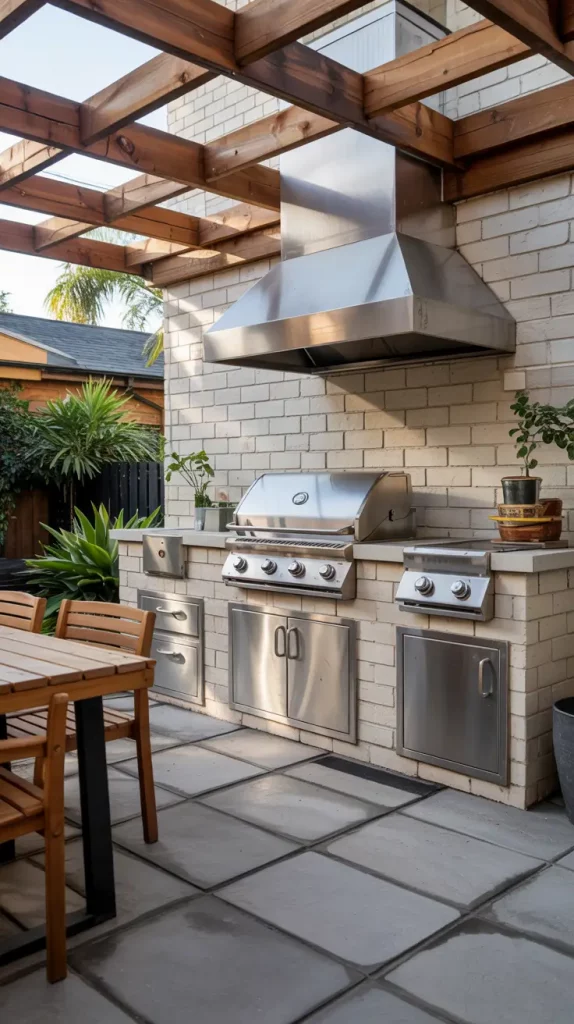
I choose materials specifically because they are easy to maintain. Stainless steel appliances wipe clean quickly, porcelain pavers resist stains, and composite decking doesn’t require sealing. I encourage homeowners to use furniture covers during long periods of inactivity and to clean outdoor fabrics according to manufacturer instructions.
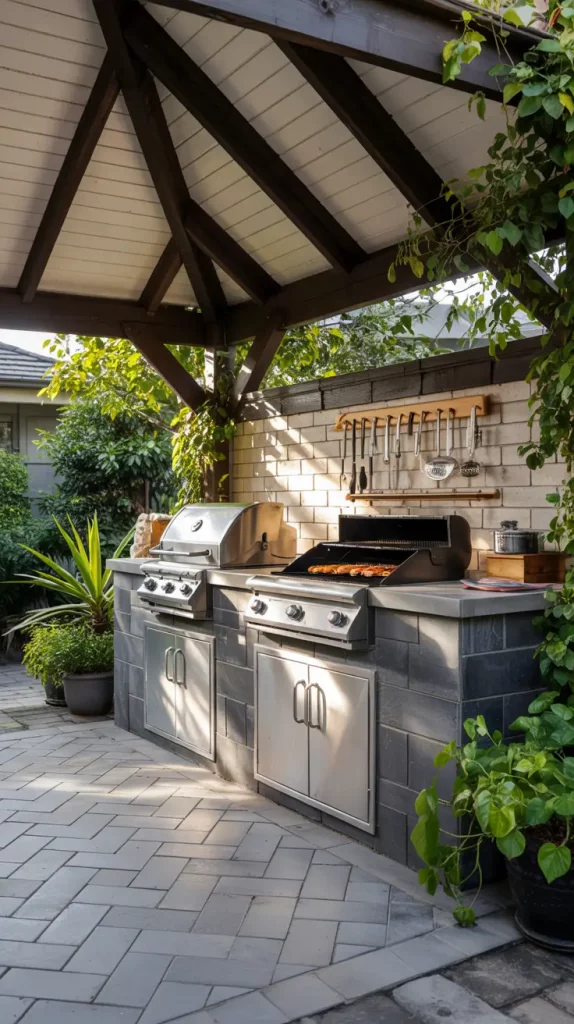
From my experience, consistent maintenance significantly extends the lifespan of outdoor kitchens. Forbes Home often recommends biannual inspections of outdoor cooking equipment to ensure safe operation. If I added anything else, I’d suggest scheduling a professional deep-clean of the grill once a year to keep everything running efficiently.
Popular Color Schemes For BBQ Areas With Roofs
Color plays a major role in shaping the mood of an outdoor bbq area with roof, and I often rely on palettes that complement natural surroundings. In 2026, popular schemes include warm earthy tones, soft grays, charcoal accents, and natural wood hues. These colors blend seamlessly with modern architectural styles and outdoor landscapes.
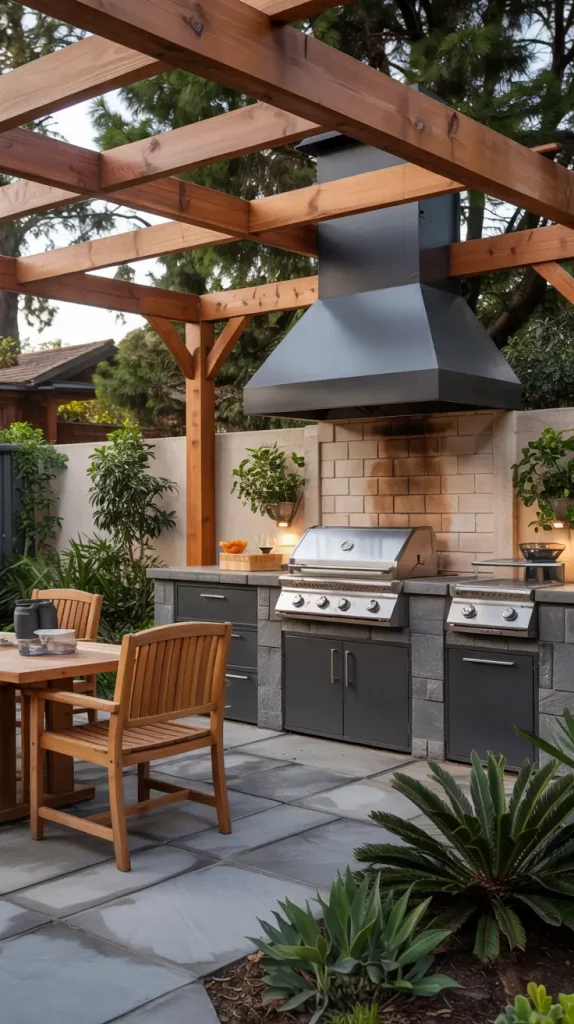
I pair stone gray flooring with warm teak furniture, matte black fixtures, and cream or sand-colored cushions for a timeless look. Using color strategically helps unify the cooking and dining zones, especially when the roof structure features stained beams or painted trim. Neutral colors also allow accessories or greenery to stand out without overwhelming the design.
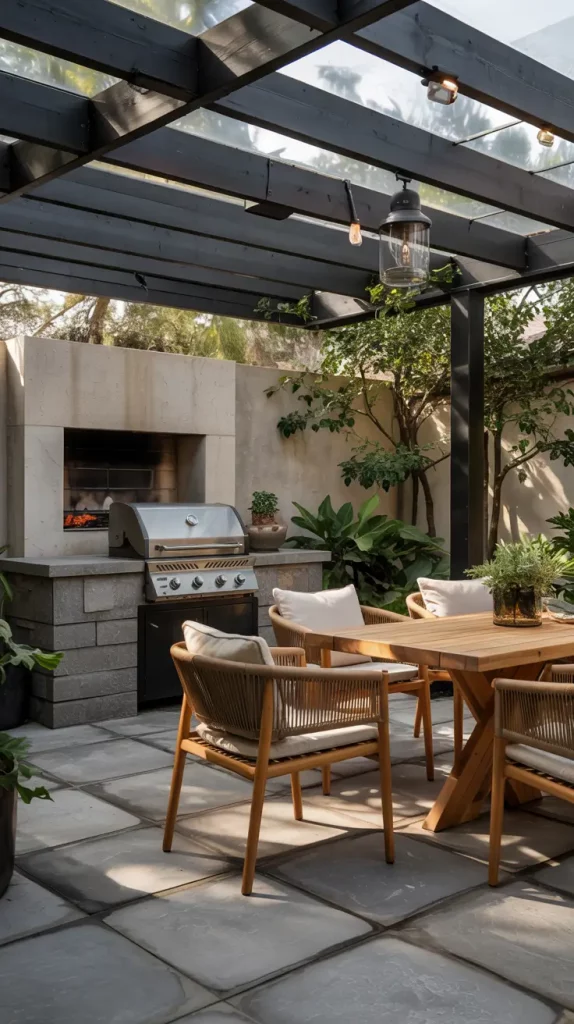
In my experience, muted and natural colors age better than trendy bold tones. Experts in Elle Decor emphasize choosing colors that harmonize with the home’s exterior. I might add that incorporating subtle metallic accents—like brushed bronze or gunmetal—adds sophistication without overpowering the palette.
Enhancing Privacy In An Outdoor BBQ Area With Roof
Privacy is an easily overlooked aspect of an outdoor bbq area with roof, but it greatly enhances comfort and usability. I often incorporate design elements that create a sense of enclosure without sacrificing natural light. These may include slatted wood screens, tall planters, or partial side walls integrated into the roof structure.
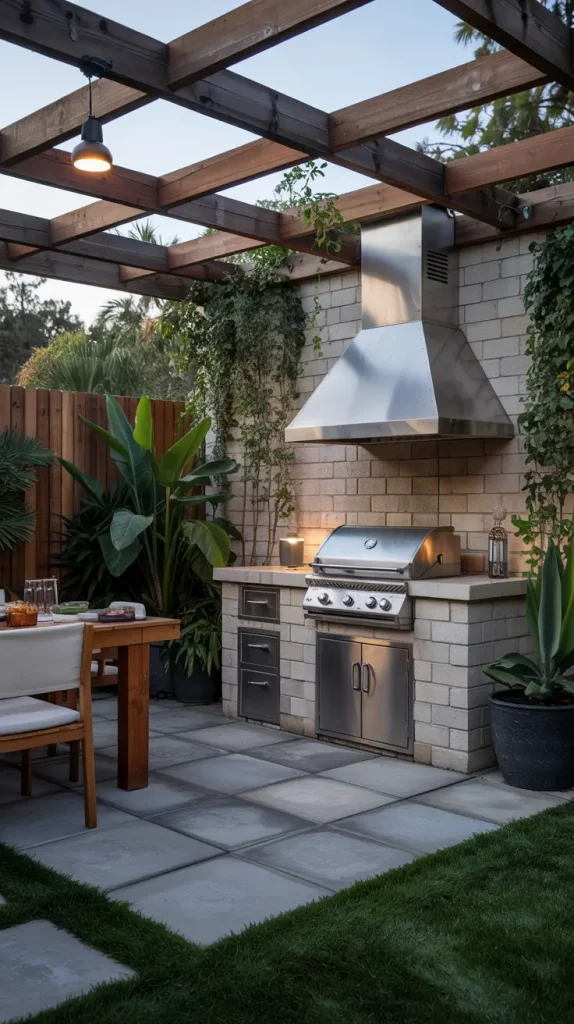
I choose materials like cedar screens, bamboo panels, or frosted glass to create barriers that feel intentional and stylish. Strategically placed greenery such as climbing vines or tall shrubs can soften the space while building natural privacy. Outdoor curtains hung from the roof beams add both shade and seclusion when needed.
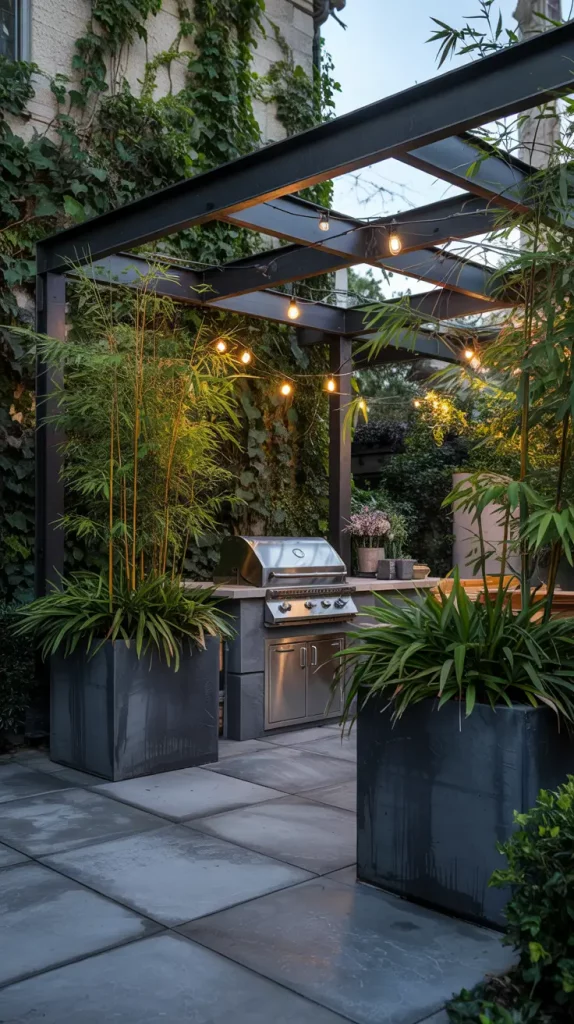
In my experience, homeowners love private spaces that feel like retreat zones. Better Homes & Gardens often highlights layered privacy solutions as one of the top outdoor upgrades. If anything is missing here, I’d suggest implementing soft landscape lighting at the perimeter to maintain ambiance without exposing the space.
Smart Features For A Modern Outdoor BBQ Area With Roof
Smart technology elevates any outdoor bbq area with roof, bringing convenience and innovation to the cooking experience. I often integrate smart grills with temperature control apps, automated lighting systems, and weather-responsive roof features. These upgrades make the area feel futuristic and highly efficient.
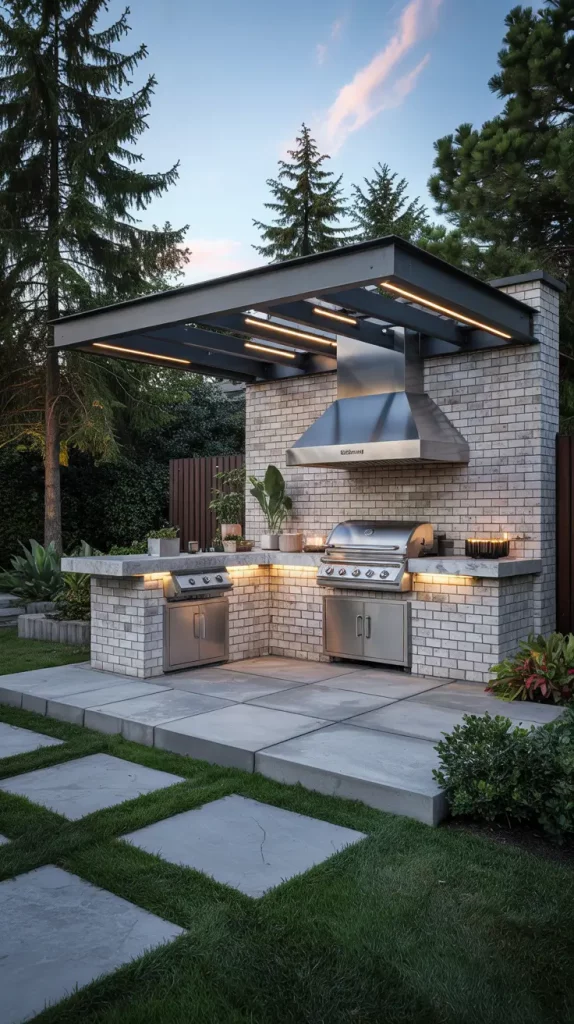
I incorporate smart speakers, motion-activated lighting, and outlets with remote-control capabilities. For retractable roof systems, app-based controls allow homeowners to adjust shade with a tap. Smart security cameras and outdoor sensors improve safety and monitor weather changes.
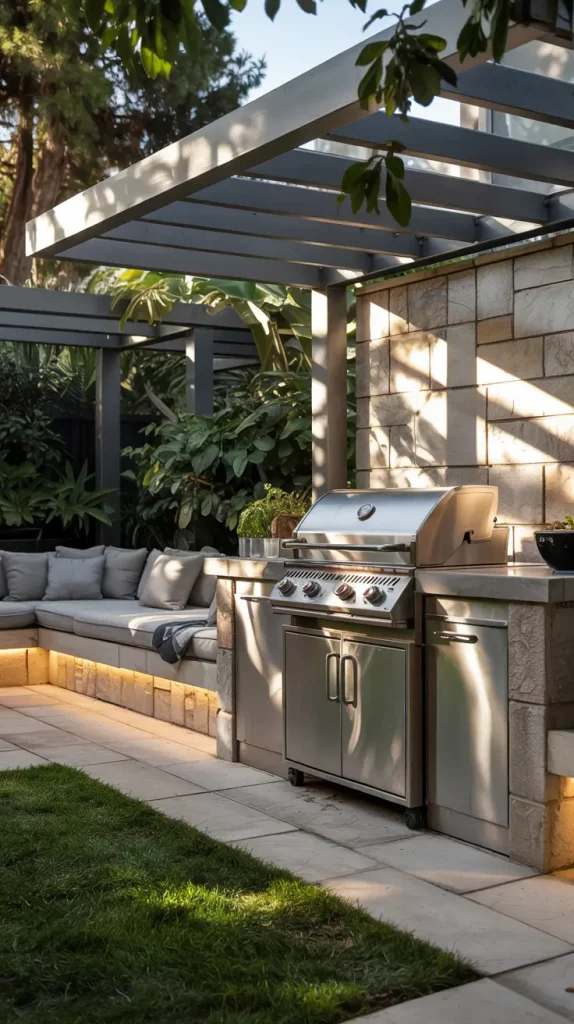
From my experience, smart features enhance the lifestyle value of the space. Designers interviewed by Wired emphasize that smart outdoor living is a major trend for 2026. To complete this section, I’d add a recommendation for waterproof smart displays that show recipes or control connected devices.
Common Design Mistakes To Avoid With BBQ Roofs
Through years of designing outdoor bbq area with roof layouts, I’ve noticed several common mistakes that homeowners often overlook. The biggest one is ignoring ventilation requirements, which leads to smoke accumulation under the roof. Another frequent issue is choosing materials that aren’t rated for outdoor heat exposure, resulting in warping or discoloration.
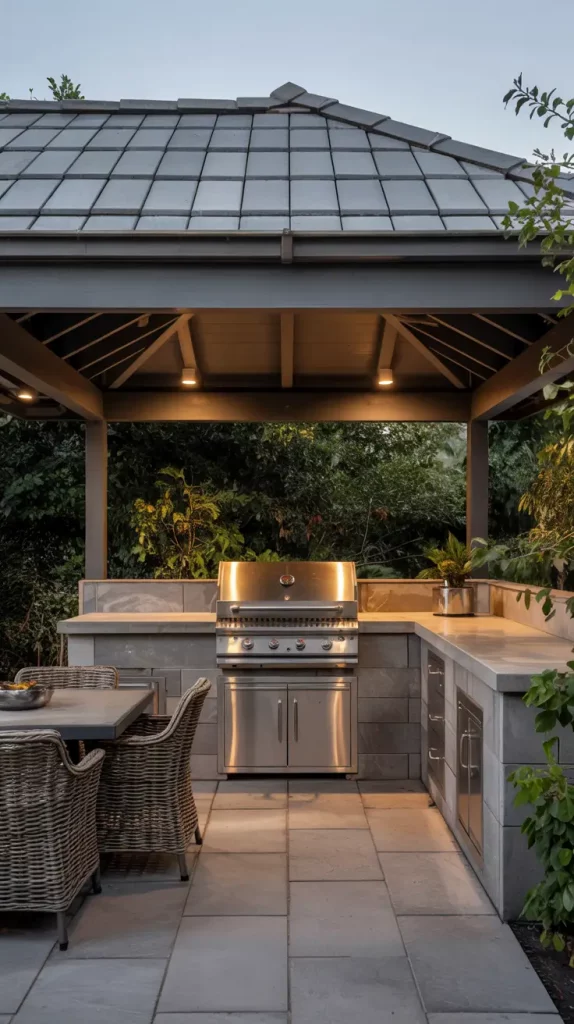
I carefully select appliances designed for exterior use and ensure enough clearance around the grill. Poor lighting is another mistake; without proper illumination, cooking after sunset becomes difficult. Improper drainage around the roof can also cause water pooling, which damages flooring and appliances.
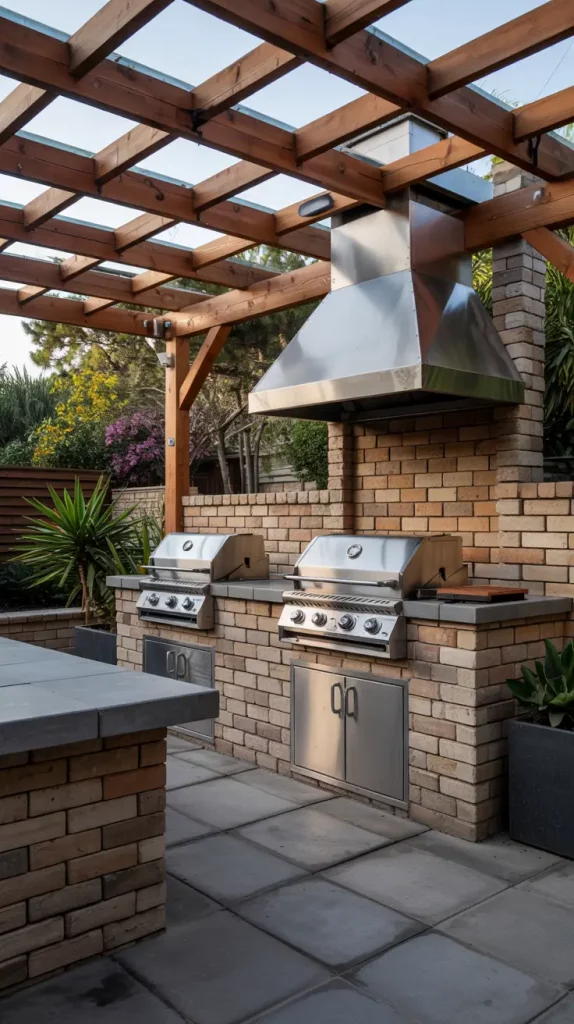
From personal experience, I’ve seen how correcting these mistakes early prevents long-term maintenance problems. Publications such as Dwell often emphasize the importance of planning infrastructure before aesthetics. If I added anything else, it would be encouraging homeowners to sketch a layout before construction to anticipate problem areas.
How An Outdoor BBQ Area With Roof Increases Property Value
In my experience, adding an outdoor bbq area with roof can significantly increase a home’s property value because it transforms the backyard into a functional extension of the living space. Buyers today prioritize outdoor amenities, and a covered BBQ area offers both practicality and lifestyle appeal. A well-designed outdoor kitchen becomes a highlight feature during property viewings, often setting the home apart from others in the neighborhood.
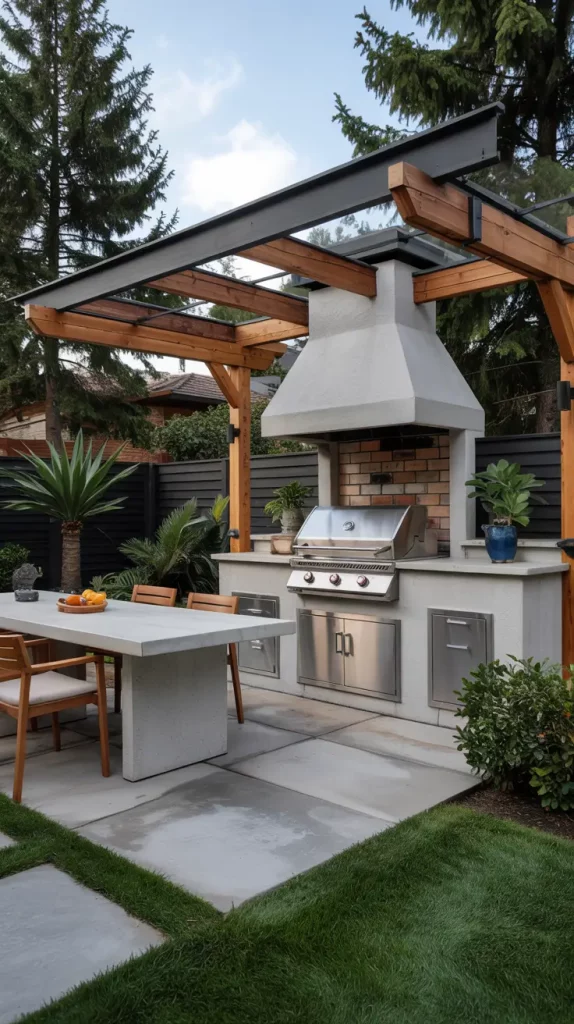
I incorporate durable materials, high-quality appliances, and visually appealing design elements to ensure the area feels permanent and upscale. Features like built-in storage, weather-resistant cabinetry, and defined dining spaces contribute to a cohesive environment that buyers perceive as a luxury upgrade. The roof structure itself adds architectural interest and demonstrates thoughtful planning.
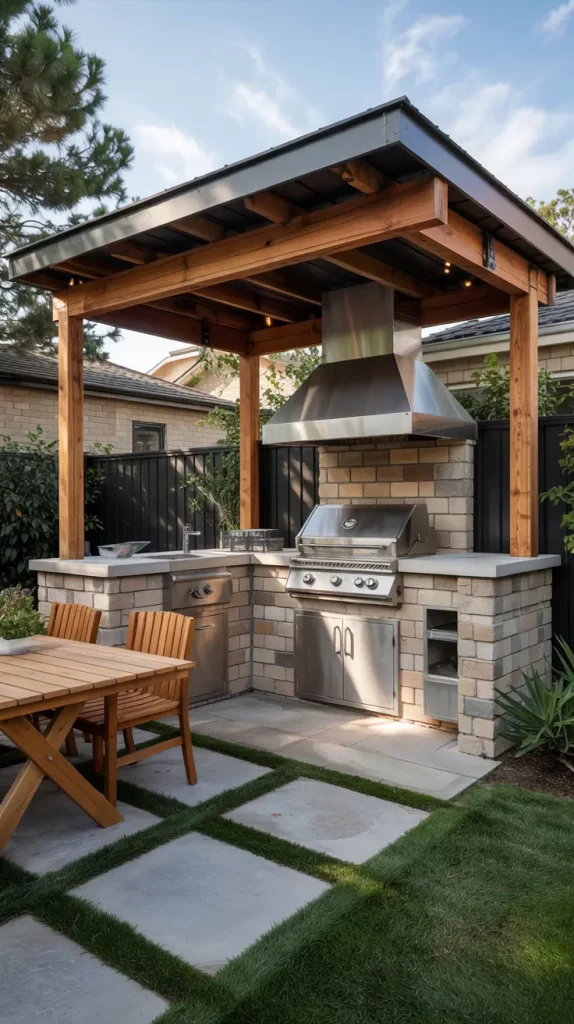
Based on my professional experience, real estate experts at Zillow consistently report that outdoor living improvements can yield strong returns on investment. To enhance this section, I would suggest adding energy-efficient lighting and a low-maintenance roof to increase long-term value and reduce upkeep costs.
Designing The Perfect Outdoor BBQ Area With Roof
When designing the perfect outdoor bbq area with roof, I begin by coordinating the architectural style with the rest of the home. The roof structure should complement existing lines and materials, creating a seamless flow between indoor and outdoor spaces. From there, I carefully plan cooking, dining, and lounging zones to ensure effortless movement from one area to another.
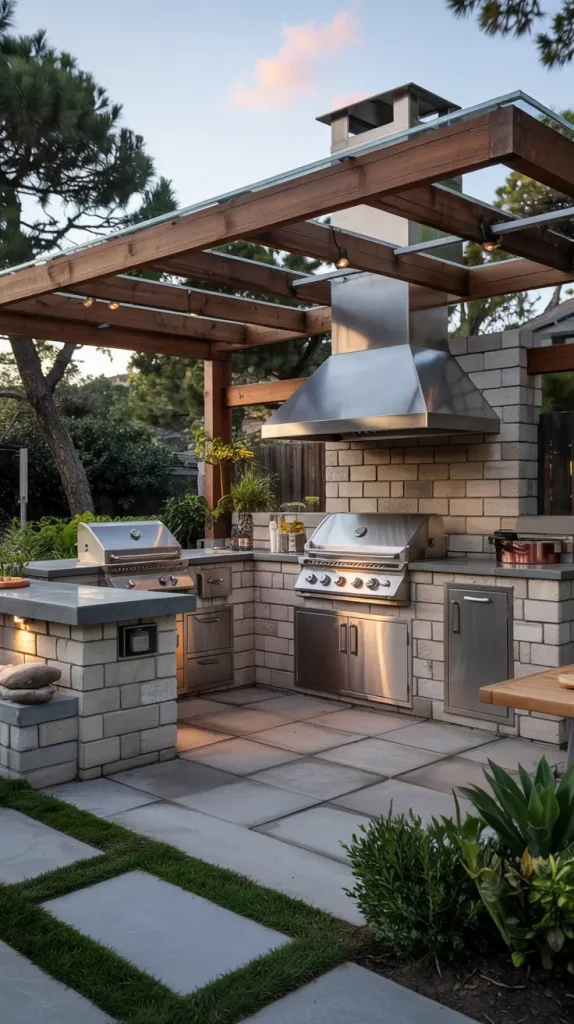
I choose materials that balance durability with aesthetics—stone countertops, weather-resistant cabinetry, and performance-grade fabrics. Integrated lighting, smart features, efficient ventilation, and comfortable seating all play a role in creating a cohesive experience. The roof becomes the unifying element that frames the entire environment, offering protection while enhancing visual elegance.
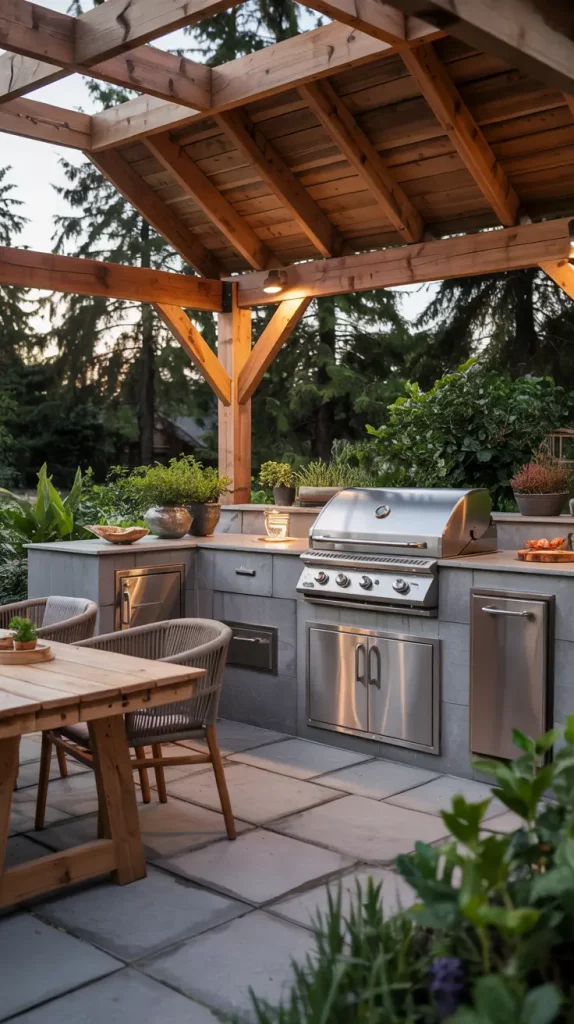
From my experience, the best outdoor spaces feel both functional and inviting. Experts highlighted in Architectural Digest often emphasize that thoughtful proportions and balanced layouts are key. If expanding this section, I would say that the perfect BBQ area also reflects the homeowner’s lifestyle—whether that means added seating for large gatherings or compact efficiency for everyday use.
Conclusion
Designing an outdoor bbq area with roof in 2026 offers endless possibilities—from compact, efficient setups to expansive luxury outdoor kitchens. With thoughtful planning, smart material choices, and attention to comfort and safety, any homeowner can create a beautiful, functional, and valuable outdoor living space. If you’ve been inspired or have ideas of your own, feel free to share your thoughts or questions in the comments below—I’d love to hear what kind of outdoor BBQ area you envision for your home.