
Are you ready to transform your summer living room into a fresh, inviting space that feels both modern and effortless? In 2026, summer living room decor is all about embracing Soft textures, calming Colors, and a refined Aesthetic that balances comfort with style. But how do you choose the right elements, and what truly defines today’s summer living room ideas?
In this guide, I’ll walk you through the latest trends shaping summer living rooms, from breezy fabrics to smart furniture styling like summer living room decor grey couch solutions. You’ll also discover how summer living room colors and summer living room curtains can completely transform your space into a light-filled seasonal retreat.
Summer Living Room Decor Trends 2026
I approach summer living room decor in 2026 as a balance between simplicity and sensory comfort. The focus is on breathable layouts, uncluttered surfaces, and a gentle Aesthetic that feels natural rather than staged. I recommend prioritizing open space, diffused daylight, and subtle seasonal accents that don’t overwhelm the room.
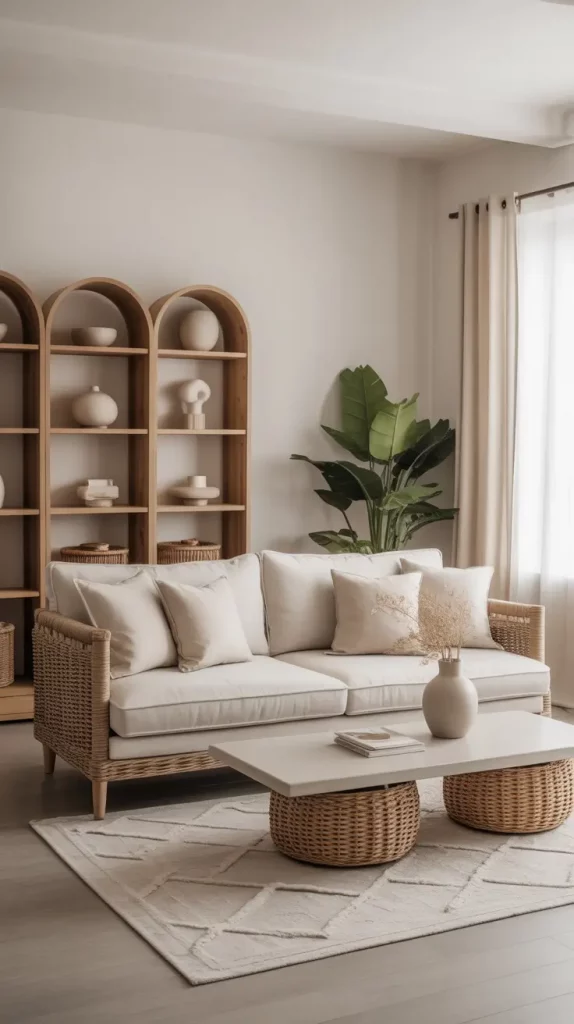
In my experience, the most effective designs include low-profile furniture, linen upholstery, light wood finishes, and decor elements like ceramic vases or woven baskets. These pieces support a Soft visual flow while keeping the room practical for everyday use. I also find that layered textiles—like lightweight throws and textured cushions—add depth without heaviness.
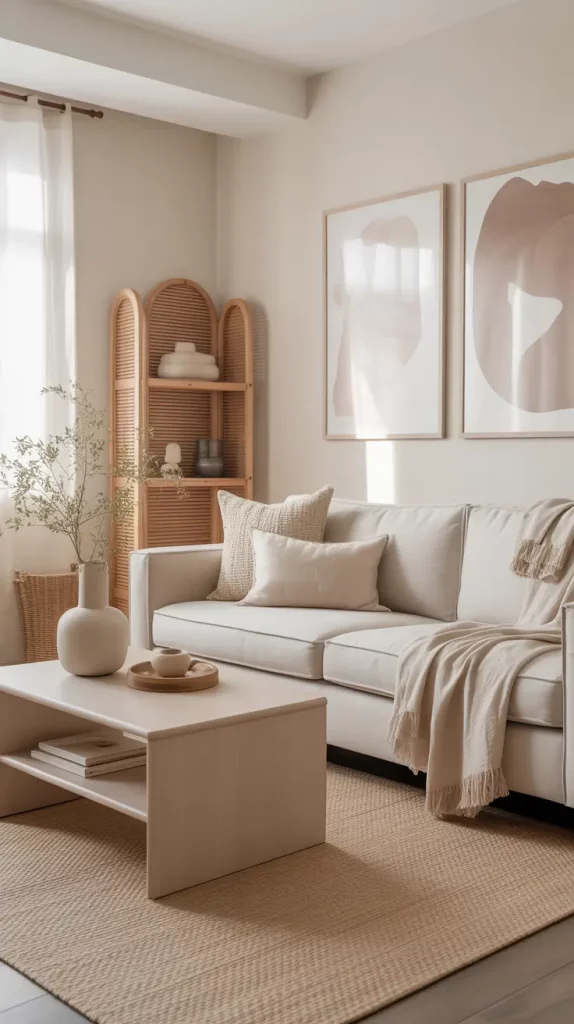
Personally, I’ve seen how incorporating muted summer living room colors such as sand, sage, and warm white can instantly elevate a space. Designers like those featured in Architectural Digest often emphasize restraint—letting materials and light do the work rather than relying on excessive decor.
To improve this section, I would include examples of trending materials for 2026, such as sustainable fabrics or recycled wood finishes, to make the guidance even more actionable.
What Defines A Perfect Summer Living Room In 2026
When I define a perfect summer living room, I focus on functionality paired with emotional comfort. It should feel cool, breathable, and adaptable to both relaxation and social gatherings. The layout should encourage movement while maintaining visual harmony.
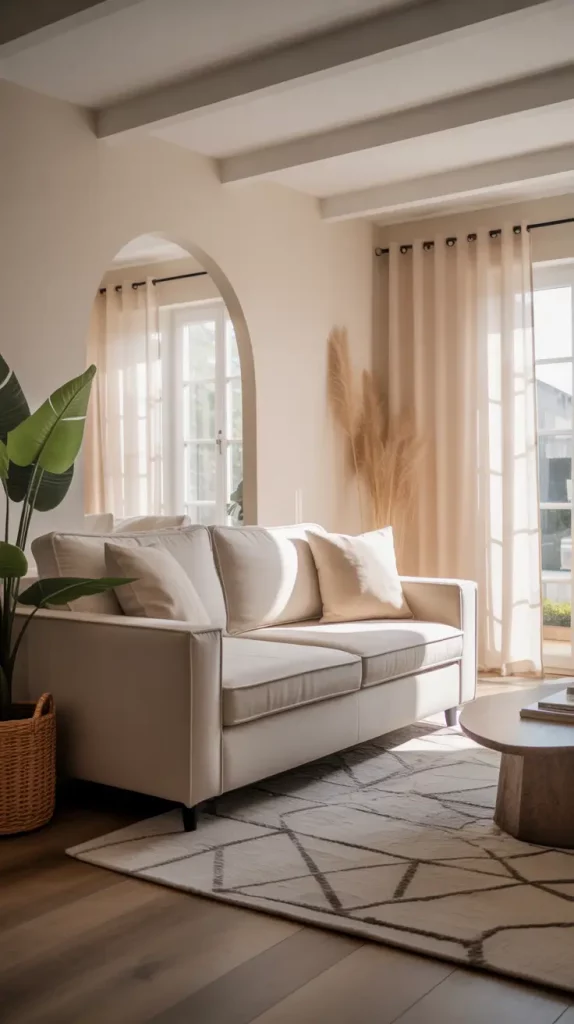
I usually recommend modular sofas, airy coffee tables, and flexible seating like poufs or accent chairs. These allow the room to shift depending on needs. Incorporating summer living room curtains made of sheer or semi-sheer fabrics helps regulate light while maintaining privacy.
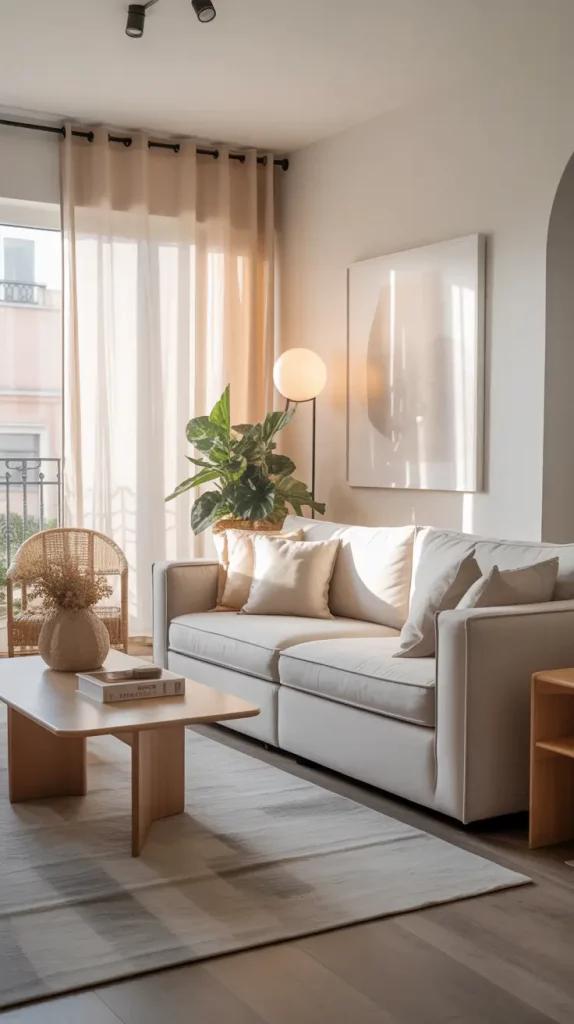
From my perspective, perfection lies in restraint. I’ve learned that over-decorating disrupts the calm summer atmosphere. Many US-based designers suggest editing your space seasonally—removing heavy elements and replacing them with lighter alternatives.
To enhance this section, I would add guidance on temperature control strategies such as airflow optimization or fan placement.
How To Create A Light And Airy Summer Living Room Aesthetic
Creating a light and airy summer living room aesthetic starts with maximizing natural light and minimizing visual weight. I focus on decluttering surfaces and choosing pieces that visually “lift” the room, such as furniture with exposed legs.
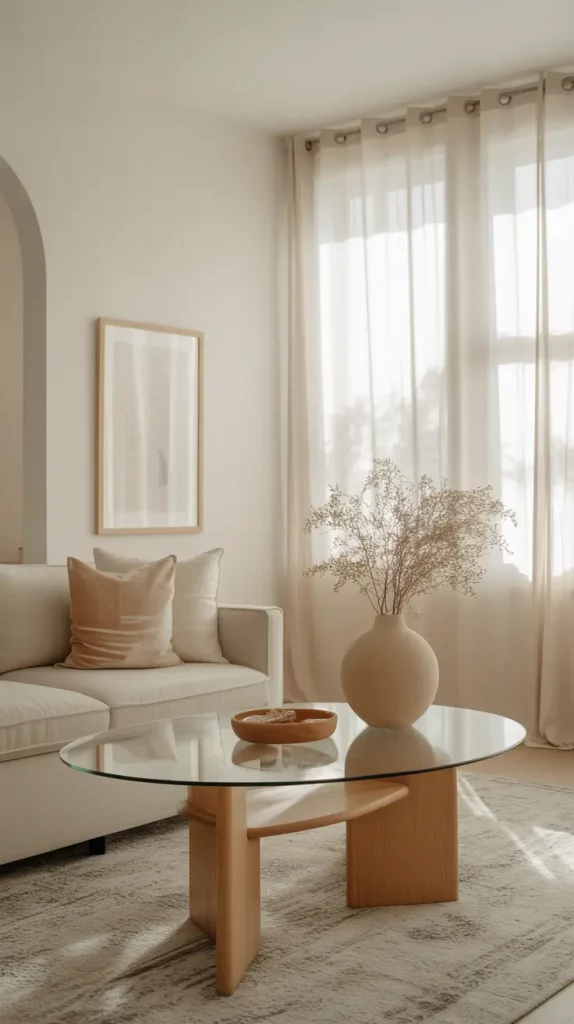
I typically use glass, light wood, and neutral fabrics to reflect light throughout the space. Curtains should be minimal, and wall decor should be limited to a few intentional pieces. This approach keeps the room feeling open and breathable.
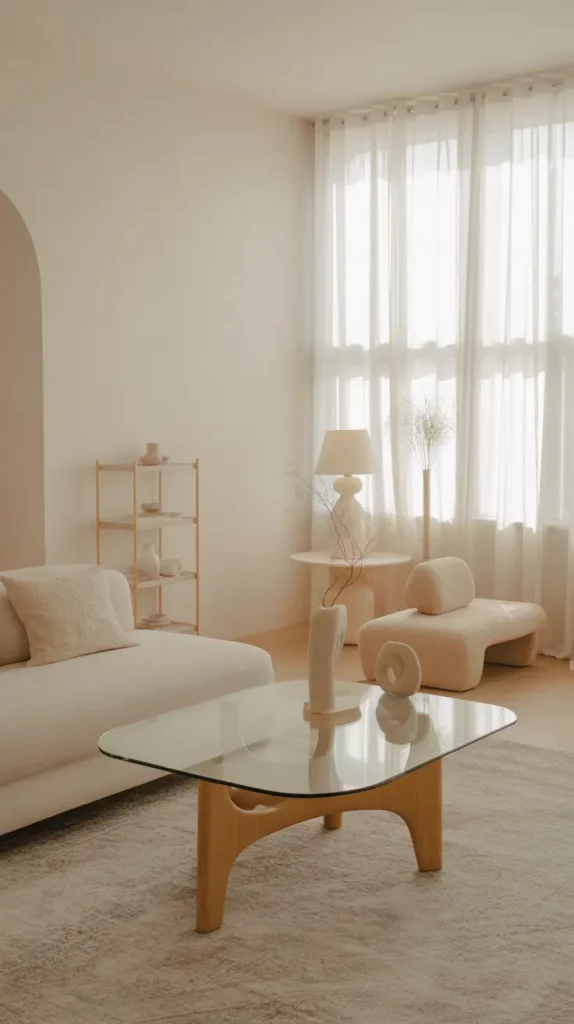
In my experience, the key is consistency. Every element—from rugs to cushions—should align with the same Soft and cohesive palette. Publications like Elle Decor often highlight how continuity in tone creates a more relaxing environment.
What could be added here is a deeper explanation of ceiling and wall treatments that enhance vertical openness.
Soft Color Palettes That Transform Your Summer Living Room
I rely heavily on Soft palettes when designing a summer space. These include warm neutrals, pale greens, dusty blues, and creamy whites. Such Colors create a calming foundation that supports relaxation.
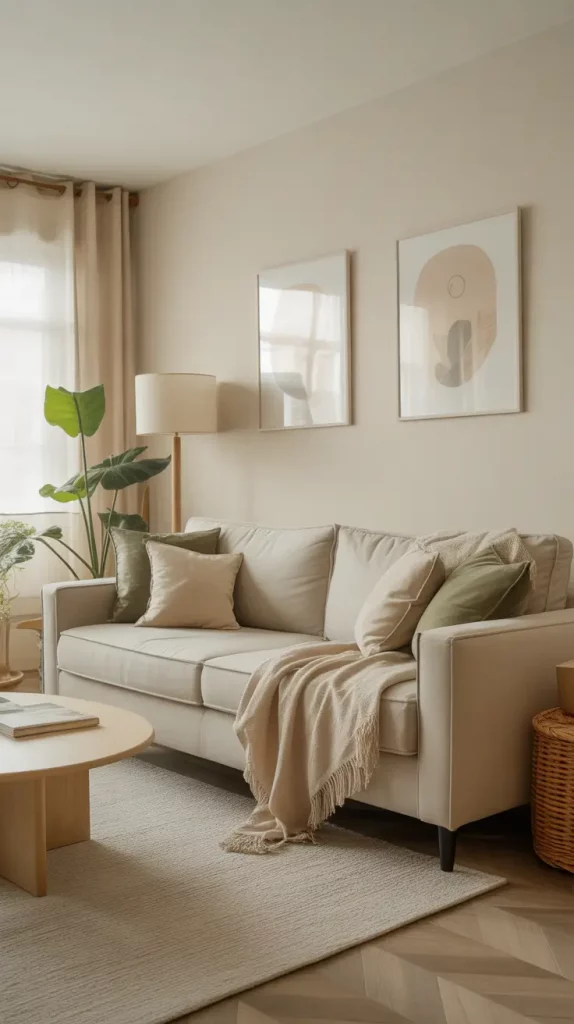
In practice, I combine these tones through upholstery, wall paint, and decor accents. For example, a beige sofa paired with sage cushions and a light oak table creates a cohesive and soothing composition.
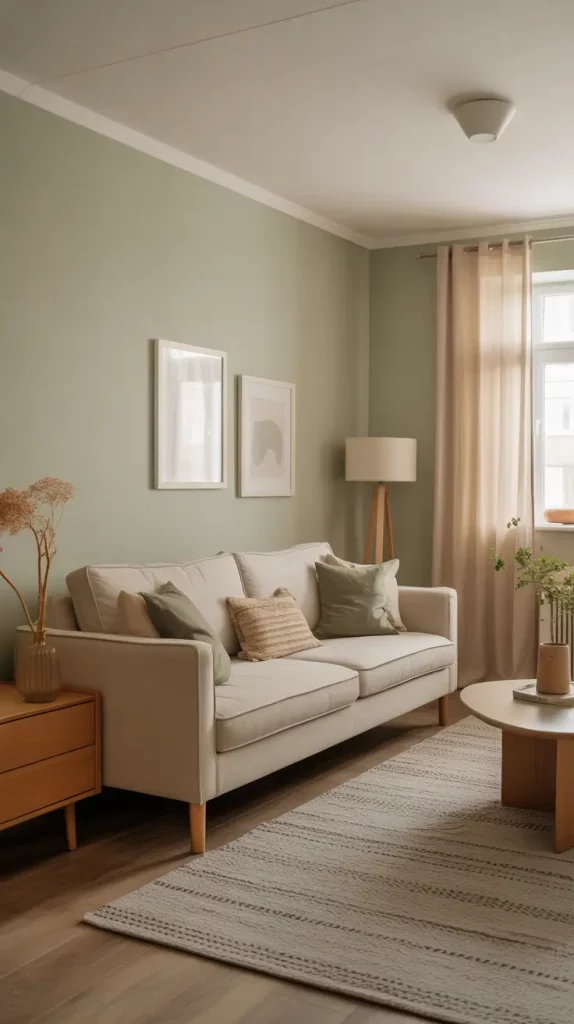
I’ve found that subtle contrast is essential. Designers often recommend layering tones within the same color family rather than introducing harsh contrasts.
To strengthen this section, I would include specific paint brands or shade recommendations for readers.
Best Summer Living Room Colors For A Calm And Cozy Space
When selecting summer living room colors, I aim for shades that reflect light and reduce visual heat. Whites, creams, and soft pastels are my go-to choices for maintaining a cool atmosphere.
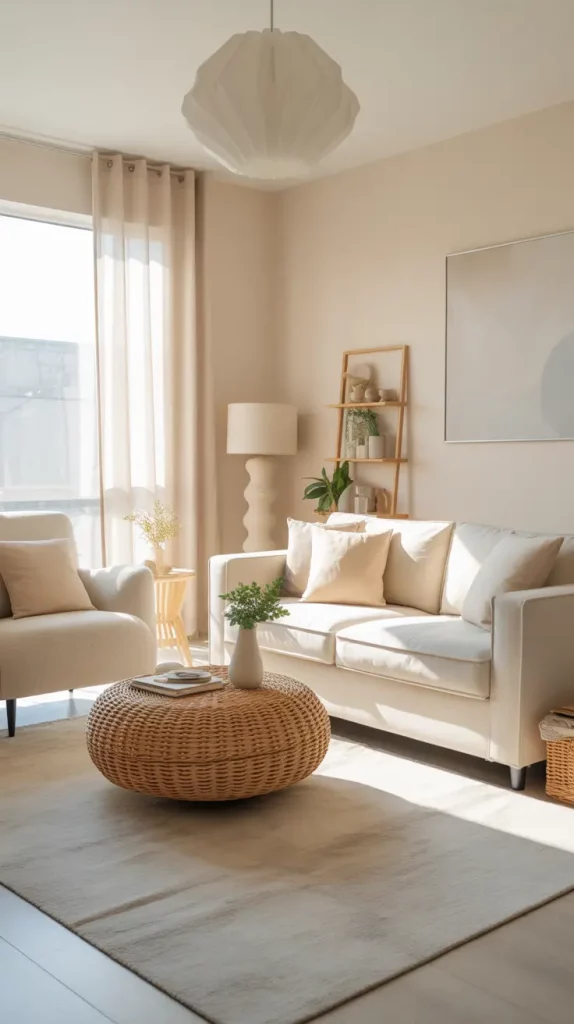
I typically integrate these colors across walls, textiles, and accessories. Rugs in light tones, cushions in muted hues, and natural wood elements help unify the space.
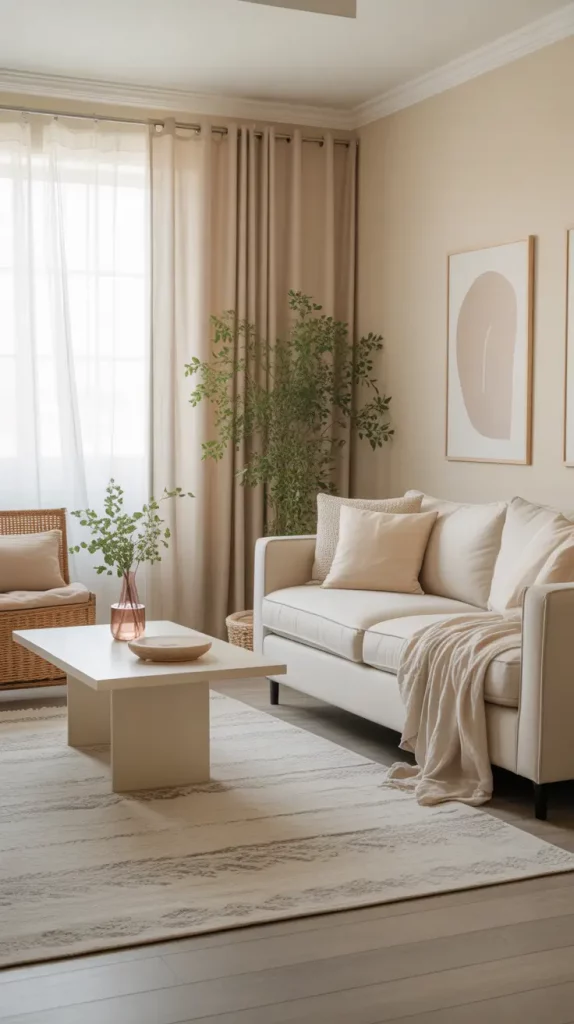
From my experience, overly bright colors can feel overwhelming in summer interiors. Experts from House Beautiful often suggest sticking to subdued tones for long-term comfort.
This section could benefit from examples of color combinations for different room sizes or lighting conditions.
Aesthetic Summer Living Rooms: Blending Comfort With Style
An Aesthetic summer living room is not just visually appealing—it’s functional and comfortable. I focus on creating a space where every element serves both a practical and stylistic purpose.
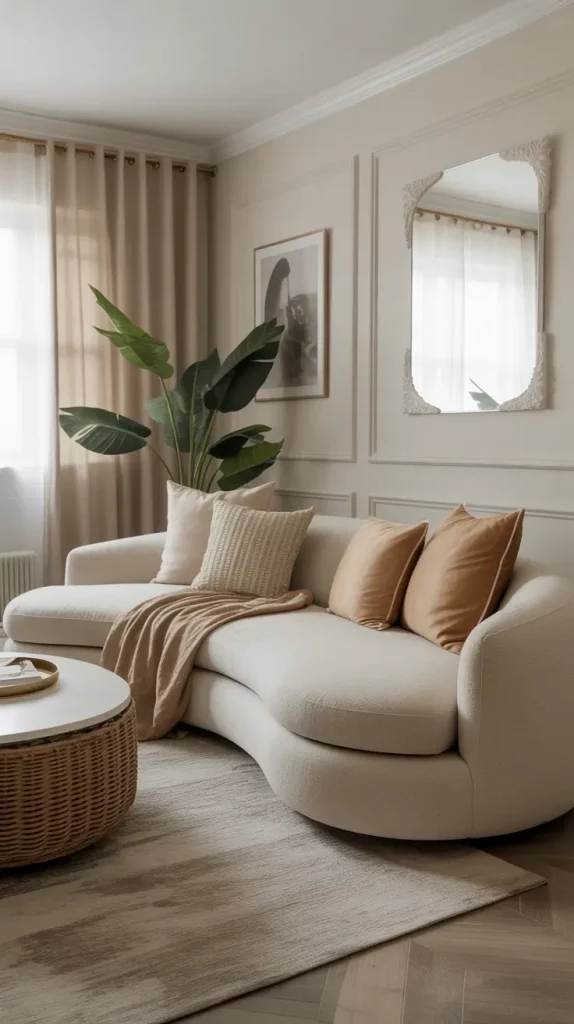
I often use curved furniture, layered textiles, and subtle decor pieces to achieve this balance. The goal is to create a room that feels curated but not overly designed.
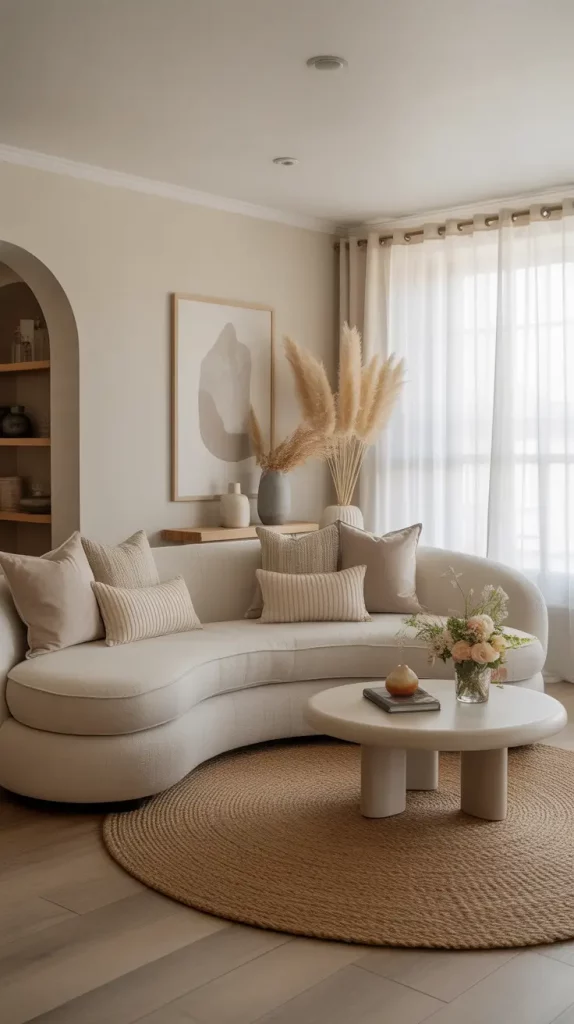
In my opinion, comfort should never be sacrificed for style. I’ve seen many interiors fail because they prioritize appearance over usability.
To improve this section, I would include examples of ergonomic furniture that aligns with aesthetic goals.
Summer Living Room Ideas For Small And Large Spaces
When developing summer living room ideas, I adapt my approach based on space. Small rooms benefit from multifunctional furniture and minimal decor, while larger spaces allow for zoning and layered layouts.
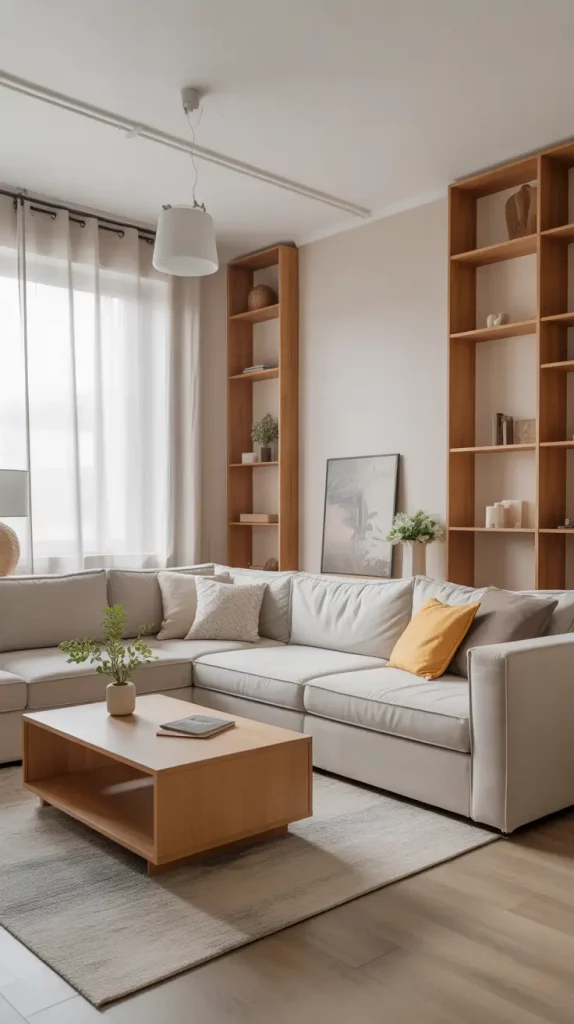
In smaller rooms, I recommend light-colored furniture, mirrors, and compact storage solutions. For larger spaces, I use rugs and furniture placement to define areas without overcrowding.
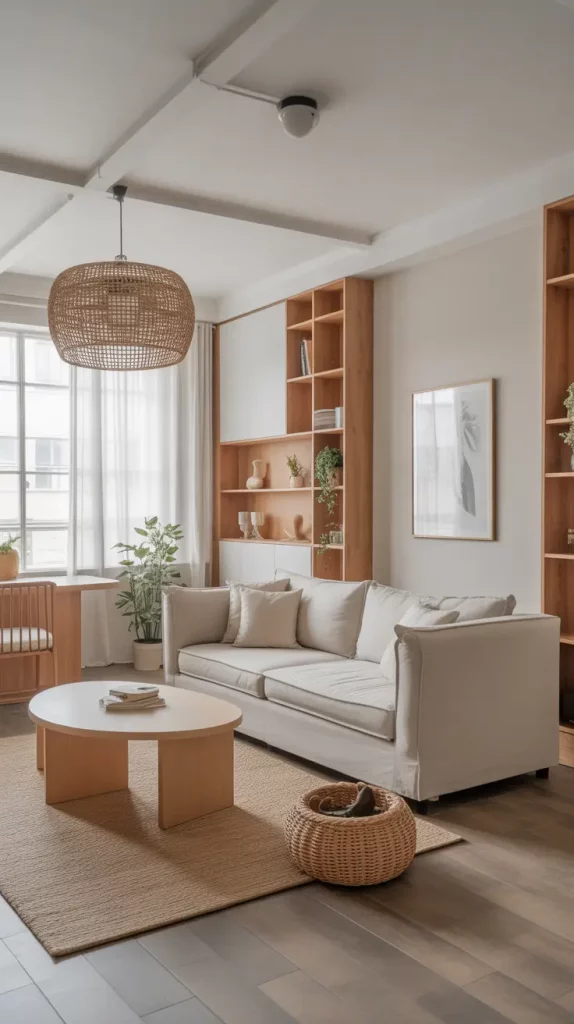
From my experience, scale is everything. A piece that works in a large room can overwhelm a small one. Designers often emphasize proportion as a key principle.
To enhance this section, I would add layout diagrams or examples for different room sizes.
How To Style A Grey Couch For Summer Living Room Decor
When I work with a summer living room decor grey couch, I treat it as a versatile foundation rather than a limitation. Grey is neutral, but in a summer living room, it needs to feel lighter and more seasonal. I focus on softening its presence by surrounding it with warm, breathable elements and ensuring the overall composition aligns with a relaxed Aesthetic.
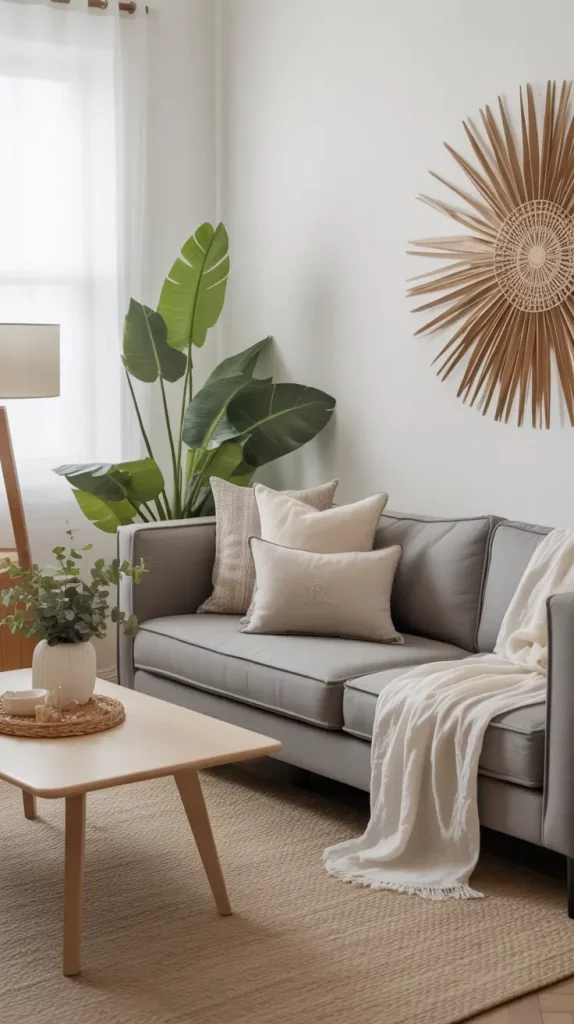
I usually style a grey couch with layered textiles—light linen throws, cotton cushions in muted Colors like sage, sand, or pale blue, and sometimes subtle patterns. I also incorporate light wood coffee tables and woven baskets to break the cool tone of the sofa. Adding greenery nearby helps balance the neutrality and introduces a fresh seasonal energy.
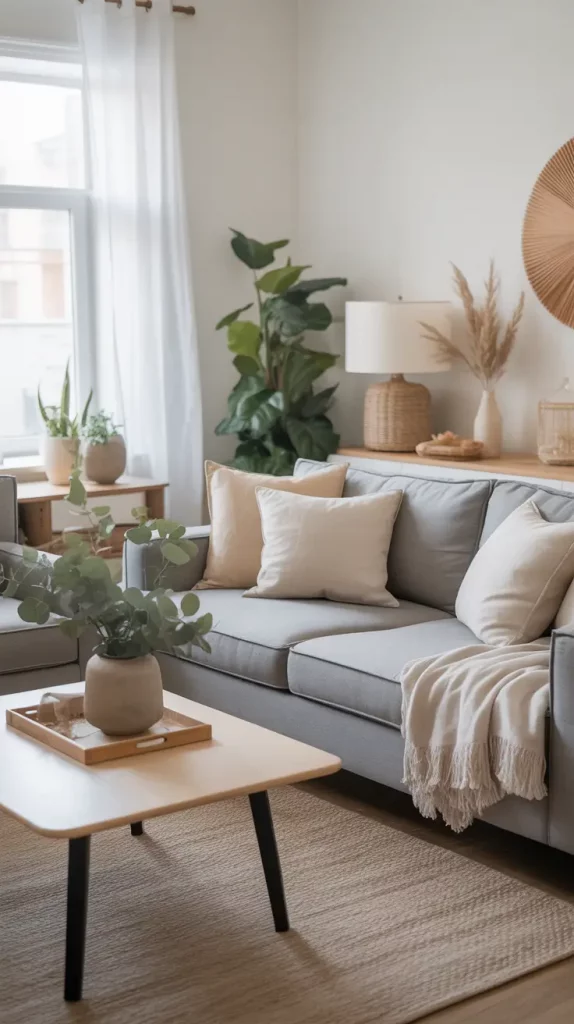
From my experience, the key is contrast without heaviness. Designers featured in publications like Better Homes & Gardens often recommend pairing grey with warm neutrals to avoid a cold or overly modern feel. I’ve personally found that even a single textured throw can completely transform how the couch interacts with the room.
To make this section more complete, I would add specific examples of cushion combinations and fabric textures that work best with different shades of grey.
Summer Living Room Decor Grey Couch: Lightening Up Neutral Furniture
In many summer living rooms, a grey couch can feel too dense if not styled correctly. I approach this by visually “lifting” the furniture through surrounding decor and color choices. The goal is to integrate the couch seamlessly into a brighter, more breathable environment.
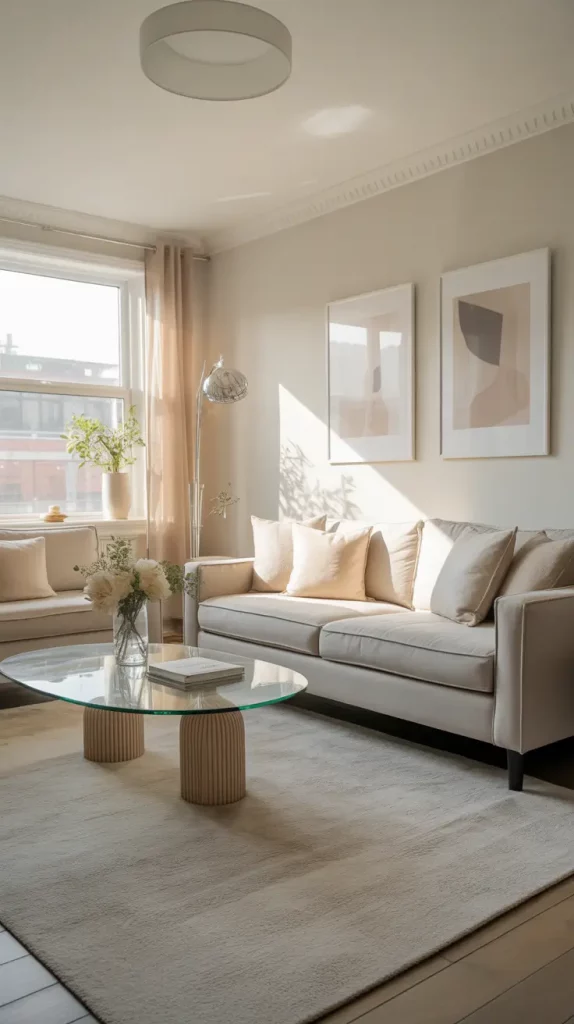
I recommend using light rugs—preferably in cream or soft beige—to anchor the seating area. Wall decor should stay minimal, with perhaps one large artwork in soft tones. I also like placing a light-toned side table or a glass coffee table near the couch to reflect light and reduce visual weight.
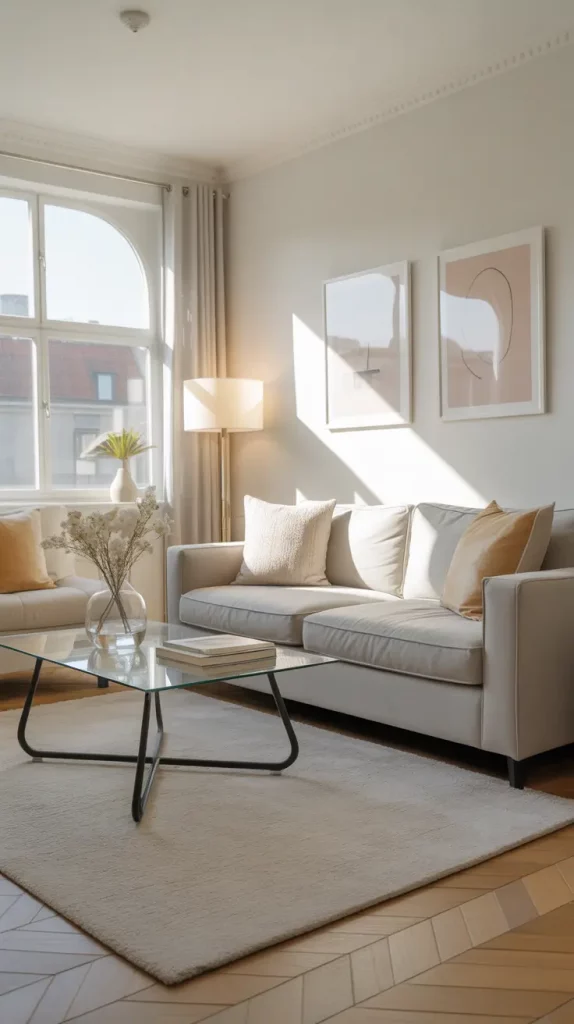
In my practice, I’ve noticed that lighting plays a crucial role here. Natural light should hit the couch whenever possible, and artificial lighting should be warm and diffused. This approach aligns with many modern summer living room ideas focused on comfort and subtle elegance.
What’s missing here is a deeper explanation of how wall colors specifically affect the perception of grey furniture, which could further guide readers.
Choosing Summer Living Room Curtains For Breezy Interiors
Selecting the right summer living room curtains is one of the most impactful decisions in seasonal design. I always prioritize fabrics that allow light to pass through while still offering a sense of privacy. This creates a soft, diffused glow throughout the space.
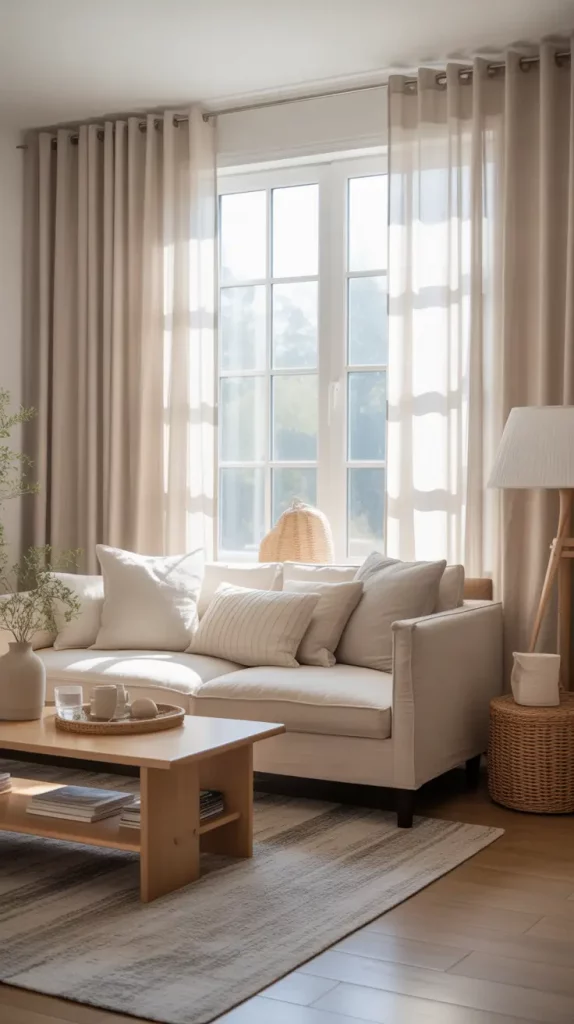
In my projects, I often choose sheer or lightweight linen curtains in neutral tones. These materials move gently with airflow, enhancing the feeling of a breezy, open room. I also pay attention to curtain length—floor-length panels elongate the space and add subtle elegance.
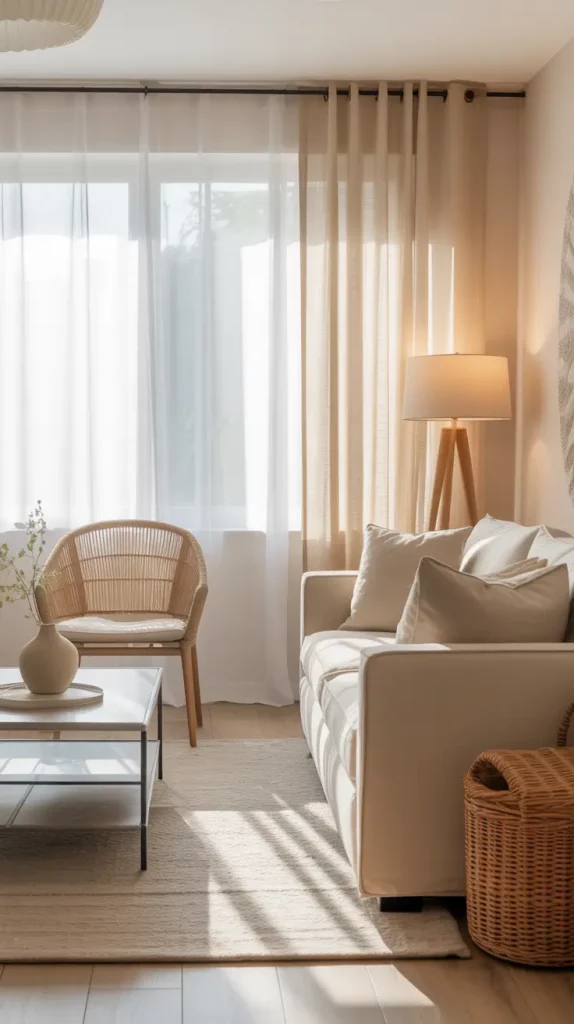
From my experience, heavy or dark curtains can completely disrupt the intended summer living room aesthetic. Many interior experts emphasize that window treatments should complement, not dominate, the design.
To improve this section, I would include recommendations for curtain hardware and installation styles that enhance the overall look.
Sheer Vs Linen Curtains: Best Picks For Summer Living Rooms
When comparing sheer and linen summer living room curtains, I always consider both function and visual effect. Sheer curtains maximize light and create a very soft, ethereal look, while linen offers slightly more structure and texture.
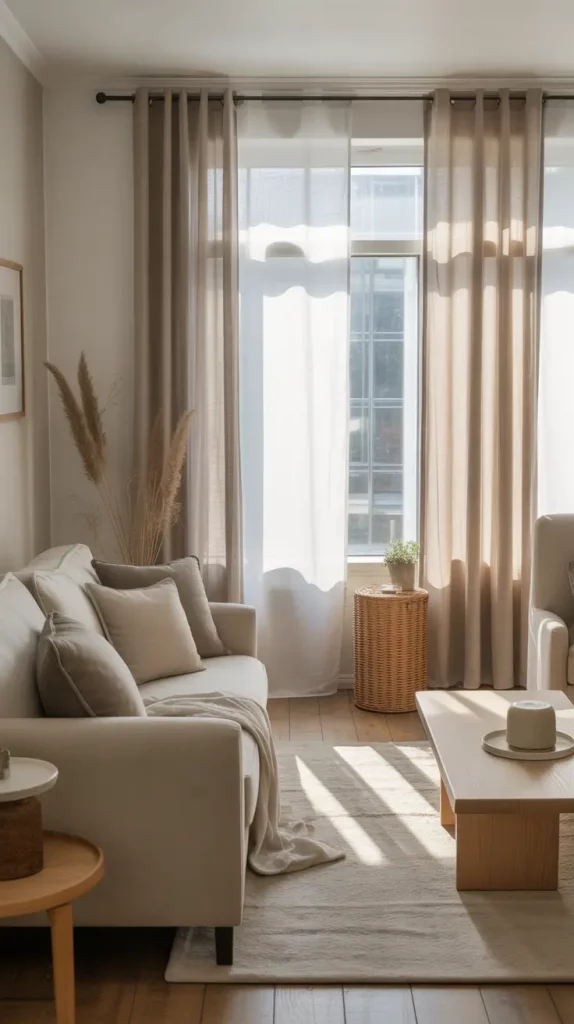
I typically use sheer curtains in smaller spaces or rooms that need more brightness. Linen curtains, on the other hand, are ideal for adding depth without sacrificing the Soft and airy feel. Both options work beautifully within modern summer living rooms, depending on the desired atmosphere.
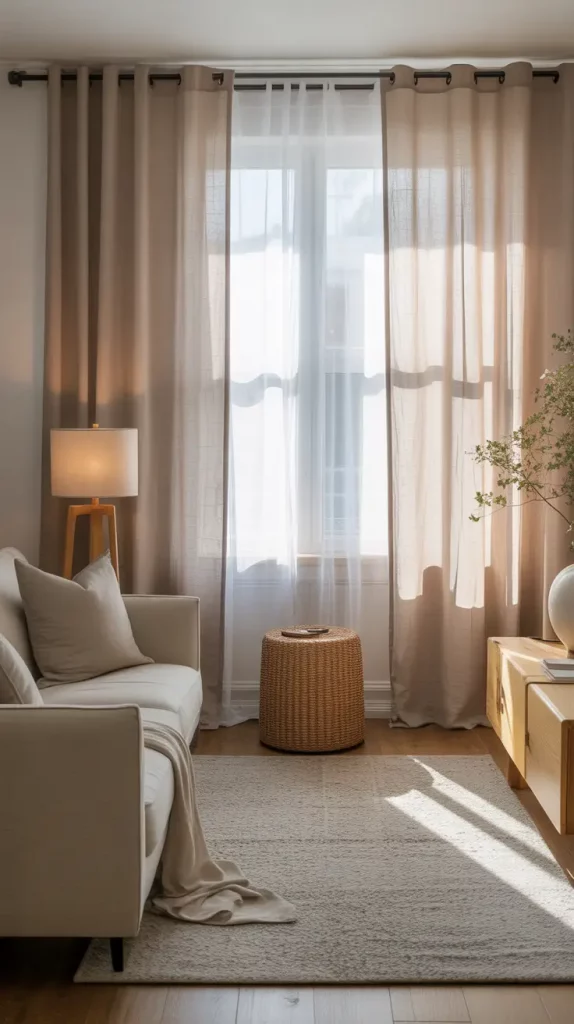
Personally, I prefer combining both—layering sheer panels with linen drapes. This allows flexibility in light control and adds a more refined, layered design.
What could be added here is guidance on color selection for curtains based on wall and furniture tones.
Bringing Nature Indoors: Greenery In Summer Living Room Decor
Incorporating greenery is essential in summer living room decor. I see plants not just as decoration, but as living elements that enhance air quality and bring a natural rhythm into the space. They instantly make the room feel more vibrant and grounded.
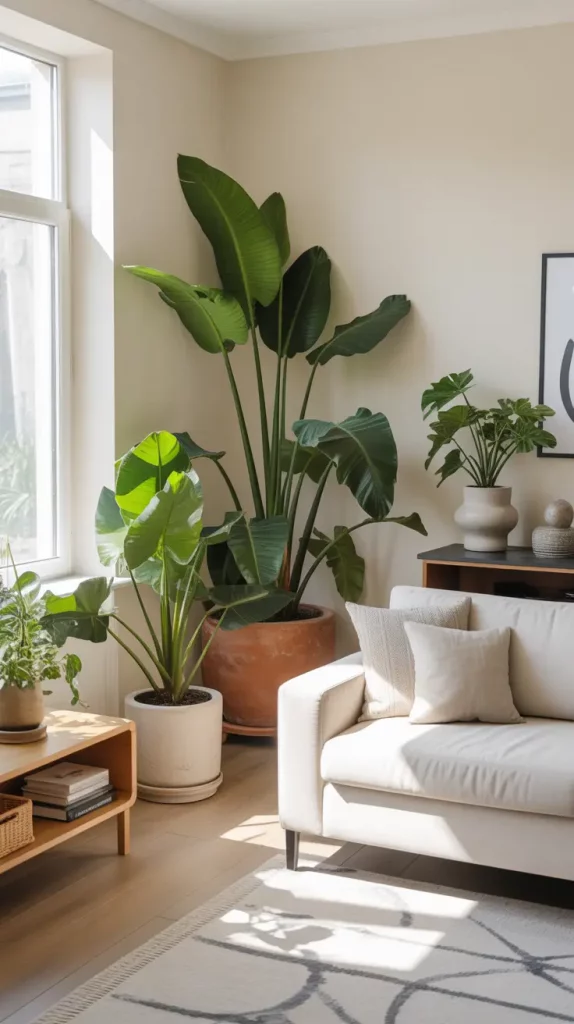
I usually include a mix of large floor plants, such as fiddle leaf figs, and smaller tabletop plants like succulents or herbs. Planters should align with the room’s Aesthetic—ceramic, terracotta, or woven materials work best for a cohesive look.
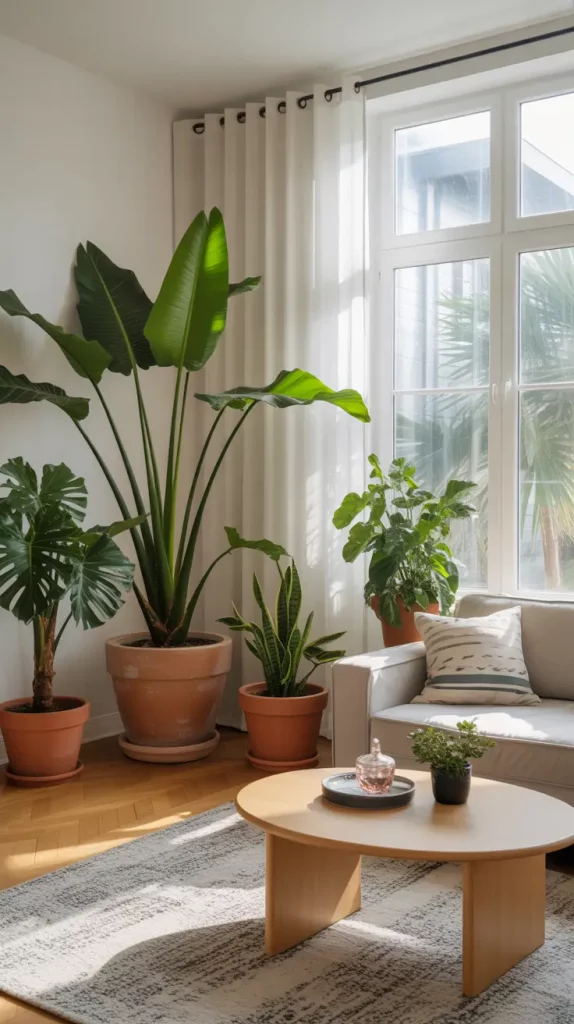
From my experience, even one well-placed plant can transform the energy of a room. Designers frequently highlight biophilic design as a key trend, emphasizing the connection between indoor spaces and nature.
To strengthen this section, I would add advice on plant care and placement based on light conditions.
Minimalist Summer Living Room Ideas With Soft Aesthetic Appeal
Minimalism works exceptionally well in a summer living room when executed thoughtfully. I focus on reducing visual clutter while maintaining warmth and comfort. The goal is not emptiness, but intentional simplicity.
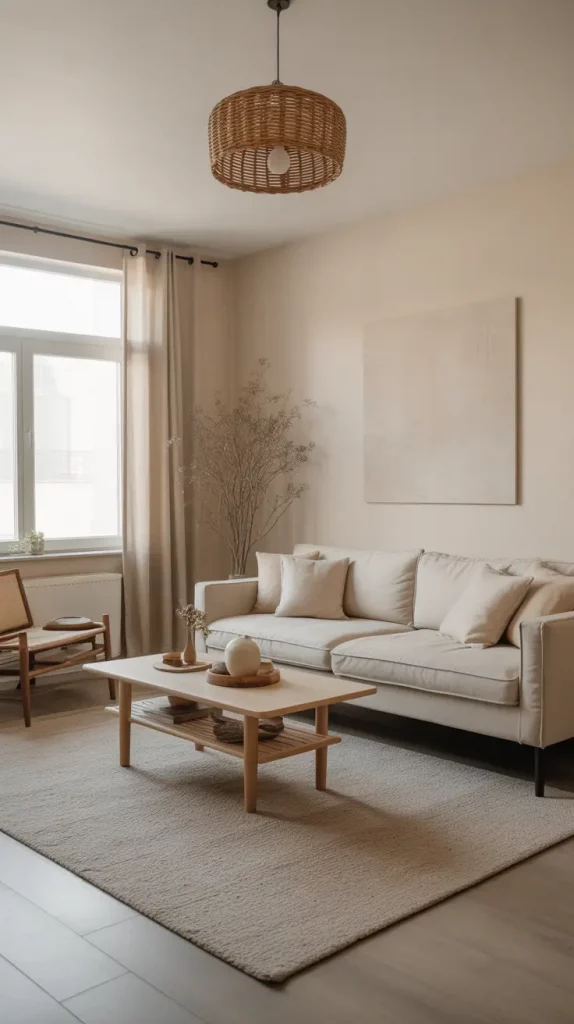
I select a few high-quality pieces—such as a streamlined sofa, a simple coffee table, and minimal decor. The color palette remains Soft, with layered neutrals and subtle textures to prevent the space from feeling sterile.
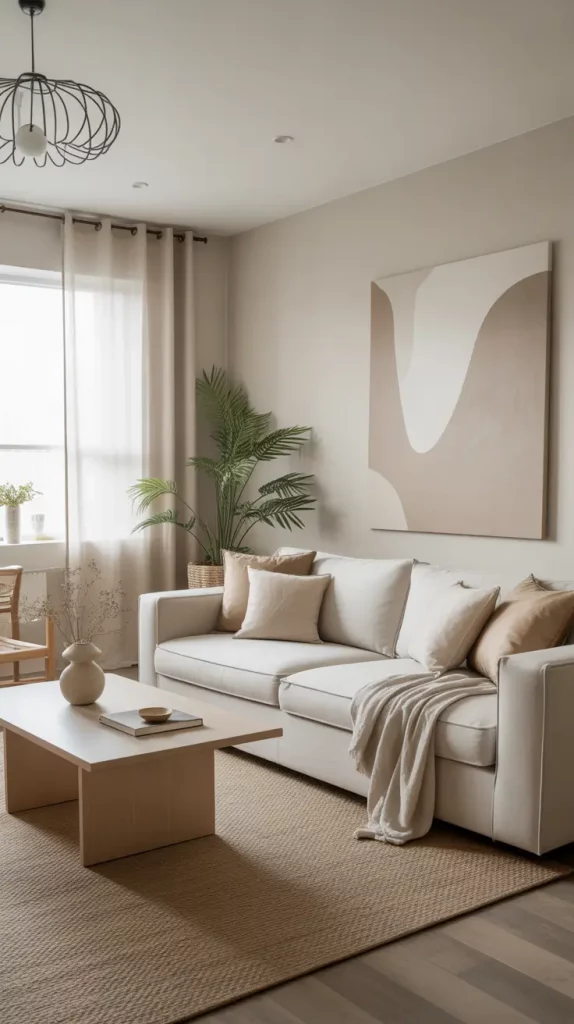
In my opinion, minimalism is about clarity. I’ve seen many interiors improve dramatically when unnecessary items are removed. Experts often suggest editing your space regularly to maintain this balance.
To enhance this section, I would include examples of storage solutions that help maintain a minimalist look.
Coastal Inspired Summer Living Room Decor Ideas
Coastal design is a natural fit for summer living room ideas, but I approach it with restraint to avoid clichés. Instead of overly thematic decor, I focus on subtle references to the seaside through color and texture.
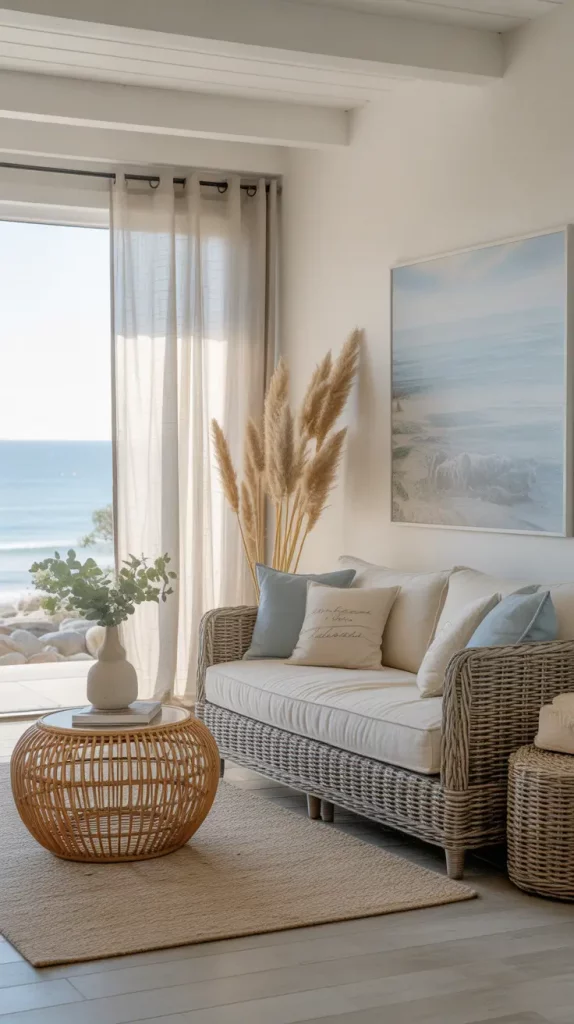
I typically use a palette of soft blues, sandy beiges, and crisp whites. Materials like rattan, driftwood, and linen help reinforce the coastal feel without overwhelming the space. Decorative elements might include glass vases or abstract artwork inspired by water.
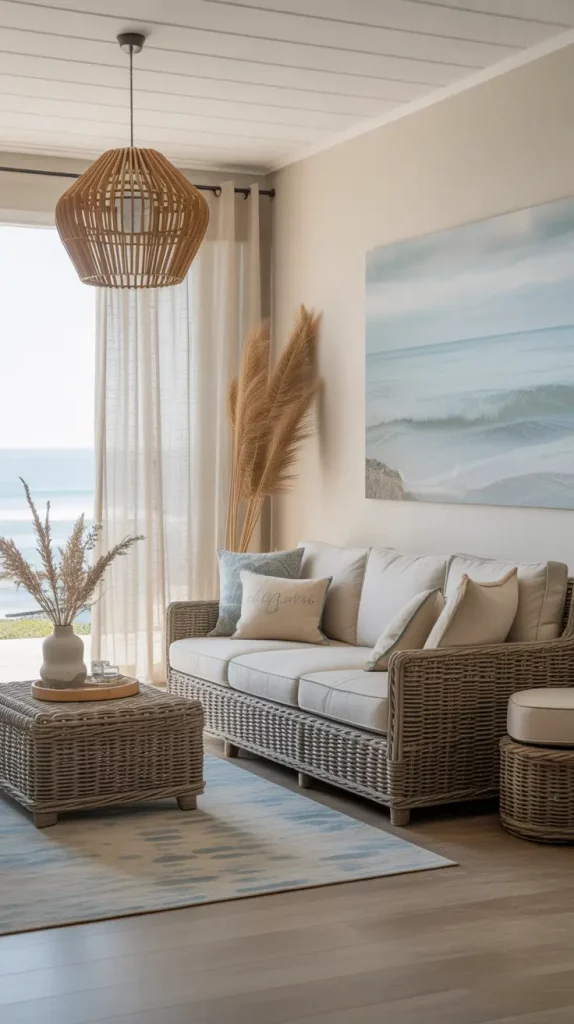
From my experience, the best coastal interiors feel effortless rather than staged. Many designers recommend focusing on atmosphere rather than literal motifs like shells or anchors.
To improve this section, I would add guidance on adapting coastal design for urban apartments.
Scandinavian Style Summer Living Rooms With Soft Colors
When I design a Scandinavian-inspired summer living room, I focus on simplicity, functionality, and a restrained palette of Soft Colors. This style naturally aligns with modern summer living room aesthetic trends because it emphasizes light, space, and comfort without unnecessary decoration. I aim to create a calm, breathable environment where every element feels intentional and balanced.
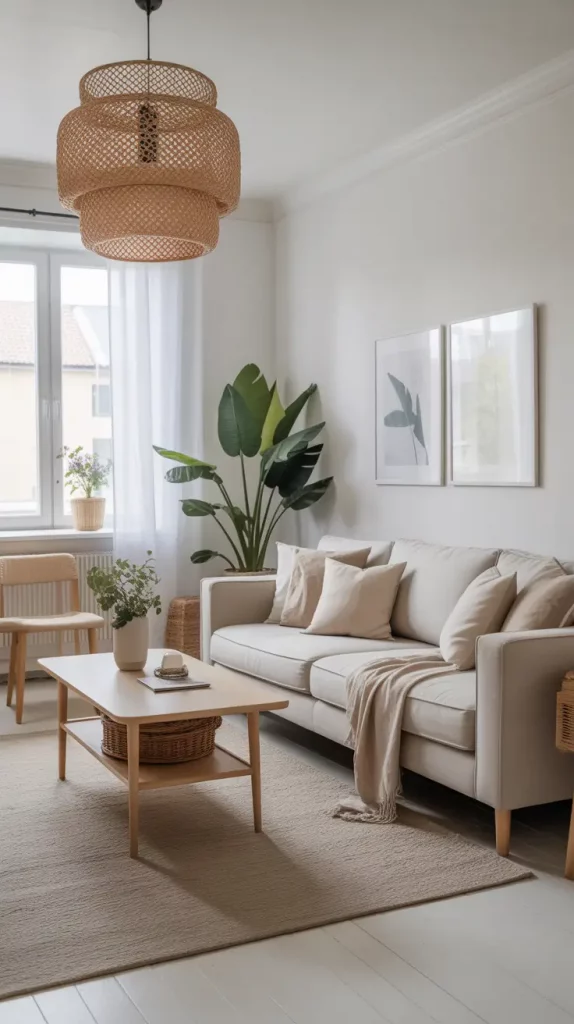
In my projects, I typically use light wood flooring, white or off-white walls, and furniture with clean lines. A neutral sofa, often in beige or light grey, is paired with subtle textiles like wool or cotton throws. I also include minimal decor—such as ceramic vases or simple artwork—to maintain visual clarity. Natural light plays a central role, so I avoid heavy summer living room curtains and instead use sheer or barely-there fabrics.
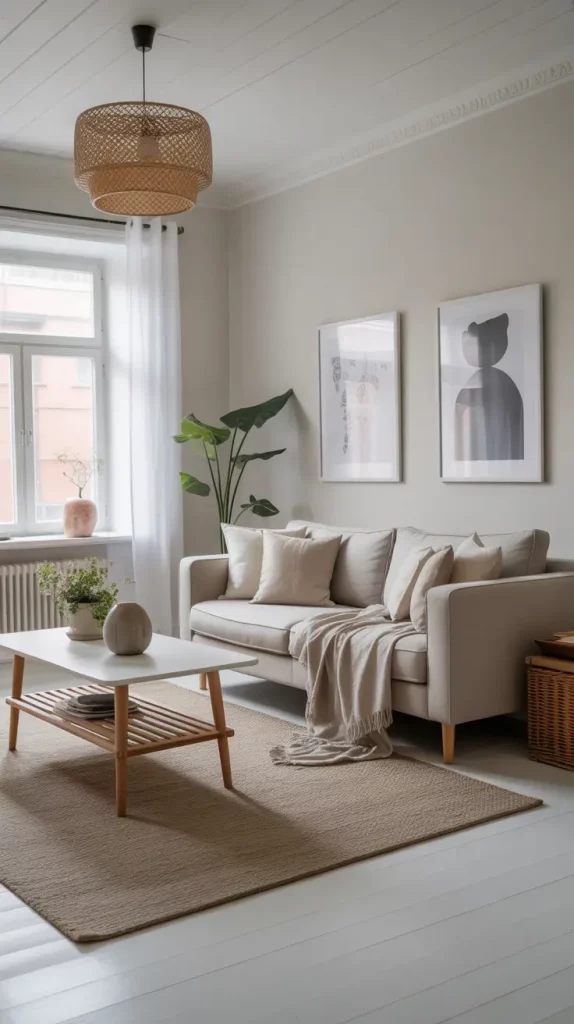
From my experience, Scandinavian interiors succeed because they prioritize everyday comfort. Designers often highlight “hygge” as a guiding principle—creating a space that feels welcoming and livable rather than staged. I’ve found that even small details, like a textured cushion or a warm-toned lamp, can significantly enhance the atmosphere.
To improve this section, I would add specific examples of Scandinavian furniture brands or materials that align with sustainable design trends.
Boho Summer Living Room Aesthetic With Relaxed Vibes
A boho-inspired summer living room offers a more expressive and layered approach while still maintaining a relaxed Aesthetic. I approach this style by blending textures, patterns, and natural materials in a way that feels curated but not overly structured. The goal is to create a space that feels personal and effortlessly comfortable.
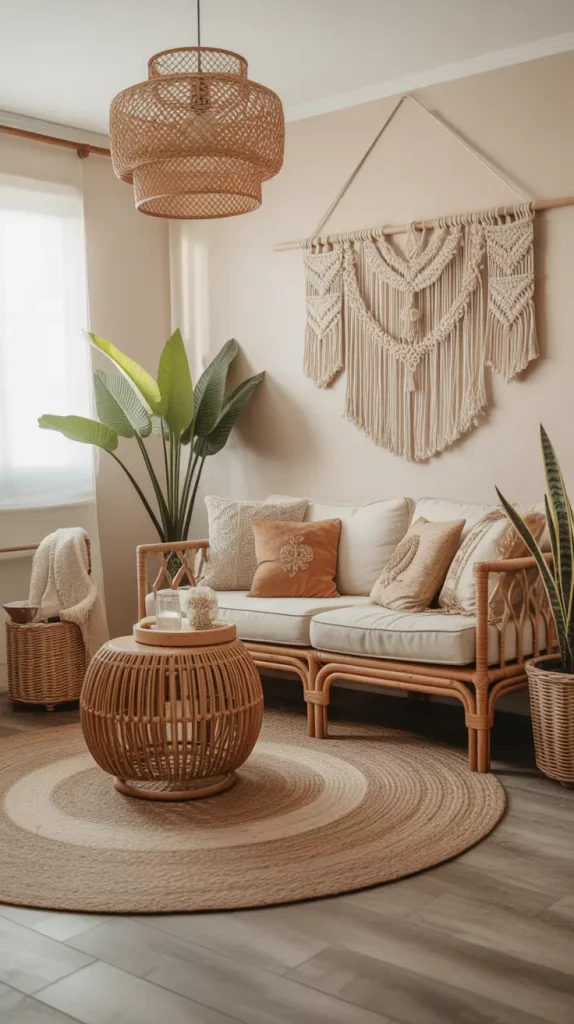
I usually incorporate elements like woven rugs, macramé wall hangings, and low seating options such as poufs or floor cushions. Furniture tends to be eclectic—mixing wood, rattan, and upholstered pieces. The summer living room colors here are still soft but slightly warmer, including terracotta, muted gold, and dusty pink.
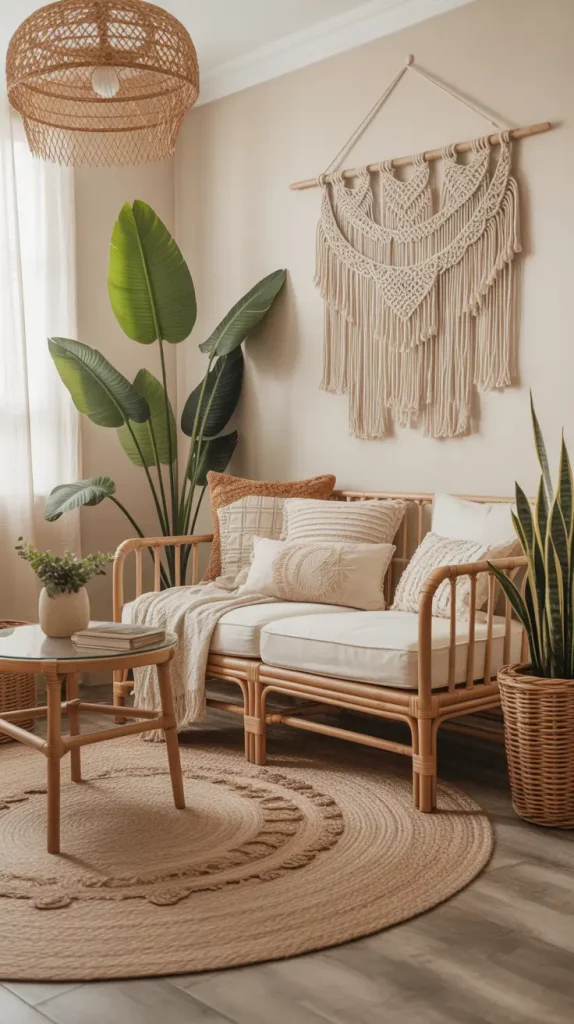
In my experience, the biggest mistake is over-layering. While boho allows for creativity, too many competing elements can make the room feel cluttered. Many designers suggest editing the space carefully to maintain balance.
What’s missing here is a deeper explanation of how to combine patterns effectively without overwhelming the design.
How To Layer Textures In A Summer Living Room Without Overheating The Space
Layering textures is essential in summer living room decor, but it must be done thoughtfully to avoid creating visual or physical heaviness. I focus on lightweight materials that add depth without trapping heat or making the space feel dense.
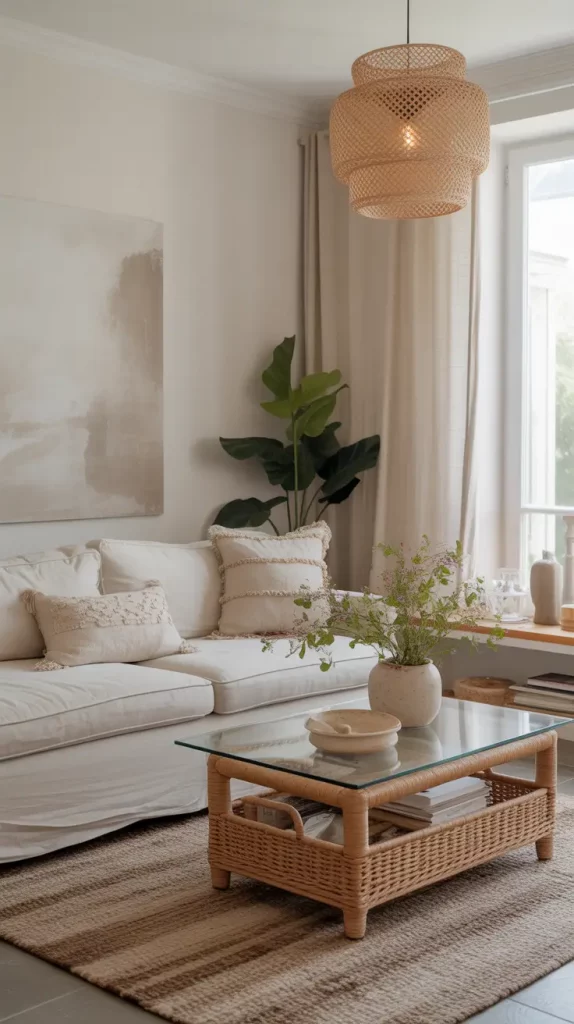
I typically use linen, cotton, and light wool in small quantities—such as throws, cushions, and rugs. Woven elements like baskets or rattan furniture add texture while maintaining breathability. I also mix smooth surfaces, like glass or polished wood, to balance the tactile experience.
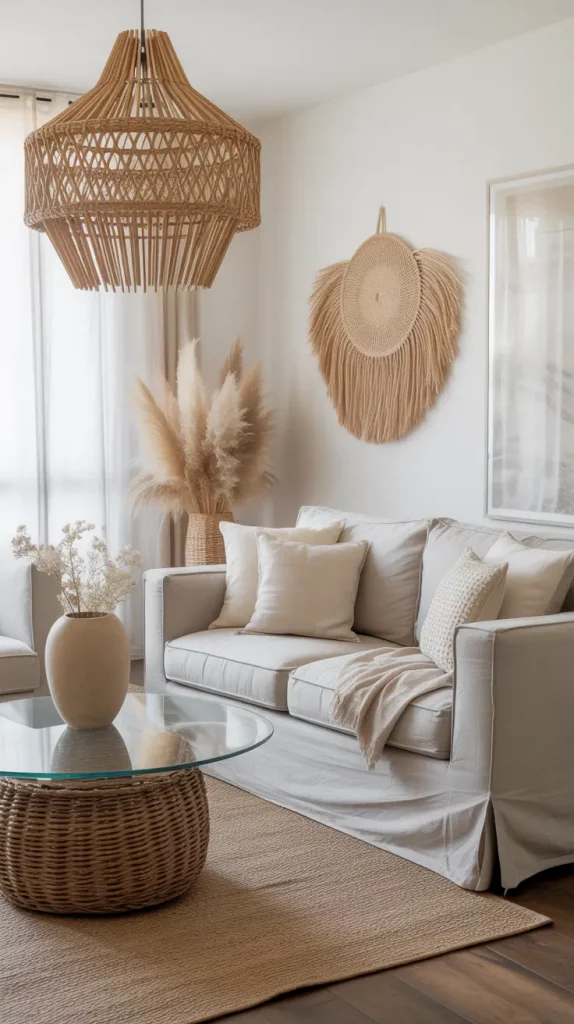
From my perspective, the key is restraint. I’ve learned that fewer, well-chosen textures are more effective than excessive layering. Interior experts often emphasize contrast in material rather than quantity.
To enhance this section, I would include examples of seasonal swaps—what to remove from winter and replace for summer.
Light Fabrics And Materials For A Summer Living Room Refresh
Refreshing a summer living room often starts with replacing heavy materials with lighter alternatives. I prioritize fabrics that are breathable, easy to maintain, and visually soft. This shift alone can dramatically change how the room feels.
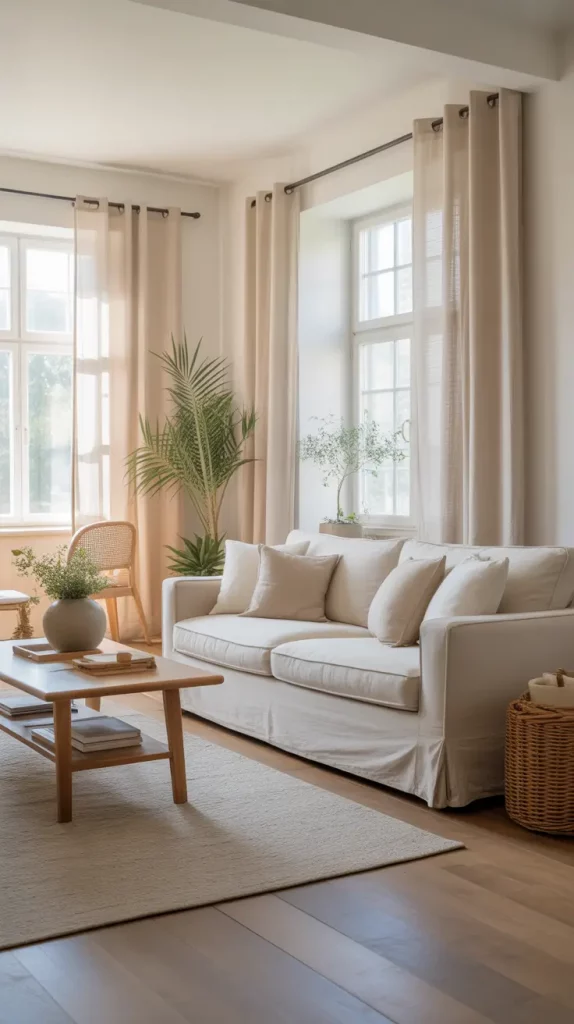
In my designs, I use linen upholstery, cotton curtains, and lightweight rugs. Furniture with natural finishes—like oak or bamboo—helps reinforce the seasonal transition. Even small changes, such as swapping cushion covers, can contribute to a more cohesive summer living room decor update.
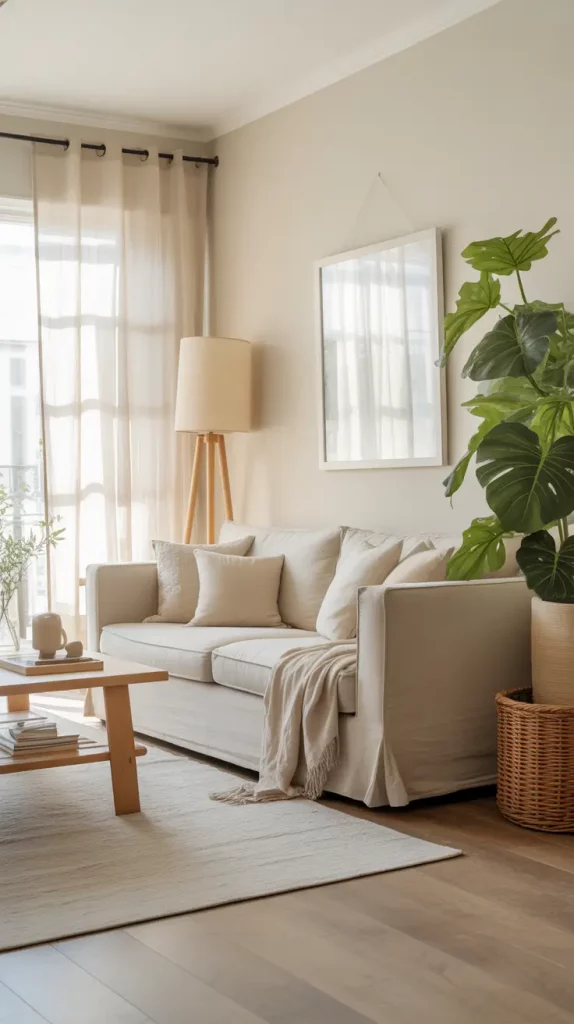
I’ve found that material choice directly affects comfort. Publications like House & Garden frequently highlight the importance of tactile experience in interior design—how a space feels is just as important as how it looks.
To make this section more practical, I would add a checklist of materials to replace or update when transitioning into summer.
Summer Living Room Decor Ideas Using Natural Light
Natural light is one of the most valuable elements in any summer living room. I design spaces to maximize it, ensuring that light flows freely and enhances every surface. This approach not only improves aesthetics but also makes the room feel larger and more inviting.
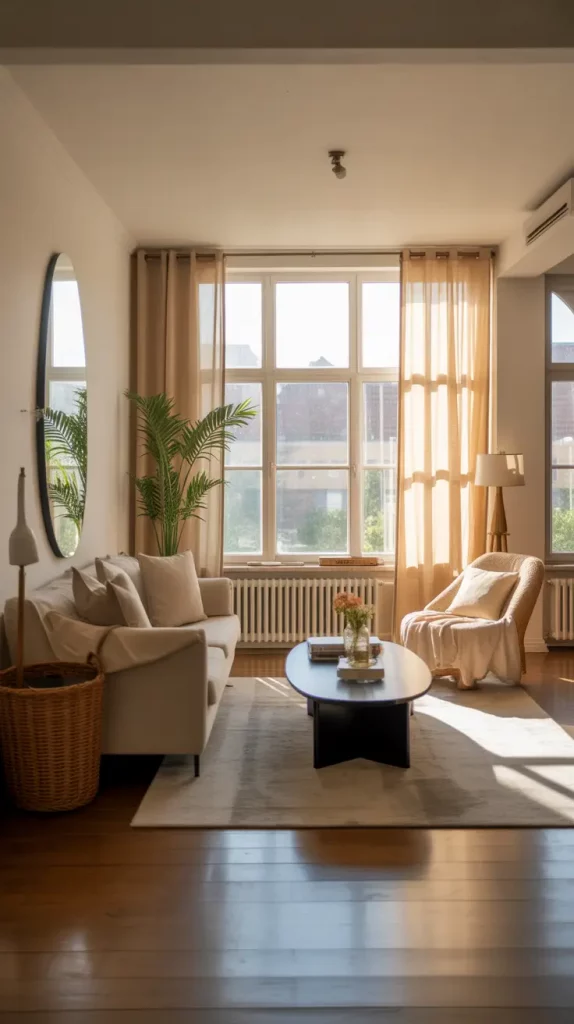
I avoid blocking windows with heavy furniture or dark curtains. Instead, I use reflective surfaces like mirrors or glass tables to distribute light throughout the room. Light-colored walls and textiles further amplify this effect.
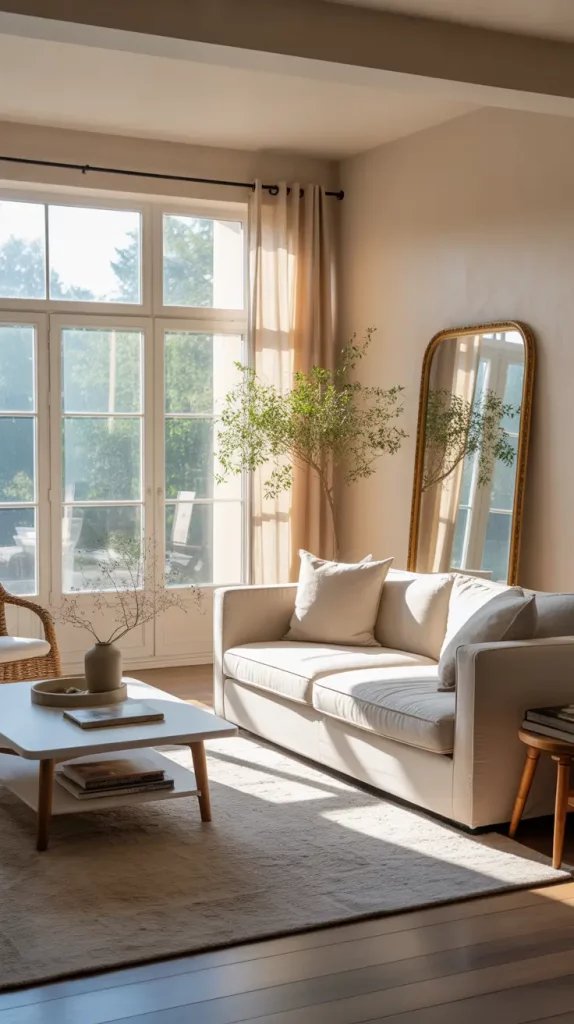
In my experience, natural light can replace the need for excessive decor. Many designers emphasize that a well-lit room inherently feels more complete and balanced.
To strengthen this section, I would include guidance on window placement strategies or mirror positioning for optimal light distribution.
Creating A Soft And Cozy Summer Living Room Atmosphere
A cozy summer living room doesn’t rely on heaviness—it’s about creating comfort through subtle, Soft design choices. I focus on warmth in tone rather than density in materials, ensuring the space feels inviting without being overwhelming.
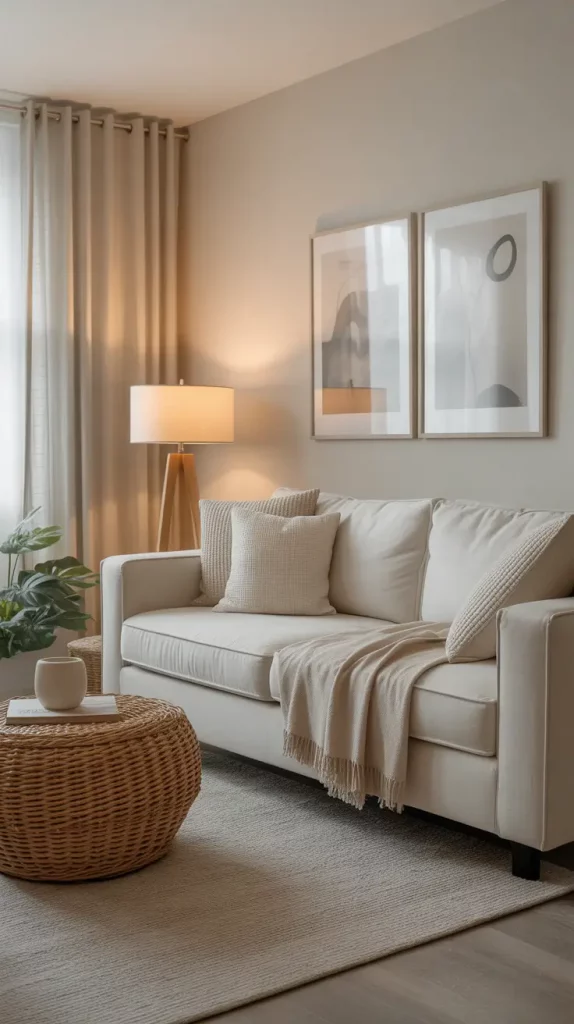
I typically use plush cushions, lightweight throws, and warm-toned lighting to achieve this effect. Seating arrangements are also important—I arrange furniture to encourage conversation and relaxation. The color palette remains gentle, reinforcing the overall Aesthetic.
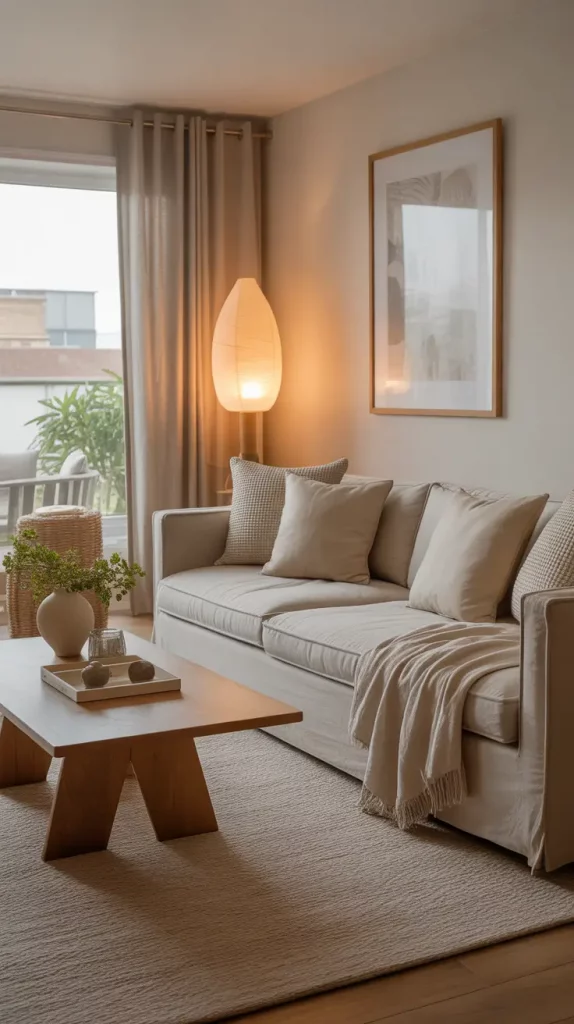
From my perspective, coziness is about emotional response. I’ve worked on spaces where even minimal decor felt deeply inviting because of thoughtful layout and lighting.
To improve this section, I would add examples of scent or sensory elements that enhance the cozy atmosphere.
Statement Pieces That Elevate Summer Living Rooms Instantly
In summer living rooms, statement pieces should enhance the design without disrupting its light and airy feel. I select one or two focal elements that draw attention while maintaining harmony with the overall palette.
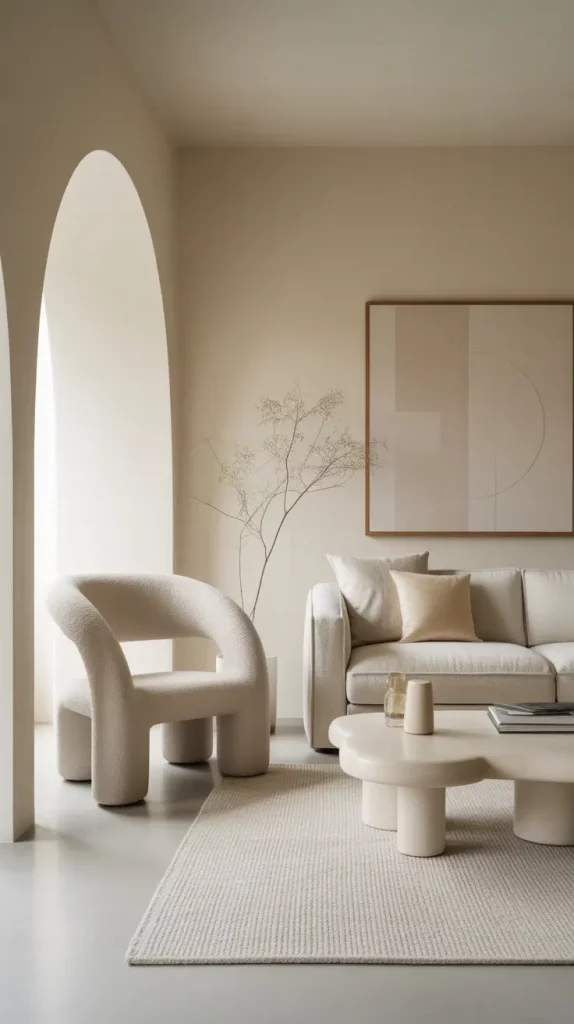
These might include a sculptural coffee table, an oversized artwork, or a uniquely shaped chair. I ensure that these pieces align with the summer living room aesthetic and don’t introduce visual heaviness.
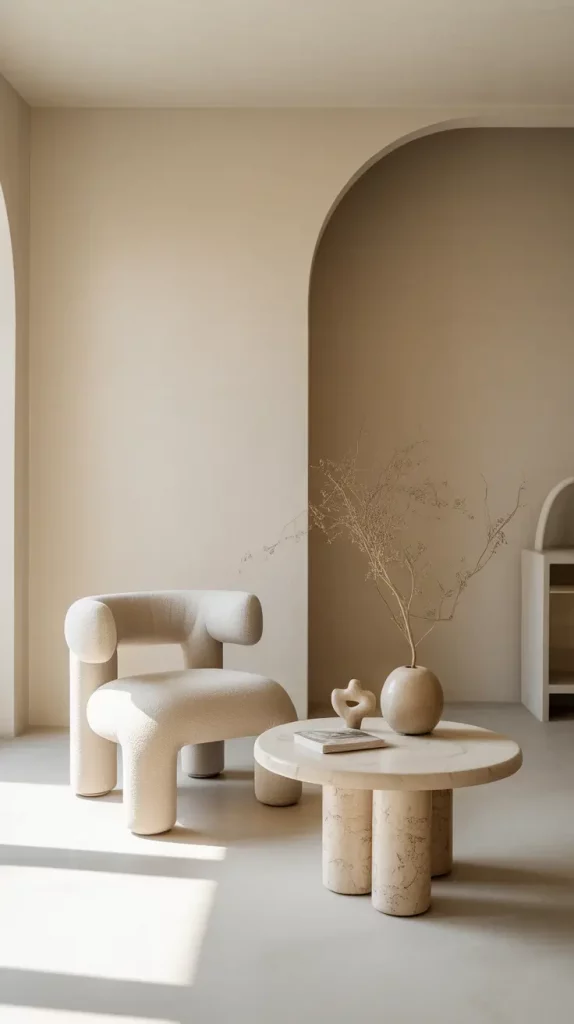
From my experience, restraint is crucial. A single well-chosen statement piece is far more effective than multiple competing elements. Designers often emphasize the importance of letting one feature stand out.
To enhance this section, I would include examples of statement pieces suitable for different interior styles.
Budget-Friendly Summer Living Room Ideas That Look Expensive
When designing a summer living room on a budget, I focus on visual impact rather than cost. A well-thought-out arrangement, combined with the right summer living room decor, can create a refined space without significant investment. I prioritize simplicity, balance, and a clean Aesthetic that feels intentional rather than improvised.
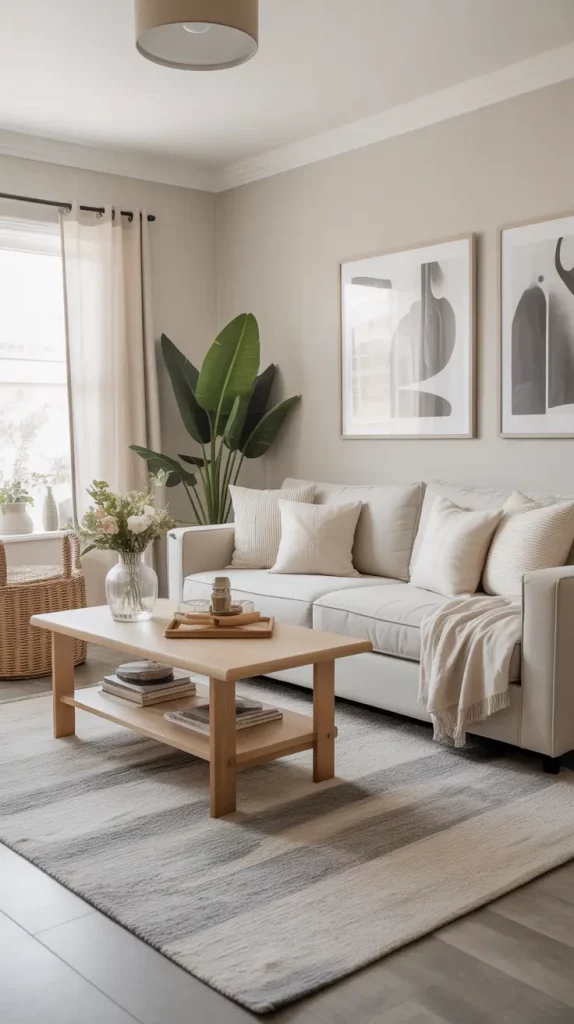
In my experience, small upgrades make the biggest difference. I often recommend replacing cushion covers with linen or cotton in Soft Colors, adding a light rug, and incorporating a few well-chosen accessories like ceramic vases or trays. Rearranging furniture to improve flow can also instantly elevate the space without any expense. Even updating summer living room curtains to a lighter fabric can transform the entire room.
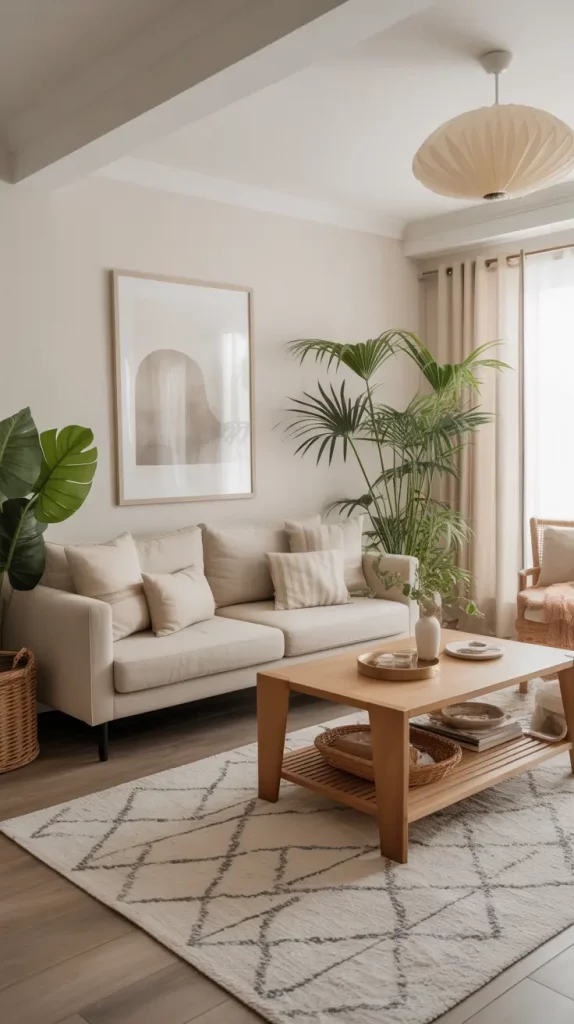
Personally, I’ve found that editing is more important than adding. Many designers emphasize removing unnecessary items to create a more luxurious feel. A curated space always appears more expensive than a cluttered one.
To improve this section, I would include specific budget ranges and product examples to help readers implement these ideas more easily.
How To Mix Soft Colors And Bold Accents In Summer Living Room Decor
Balancing Soft tones with bold accents is one of the most effective ways to enhance summer living room decor. I approach this by building a neutral base and then introducing controlled pops of color that add personality without overwhelming the space.
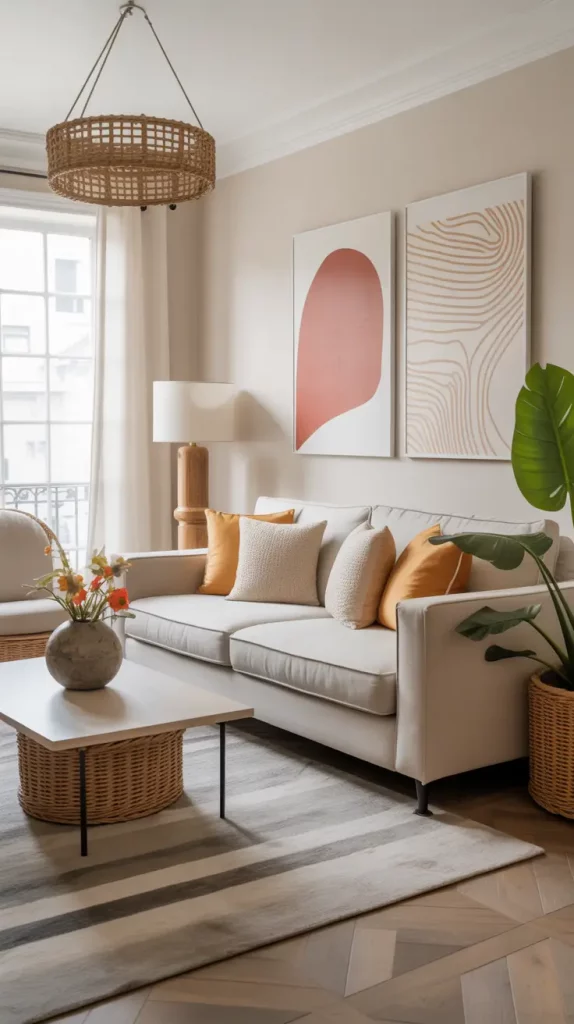
I typically start with a palette of neutral or muted summer living room colors—such as beige, white, or pale grey—and then layer in accents like deep blue cushions, terracotta decor, or a statement artwork. The key is to limit bold elements so they act as highlights rather than distractions.
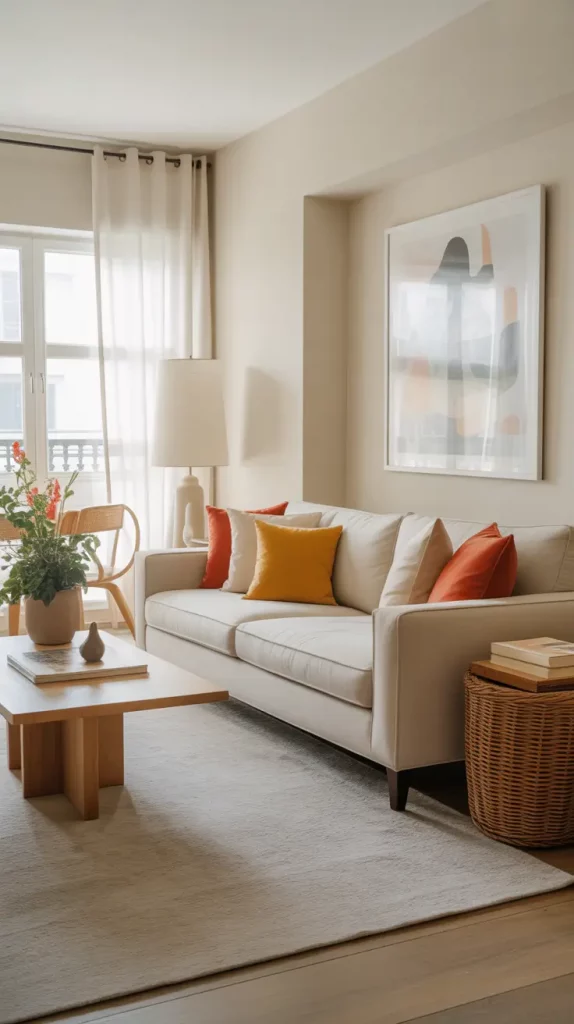
From my experience, proportion is everything. Designers often recommend a 70-30 balance, where softer tones dominate and bold accents play a supporting role. I’ve applied this principle in many projects with consistently successful results.
What’s missing here is a guide to selecting accent colors based on seasonal trends or personal style preferences.
Summer Living Room Wall Decor Ideas For A Fresh Look
Wall decor plays a significant role in shaping the overall summer living room aesthetic. I focus on keeping walls light, uncluttered, and visually cohesive with the rest of the space. The goal is to enhance, not dominate, the room.
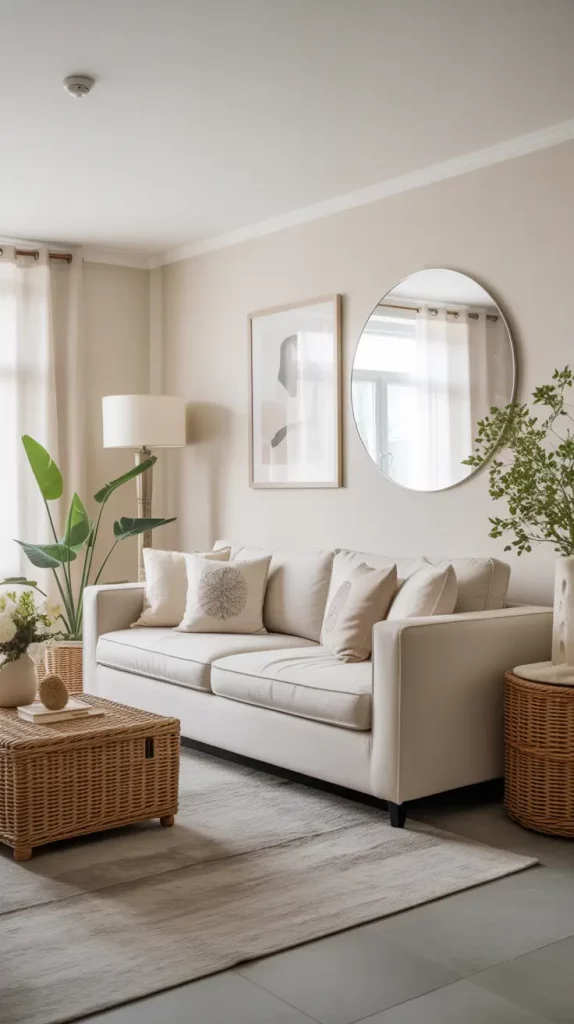
I often use a single large artwork, a set of minimal prints, or textured wall elements like woven panels. Mirrors are also highly effective, as they reflect light and make the space feel larger. The color palette of wall decor should align with the overall Colors used in the room.
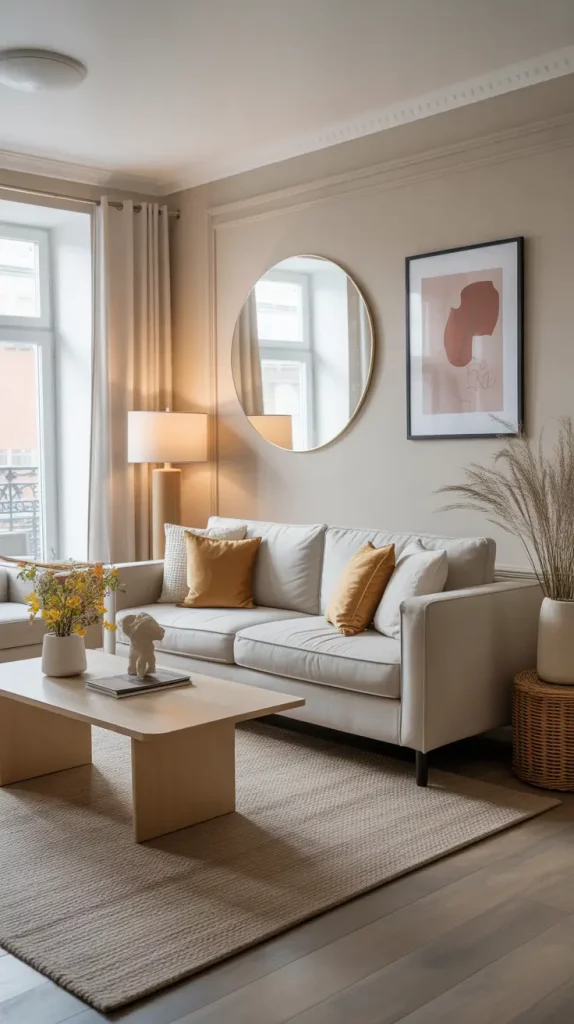
In my experience, less is more when it comes to wall styling. Many interiors feel overcrowded because of excessive decoration. Designers frequently emphasize the importance of negative space in creating a calm environment.
To strengthen this section, I would add examples of gallery wall arrangements that maintain a minimalist feel.
Rugs And Flooring Choices For A Summer Living Room Aesthetic
Flooring is often overlooked, but it plays a crucial role in defining a summer living room. I prioritize materials that feel cool underfoot and visually lighten the space. Rugs, in particular, help anchor furniture while adding texture.
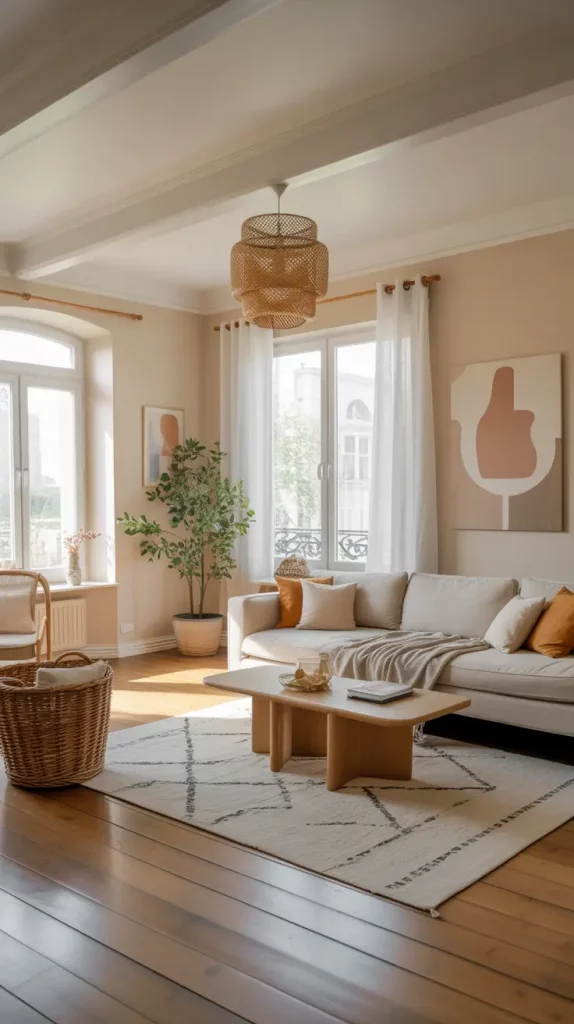
I usually recommend flat-weave rugs in neutral tones or subtle patterns. Natural materials like jute or cotton work well for summer because they are breathable and durable. Light wood or pale flooring further enhances the airy feel of the room.
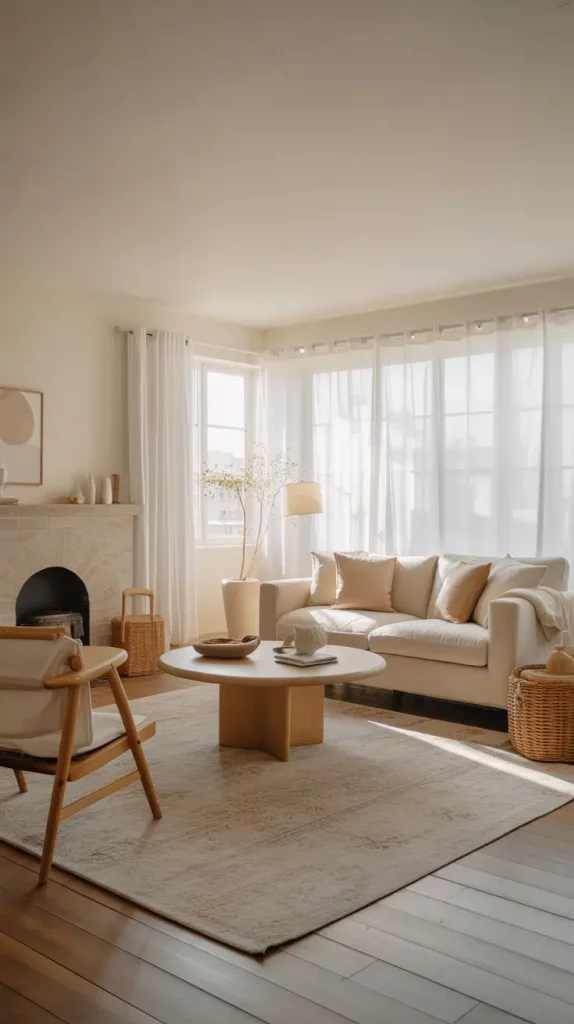
From my perspective, the right rug can unify the entire design. I’ve seen spaces transform simply by replacing a heavy, dark rug with a lighter alternative.
To improve this section, I would include guidance on rug sizing and placement relative to furniture layout.
Decluttering Tips For A Clean And Airy Summer Living Room
Decluttering is essential for achieving a true summer living room aesthetic. I approach this process systematically, focusing on removing items that no longer serve a functional or visual purpose. The goal is to create space—not just physically, but visually.
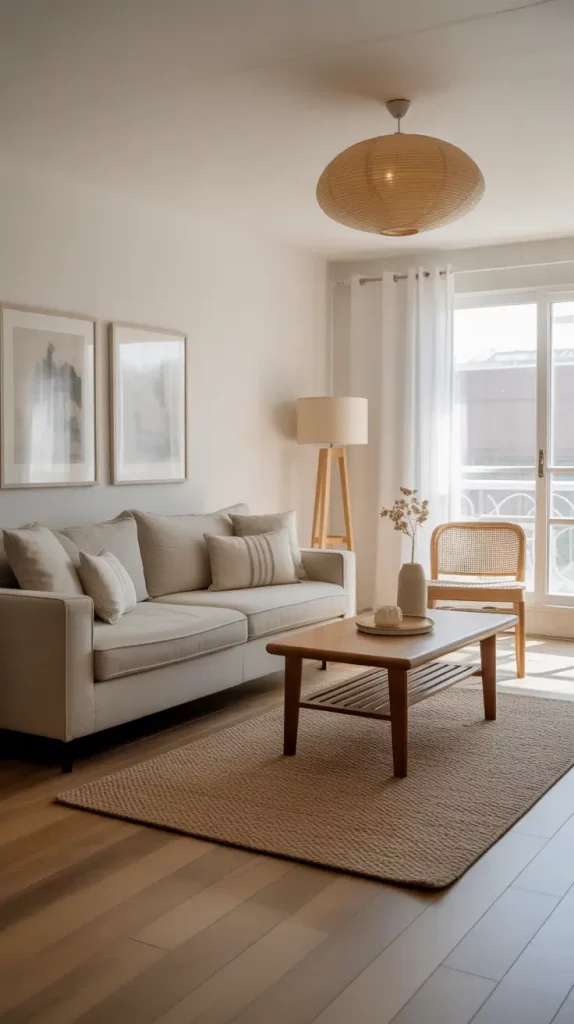
I typically start by clearing surfaces, reducing decor, and organizing storage areas. Furniture should be arranged to allow easy movement and maintain openness. I also recommend rotating seasonal items, keeping only what aligns with the current design.
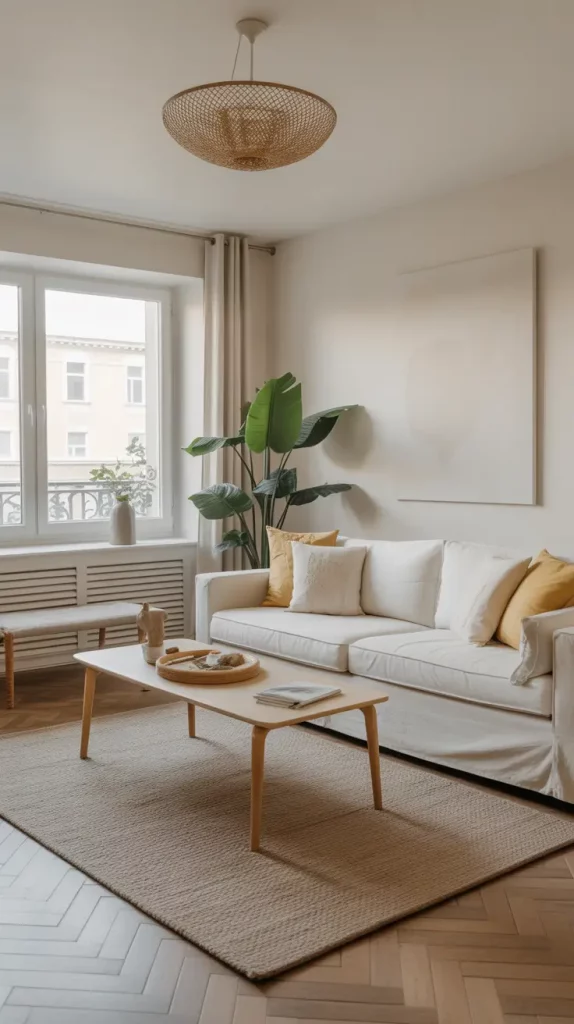
In my experience, decluttering has an immediate impact. Many designers suggest that a well-edited space feels more luxurious and comfortable.
To enhance this section, I would add a step-by-step decluttering checklist for readers to follow.
Lighting Ideas To Enhance Your Summer Living Room Mood
Lighting is a key element in shaping the atmosphere of a summer living room. I focus on creating a layered lighting scheme that complements natural light while adding warmth in the evening.
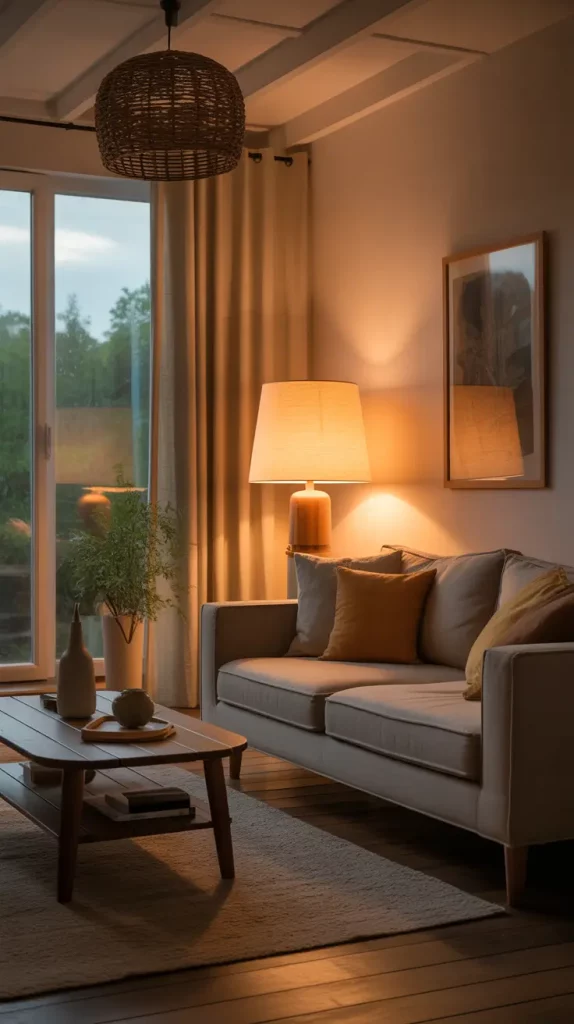
I use a combination of floor lamps, table lamps, and subtle overhead lighting. Warm bulbs help maintain a cozy ambiance, while light fixtures with natural materials—like rattan or linen shades—align with the overall summer living room decor.
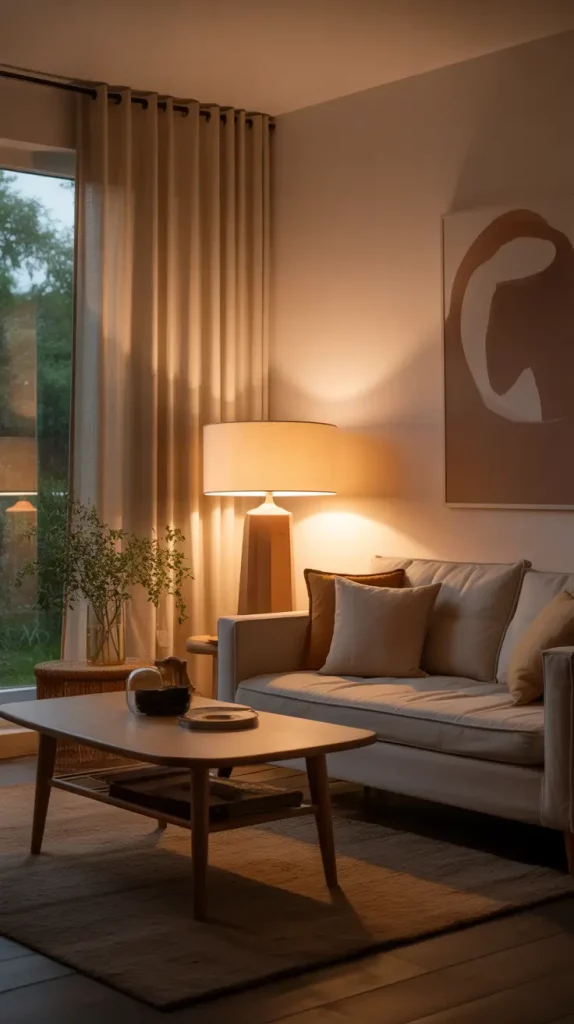
From my experience, lighting should be adaptable. A room that transitions smoothly from day to night feels more complete and functional.
To improve this section, I would include recommendations for specific lighting temperatures and fixture placements.
Seasonal Accessories That Complete Your Summer Living Room Decor
Accessories are the finishing touch in any summer living room decor. I select items that enhance the seasonal theme without overwhelming the space. The focus is on subtlety and cohesion.
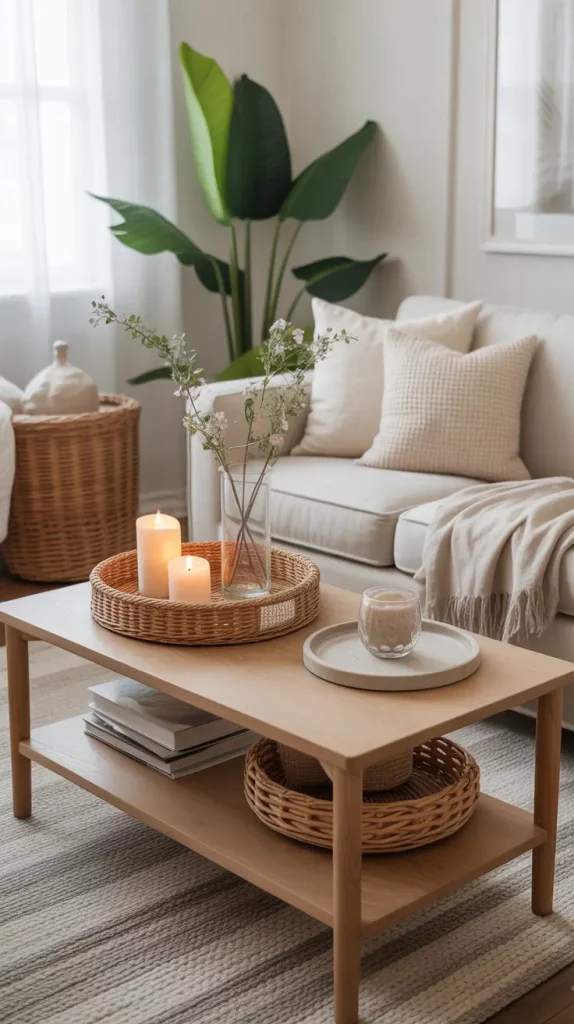
I often use decorative trays, light textiles, candles, and small sculptural objects. Natural elements—like shells, dried grasses, or stones—can also add interest while maintaining a Soft and organic feel. These details help tie the entire design together.
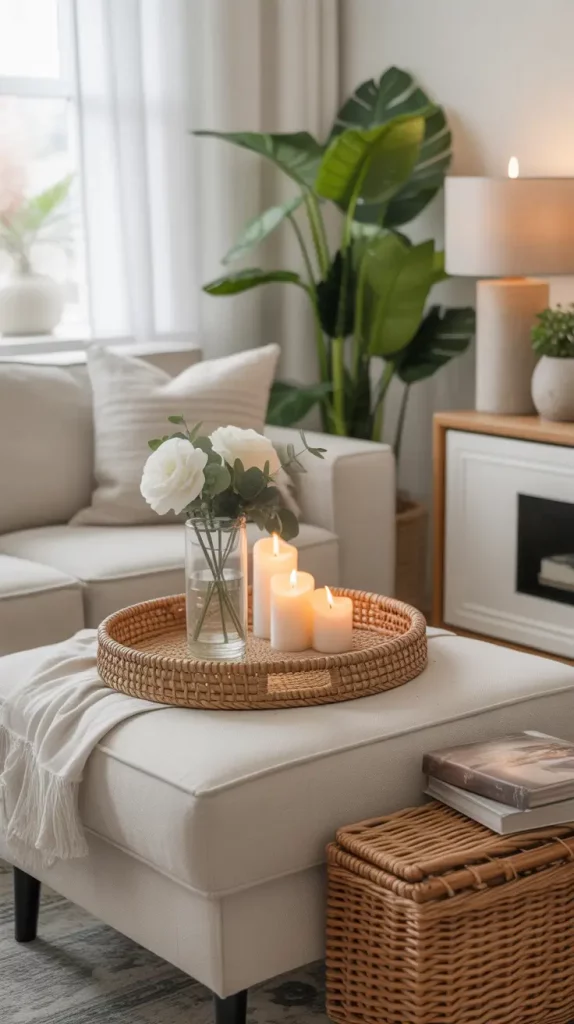
In my experience, accessories should feel intentional. Too many small items can create clutter, while a few well-chosen pieces can elevate the entire room.
To strengthen this section, I would include guidance on rotating accessories throughout the season.
Common Mistakes To Avoid In Summer Living Room Design
Designing a summer living room requires careful balance, and I’ve seen several common mistakes that can disrupt the overall effect. The most frequent issue is overloading the space with decor, which contradicts the light and airy goal.
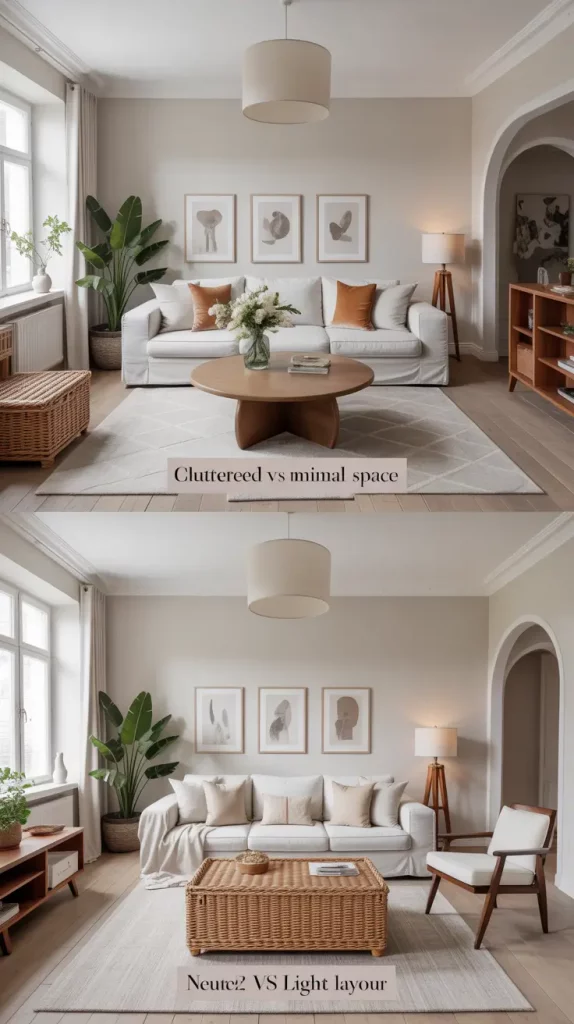
Another mistake is using heavy fabrics or dark Colors, which absorb light and make the room feel smaller and warmer. I also notice that ignoring natural light or blocking windows can significantly reduce the room’s potential.
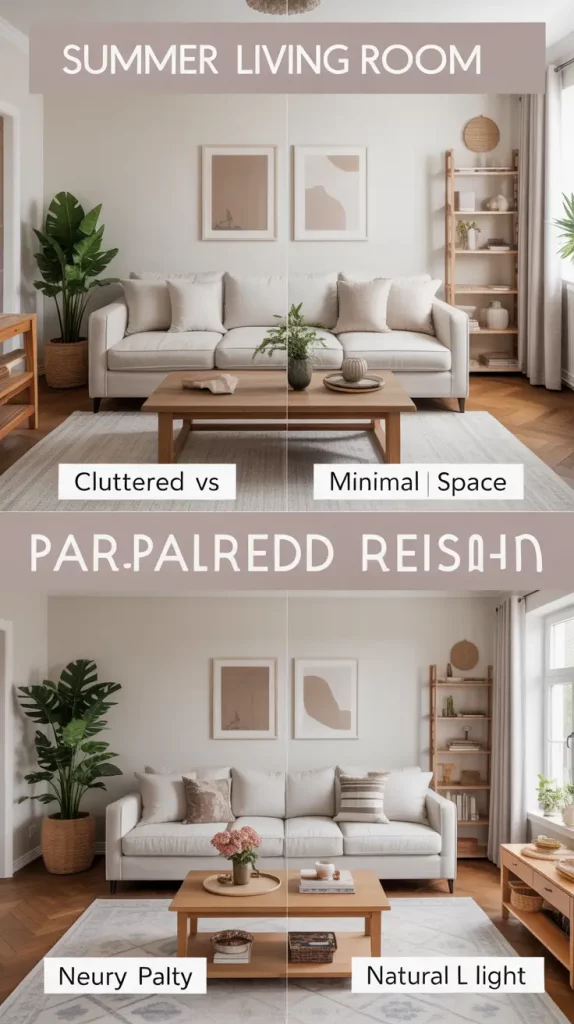
From my experience, simplicity is key. Many designers emphasize that restraint leads to better results than excess.
To improve this section, I would add before-and-after examples to illustrate these mistakes more clearly.
How To Maintain Your Summer Living Room Style All Season Long
Maintaining a summer living room requires consistency and small adjustments over time. I focus on preserving the initial design while adapting to daily use and seasonal changes.
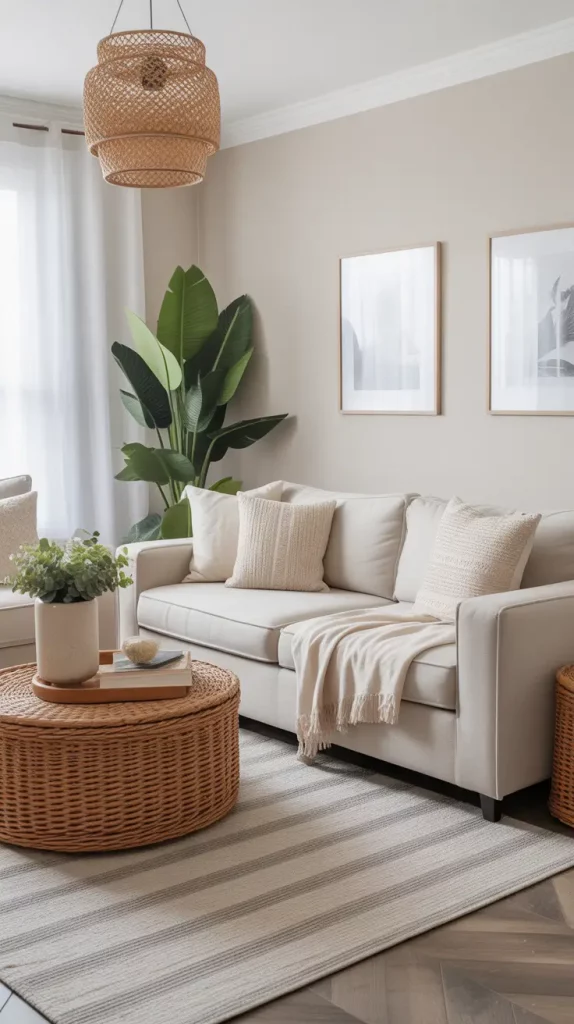
I recommend regular cleaning, rotating textiles, and updating small decor elements to keep the space feeling fresh. Keeping surfaces clear and maintaining the chosen summer living room colors ensures the room remains cohesive.
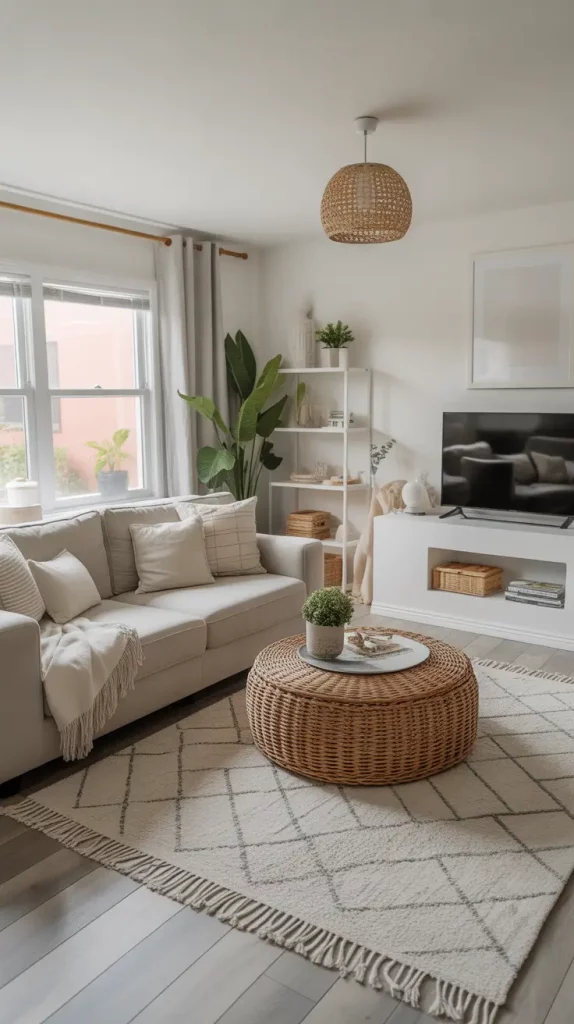
From my experience, maintenance is about awareness. A well-designed room can quickly lose its impact if not cared for properly. Designers often suggest revisiting the space every few weeks to make minor adjustments.
To enhance this section, I would include a seasonal maintenance checklist for long-term upkeep.
Conclusion
A well-designed summer living room is not just about aesthetics—it’s about how the space makes you feel every day. By thoughtfully combining summer living room decor, Soft textures, and balanced Colors, you can create an environment that feels fresh, calm, and effortlessly stylish throughout the season. I’ve found that the most successful spaces are those that remain adaptable—where small updates keep the room alive without requiring constant redesign.
As you experiment with these summer living room ideas, focus on what truly works for your lifestyle. Keep the space light, intentional, and personal. If you’ve tried any of these approaches or have your own ideas for creating beautiful summer living rooms, feel free to share your thoughts—I’d be genuinely interested to hear how you bring your summer space to life.