How do you design a living room that feels stylish, comfortable, and functional when space is extremely limited? What will define tiny living room design ideas in 2026, and how can modern interiors adapt to changing lifestyles, urban density, and sustainability demands? In this article, I explore tiny living room designs small spaces that balance comfort and efficiency, while showing how tiny living room designs continue to evolve into flexible, beautiful environments. I will share practical insights, professional observations, and proven approaches that help transform Small spaces into livable, welcoming interiors without sacrificing style.
Tiny Living Room Design Ideas That Define 2026 Living
In 2026, tiny living rooms are no longer about compromise; they are about intention. I focus on layouts that prioritize movement, natural light, and multifunctional zones. The most effective designs feel open despite limited square footage, relying on thoughtful proportions, integrated storage, and adaptable furniture. These spaces reflect how people live today—working from home, relaxing, and entertaining in one cohesive area.
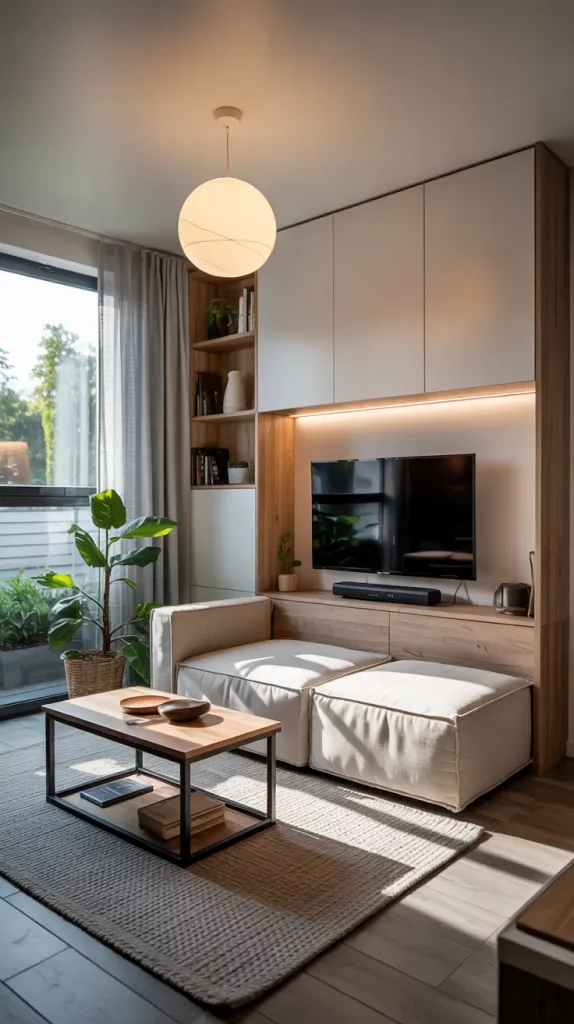
From my experience, modular seating, wall-mounted media units, and visually lightweight furniture are essential. Low-profile sofas, nesting tables, and concealed shelving help maintain flow. I often recommend furniture with hidden storage to reduce visual clutter while increasing functionality, which is crucial in living room designs tiny spaces.
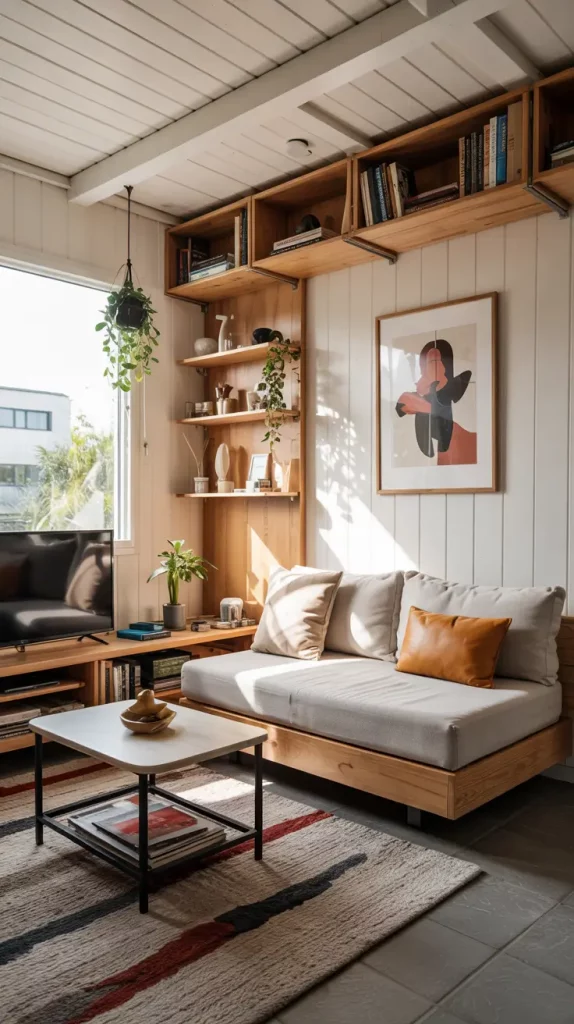
Personally, I see 2026 as the year when technology and comfort finally align in tiny interior design living room concepts. Designers featured in Architectural Digest emphasize flexibility and personalization, and I fully agree—spaces must adapt to daily life, not restrict it.
Why Tiny Living Room Designs Are Shaping Modern Homes
Tiny living room designs are shaping modern homes because urban living demands smarter use of space. I notice more homeowners choosing quality over quantity, investing in fewer but better pieces that serve multiple purposes. This shift has transformed how we approach living room designs tiny house layouts.
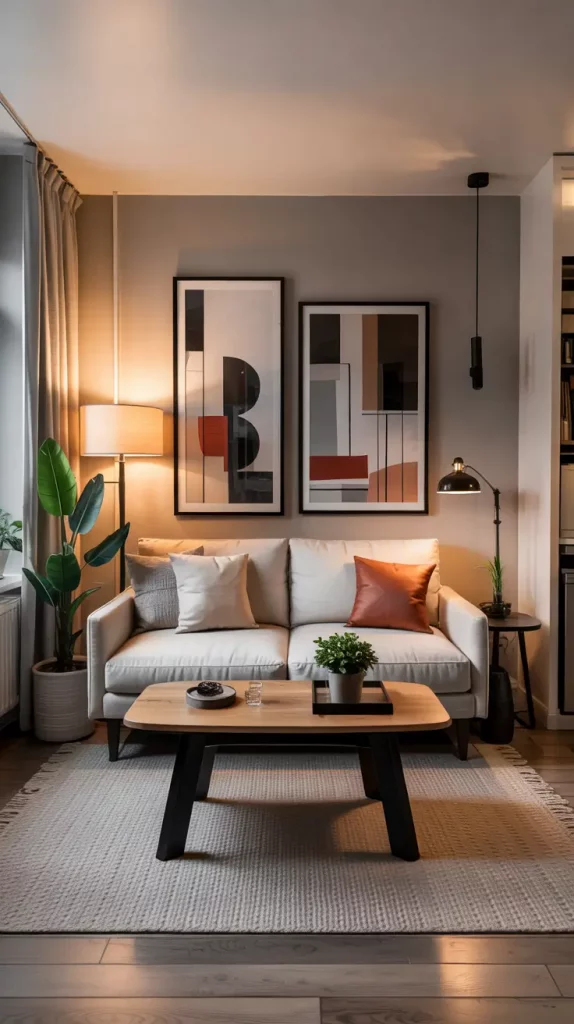
I always emphasize furniture that works hard: sofa beds, wall desks, and slim storage units that disappear into the architecture. Open shelving replaces bulky cabinets, while glass or metal accents prevent rooms from feeling heavy. These choices are especially effective in Cozy small spaces where balance is key.
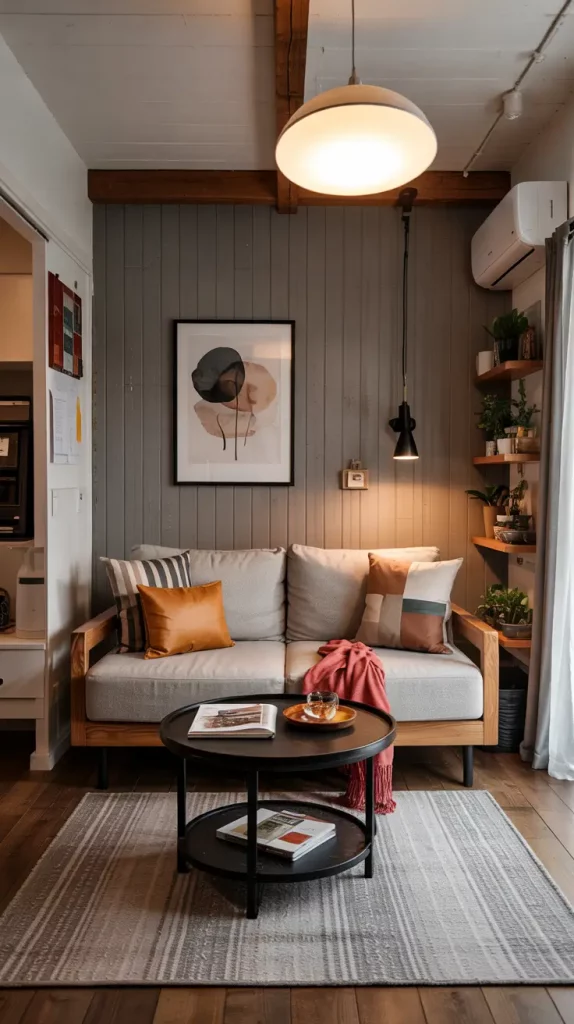
In my opinion, this movement reflects a deeper cultural change. Publications like Dwell highlight how intentional design supports mental well-being. I’ve seen firsthand how thoughtful tiny living room designs cozy layouts can feel more calming than oversized, underused rooms.
Understanding Small Spaces And How To Use Them Wisely
Understanding small spaces starts with accepting their limits and designing within them intelligently. I always begin by identifying how the living room will be used daily, then build zones around those needs. Clear circulation paths and visual openness are essential in Small spaces cozy interiors.
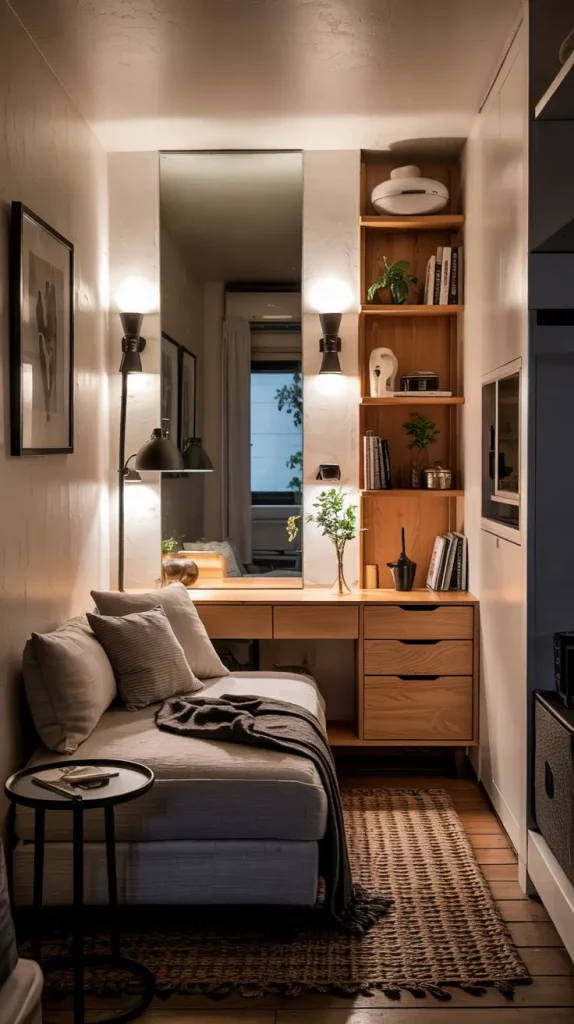
I recommend scaled furniture, vertical storage, and reflective surfaces. Wall-mounted lighting frees up floor space, while mirrors amplify daylight. Every piece should have a purpose, especially in tiny living room designs small spaces where excess quickly overwhelms the room.
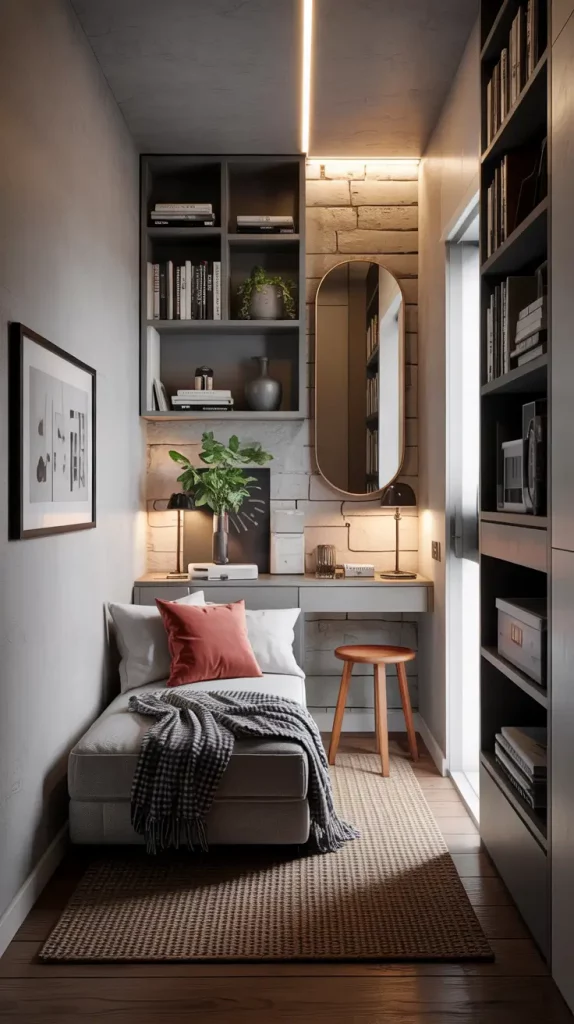
From my experience, the biggest mistake is overfurnishing. Designers from Elle Decor often stress restraint, and I agree—leaving negative space is not wasted space; it’s what allows a room to breathe.
Tiny Living Room Designs For Small Spaces With Big Impact
Big impact in a tiny living room comes from contrast, texture, and smart focal points. I design these spaces to feel intentional, not accidental, using statement lighting or a bold accent wall to anchor the room. Avoiding unnecessary partitions keeps the layout fluid.
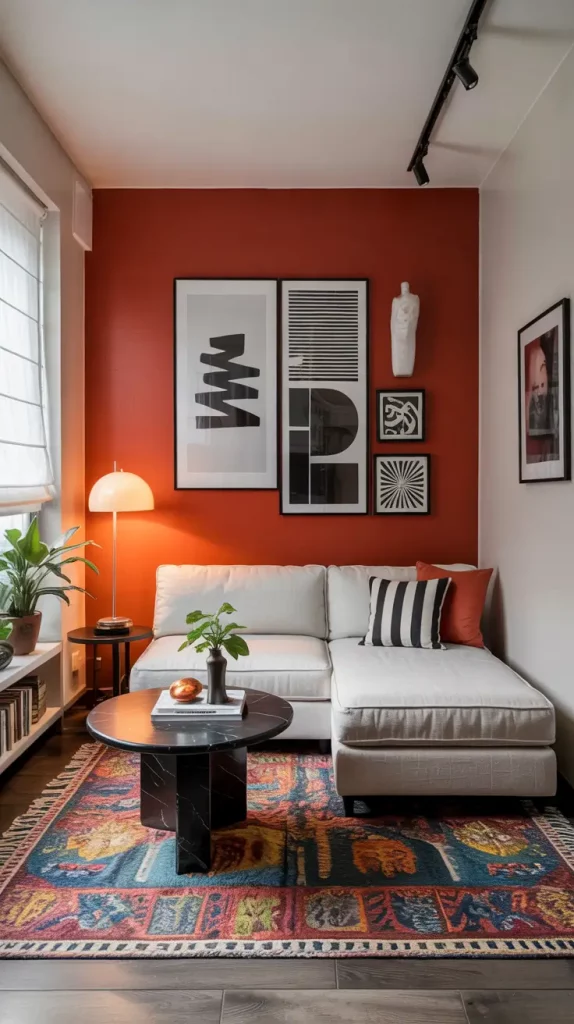
Furniture selection is critical. I often use compact sectionals, armless chairs, and slim consoles that define zones without blocking sightlines. In Ideas small apartments interior, this approach helps maintain both style and usability.
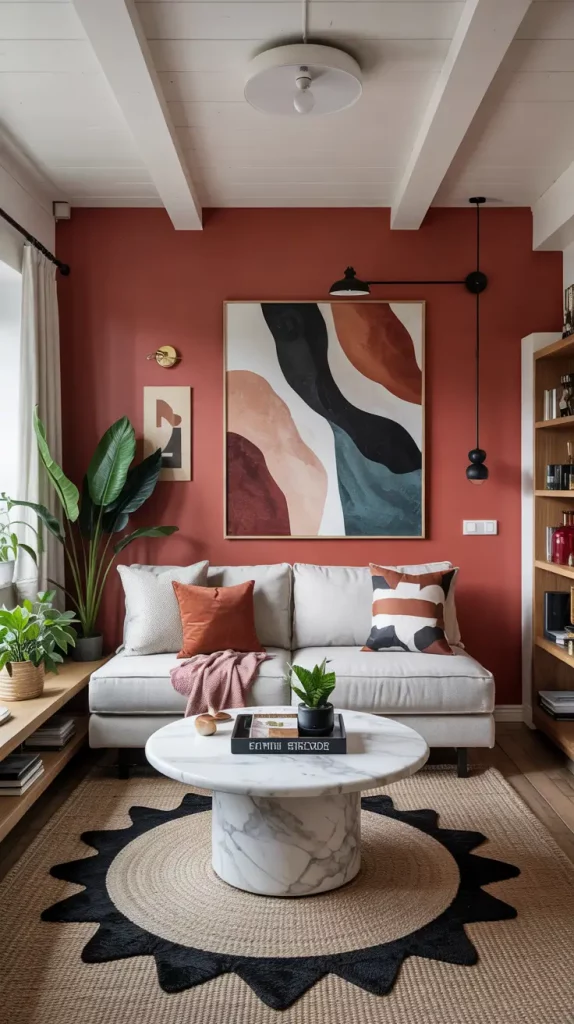
Personally, I’ve found that a single strong design choice—like a sculptural coffee table or custom shelving—can elevate the entire space. Experts from Interior Design Magazine frequently highlight this principle, and it consistently proves effective.
Cozy Tiny Living Room Design Trends You’ll See Everywhere
Cozy design in 2026 focuses on warmth without heaviness. I rely on layered textures, soft lighting, and natural materials to create inviting environments. These trends redefine cozy tiny living room design by emphasizing comfort through simplicity.
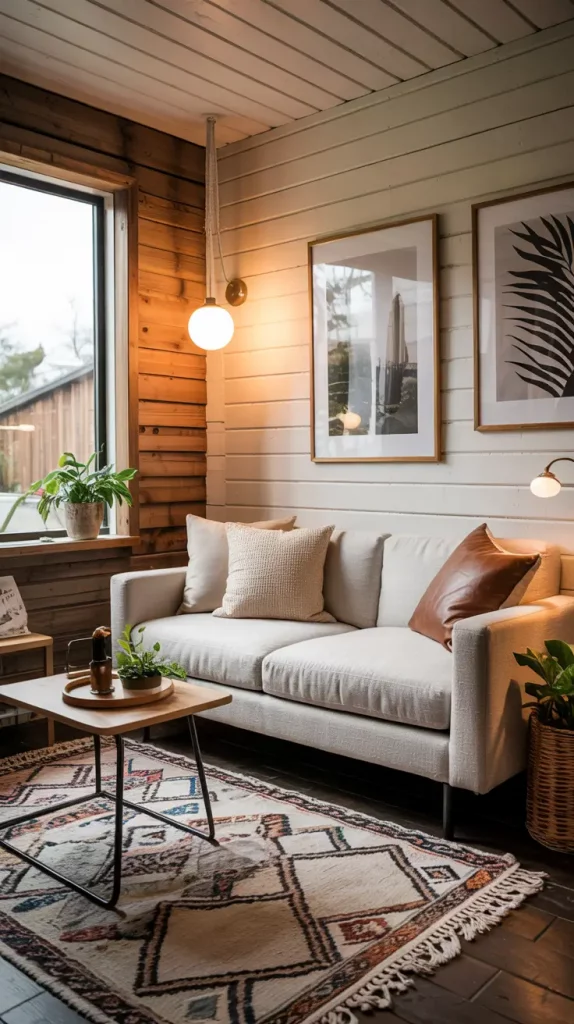
Key elements include boucle sofas, wool rugs, linen curtains, and warm wood finishes. I choose furniture with rounded edges and tactile fabrics to soften compact layouts. These details are especially effective in tiny living room designs cozy concepts.
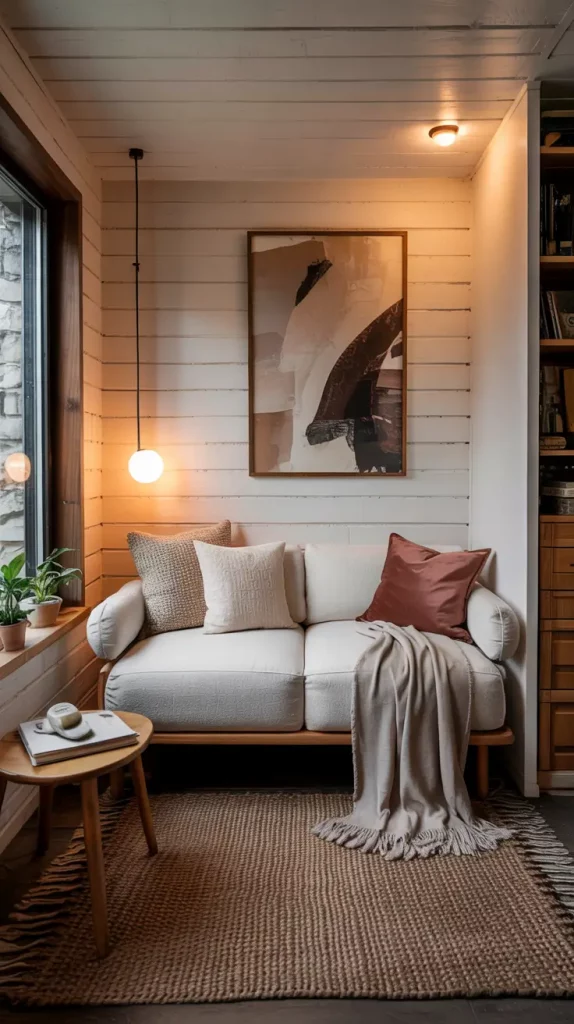
In my view, coziness is emotional as much as visual. Designers like Nate Berkus often mention how texture creates connection, and I’ve seen clients respond positively to spaces that feel comforting rather than crowded.
Living Room Designs For Tiny Houses That Feel Surprisingly Spacious
Designing for tiny houses requires precision. I focus on open layouts, minimal partitions, and consistent materials to visually expand the space. In living room designs tiny house, every inch matters.
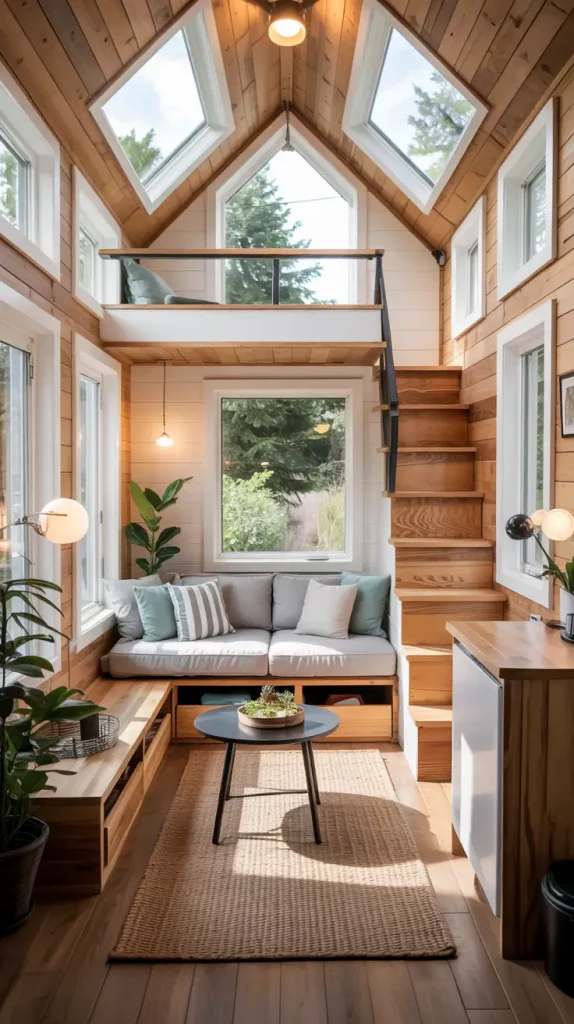
I prefer built-in seating, fold-down tables, and custom storage integrated into walls. Light color palettes and large windows further enhance openness. These strategies help tiny homes feel intentional rather than restrictive.
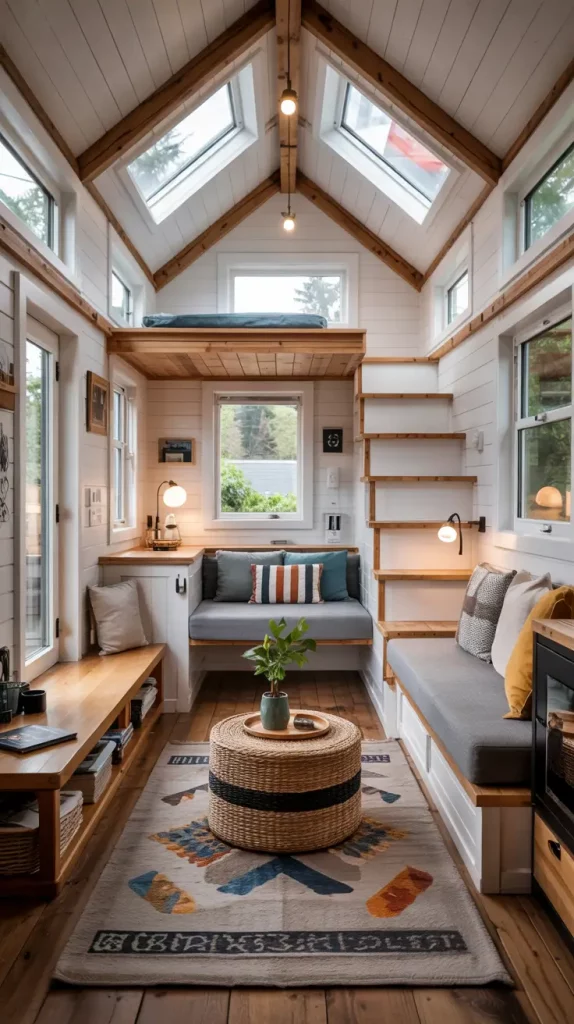
From experience, the most successful tiny house living rooms feel calm and uncluttered. Industry leaders like Sarah Susanka advocate for “right-sized living,” a philosophy I fully support when working with compact homes.
Minimalist Ideas That Transform Tiny Living Rooms
Minimalism in tiny living rooms is about clarity, not emptiness. I design with restraint, focusing on clean lines and functional beauty. Ideas minimalist interiors allow the architecture and light to take center stage.
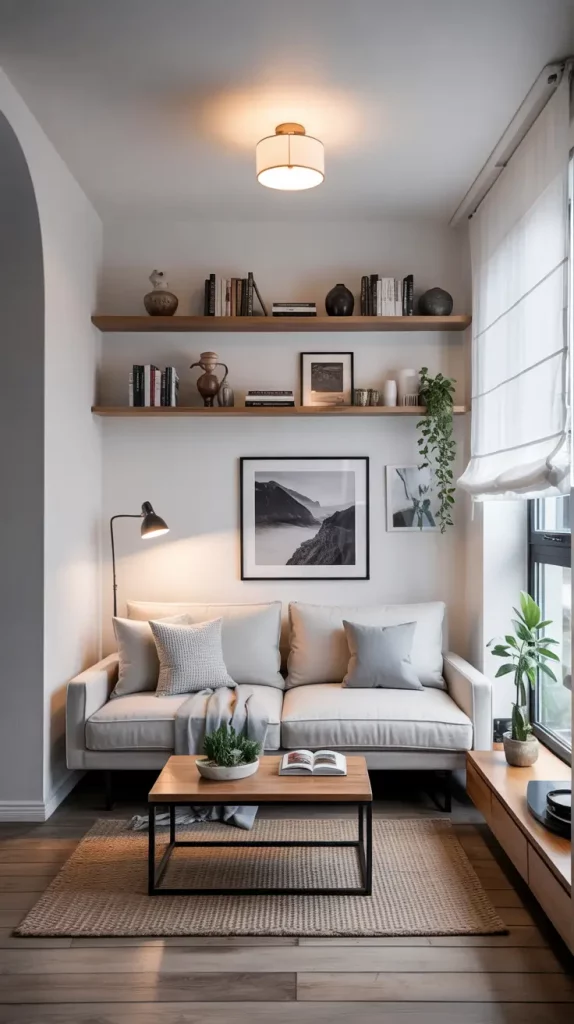
I select furniture with simple silhouettes, neutral tones, and hidden storage. Floating shelves, slim sofas, and understated decor help maintain visual balance. This approach works particularly well in Small spaces where excess detail can overwhelm.
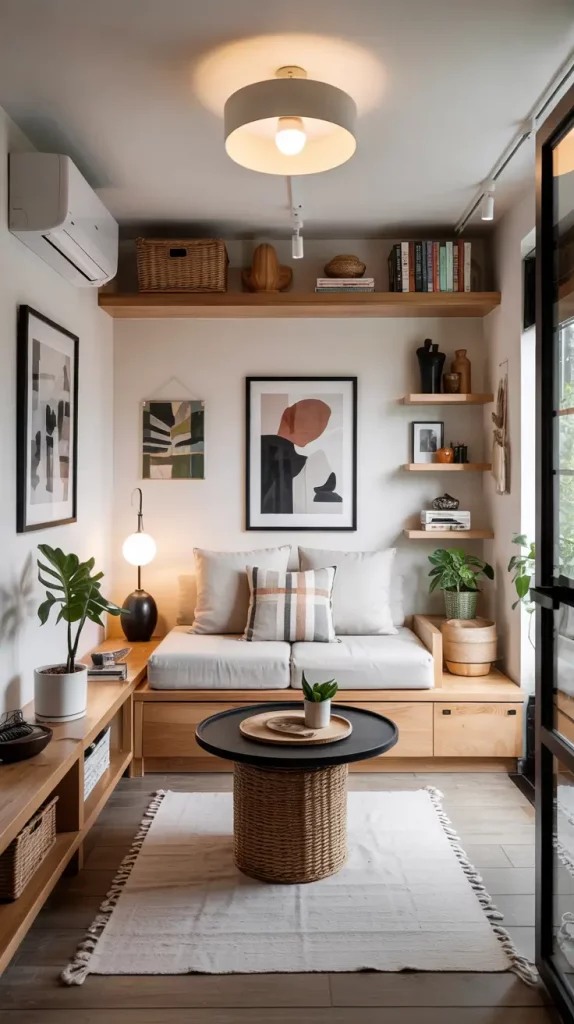
Personally, I’ve seen minimalist spaces outperform trend-heavy designs over time. As noted by Dezeen, timeless simplicity often proves more sustainable—and in tiny living rooms, sustainability and style go hand in hand.
Tiny Living Room Designs Cozy Enough For Everyday Comfort
When I approach tiny living room designs cozy enough for daily use, I focus on comfort-driven layouts that still respect the limitations of the space. I like to use warm color palettes, layered lighting, and textiles that soften the room visually. By concentrating on tactile materials and inviting tones, small living rooms feel more personal and grounded, even when square footage is minimal.
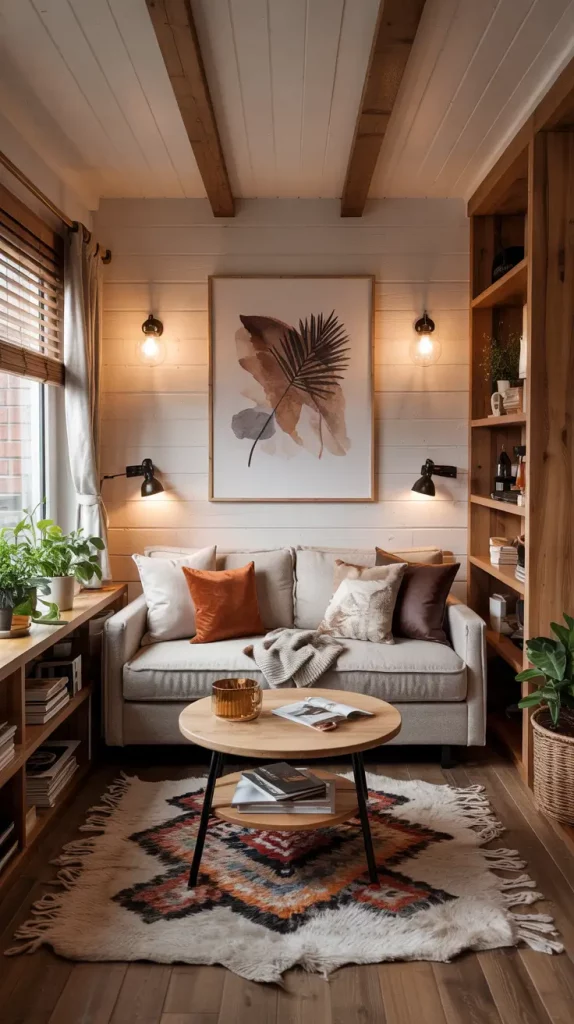
I typically include plush seating, textured rugs, and wall sconces to add visual warmth without sacrificing valuable floor space. Compact accent chairs, soft throw blankets, and natural wood accents help reinforce the comfort factor. This balance is essential for cozy tiny living room design where every piece must contribute to both form and function.
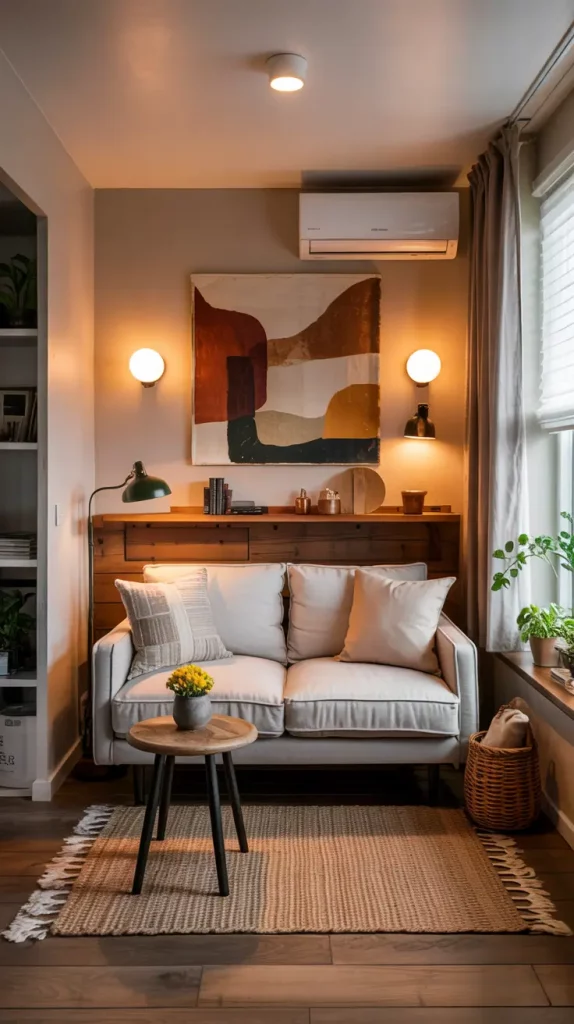
From my experience, everyday comfort comes from designing with real habits in mind. Designers often highlighted by Better Homes & Gardens recommend “comfort-first minimalism,” meaning simplicity should feel warm rather than cold. I wholeheartedly believe this approach elevates even the smallest interiors.
Tiny Interior Design Living Room Concepts That Maximize Function
When maximizing function in tiny interior design living room layouts, my goal is to make the room work harder without feeling crowded. This often starts with zoning the space—dividing it visually into areas for lounging, storage, and possibly work. Even the smallest living rooms benefit from intentional arrangement, allowing homeowners to use every inch effectively.
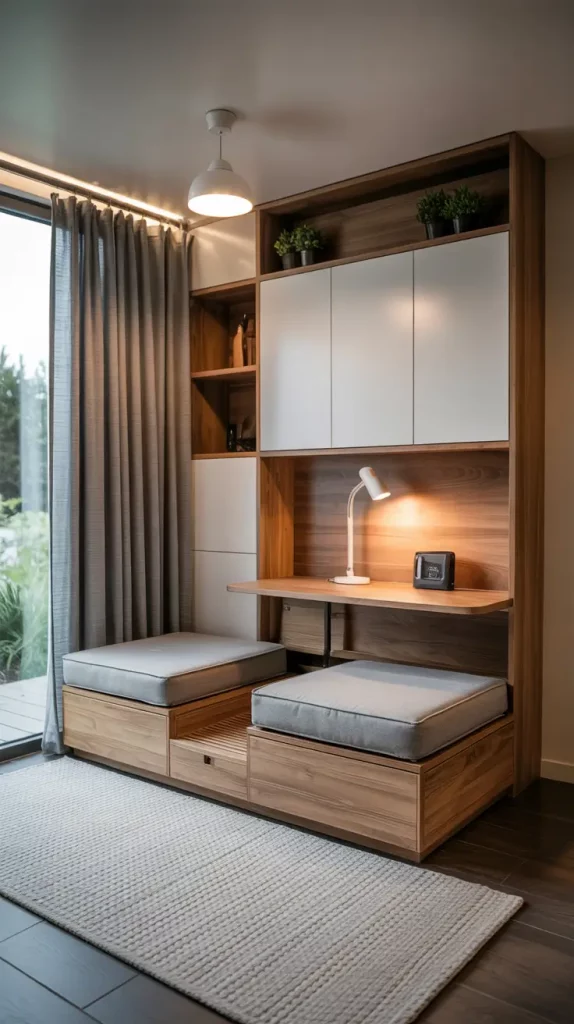
To achieve high functionality, I rely on modular seating, extendable tables, and built-ins. Vertical storage is essential, and adding hidden compartments helps maintain an uncluttered look. Slim-profile furniture leaves more space for movement, which is key in living room designs tiny spaces where circulation matters as much as style.
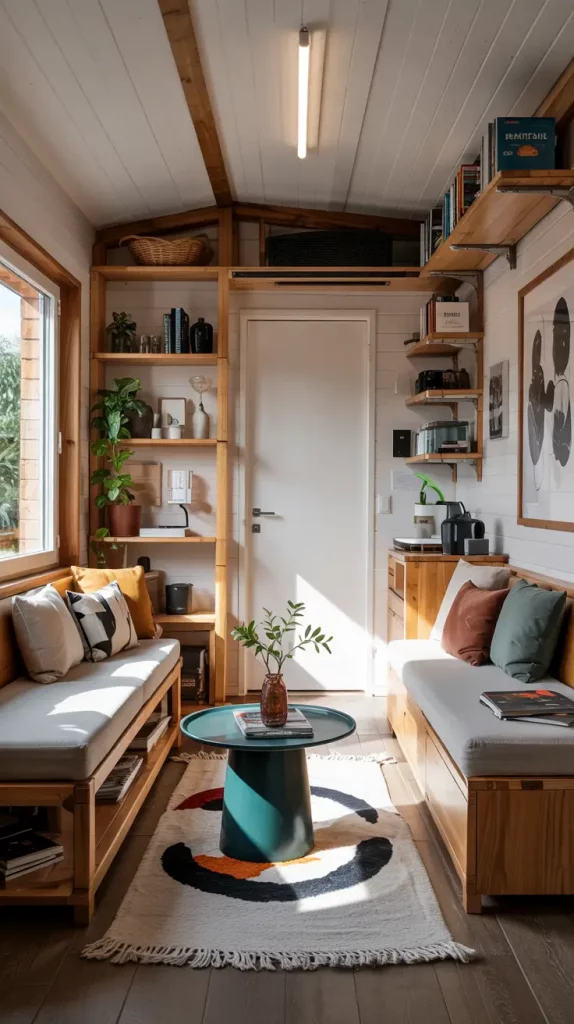
In my view, maximizing function does not mean compromising aesthetics. Well-known interior designer Bobby Berk encourages “purposeful design,” and I agree wholeheartedly. The best tiny living rooms are beautiful because they function well—not in spite of it.
Living Room Designs For Tiny Spaces That Balance Style And Comfort
Creating balance in living room designs tiny spaces requires thoughtful layering of color, texture, and structure. I start by identifying a focal point—often a statement light fixture or a textured wall—that anchors the room visually. This helps avoid the common mistake of making small living rooms feel scattered or disjointed.
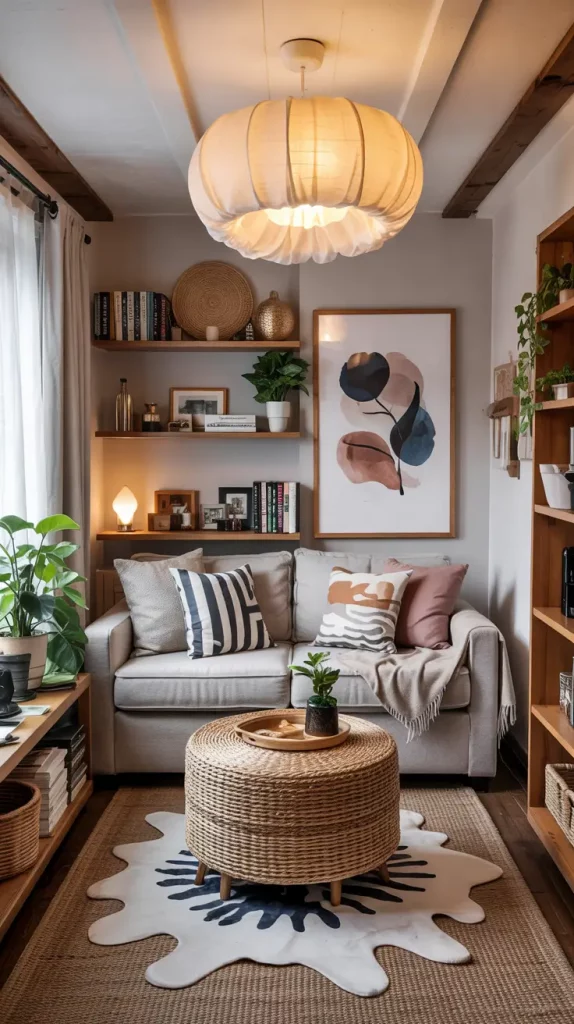
For style and comfort, I include cozy seating, tactile fabrics, and decorative elements that enhance the room rather than overpower it. Lightweight furniture materials, such as rattan or metal frames, maintain visual openness. In tiny living room design ideas where every object has a noticeable impact, selecting pieces that feel harmonious is critical.
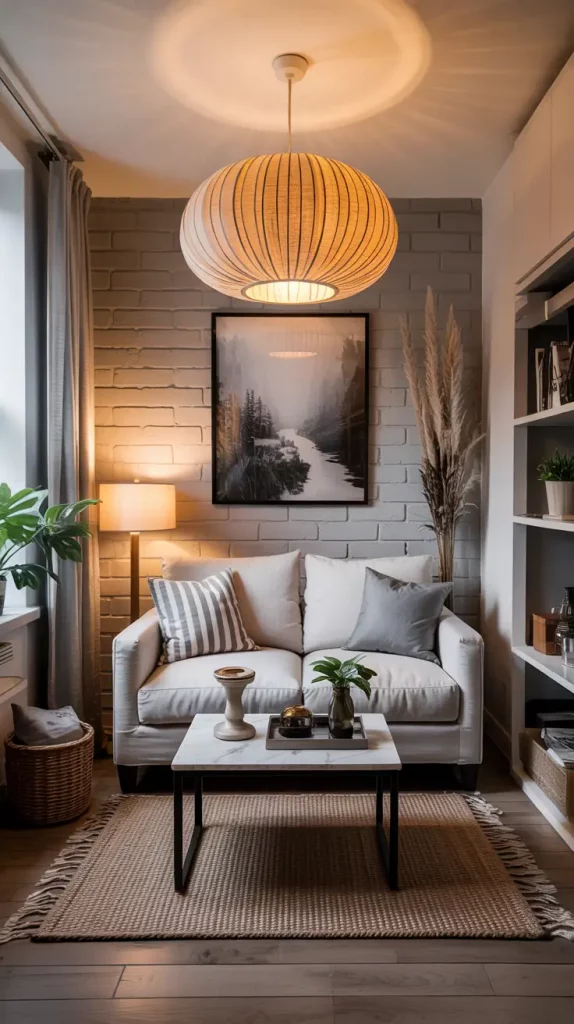
My personal opinion is that balance is easier to achieve when styling is intentional rather than abundant. Following advice commonly mentioned in House Beautiful, I often encourage clients to choose one or two statement pieces rather than several competing ones. This allows small rooms to remain stylish without becoming visually overwhelming.
Creating Cozy Small Spaces Without Visual Clutter
When designing Cozy small spaces, I aim to introduce warmth without letting the space feel cramped. The key is moderation—carefully choosing materials, colors, and accessories that enhance the room’s coziness without contributing to clutter. Soft neutrals, warm woods, and layered lighting work wonders here.
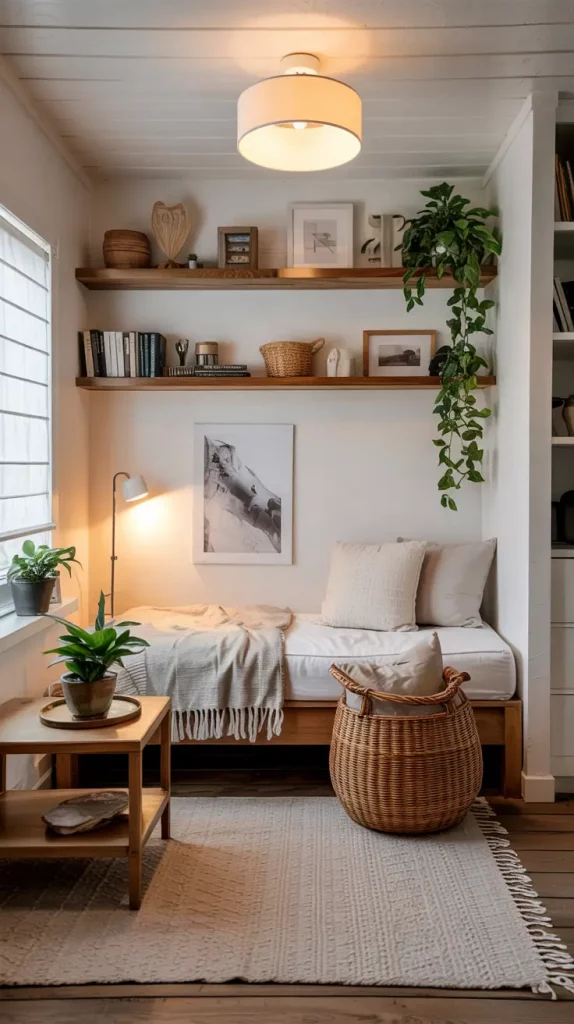
I recommend using closed storage, floating shelves, and furniture with clean lines. Hidden storage helps maintain a peaceful, uncluttered look. Rugs, throws, and pillows should be used sparingly but meaningfully. This method allows tiny living room designs small spaces to remain visually light while still feeling inviting.
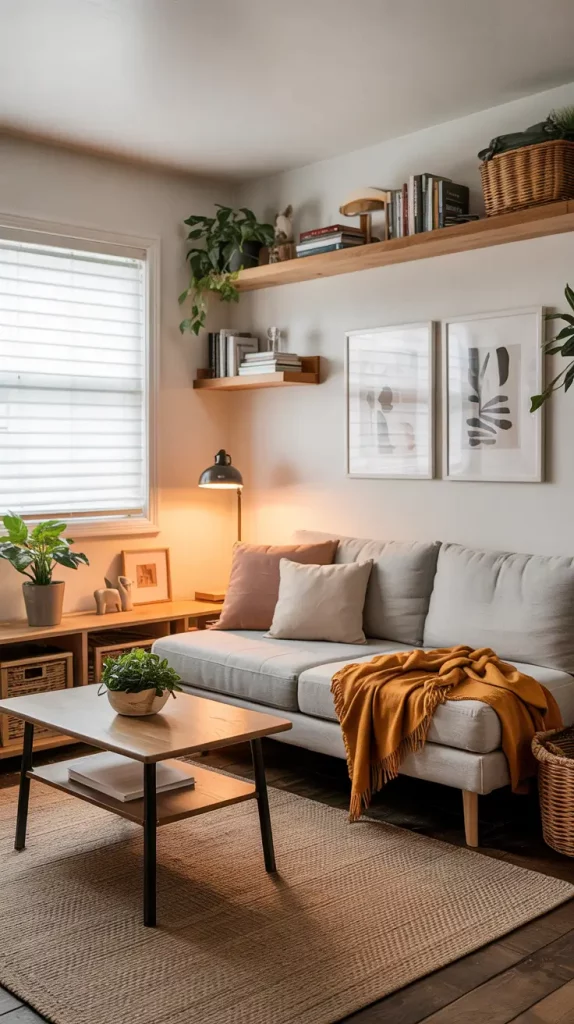
From experience, clutter is the quickest way to diminish coziness. Designers often featured in Real Simple emphasize “curated warmth,” a principle that aligns perfectly with small-space styling. Curating rather than accumulating ensures that each item truly contributes to the atmosphere.
Ideas For Small Apartments Interior Living Rooms That Feel Open
When working on Ideas small apartments interior, my goal is always to enhance the sense of openness. I prioritize tall drapery, reflective surfaces, and open-legged furniture to create the illusion of more space. Strategic placement of artwork helps draw the eye upward, lifting the room visually.
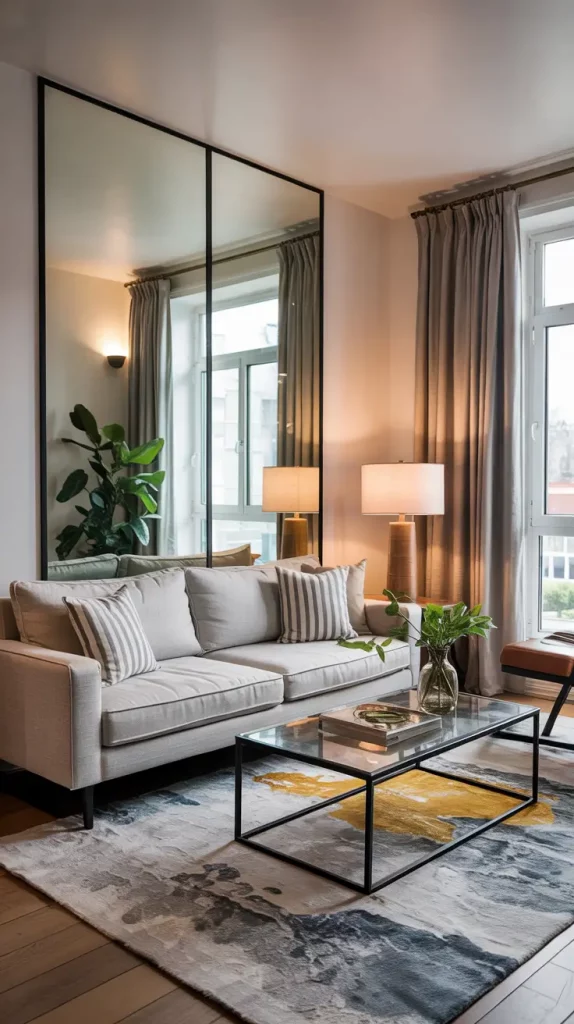
I include slim sofas, glass coffee tables, and tall shelving units that utilize vertical height instead of horizontal bulk. Mirrors and light-colored walls amplify brightness and depth. These features make tiny living room designs feel far more spacious than they are.
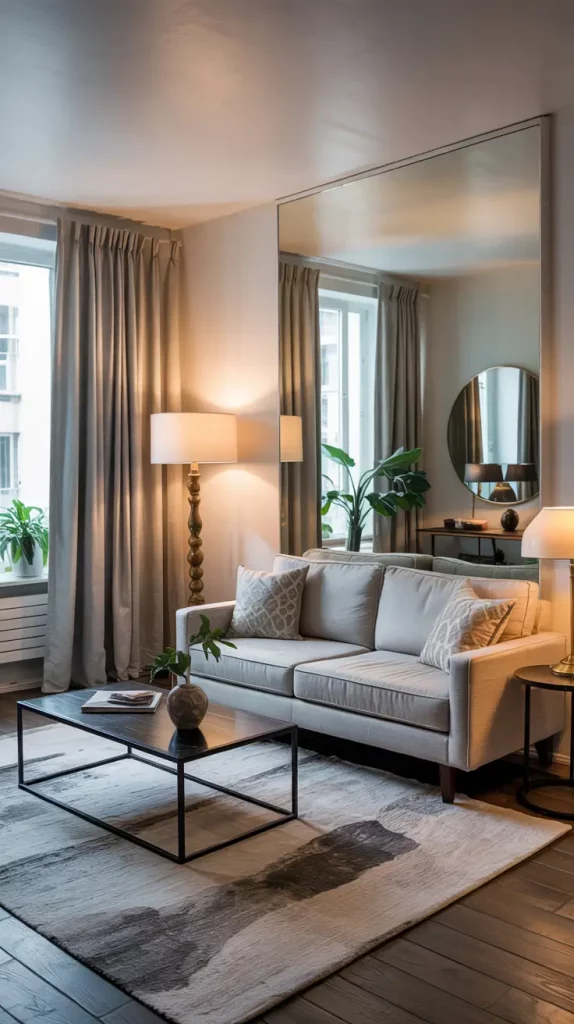
Professionally, I’ve learned that openness is achieved as much through restraint as design. Following guidance often shared in Domino Magazine, I encourage homeowners to avoid bulky bookcases and oversized sectional sofas. Instead, airy materials and thoughtful spacing provide a much more expansive feel.
Tiny Condo Interior Design Living Room Ideas That Feel Luxurious
Luxury in a tiny condo is achieved through refinement and detail. When creating tiny condo interior design living room concepts, I emphasize quality materials, subtle metallic finishes, and sophisticated lighting. Even the smallest condo living room can feel upscale with the right design decisions.
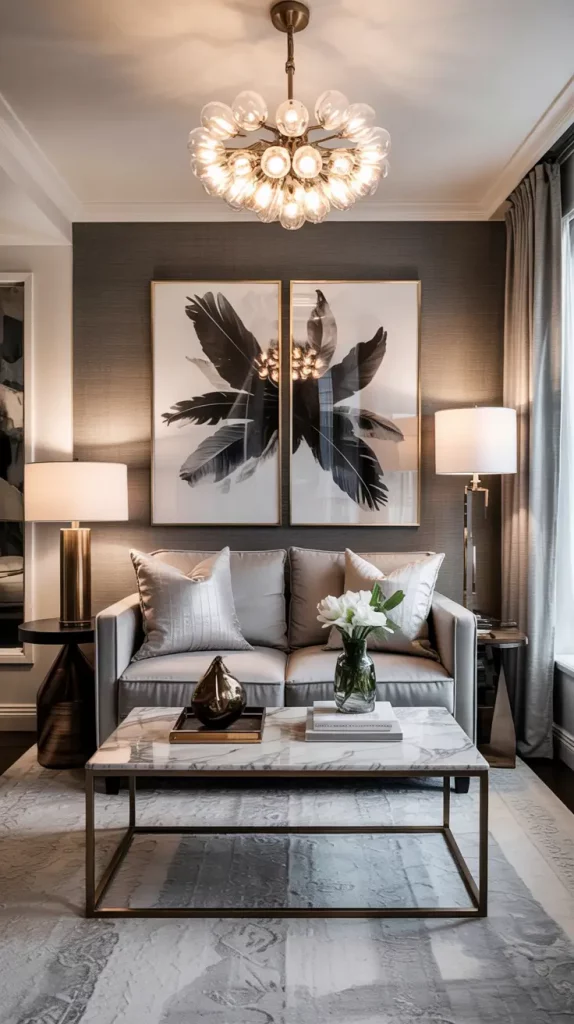
To achieve a luxurious atmosphere, I incorporate velvet or linen upholstery, marble or stone tabletops, and elegant wall treatments. Slim brass or matte-black fixtures elevate the aesthetic without overwhelming the space. These elements balance elegance and practicality in tiny living room designs.
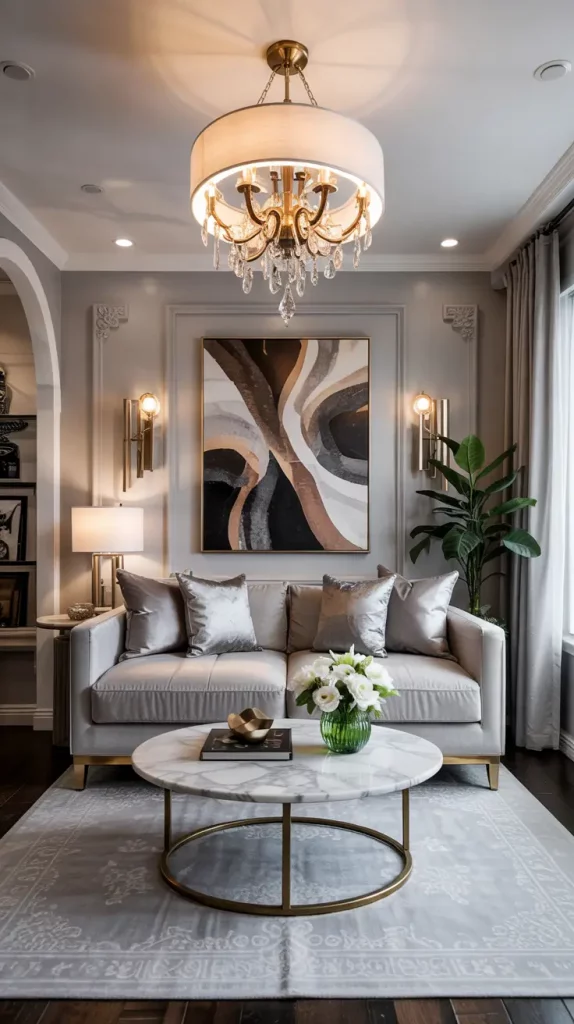
From personal experience, luxury is about intention. Well-known designers like Kelly Wearstler often stress the importance of texture and craftsmanship, and I apply this thinking to small interiors. Even a single premium element—like a statement light fixture—can dramatically transform a compact condo living room.
How Lighting Transforms Tiny Living Room Designs
Lighting is one of the most powerful tools in tiny living room designs, and I use it strategically to change both mood and perception. In small rooms, overhead lighting alone is rarely enough. Instead, I combine layered lighting to create depth and dimension.
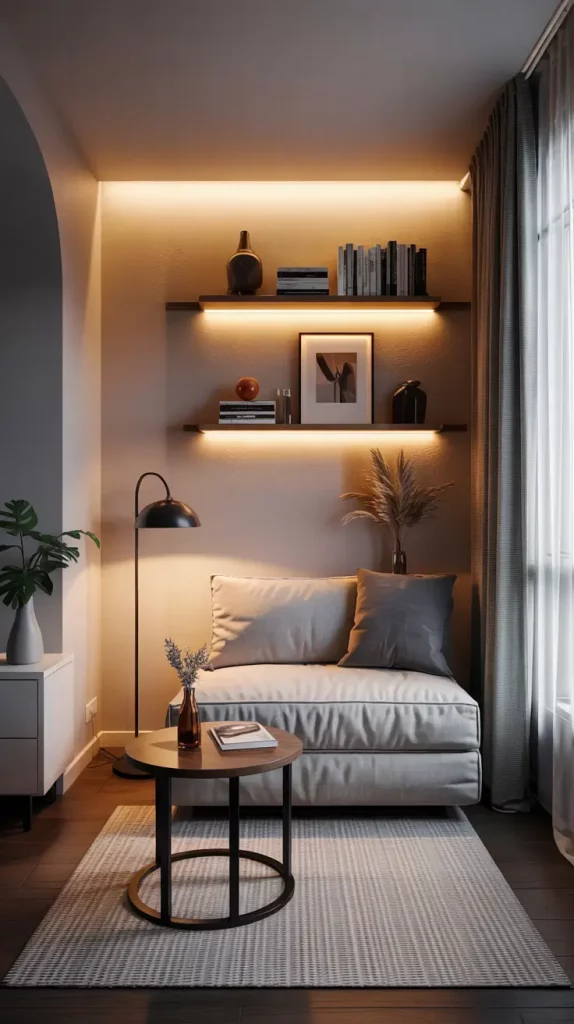
I often include wall sconces, floor lamps, and LED strips behind shelving. Warm-toned bulbs make Small spaces cozy, while dimmers provide flexibility throughout the day. Soft accent lighting enhances architectural features and prevents the room from feeling flat.
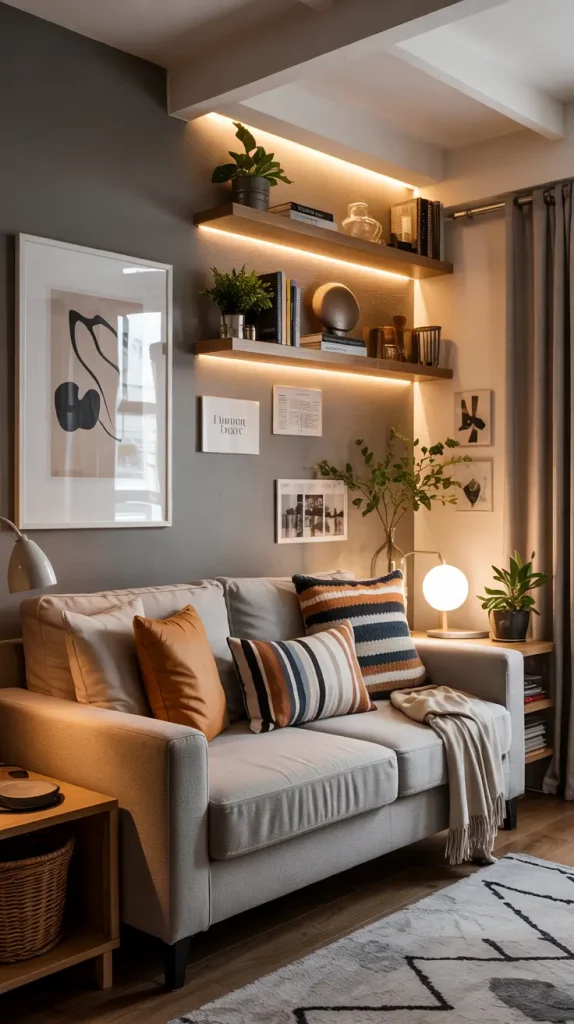
Professionals featured in Architectural Digest consistently note that great lighting elevates small interiors, and I couldn’t agree more. Proper illumination transforms even the most compact living room into a welcoming, dynamic environment.
Smart Furniture Choices For Tiny Living Room Designs
When selecting furniture for tiny living room designs, I focus on pieces that maximize both style and practicality. Multifunctional furniture helps maintain an airy layout without sacrificing comfort. I look for items with slim silhouettes, raised legs, and built-in storage, since these features keep the room visually open while improving usability.
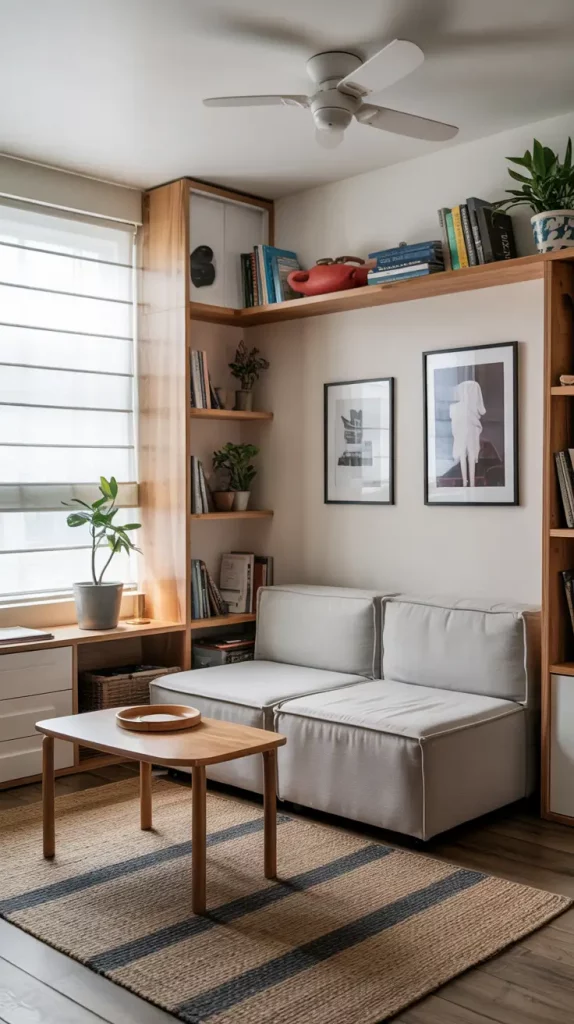
I often choose nesting tables, storage ottomans, modular sofas, and wall-mounted consoles. These pieces allow flexibility and prevent overcrowding. In tiny living room designs small spaces, furniture must adapt to different needs throughout the day, and the most efficient pieces always serve more than one purpose.
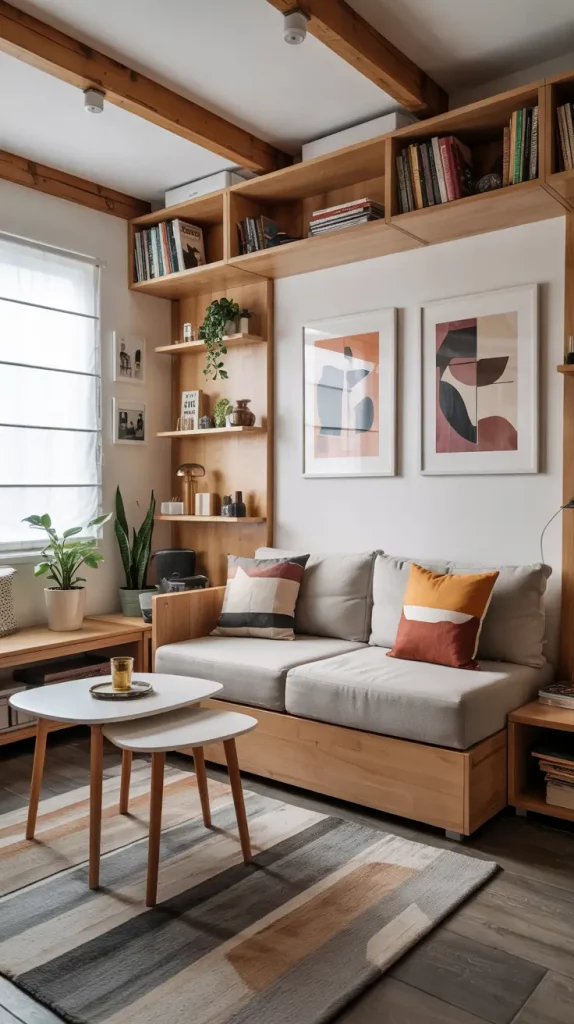
From years of working in compact interiors, I’ve learned that the wrong furniture instantly shrinks a room. Publications like Apartment Therapy frequently highlight the benefits of multifunctional designs, and I agree—well-chosen furniture can transform a tiny living room into a multiuse environment that feels far larger than it is.
Color Palettes That Make Small Spaces Feel Larger
When designing Small spaces, I use color strategically to influence perception. Lighter hues reflect more natural light and prevent the room from feeling boxed in. I start with soft neutrals—warm whites, light taupe, or pale gray—and then incorporate depth through accent tones and textures. This creates dimension without overwhelming the interior.
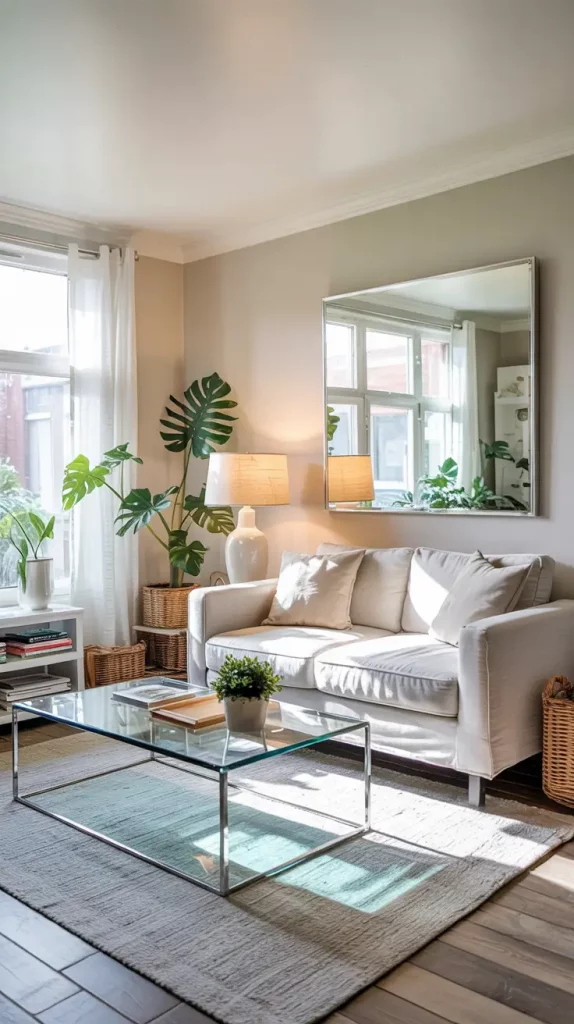
I recommend matte finishes, subtle patterns, and color gradients that visually stretch the room. Transparent or light-toned furniture enhances openness, while accent walls in understated shades provide interest. These combinations work particularly well in tiny interior design living room layouts where brightness plays a crucial role.
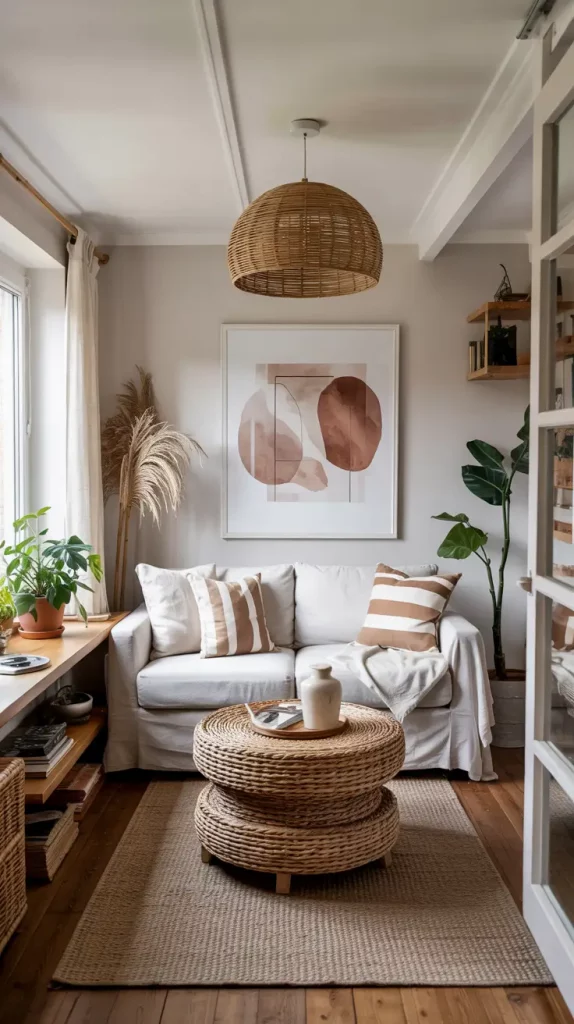
In my experience, color psychology significantly impacts small-space comfort. Designers featured in Good Housekeeping often emphasize tonal consistency to maintain visual flow, and I find this principle especially vital when working with compact living rooms.
Tiny Living Room Designs That Embrace Warm And Cozy Textures
To create warmth in tiny living room designs, I rely heavily on texture. Texture adds depth without requiring additional space, making it ideal for small interiors. I incorporate layers of fabric, natural materials, and soft finishes to evoke a sense of comfort. This transforms compact living rooms into intimate and inviting retreats.
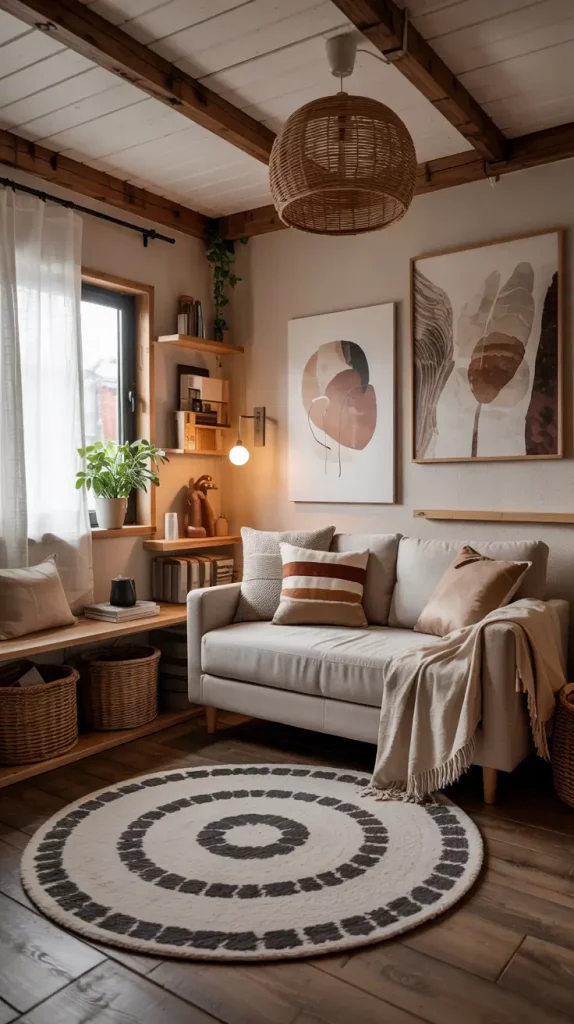
I include wool rugs, knitted throws, boucle seating, linen curtains, and handcrafted accents. Wooden coffee tables, woven baskets, and textured wall art further enhance coziness. These elements complement cozy tiny living room design trends and help personalize the space.
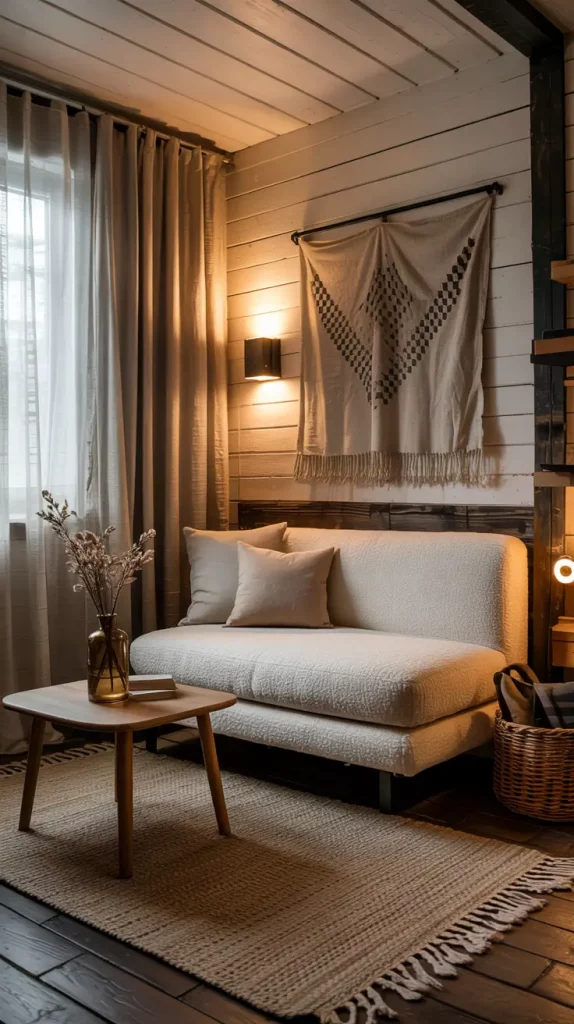
Professionally, I’ve noticed that clients respond strongly to tactile environments. Interior design experts often featured in Martha Stewart Living highlight the power of layering textures for emotional comfort, and I use this concept frequently when styling tiny living rooms.
Open Layout Living Room Designs For Tiny Homes
When designing for tiny homes, an open layout is essential. I remove unnecessary partitions and emphasize continuous sightlines to make living room designs tiny house spaces feel more expansive. This approach promotes better natural light distribution and provides flexible arrangement options.
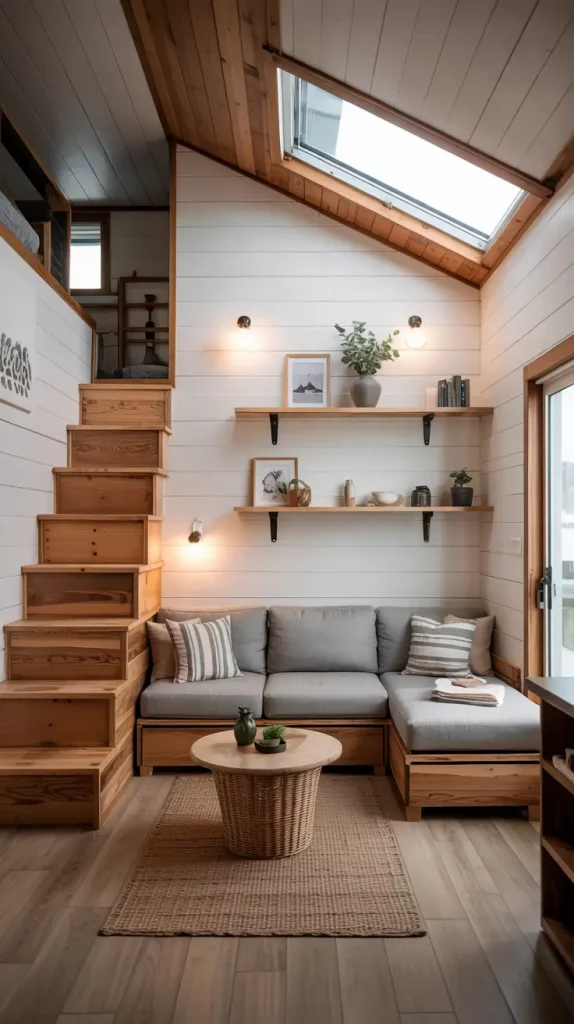
I use compact sectionals, foldable tables, and wall-mounted shelves to maintain an open flow. Lightweight materials, such as birch wood and metal frames, prevent visual heaviness. These features allow tiny living room designs to feel unrestricted and adaptable.
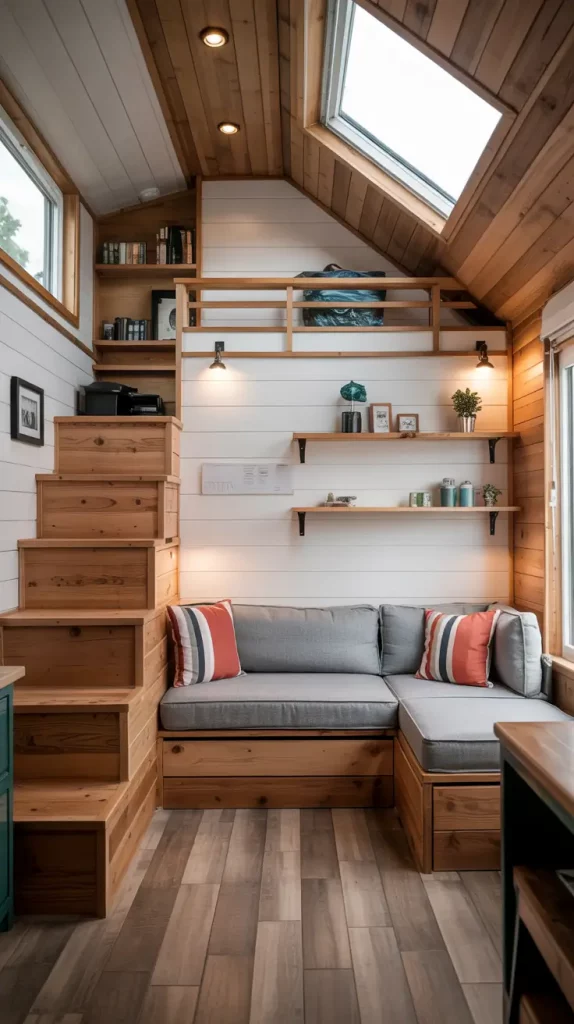
For me, the key to a successful open layout is intentional zoning. Industry professionals often showcased in The Spruce recommend defining areas through rugs or lighting instead of permanent walls, and I’ve found this advice extremely effective in small homes.
Small Open Kitchen And Living Room Design Combinations
Blending a Small open kitchen with a living room requires balance and cohesion. I design these combined areas to share visual elements—colors, materials, and lighting—so the transition feels natural. This approach helps compact homes and apartments appear larger and more unified.
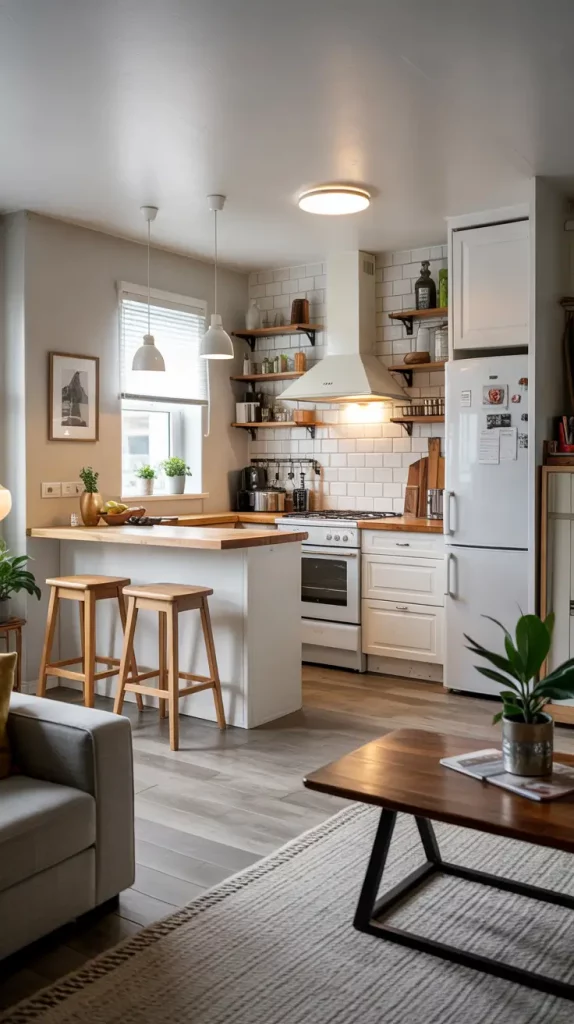
I choose streamlined cabinetry, bar-height islands, and compact appliances that align with the living room’s aesthetic. Open shelving and continuous flooring maintain visual flow. These methods work beautifully in Ideas small apartments interior, where multifunctional open-plan spaces are increasingly necessary.
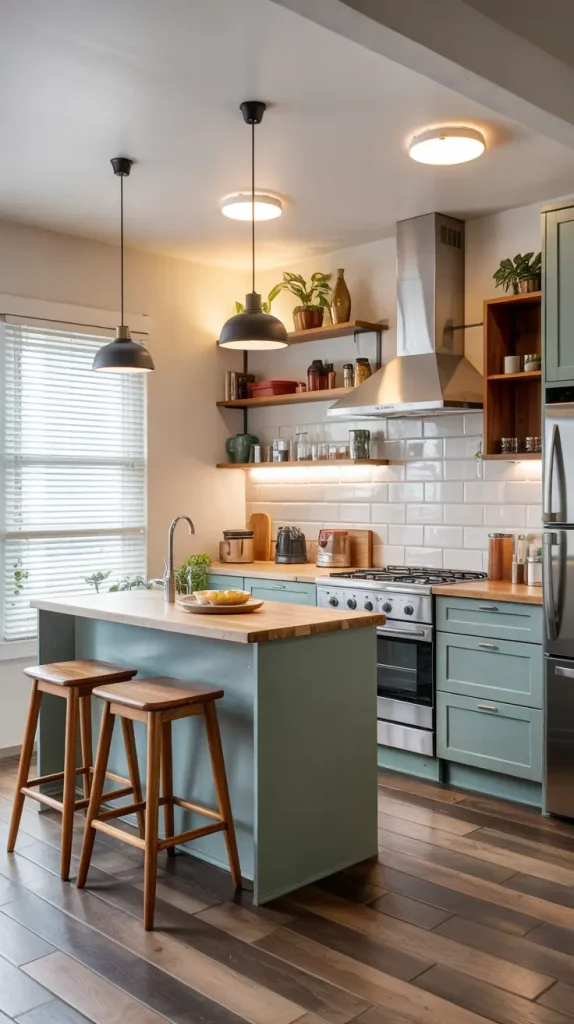
From personal experience, layout efficiency matters most. Designers interviewed by HGTV often emphasize the importance of keeping pathways clear to maintain usability. I agree completely—when these areas function well together, they create a seamless, modern living environment.
Ideas Minimalist Enough To Keep Tiny Living Rooms Airy
Minimalist design is ideal for keeping Small spaces cozy yet uncluttered. When applying minimalist principles, I prioritize clean lines, functional pieces, and visual simplicity. In tiny living rooms, removing unnecessary decor instantly increases the sense of airiness.
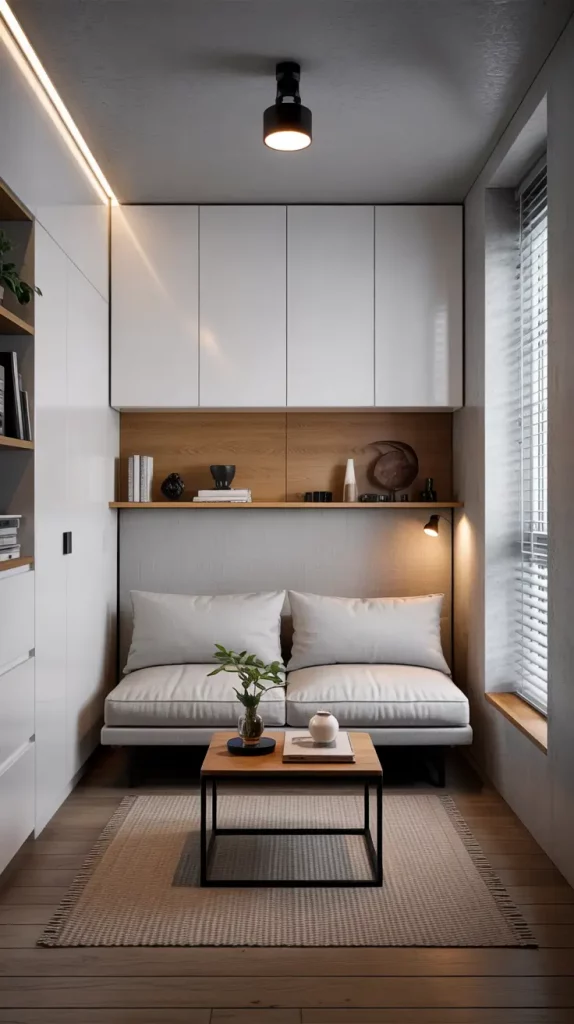
I select slim sofas, floating cabinets, and low-profile tables. Neutral color palettes and subtle textures prevent the design from feeling cold. This method suits homeowners seeking Ideas minimalist solutions that maintain openness without sacrificing warmth.
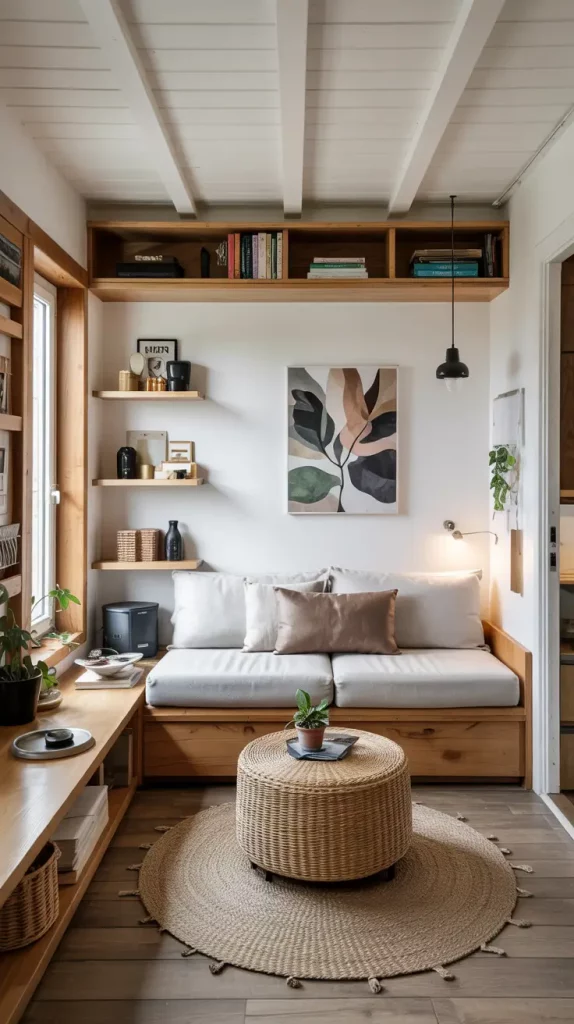
In my opinion, minimalism thrives when combined with purposeful styling. Experts cited in Dezeen suggest focusing on “quiet luxury”—simple but high-quality pieces—which I find works exceptionally well in small living rooms.
Storage Solutions That Disappear In Tiny Living Room Designs
Storage is a non-negotiable element in tiny living room design ideas, yet it must remain subtle. I often rely on invisible storage solutions—built-in cabinets, under-sofa drawers, and disguised shelving—to preserve the room’s clean look. When done correctly, storage disappears into the architecture.
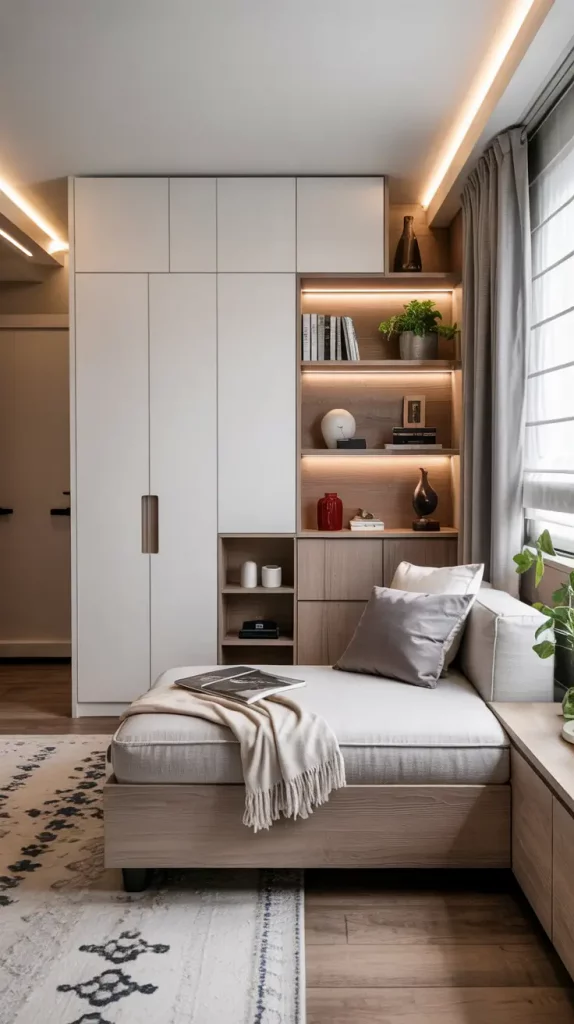
I incorporate ottomans with lift tops, floating TV units, and storage benches. Vertical cabinets maximize height, while recessed shelving reduces bulk. These features are ideal for tiny living room designs small spaces, where clutter control is essential.
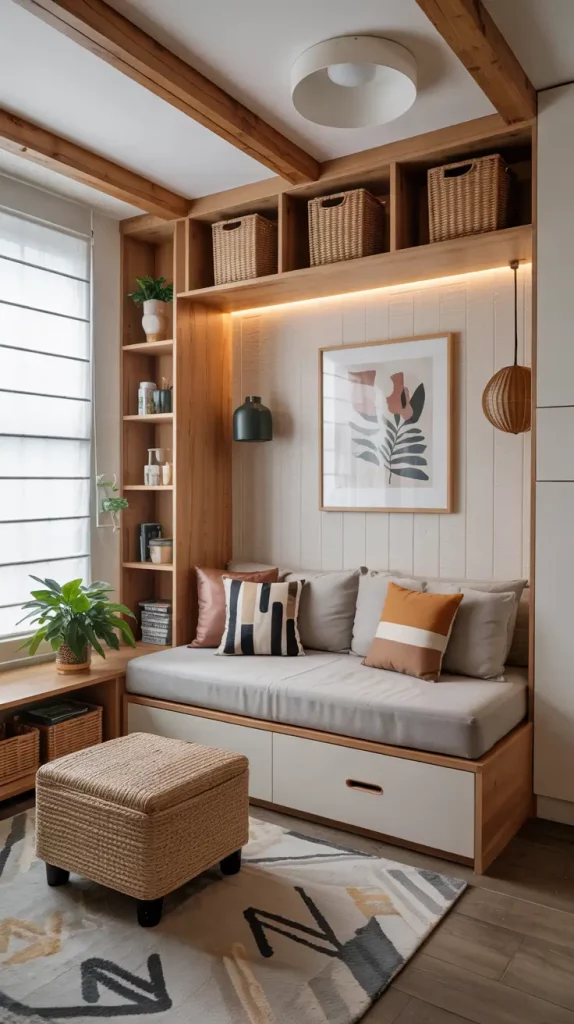
From my perspective, concealed storage provides peace of mind. As many experts in Real Simple often mention, “out of sight, out of stress.” I’ve seen this prove true repeatedly in client homes—when belongings are well-hidden, the entire room feels more serene.
Small Spaces Cozy Enough For Relaxing And Entertaining
When designing Small spaces cozy enough for both relaxation and entertainment, I focus on versatile layouts that feel intimate yet open. I create seating zones that encourage conversation while ensuring the room still functions for everyday lounging. Soft lighting, layered textures, and warm tones allow a compact living room to feel naturally inviting.
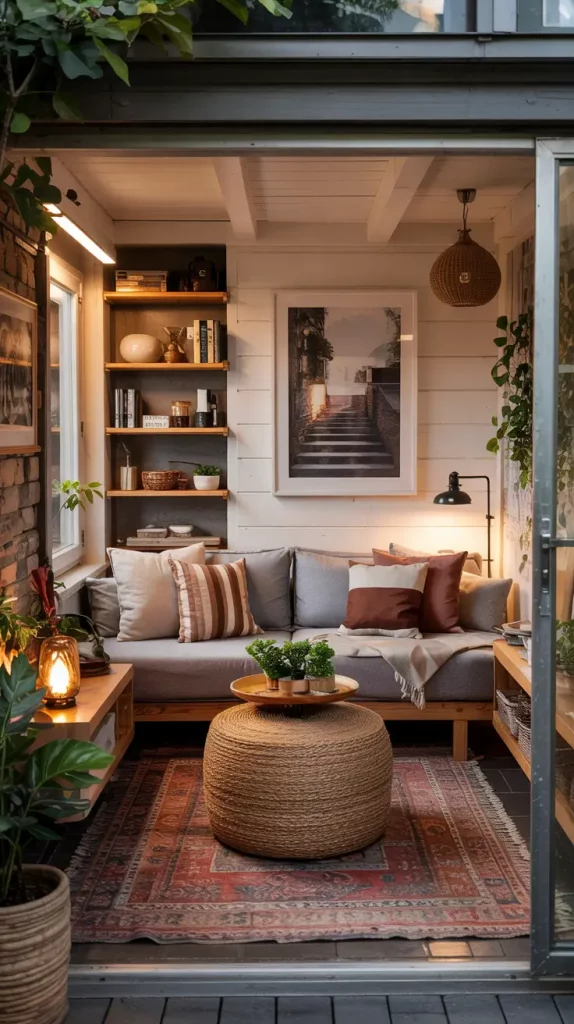
I typically include a loveseat or compact sectional, paired with ottomans that double as extra seating. Slim coffee tables and wall-mounted shelves help keep the floor open. These choices ensure the room works well for guests without sacrificing comfort, especially in tiny living room design ideas where multifunctionality is essential.
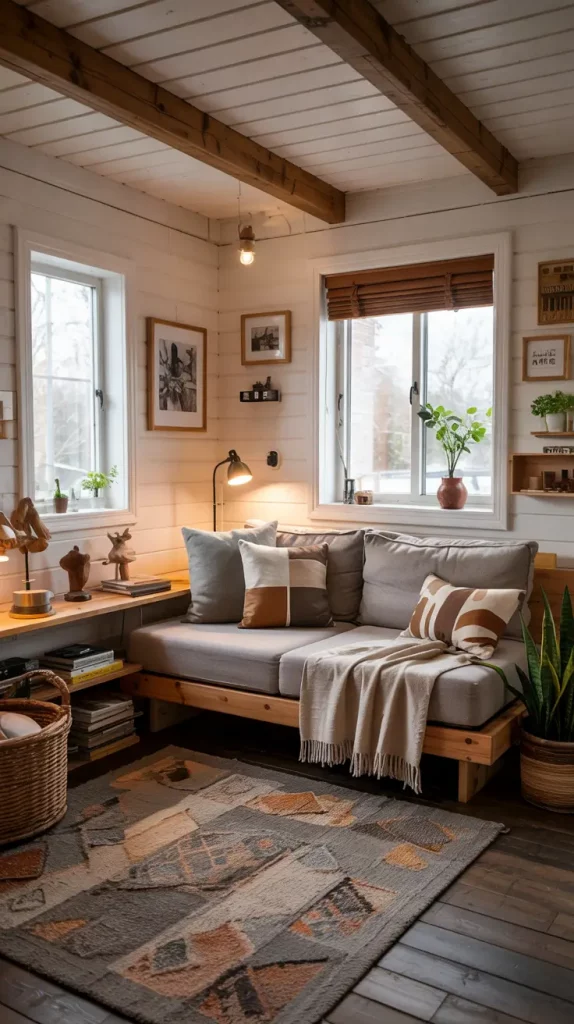
In my experience, the key is creating a flexible environment. Designers featured in Better Homes & Gardens often emphasize the importance of movable pieces to adapt to different uses. I’ve found this especially helpful in homes with frequent visitors but limited space.
Decor Ideas That Elevate Tiny Living Room Designs
Decor plays a crucial role in elevating tiny living room designs, and I approach this with careful restraint. Thoughtful decor can bring personality without overwhelming the space. I focus on selecting pieces that add style and meaning rather than clutter. Artwork, sculptural lighting, and unique textiles all contribute to visual interest.
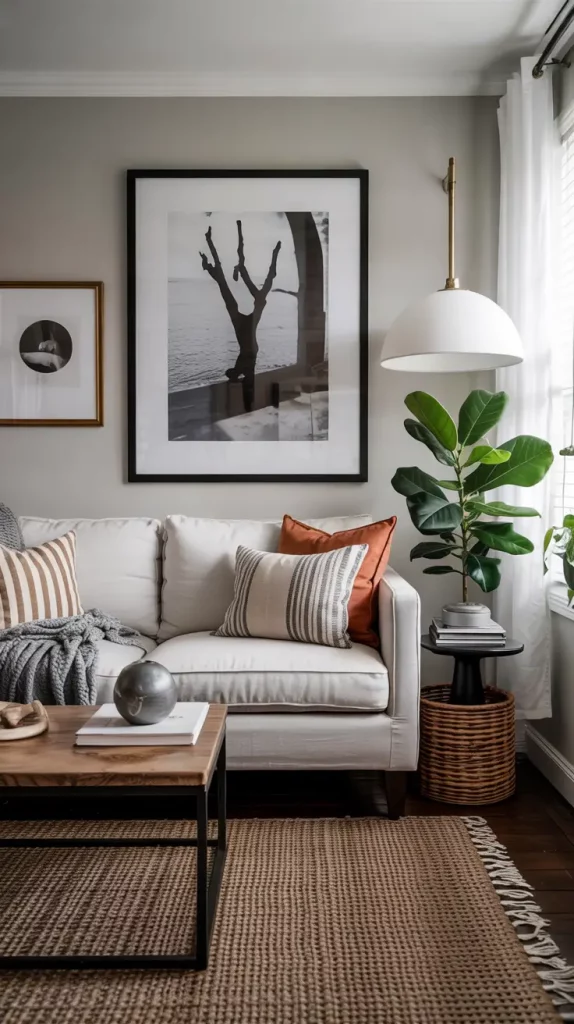
I incorporate framed prints, textured pillows, vases, and modern table lamps. Each item must complement the room’s palette and proportions. This approach is especially important in tiny living room designs small spaces, where every object contributes to the overall impression.
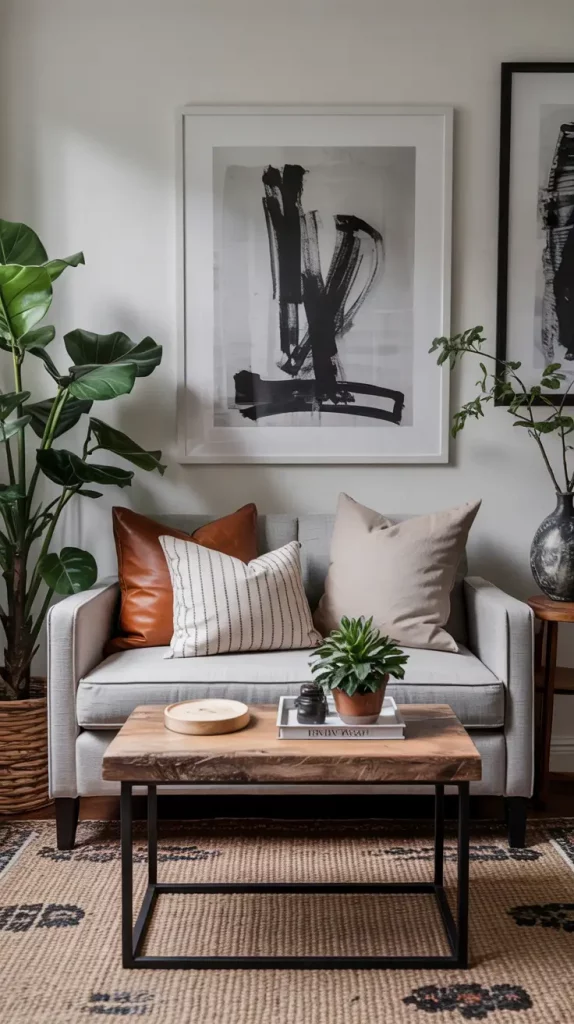
In my experience, accent pieces should enhance—not dominate—the design. Experts often highlighted in Elle Decor encourage “intentional styling,” which I apply in every small-room project. A few well-chosen decor items can make a tiny living room feel curated and complete.
Modern Materials That Work Best In Tiny Living Rooms
Choosing the right materials is essential in tiny interior design living room projects. I prefer materials that reflect light and promote visual openness. Natural woods, soft textiles, tempered glass, and matte metals help create harmony without overwhelming the environment. These materials also offer durability while maintaining a contemporary look.
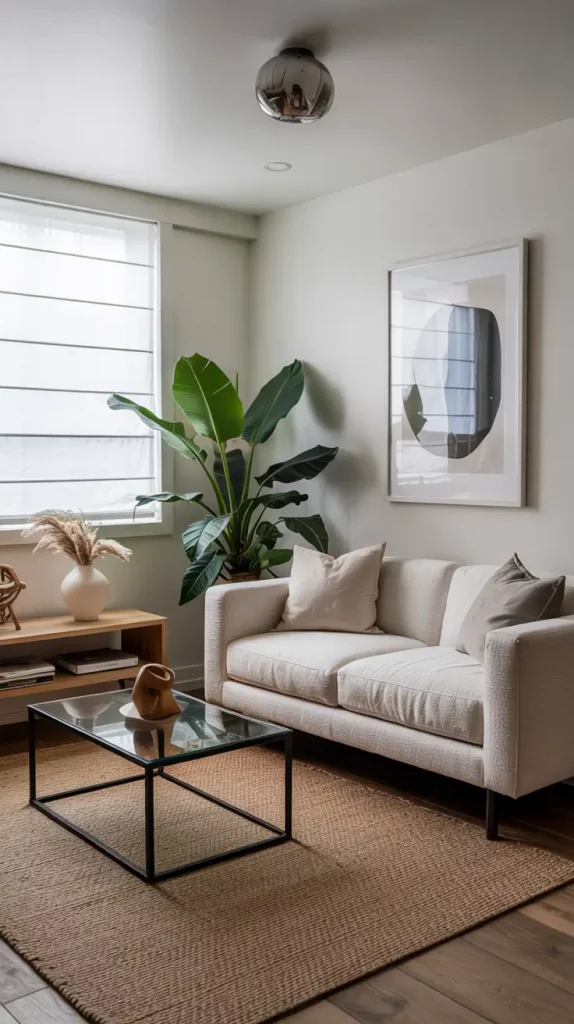
I often use light oak finishes, boucle upholstery, brushed nickel fixtures, and glass tabletops. These selections enhance functionality while keeping the room feeling spacious. In living room designs tiny spaces, material choices can dramatically alter the perceived scale of the room.
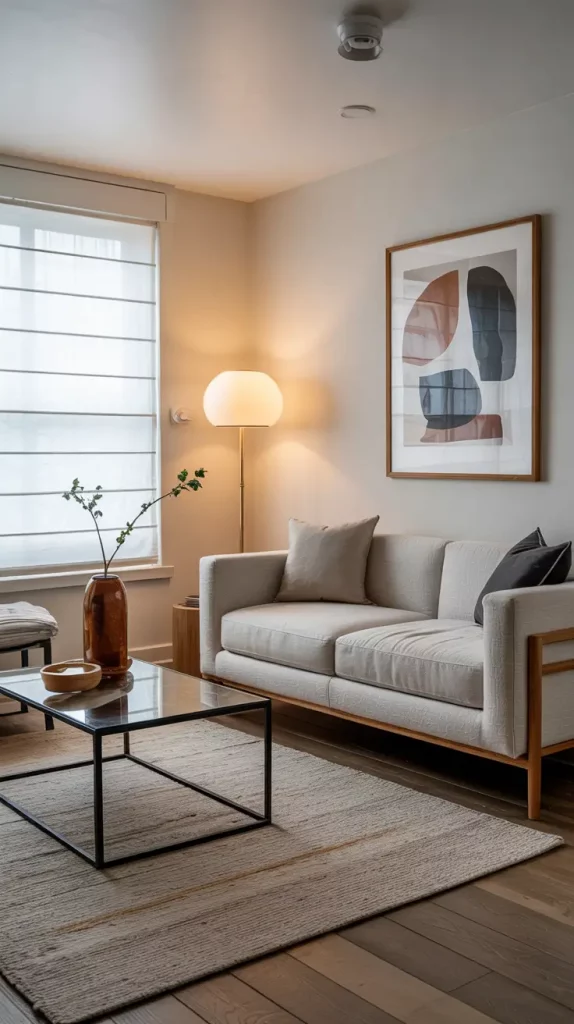
From my perspective, materials help define atmosphere. Many designers interviewed by Architectural Digest emphasize mixing soft and hard materials to create balance. I find this technique especially powerful in small interiors that need visual depth without added bulk.
Tiny Living Room Designs Inspired By Scandinavian Simplicity
Scandinavian-inspired tiny living room designs rely on simplicity, light, and natural elements. When using this style, I focus on clean lines, airy layouts, and soft minimalism. Scandinavian design is inherently well-suited to small rooms, as it prioritizes warmth, practicality, and an uncluttered aesthetic.
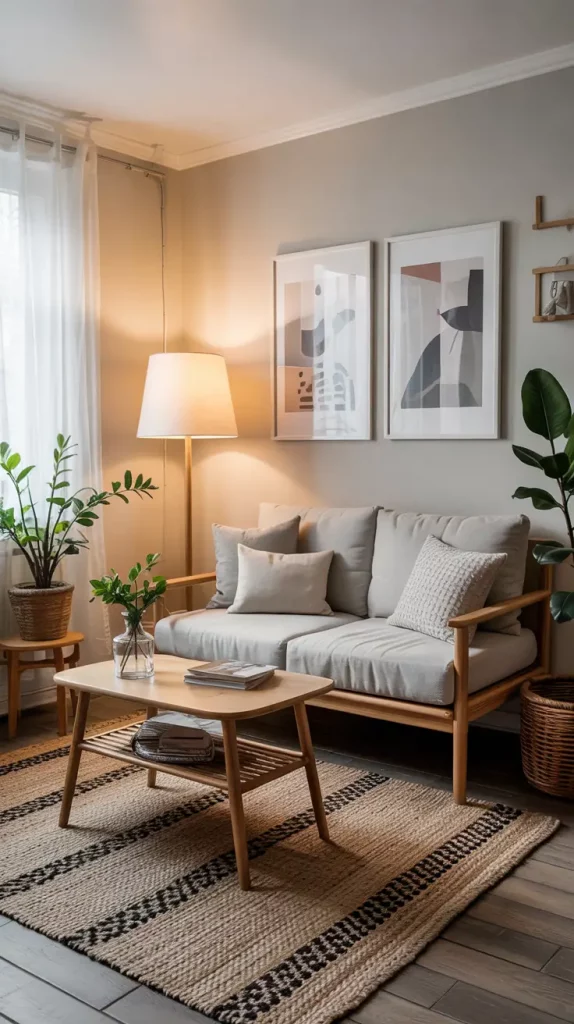
I include pale wood furniture, neutral textiles, soft lighting, and simple decor. Cozy throws, textured rugs, and matte finishes support the sense of calm typical in Nordic spaces. This approach harmonizes perfectly with tiny living room designs cozy, offering comfort without excess.
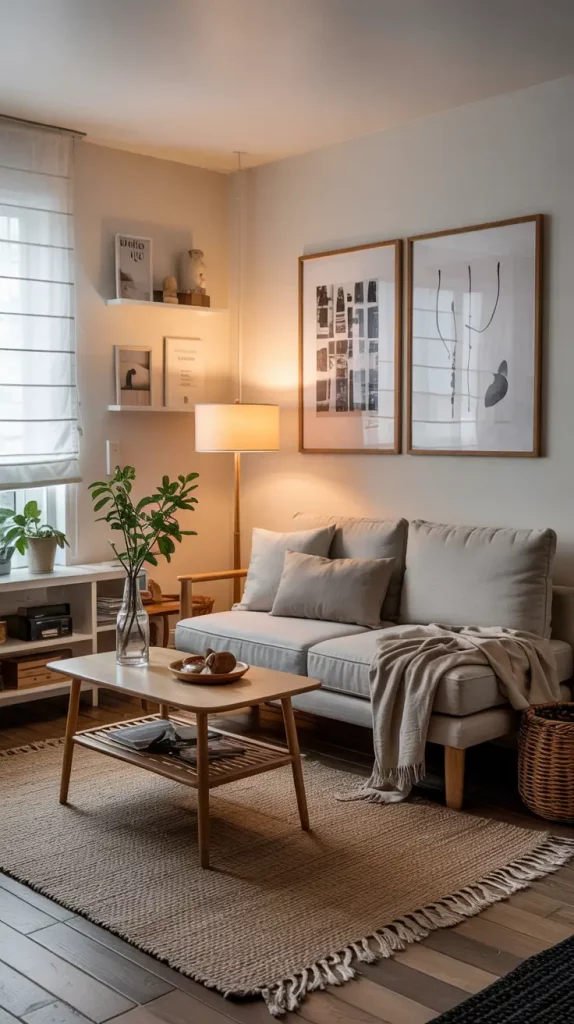
From experience, Scandinavian interiors resonate with homeowners who value serenity. Publications like Scandinavian Living frequently highlight how essential natural light and softness are to the style, and I apply these principles whenever I design compact, calming rooms.
Cozy Tiny Living Room Design Ideas For Cold And Warm Climates
When designing cozy tiny living room design concepts for different climates, I adapt materials and colors to the environment. In cold climates, I rely on richer textures, warm tones, and layered textiles to add comfort. In warm climates, I prioritize light materials and breathable fabrics to maintain a sense of freshness.
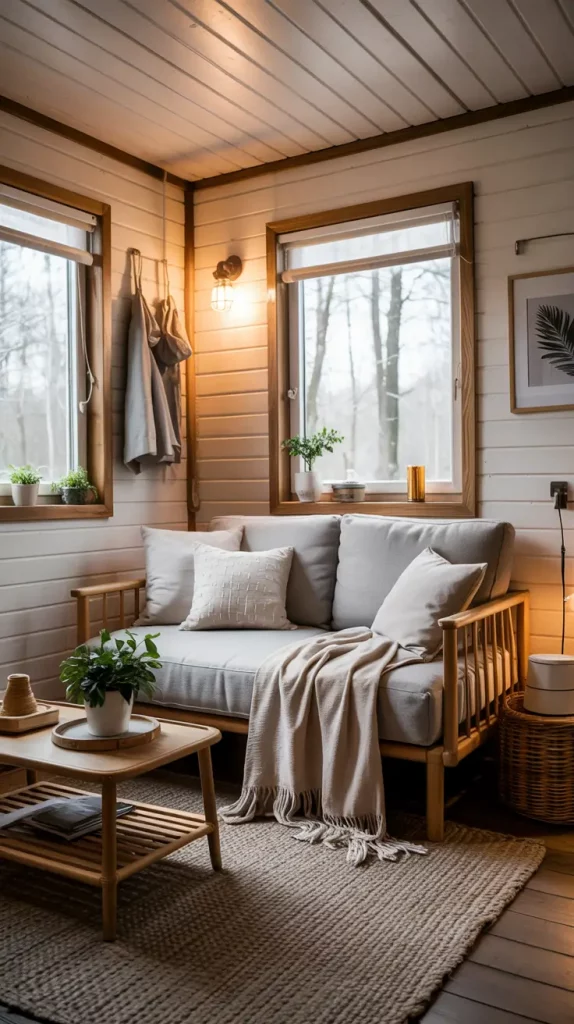
I use wool rugs, heavy drapes, and warm woods for colder regions. For warmer areas, I prefer rattan, cotton, and airy curtains. These adjustments ensure the space feels seasonally appropriate in all versions of tiny living room designs.
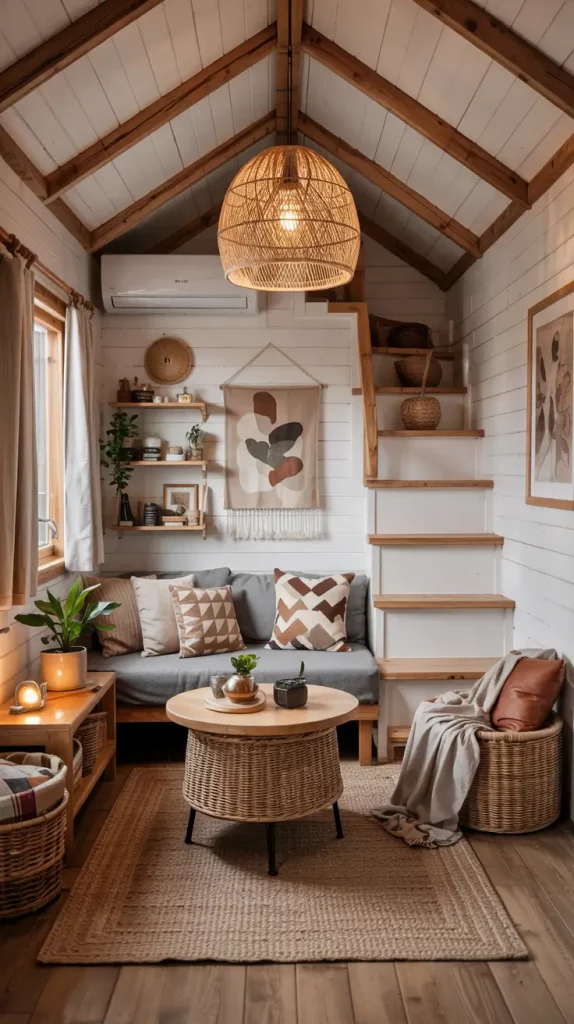
Professionally, I’ve found that climate-responsive design significantly improves livability. Many experts featured in Sunset Magazine emphasize climate-conscious interior choices, and I see this approach as essential when designing small spaces around real environmental needs.
Design Mistakes To Avoid In Tiny Living Rooms
Designing for tight spaces requires avoiding common pitfalls. In tiny living room designs small spaces, the biggest mistakes include oversized furniture, poorly planned lighting, and excessive decor. I always remind clients that less is more—choosing intentional pieces prevents the room from feeling crowded.
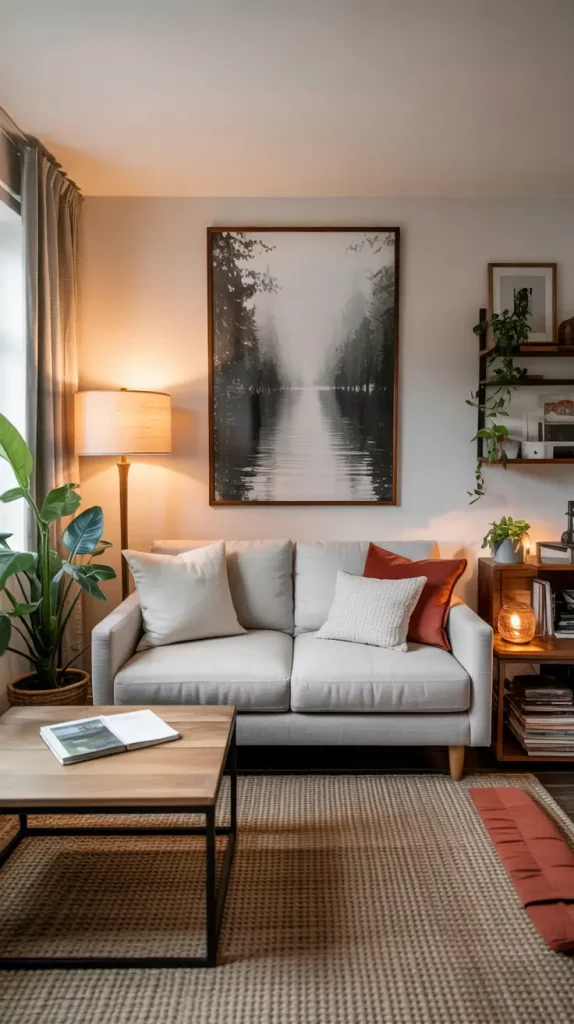
I avoid dark bulky sofas, heavy curtains, and cluttered shelving. Instead, I choose compact seating, light fabrics, and well-distributed lighting. These decisions help maintain balance in tiny living room designs, ensuring the room remains functional and visually open.
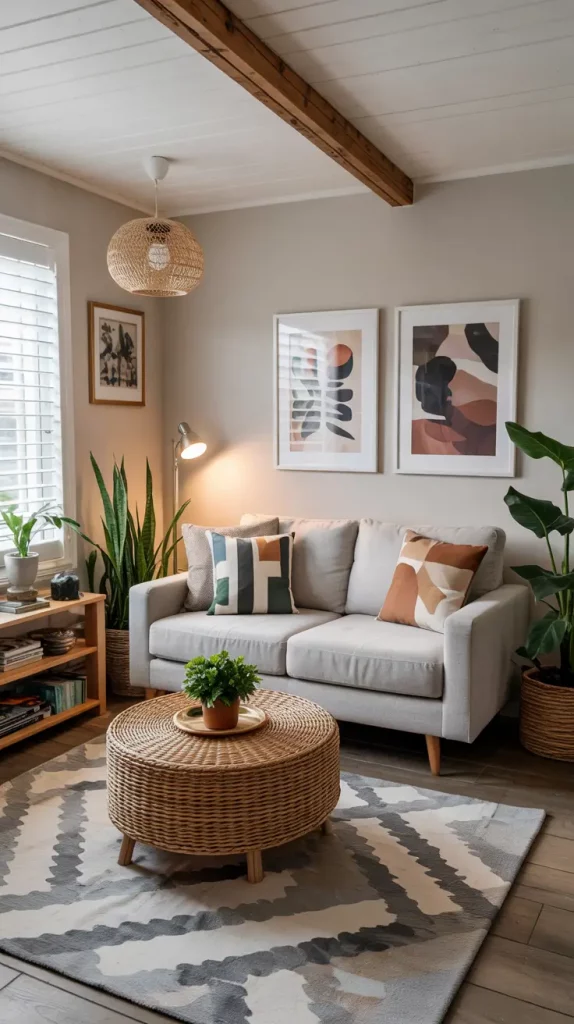
From my experience, the most damaging mistake is ignoring scale. Designers cited in Domino Magazine consistently stress the importance of choosing furniture proportionate to the room. I’ve seen amazing spaces ruined simply because the wrong furniture was used.
Future-Focused Tiny Living Room Designs For Urban Living
In urban environments, small living rooms must adapt to fast-paced lifestyles. I prioritize multipurpose layouts, sustainable materials, and integrated technology. These forward-thinking tiny living room design ideas anticipate future needs while optimizing today’s living conditions.
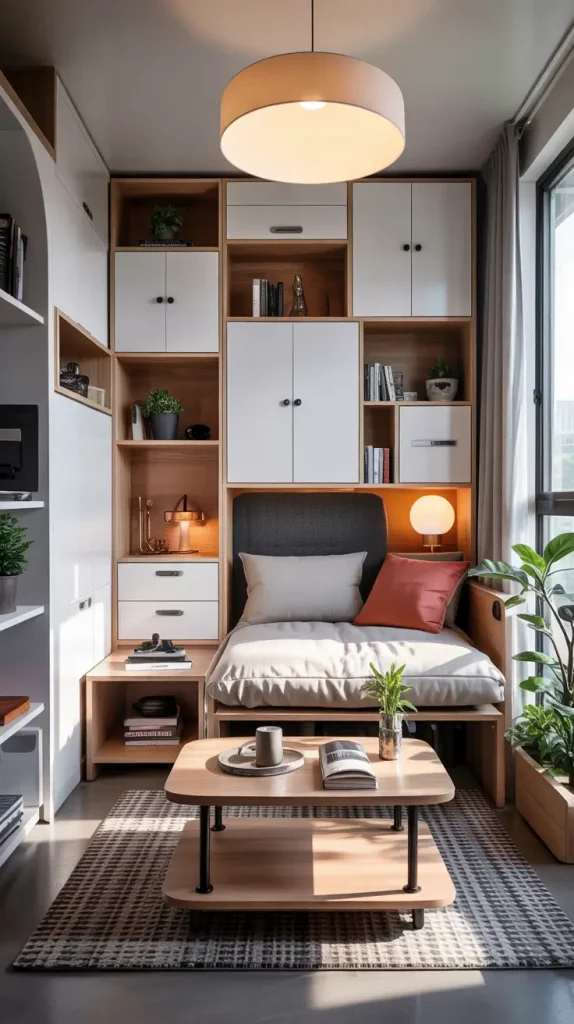
I incorporate modular seating, smart lighting, fold-out desks, and energy-efficient fixtures. Neutral color palettes paired with innovative storage help keep the room modern and functional. This direction is especially relevant to Ideas small apartments interior, where flexibility is essential.
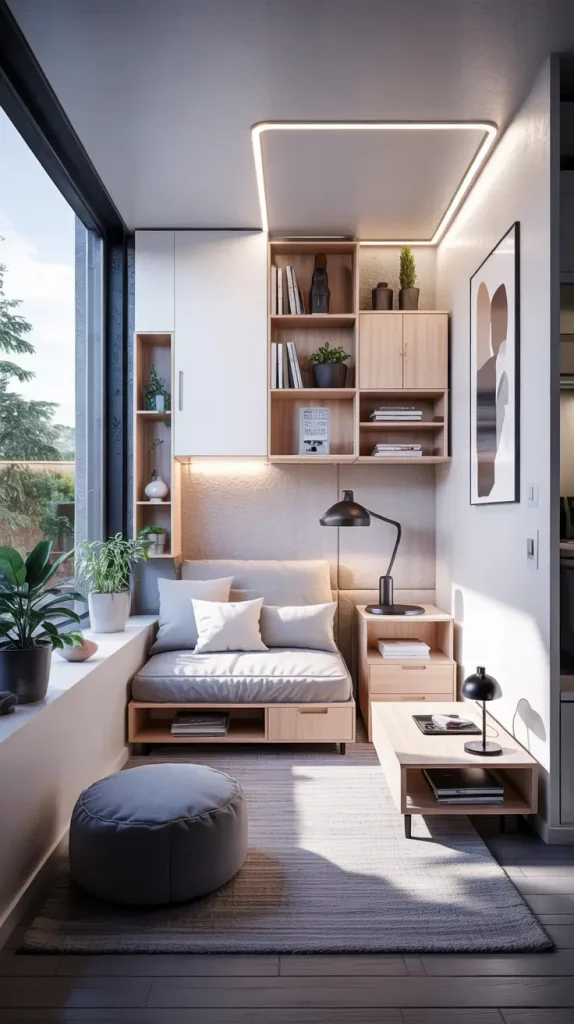
In my view, urban living will continue to evolve toward compact, tech-enhanced interiors. Many architects interviewed by Dezeen expect micro-living to grow in popularity, and these future-focused strategies ensure tiny living rooms remain livable, stylish, and prepared for tomorrow.
How To Personalize Tiny Living Room Designs Without Overcrowding
When I personalize tiny living room designs for clients, my priority is ensuring individuality doesn’t compromise functionality. I always begin by identifying meaningful elements—artwork, small collections, or textiles—that can be incorporated without overwhelming the room. Personal touches should enhance the design, not clutter it, especially in tiny living room designs small spaces where visual balance is crucial.
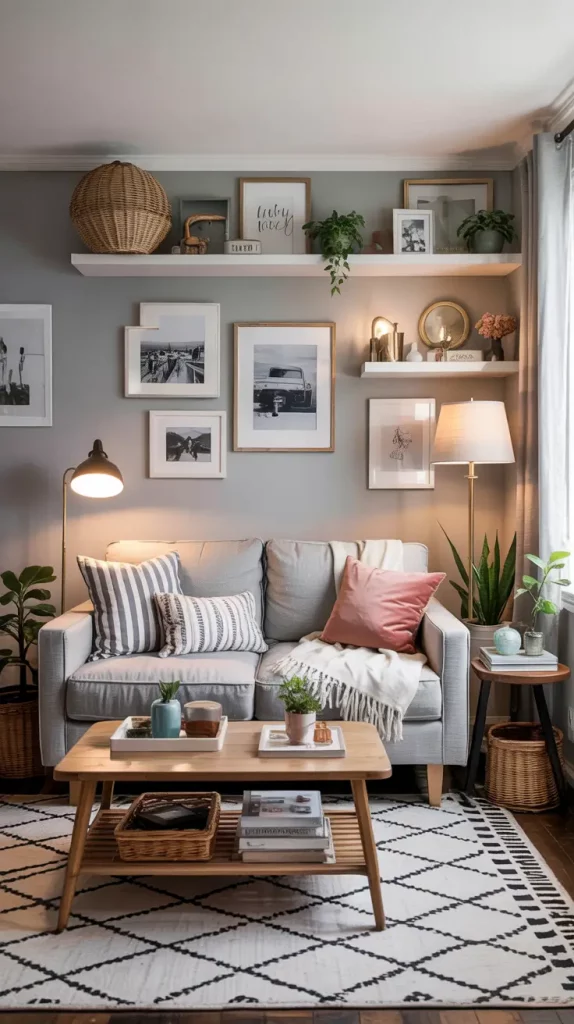
I use slim-profile frames, compact decor accents, and subtle color infusions that reflect personality. Small gallery walls, patterned throw pillows, and curated shelving allow character to shine without reducing usable space. This approach works perfectly in living room designs tiny spaces, where minimal yet thoughtful personalization creates the most impact.
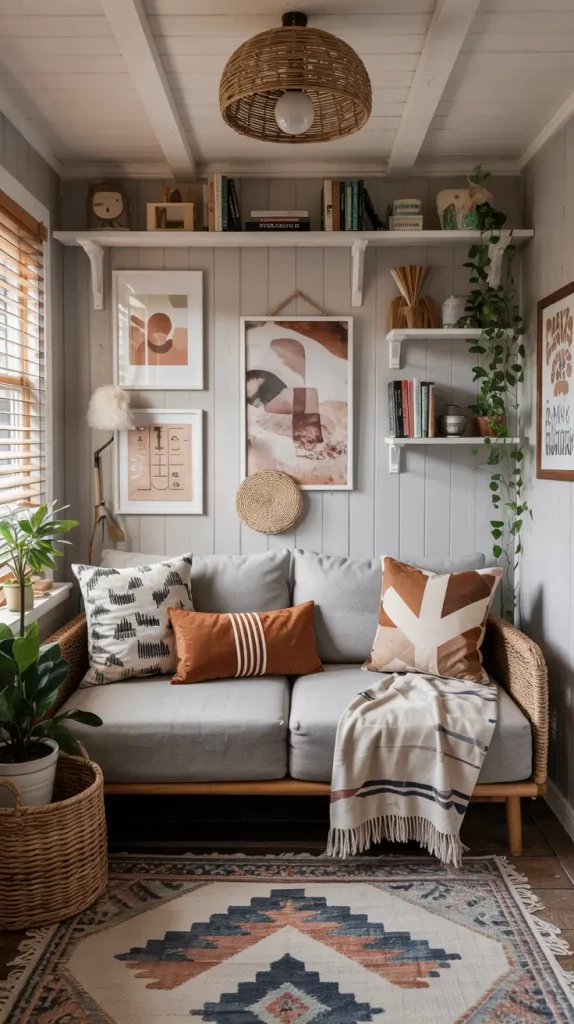
From my experience, the best personalization comes from restraint and intention. Decor experts from Elle Decor often mention that “edited personal style” is key to designing successfully in compact rooms. I fully agree—choosing fewer but more meaningful items allows the living room to feel both functional and uniquely yours.
Tiny Living Room Design Ideas That Prove Small Spaces Can Feel Big
When showcasing tiny living room design ideas that make rooms feel larger, I rely on principles that visually expand space. I use reflective surfaces, strategic lighting, and well-planned layouts that create depth and openness. These strategies consistently prove that small living rooms can feel spacious when designed thoughtfully.
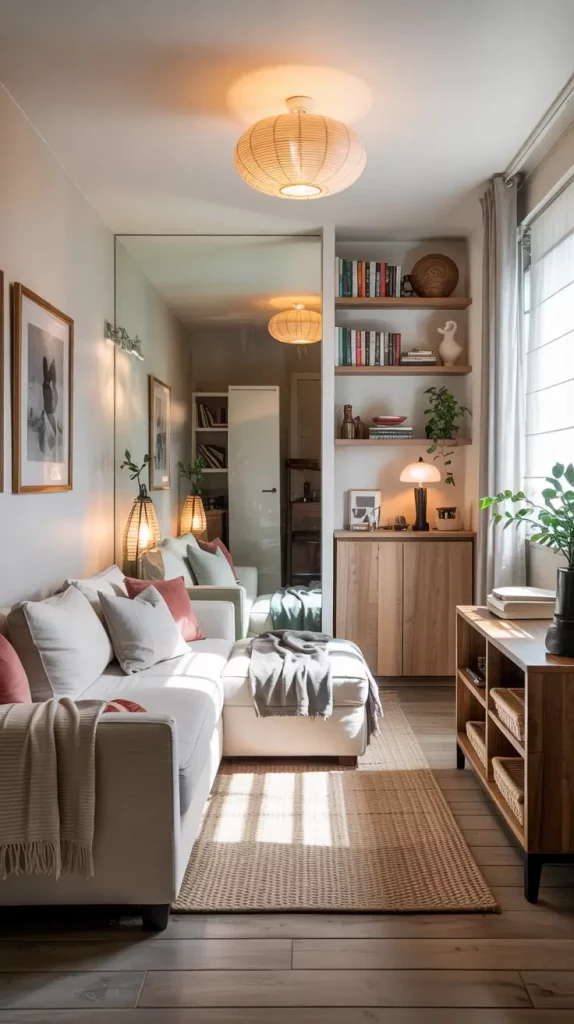
I incorporate large mirrors, linear furniture, oversized art pieces, and open shelving. Continuous flooring and soft neutral palettes help unify the space, making it appear significantly bigger. These elements work well with tiny living room designs cozy and help maintain comfort while expanding visual boundaries.
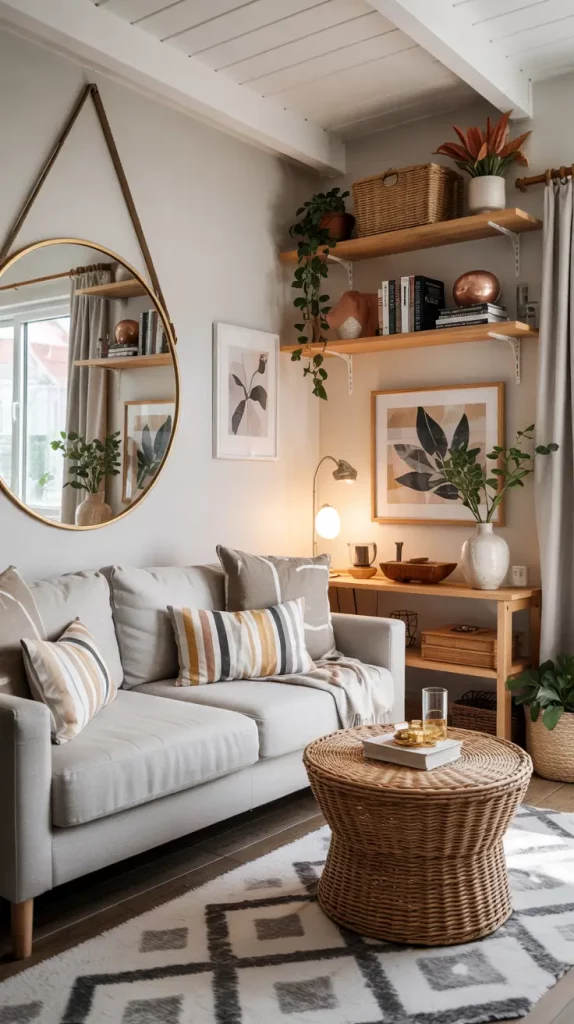
In my professional opinion, the perception of space matters as much as actual dimensions. Leading designers interviewed by Architectural Digest emphasize how scale manipulation transforms compact interiors. I’ve seen this repeatedly—when scale, flow, and light are optimized, even the tiniest living rooms feel airy and inviting.
Conclusion
Tiny living room design in 2026 proves that limited square footage is no barrier to comfort, beauty, or practicality. With the right balance of functionality, style, and personalization, even the smallest living rooms can become inspiring, cozy, and highly efficient spaces. If you’ve found new ideas here or have your own tiny living room design challenges, I invite you to share your thoughts in the comments—your experiences can help others designing small spaces too.