Removing Weeds Without Chemicals: 9 Natural Yard Fixes for 2027 – November Update
Want weed control in 2027 without chemicals? See the vinegar, boiling water, mulch and planting tricks I used to keep my yard clean, safe and lovely.

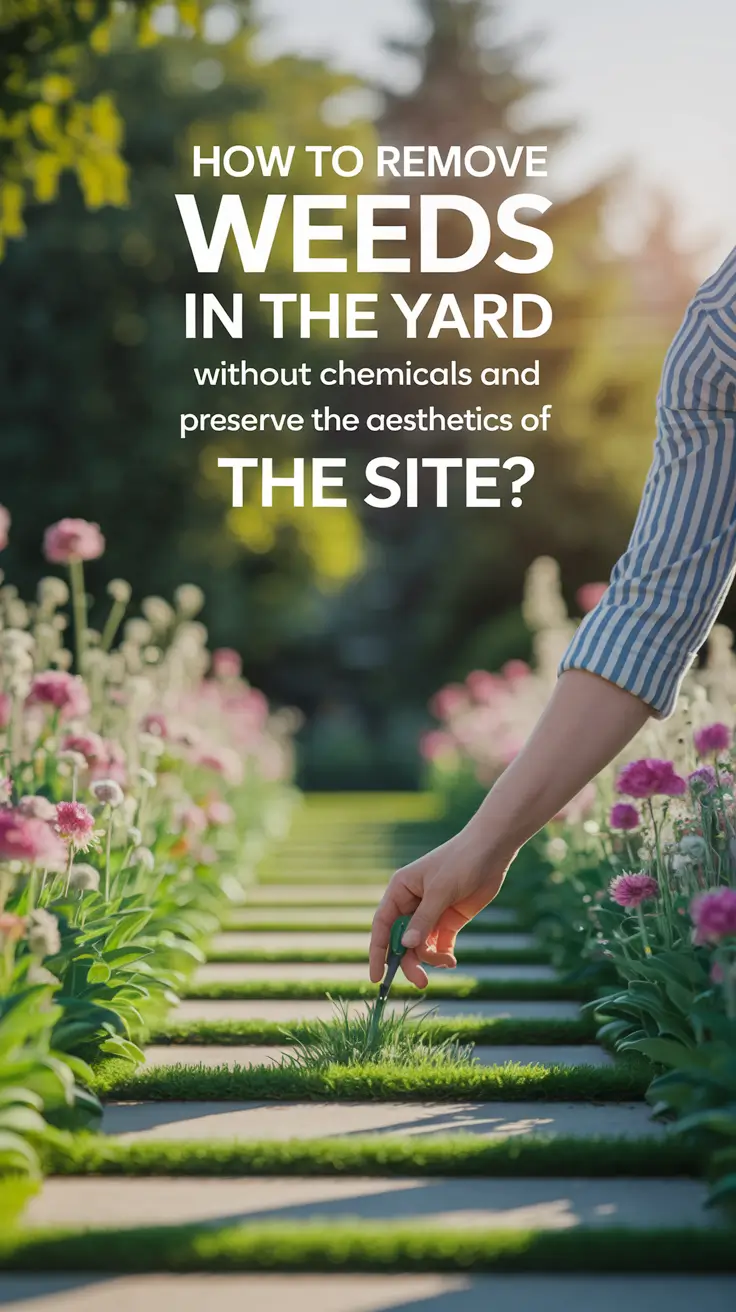
Ever stepped outside in early spring and wondered why the yard looks untidy no matter how often you clean it? That was my reality. The weeds showed up before the flowers, and they grew faster and louder than anything I had planted.
I didn’t want harsh chemicals anywhere near the space where my kids play and my dog sniffs out every blade of grass. So I started testing ideas. Could my yard look planned, natural and inviting in 2027 without relying on harsh products? It could, and here is how it worked for me.
Below are the safe, natural approaches that helped me manage weeds while keeping the yard neat and attractive. Let me walk you through what I tried.
Why I Gave Up Herbicides: The Turning Point
It began with something I figured I could live with: a quick spray here, a sprinkle there. “Everyone uses them,” I told myself. Then I noticed the dog scratching more often. My toddler kept grabbing sticks and weeds, and I realized I had no idea what they were touching.
That was my breaking point. I read up on the risks: damaged soil, toxins spreading through the garden and pollinators vanishing. Suddenly, a spotless, orderly garden didn’t look so appealing.
The results weren’t lasting, either. The weeds always came back, often looking even angrier. So I quit, cold turkey, and decided to take a completely different route.
Ongoing Upkeep: Making the Yard Weed-Resistant Over Time
I spend about 10 minutes a week checking my plants for any changes. Here is how I keep things tidy without the stress:
- After rain, I do a quick walk and pull anything soft-rooted.
- I top off mulch twice a year.
- I edge the lawn and beds with clear visual lines.
- I added small decorative fences around high-risk areas.
It isn’t about perfection. It’s about rhythm.
Honestly? The garden is now a place I enjoy spending time in, not a place I keep losing ground.
How Redesigning the Yard Made All the Difference
The biggest difference came not from attacking weeds but from changing the conditions they grew in.
A narrow strip by the fence was constantly being overrun, mostly by animals digging through it. I cleared the area, laid down cardboard, topped it with gravel and finished with a few pots. What had been an empty patch became a charming container garden.
Here’s a breakdown:
| Area | Before | After |
|---|---|---|
| Side of the house | Loose dirt, messy weeds | Gravel + potted lavender & mint |
| Between beds | Weedy soil paths | Wood chips + stone borders |
| Patio edges | Weeds between pavers | Polymeric sand + thyme groundcover |
It wasn’t just tidier. It looked intentional. And I hardly pull weeds there anymore.
What I Did About Stubborn Weeds (Like Horsetail)
Every yard has one stubborn weed. For me it was horsetail: thin, wiry and almost prehistoric looking.
My Fix? Layers + Persistence
- I pulled it every time I saw it, root and all.
- I covered that section with overlapping cardboard.
- I topped it with 4 inches of mulch and placed pavers on top.
It shows up far less now and is much easier to control. The key was consistency, not force.
In the End, It Wasn’t About Weeds at All
Looking back, this was never only about removing weeds. It changed how I see the yard. Less control, more collaboration.
Now the imperfections feel like part of the story. There’s beauty in that, too.
If you’re thinking about redecorating your outdoor space with natural methods, I hope these tips give you a solid starting point.
If you want a yard that looks great and doesn’t depend on chemicals, save this for later.
Do you have a trick that worked wonders for you? Tell me in the comments. I’d love to hear it.
A Clean-Looking Yard Starts With Smart Design
I didn’t see it coming: once I stopped fighting weeds and began designing the yard itself, the whole space felt different.
I studied the gardens I admired. What did they share? Structure, layers and no bare soil.
Think in Layers
I relied mostly on mulch, pebbles, bark and living ground covers. Where there had been raw earth, I added brown mulch or planted thyme. It looked good and also kept weeds from taking hold.
Limit Empty Space
Open soil invites weeds. So I planted things more closely together and mixed ornamentals with edible plants. The outcome was a fuller, greener look with far fewer unwanted “invaders.”
Once I adopted the idea of “no empty corners,” I had far less fighting to do. I focused on what I added instead of what I wanted to get rid of.
3 Steps That Helped Me Eliminate Weeds Naturally
This is where everything changed. I boiled my process down to three main actions that I repeat each season.
- Pull roots out completely
I started using a hand weeder tool and pulling them slowly, especially after rain when the soil is soft. - Mulch everything
Bark chips, straw, even shredded leaves. A 2-3 inch layer around plants did wonders to smother weed seeds. - Fill the gaps
Wherever weeds used to pop up, I filled those spaces with low-growing perennials or hardy herbs.
Over time, this routine made things easier. Now my effort goes toward maintenance rather than constant battles.
Natural Weed Killers I Actually Tried
My research started with YouTube videos and ended with some messy experiments in the backyard. Here is what I found:
Vinegar Spray: A Temporary Win
A mix of white vinegar and dish soap cleared weeds growing in the cracks of my pavement. It scorched them quickly. But, and this matters, it doesn’t reach the root.
Boiling Water: Surprisingly Effective
It works well along sidewalk seams and gravel paths. I poured boiling water from the kettle over the weed, and within seconds it was cooked, with no residue left behind.
Salt: Use With Caution
Yes, salt dries out a plant. However, it can harm the soil around it and block any future growth. I use it only in spots where nothing should grow, like behind trash bins or along fences.
These methods handled small patches well but couldn’t tackle a whole bed. For larger areas, design and prevention did the heavy lifting.
What to Consider When Choosing Your Method
Every yard is different, so your approach should fit yours. These are the questions I asked myself before choosing a method:
- Do you have pets or kids playing outside?
- Is the area edible (vegetable garden, herb bed)?
- Are the weeds in soil, pavers, gravel, or lawn?
- What’s your climate and watering schedule?
- How much time can you realistically spend each week?
Those questions helped me pick solutions that suited my yard, not just the fastest ones.

More Home & Wellbeing ideas
- Getting Rid of Cobwebs and Pollen on Your Porch in 2027: My Daily Reset – November Update
- Warmer Rooms in 2027: 8 Ways to Tuck Away Appliances Quietly – November Update
- Rustic to Modern: 28 Open Floor Layouts Worth Trying in 2027 – November Update
- Why We Decorate Our Homes: Ancient Instincts Shaping Your Space in 2027
- Home as a Mirror of Your Mood: How Space Shapes Emotions in 2027
- Handmade for 2027: How Imperfect Objects Put the Soul Back in My Home
- How Airflow, Shadows and Sun Spots Make a Summer Home Feel Alive in 2027 – November Update
- Bring Summer Indoors in 2027 Without Renovating a Single Room
- House Without a TV for 2027: What Changed in My Living Room and Evenings
- 7 Decor Pieces Quietly Stealing Your Calm in 2027: What to Rethink
- Why Lived-In Clutter Beats Perfect Order for a Cozy Home in 2027 – November Update
- Interior Design and Your Circadian Rhythm: 15 Sleep-Friendly Changes for 2027