House Without a TV for 2027: What Changed in My Living Room and Evenings
See how living without a TV in 2027 changed my living room layout, evening habits and mood, and how you can try a TV-free reset at home this week.

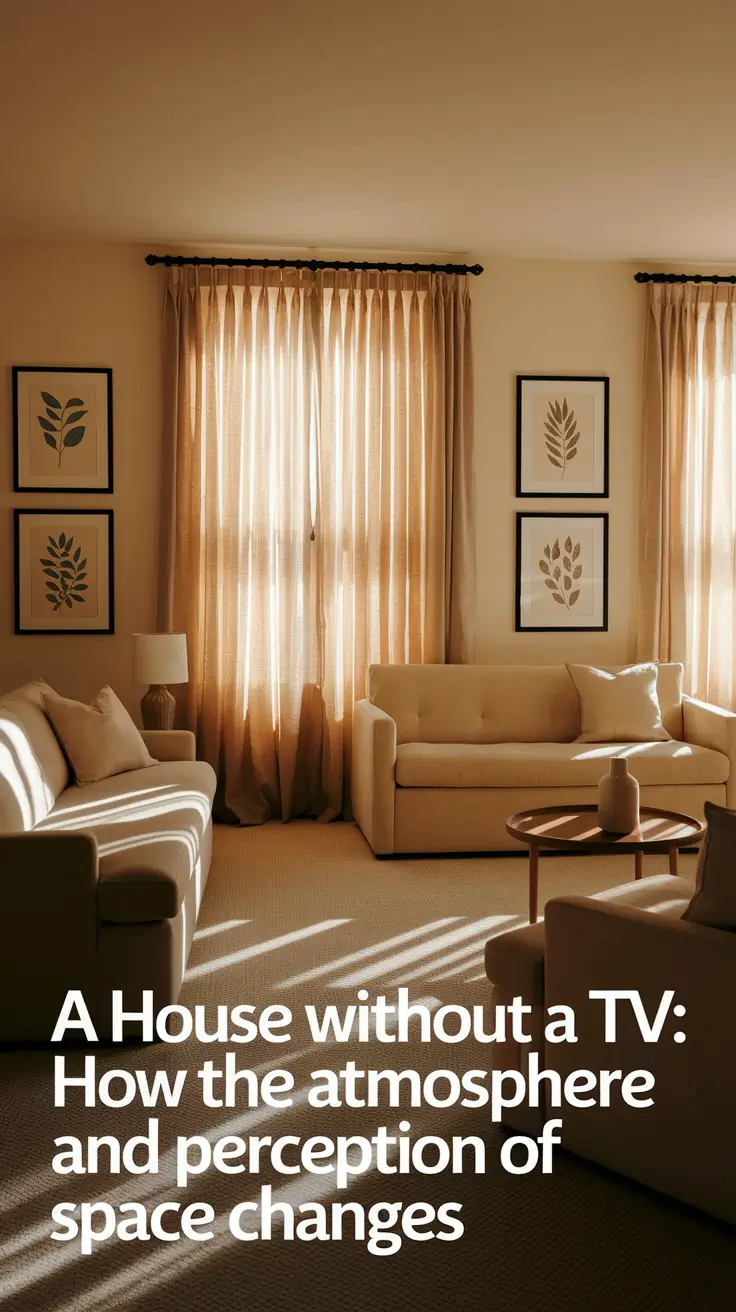
Going into 2027, more of us are asking whether the TV really belongs at the center of our homes. I tried living without one, and the change went far beyond the room itself. Here is what shifted in my space, my evenings, and my mind, plus a few gentle steps to test the idea yourself.
It started with silence I didn’t expect
One evening, I walked into my living room and noticed something unusual: silence. No low buzz, no flickering light. Just my own breathing and the faint hum of the fridge in the next room. That was the first night I didn’t switch the TV on, and it changed everything.
I used to assume the TV was simply part of how a home works. You come in, you sit down, you turn it on. It fills the space, doesn’t it? But once I stopped doing that, the room felt larger, calmer, and somehow more like mine.
If your living room ever feels overstimulating, or your evenings slip away without giving you any real rest, this may resonate with you. I’ll walk you through how our life improved once we stopped making the TV the main focus of our space. From the room layout to our mindset, here’s what I discovered and how it might spark your own reset.
3 Steps That Helped Me Quit TV Without Feeling Deprived
Here’s what helped us make the transition gently, without feeling like we were giving up something important.
1. Moved the TV — but didn’t toss it
We simply moved the TV into the guest room and closed the door. Out of sight, out of habit. That made the change feel safe rather than radical.
2. Created a new evening ritual
Instead of zoning out, I brewed herbal tea, switched on my warmest lamp, and picked up a book (or sometimes just my journal). It felt intentional and comforting, and it was surprisingly easy to keep doing.
3. Designed a screen-free nook
We placed a soft throw, a candle tray, and a comfy chair by the window. That little corner became my favorite spot, even more than the couch ever was.
Try one of these steps if you’re curious about going TV-free. You don’t need to go all-in to feel a difference.
What We Did Instead of Watching — and Why It Felt Better
It started with one quiet evening. Then two. Then a month went by, and not once did either of us say, “Let’s put something on.”
Here’s what filled the gap — and filled it well:
-
🎧 Audiobooks during slow mornings
-
🎵 Vinyl or ambient playlists during dinner
-
🧩 A puzzle or a sketchpad on the coffee table
-
✍️ Writing postcards to friends
-
🧘♀️ Simply sitting and talking — or not talking at all
Each alternative felt slower, richer, and, most importantly, alive. We weren’t reacting to a screen anymore. We were choosing something for ourselves.
Would you ever try that kind of evening?

How the Room Began to Feel Bigger (Without Changing a Single Wall)
Let me explain how that played out, because the shift wasn’t only emotional. It was architectural.
Visual expansion
With the TV gone, I rearranged the furniture. There was no longer a focal point demanding center stage. Instead, we built a conversational circle with a couch, two chairs, a low table, and a reading lamp. Suddenly the room wasn’t about watching. It was about being.
Without screen clutter, the walls seemed to pull back. My plants looked greener. Even the rug felt softer underfoot. (I know it didn’t change, but that’s how it felt.)
Fewer stimuli, more calm
Without that glow in the corner or fast commercials flashing every ten seconds, our space became a retreat, like a long, easy exhale. That quiet, both visual and auditory, began to affect our moods.
You know that frazzled “after work” feeling? It eased. Our evenings slowed down in the best possible way.
What I Actually Gained from Living Without a TV
This is when I finally saw what had been missing: presence.
-
Evenings became intentional, not automatic
-
Our space became a sanctuary, not a showroom
-
I felt more rested, more clear, more me
Letting go of the TV didn’t mean giving up comfort. It meant reclaiming it through textures, sounds, glances, and breath.
And now? I don’t miss it. Not even a little.
What to Know Before Ditching Your TV
If you’re curious, or even skeptical, that’s completely fair. It took me a while, too.
Some honest challenges to prepare for:
-
Fear of boredom: You’ll need to create towards something, not just remove. Think candles, playlists, books you’ve wanted to read.
-
Pushback from others: Not everyone in your household will get it right away. That’s okay. Start with shared conversations, not ultimatums.
-
Habitual resistance: That itch to “just check what’s on”? Totally normal. But once you feel the benefits — it starts fading.
It isn’t about being strict. It’s about being mindful.
Why Removing the TV Feels Weird — And Why That’s a Good Thing
The surprising part was how much it felt like saying goodbye to a roommate who had stayed far too long.
The TV as a mental anchor
For years, the TV was the default centerpiece. Our furniture faced it. Our evenings revolved around it. Even while we ate or folded laundry, the sound never stopped. But was it really adding anything?
It turns out the TV isn’t just a device. It’s a habit and a source of background noise. We reach for it when nothing else seems to work. Seeing that was like switching on the lights in a room I hadn’t realized was dim.
What happened when we stopped using it
The first thing I noticed was the light. Daylight from outside lingered in the room longer now that the black rectangle was gone. I started lighting candles in the evening, playing soft playlists, and even opening the window just to hear the birds.
And I felt… quieter inside.
Before & After: The Shift You Can Actually Feel
This is where everything shifted. The living room not only looked better, it felt different too. Here’s how I would sum it up:
| With a TV | Without a TV | |
|---|---|---|
| Visual focal point | Dark screen, cable box clutter | Soft lighting, layered textures |
| Evening mood | Distracted, overstimulated | Grounded, slow, thoughtful |
| Layout & function | Passive, screen-facing | Interactive, conversation-ready |
| Mental energy | Drained | Renewed |
It’s not just aesthetics. It’s architecture for your nervous system.
Final Thought
Sometimes a peaceful home doesn’t come from adding anything new. It comes from subtracting what no longer serves you.
Would you try a week without your TV?
Pin this article if you’re craving more calm at home
Or share: what small change made your space feel like yours again?

More Home & Wellbeing ideas
- Getting Rid of Cobwebs and Pollen on Your Porch in 2027: My Daily Reset – November Update
- Removing Weeds Without Chemicals: 9 Natural Yard Fixes for 2027 – November Update
- Warmer Rooms in 2027: 8 Ways to Tuck Away Appliances Quietly – November Update
- Rustic to Modern: 28 Open Floor Layouts Worth Trying in 2027 – November Update
- Why We Decorate Our Homes: Ancient Instincts Shaping Your Space in 2027
- Home as a Mirror of Your Mood: How Space Shapes Emotions in 2027
- Handmade for 2027: How Imperfect Objects Put the Soul Back in My Home
- How Airflow, Shadows and Sun Spots Make a Summer Home Feel Alive in 2027 – November Update
- Bring Summer Indoors in 2027 Without Renovating a Single Room
- 7 Decor Pieces Quietly Stealing Your Calm in 2027: What to Rethink
- Why Lived-In Clutter Beats Perfect Order for a Cozy Home in 2027 – November Update
- Interior Design and Your Circadian Rhythm: 15 Sleep-Friendly Changes for 2027