Why We Decorate Our Homes: Ancient Instincts Shaping Your Space in 2027
Explore the ancient instincts behind home decor: calming light, cozy textures, and a pink throw that truly makes your space feel right in 2027.

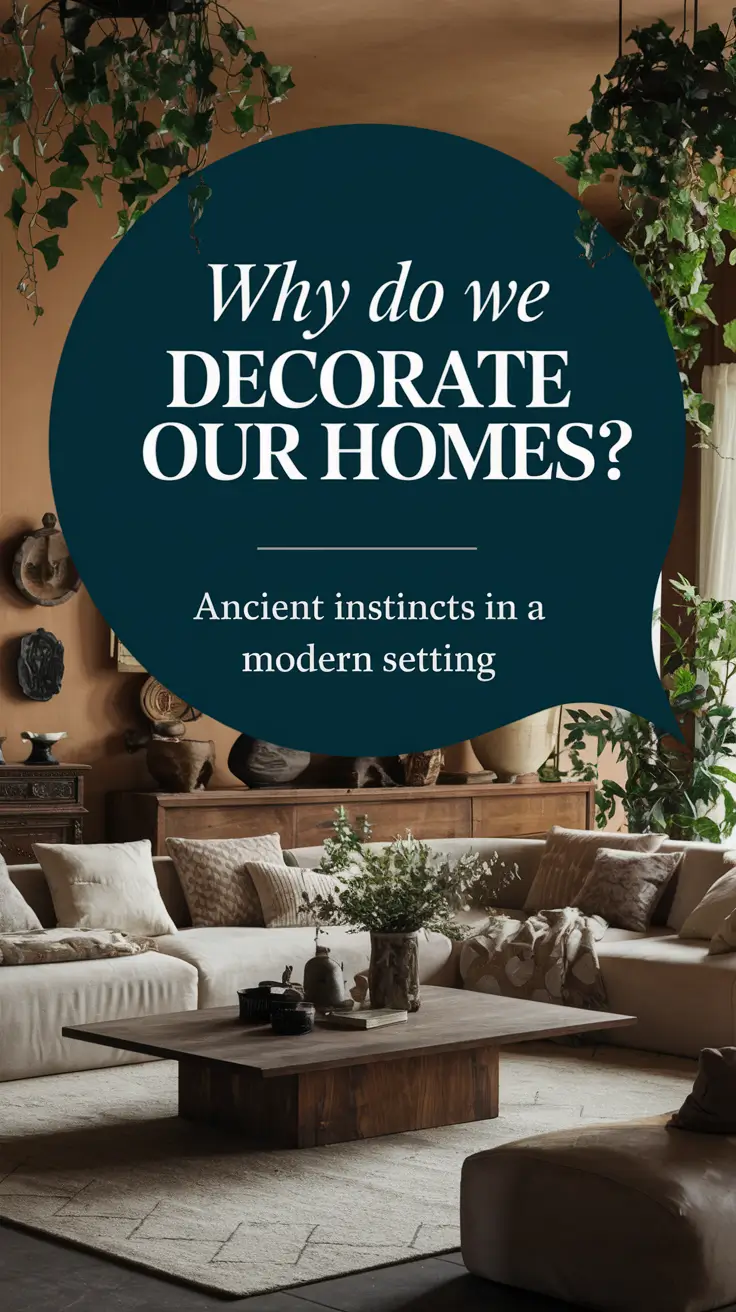
Have you ever caught yourself moving the throw pillows for the third time in one week, just because the room still didn’t “feel right”? I used to think it was a quirk of mine. Then I noticed that this pull to beautify, adjust, and personalize our spaces shows up in almost everyone I know. In 2027 it still looks like a style question, but it runs much deeper than that. It’s a very human habit.
Many of us scroll through Pinterest for hours, searching for ideas that will make our homes feel warm. Still, decorating can seem like a luxury reserved for people with big budgets and perfect taste. What if that’s not the whole story? What if our urge to decorate comes from something older and more powerful?
In this article I’ll walk through how ancient instincts still shape the way we design our homes, and why understanding them can make your space, and how you feel in it, a lot better.
Decorating Is Wired Into Our Brains
This surprised me: our need to decorate goes back tens of thousands of years.
Our Brain Craves Safety and Comfort
When people lived in caves, feeling at ease around their shelter was tied to survival. Carvings, feathers, or painted marks placed near the fire helped them feel rooted in their surroundings. You can see the same impulse today when you hang family photos in a hallway or choose a warmly toned rug for the living room.
When your surroundings feel familiar and comfortable, your brain settles down. Soft lighting, a balanced layout, and cozy objects within reach can genuinely ease stress. That isn’t only good design. It’s biology.
We Make Fast Emotional Decisions Based on Visuals
Research suggests we form an impression of a room in a matter of milliseconds. Our minds are always scanning for threats, warmth, and emotional cues. That’s why visual clutter can feel chaotic and dim corners can feel uneasy. Decorating gives us a way to turn those quick signals into something calmer.
Here’s how it played out for me…
How to Apply This Mindset in Your Own Home
This is where it all became practical for me. I didn’t try to change everything at once. I started with the small area by the window.
Here’s what I did, step-by-step:
- Noticed where I felt most “off” at home. For me, it was the reading chair — it felt cold.
- Asked: what do I want to feel here? Cozy, held, unplugged.
- Added one element that symbolized that. A soft pink throw blanket.
That one change led to more. A pillow. A lamp. A tiny side table for tea.
Would you ever try that approach in your own space?
The Hidden Structure Behind Our Decor Choices
Even when we think we’re choosing something purely for taste or popularity, we often follow a pattern we don’t notice.
What We Decorate, and Why
| Element | Ancient Purpose | Modern Expression |
|---|---|---|
| Color | Signal safety/mood | Soft tones = calm, brights = energy |
| Light | Time awareness & control | Warm lamps, layered lighting |
| Textures | Comfort, identification | Woven fabrics, wood, soft textiles |
| Decoration (objects) | Storytelling, memory | Photos, art, heirlooms |
| Zones | Protection, hierarchy | Bedrooms, nooks, reading corners |
After I spotted that pattern, I paid closer attention to it. Decorating became less about perfection and more about resonance.
My Style Shift Wasn’t Just Aesthetic. It Was Emotional.
It began after a stretch of burnout. I was spending most of my days at home, and every room seemed to drain me. Too much gray. Too little texture. No softness at all. At the time I didn’t see it, but I had decorated for “clean” and “practical” rather than for comfort.
My First Change Was Pure Instinct
One afternoon I bought a pale pink throw blanket on a whim. It was as soft as cotton candy. That single change turned my reading corner from a sterile waiting room into a spot I actually wanted to sink into. I hadn’t planned it, but something in me woke up.
Homes Reflect Who We Are — Or Who We Want to Be
Our homes say things for us when we can’t say them ourselves. I wanted softness, ease, and calm, so I started decorating in that direction. Not for Pinterest likes or passing trends. For me.
And something shifted.
The Instincts That Still Guide How We Decorate
Even with all our technology, our brains still follow some very old rules. A few of them may sound surprisingly familiar:
3 Ancient Instincts That Show Up in Modern Decor
- Gather and display: We used to collect bones, stones, feathers. Now? Books, candles, ceramics.
- Divide and define: Just like we once used rocks or hides to separate sleeping areas, today we use area rugs, shelves, or lighting to zone our spaces.
- Warmth and shelter: Fire was central. Now it’s soft lamps, layered lighting, cozy textures.
Once I understood these instincts, I stopped second-guessing myself. That “random” urge to light a candle after work? Completely natural. My habit of rearranging furniture until it feels right? That’s territory-marking, really. My crowded but deeply personal shelf of souvenirs? Ancient, and very much mine.
What to Remember When Choosing Decor That Feels Right
It’s easy to buy whatever everyone is pinning. The homes that truly support us tend to reflect who we are, not what looks good in a magazine.
Things That Helped Me Choose Wisely
- Don’t chase trends. Follow what calms or energizes you.
- Create layers: light, fabric, objects, scent.
- Include something meaningful in every room.
- Think in feelings, not themes.
- Curate slowly. Let rooms evolve.
A home is never really finished. It’s an ongoing conversation with the person you are right now.
What Makes a Home Feel Like a Safe Haven?
This is where my thinking really shifted.
I started asking myself what home feels like. It wasn’t about colors or styles. It was about being seen, soothed, and supported. That sense of confidence doesn’t come from expensive upgrades. It comes from your intentions.
What Helped Me Most
- Soft light that shifts with the mood
- Textures I want to touch
- Places to retreat to, even in small rooms
- Items that hold stories
- Scents and sounds I love
These aren’t trends. They’re invitations, and every home needs them in its own way.
Conclusion
Decorating isn’t about perfection. It’s a gentle way of reclaiming your space and saying, “This is who I am, and this is what I need.”
We do it because it’s part of our nature, not because it’s fashionable. When we listen to those instincts, our homes start to feel like the place we truly belong.
Pin this for your next seasonal refresh.
What’s one small change you made that shifted the whole feel of your home?

More Home & Wellbeing ideas
- Getting Rid of Cobwebs and Pollen on Your Porch in 2027: My Daily Reset – November Update
- Removing Weeds Without Chemicals: 9 Natural Yard Fixes for 2027 – November Update
- Warmer Rooms in 2027: 8 Ways to Tuck Away Appliances Quietly – November Update
- Rustic to Modern: 28 Open Floor Layouts Worth Trying in 2027 – November Update
- Home as a Mirror of Your Mood: How Space Shapes Emotions in 2027
- Handmade for 2027: How Imperfect Objects Put the Soul Back in My Home
- How Airflow, Shadows and Sun Spots Make a Summer Home Feel Alive in 2027 – November Update
- Bring Summer Indoors in 2027 Without Renovating a Single Room
- House Without a TV for 2027: What Changed in My Living Room and Evenings
- 7 Decor Pieces Quietly Stealing Your Calm in 2027: What to Rethink
- Why Lived-In Clutter Beats Perfect Order for a Cozy Home in 2027 – November Update
- Interior Design and Your Circadian Rhythm: 15 Sleep-Friendly Changes for 2027